Houseplants make our homes greener, fresher, and more alive. But even the most loved plants sometimes struggle. Yellow leaves, drooping stems, slow growth, and sudden leaf drops can leave any plant owner confused and worried.
The good news? Most houseplant problems are common, easy to identify, and even easier to fix. You don’t need to be an expert gardener—just a little understanding of what your plant is trying to tell you.
Let’s explore the 7 most common houseplant problems and their simple, practical solutions so your plants can thrive again.
7 most common houseplant problems and their simple, practical solutions
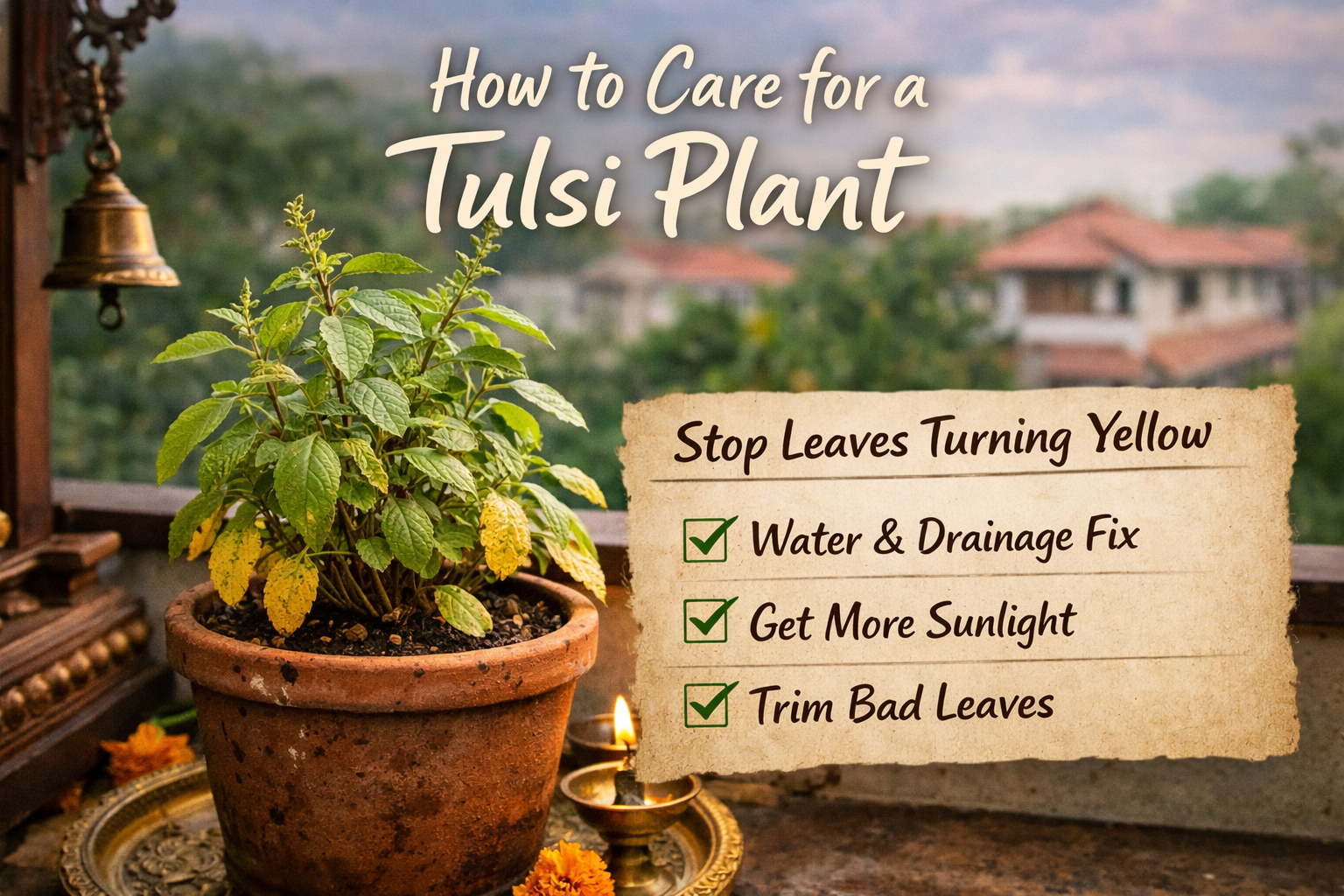
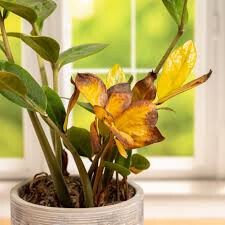
1. Yellow Leaves – The Most Common Warning Sign
Yellow leaves are usually the first sign that something isn’t right.
Why It Happens:
- Overwatering
- Poor drainage
- Low light
- Nutrient deficiency
When roots sit in soggy soil for too long, they can’t breathe properly. This leads to weak roots and yellowing leaves.
Simple Solution:
- Check the soil before watering—only water when the top layer feels dry
- Make sure the pot has drainage holes
- Move the plant to brighter, indirect light
- Add compost or a gentle liquid fertilizer once a month
Once watering is corrected, new healthy green leaves usually appear within a few weeks.
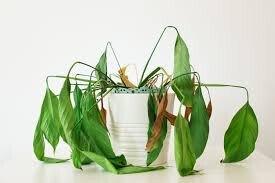
2. Drooping or Wilting Plants – Too Dry or Too Wet
A drooping plant looks sad and tired, even when the soil looks fine on the surface.
Why It Happens:
- Underwatering
- Overwatering
- Heat stress
- Root damage
Both dry roots and drowning roots can cause wilting—this is why it confuses many plant owners.
Simple Solution:
- Insert your finger 2 inches into the soil
- If it’s bone dry, water deeply
- If it’s soggy, stop watering and improve drainage
- Move the plant away from direct midday sunlight
In many cases, a wilted plant can bounce back within a day after proper care.
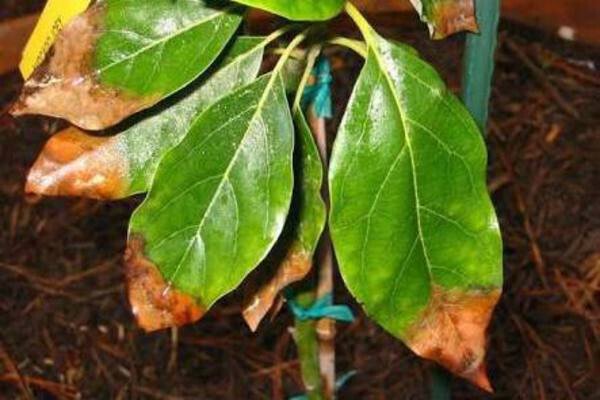
3. Brown Leaf Tips – Dry Air & Mineral Build-Up
Brown tips on leaves are extremely common, especially during winter or in air-conditioned rooms.
Why It Happens:
- Low humidity
- Tap water salts
- Over-fertilizing
The tips dry out first when moisture in the air is too low.
Simple Solution:
- Mist your plants once a day
- Keep a bowl of water near plants for humidity
- Use filtered or rested water
- Reduce fertilizer strength
Trim brown tips slightly to improve the plant’s appearance.
4. Slow or No Growth – “The Plant Is Stuck” Problem
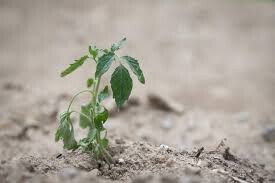
Your plant looks alive but refuses to grow. No new leaves, no height, no change.
Why It Happens:
- Low light
- Depleted soil
- Root-bound pot
- Cold temperatures
Plants slow down when they don’t have enough energy or space to grow.
Simple Solution:
- Move the plant closer to a bright window
- Add compost or liquid fertilizer
- Repot into a slightly bigger pot
- Keep the plant in a warm, draft-free area
Most plants start responding within 10–20 days after these changes.
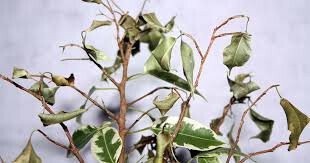
5. Leaf Drop – The Silent Shock Reaction
Sudden leaf drop can be scary, especially when a healthy-looking plant suddenly starts shedding.
Why It Happens:
- Sudden temperature change
- Moving the plant to a new location
- Cold drafts
- Overwatering stress
Houseplants dislike sudden changes and respond by dropping leaves.
Simple Solution:
- Keep plants away from AC vents and cold windows
- Don’t move plants frequently
- Follow a steady watering routine
- Allow time for the plant to adjust
Leaf drop usually stops once the plant feels stable again.
6. Pests on Houseplants – Tiny Enemies, Big Damage
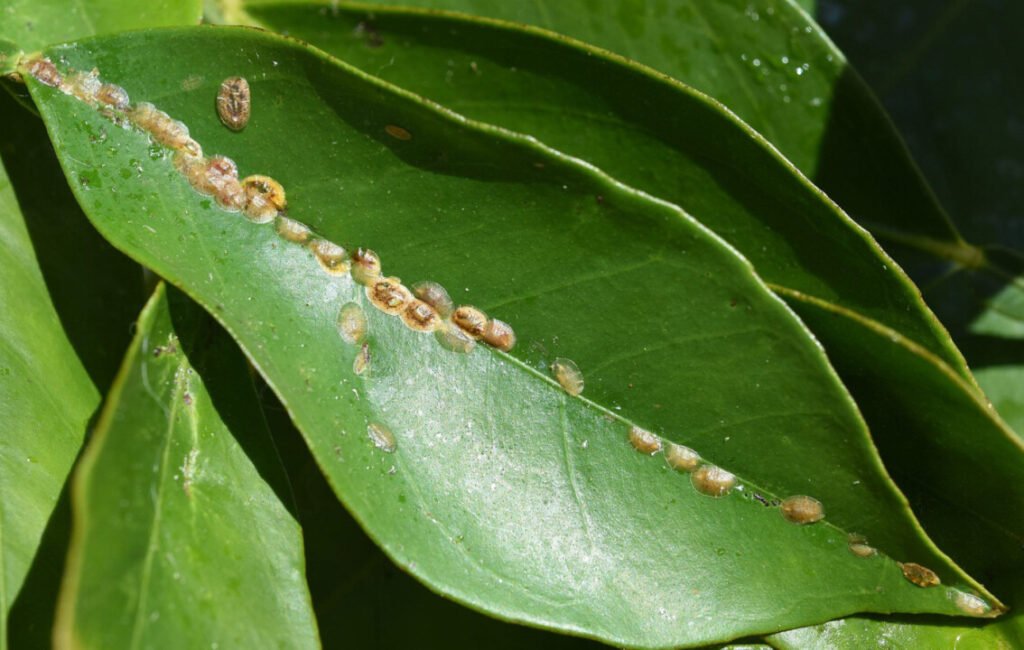
Small insects can quietly destroy a healthy plant if not noticed early.
Common Pests:
- Aphids
- Mealybugs
- Spider mites
- Whiteflies
Signs of Infestation:
- Sticky leaves
- White cotton-like spots
- Tiny crawling dots
- Web-like strings under leaves
Simple Solution:
- Wipe leaves with cotton soaked in soapy water
- Spray neem oil mixed with water once a week
- Isolate infected plants immediately
- Clean the area around the plant
Early action easily saves the plant without harsh chemicals.
7. Root Rot – The Most Dangerous Problem
Root rot is one of the biggest killers of houseplants—and it usually starts with overwatering.
Why It Happens:
- Constantly wet soil
- No drainage holes
- Heavy, compact soil
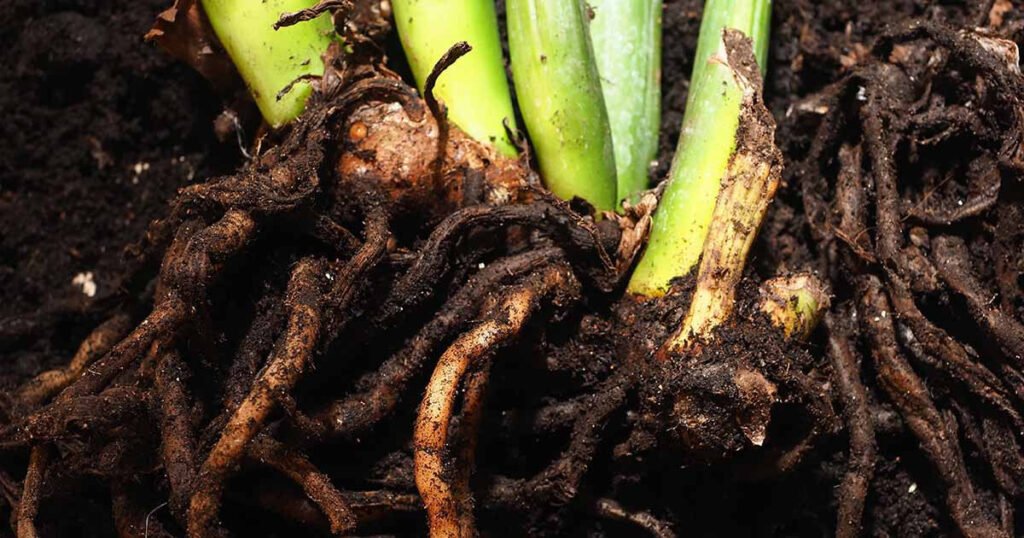
Once roots rot, they can no longer absorb water or nutrients properly.
Warning Signs:
- Foul smell from soil
- Mushy black roots
- Yellow, soft leaves
- Plant collapsing suddenly
Simple Solution:
- Remove the plant from the pot
- Trim off all rotted roots
- Repot in fresh, well-draining soil
- Water lightly for the first few days
Early intervention can still save the plant.
Final Thoughts
Most houseplant problems don’t happen overnight. They slowly develop due to small care mistakes. The good news is that plants are incredibly forgiving—once you fix the basic issue, they often recover beautifully.
If your plant looks unhappy, remember:
✅ Check the soil
✅ Check the light
✅ Check for pests
✅ Check watering habits
A little attention goes a long way in plant care.