
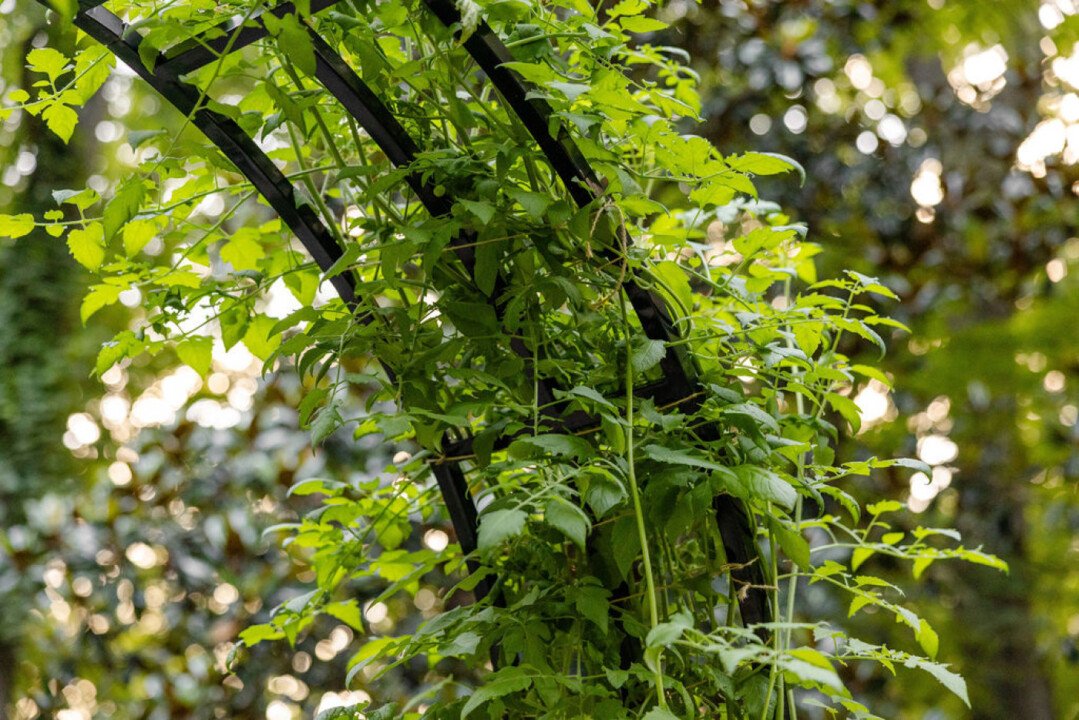
As homes get smaller and outdoor space becomes limited, modern gardeners are turning toward one powerful technique—vertical gardening. Whether you live in a city apartment, a small home, or simply want to add more plants without taking up floor space, vertical gardening gives you a beautiful, productive solution.
In this complete guide, we’ll explore everything you need to know about vertical gardening—what it is, how it works, the best plants to grow, setup ideas, maintenance tips, and the benefits you’ll enjoy.
Let’s start growing upwards! 🌱⬆️
What Is Vertical Gardening?
Vertical gardening is the practice of growing plants upward instead of outward, using walls, frames, trellises, shelves, or hanging systems. Instead of relying on large garden beds, vertical gardens use height to maximize space.
In simple words:
Vertical gardening = growing plants in layers or on vertical structures.
It’s perfect for:
- Apartments
- Balconies
- Small gardens
- Indoor gardening
- Terraces
- Urban homes
Why Choose Vertical Gardening?
Vertical gardening is one of the smartest and most efficient ways to grow plants.
1. Saves Space
You don’t need a big yard. Even a 2×4 ft balcony wall can grow 20–30 plants vertically.
2. Easy to Maintain
Vertical gardens usually require less bending, weeding, and cleaning.
3. Better Airflow & More Sunlight
Plants grown vertically receive better ventilation and sunlight, reducing disease.
4. Beautiful to Look At
Vertical gardens double as stunning décor—green walls, hanging pots, and lush towers instantly beautify any space.
5. Higher Yield
More plants per square foot = more flowers, herbs, and vegetables.
Types of Vertical Gardening Systems
There is no single right way to create a vertical garden. Here are the most popular styles:
1. Wall-Mounted Planters
Ideal for balconies and terraces.
- Pots or grow bags hung on racks
- PVC or wooden wall panels
- Pocket fabric planters
Great for herbs, flowers, and small vegetables.

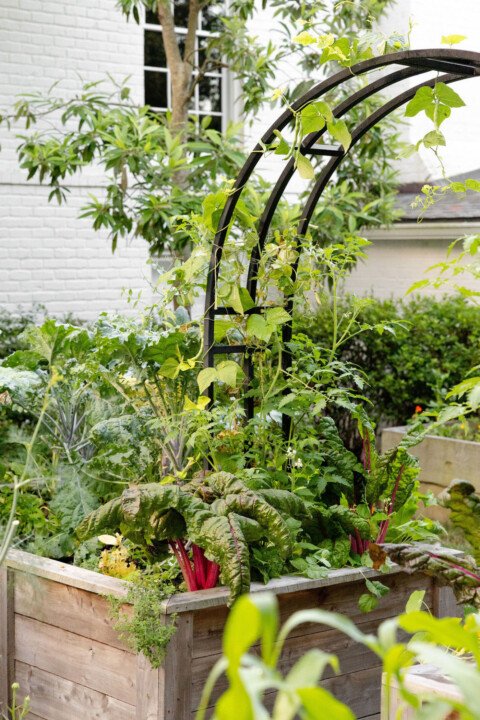
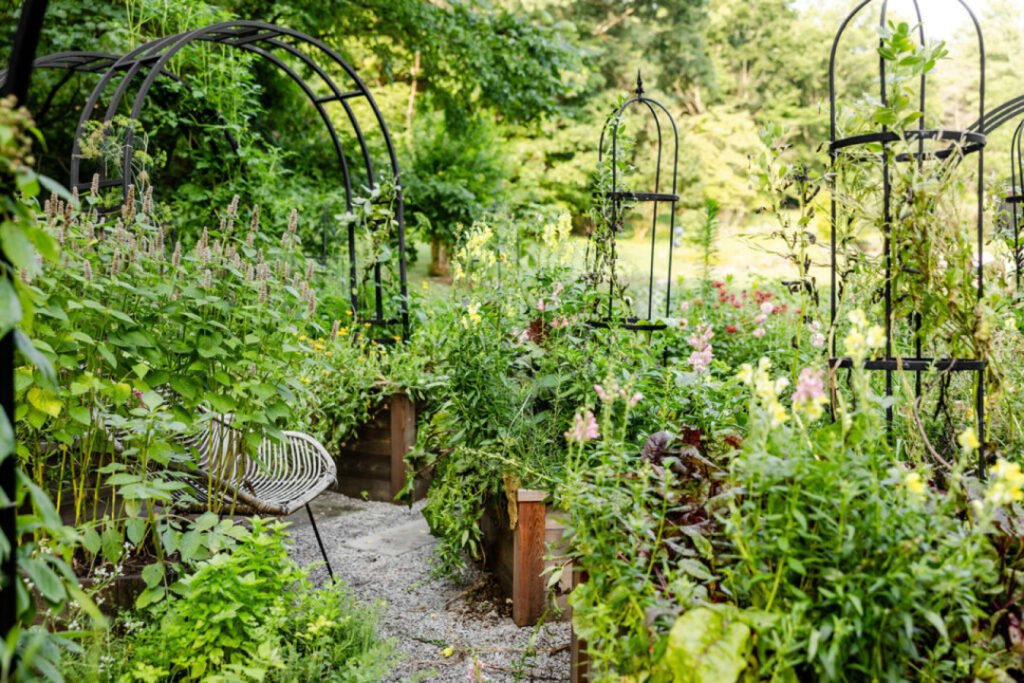
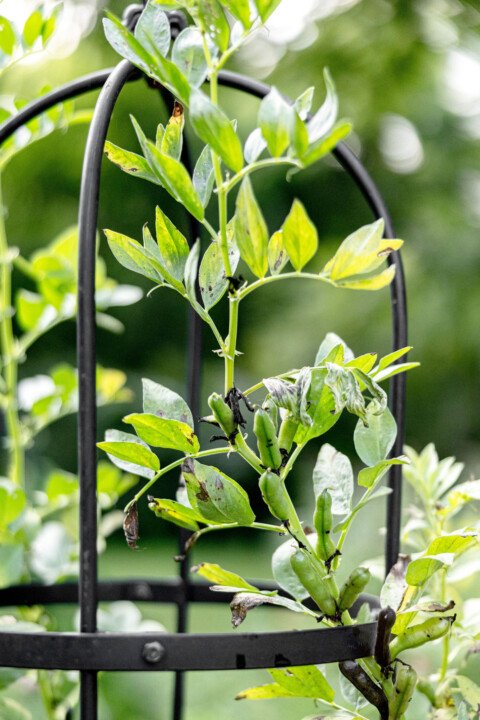
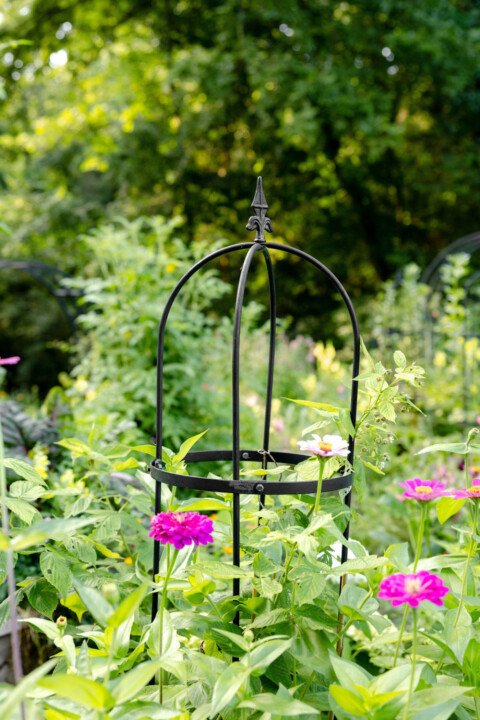
2. Trellises & Climbing Frames
Perfect for climbing plants such as:
- Cucumbers
- Beans
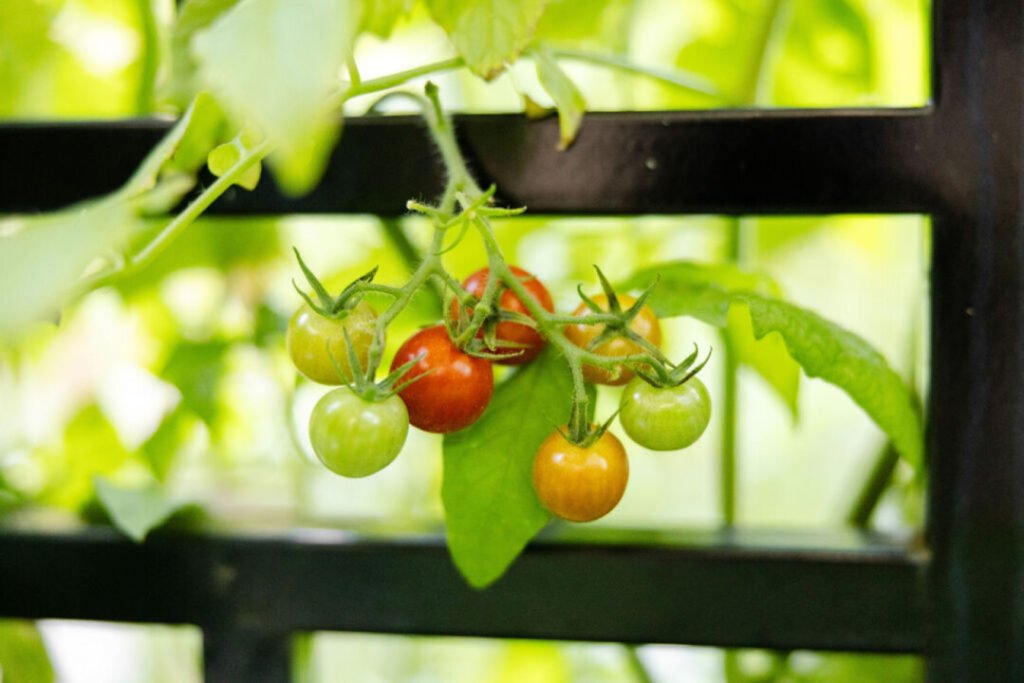
- Tomatoes
- Gourds
- Bougainvillea
These support plants as they grow upward naturally.
3. Vertical Towers
Hydroponic or soil-based towers can grow 20–50 plants in one standing structure.
Suitable for:
- Lettuce
- Spinach
- Basil
- Strawberries
4. Hanging Baskets
Beautiful, space-saving, and productive.
Best for:
- Mint
- Strawberry
- English ivy
- Spider plants
- Cherry tomatoes
5. Shelf Gardens
Wooden or metal shelves allow multiple layers of plants in small spaces.
Perfect for herbs, succulents, and small indoor plants.
Best Plants for Vertical Gardening
Choose plants that are lightweight, compact, or naturally vining.
Vegetables
- Tomatoes
- Chillies
- Beans
- Peas
- Lettuce
- Spinach
- Radish greens
Herbs
- Basil
- Mint
- Coriander
- Thyme
- Parsley
- Lemongrass
Flowers
- Petunias
- Marigolds
- Morning glory
- Jasmine
- Bougainvillea
Indoor Plants
- Philodendron
- Pothos (money plant)
- Ferns
- Snake plant
- ZZ plant
How to Start Your Vertical Garden (Step-by-Step)
Ready to build your own vertical garden? Follow these simple steps:
Step 1: Analyze Your Space
Check:
- Available wall or vertical area
- Sunlight direction (plants need 3–6 hours daily)
- Wind exposure
Step 2: Choose the Right Structure
Pick something based on your space:
- Wall rack
- Hanging planter
- Trellis
- Tower garden
- Shelving unit
Step 3: Prepare the Soil Mix
Vertical planters dry out faster, so use a light mix:
Ideal Potting Mix
- 40% garden soil
- 30% compost
- 20% cocopeat
- 10% sand
This promotes drainage and retains moisture.
Step 4: Planting
- Place large plants at the bottom
- Medium plants in the middle
- Small or trailing plants at the top
This ensures good balance and sunlight exposure.
Step 5: Watering Correctly
Vertical gardens need:
- Gentle watering from top
- Drip irrigation (optional)
- Regular moisture checks
Tip: Water in early morning or evening.
Step 6: Fertilizing
Feed the plants every 15–20 days with:
- Vermicompost
- Liquid fertilizer
- Seaweed extract
- Compost tea
Step 7: Regular Maintenance
- Trim dead leaves
- Check for pests weekly
- Ensure proper support for climbing plants
- Rotate pots if sunlight is uneven
Common Problems in Vertical Gardening (and Solutions)
❌ Plants drying out too quickly
✔ Use cocopeat and install a drip system.
❌ Plants not getting enough sunlight
✔ Move the structure to a brighter location.
❌ Overcrowding
✔ Give every plant proper spacing for airflow.
❌ Weak growth
✔ Add compost or liquid fertilizer.
❌ Pest attacks
✔ Spray neem oil every 10 days.
Vertical Gardening Ideas You Can Try
Here are some creative designs:
- PVC pipe garden (great for strawberries & herbs)
- Pallet garden using old wooden pallets
- Bottle garden (DIY recycling project)
- Mesh or net climbers for gourds and beans
- Living green wall indoors
You can start simple and upgrade as your garden grows.
Cost of Starting a Vertical Garden
You can start small even with ₹500–₹1,000.
Estimated costs:
- Wall rack: ₹300–₹800
- Pots or grow bags: ₹20–₹60 each
- Soil mix: ₹200–₹400
- Seeds & saplings: ₹50–₹150
Vertical gardening is affordable, scalable, and beginner-friendly.
Final Thoughts
A vertical garden is more than just a creative way to grow plants—it’s a smart solution for modern living. Whether you want fresh herbs in your kitchen, vegetables on your balcony, or a beautiful green wall in your living room, vertical gardening makes it all possible.
You don’t need a big backyard.
You don’t need special tools.
All you need is a little wall space—and a lot of love for plants. 🌿💚
So start your vertical gardening journey today and bring nature closer to your home—one plant at a time.







