Potatoes may look like a humble vegetable, but in an Indian kitchen, they are nothing less than a hero. From aloo sabzi and paratha to snacks and curries, potatoes are used almost every day. What many home gardeners do not realize Growing Organic Potatoes at Home in India
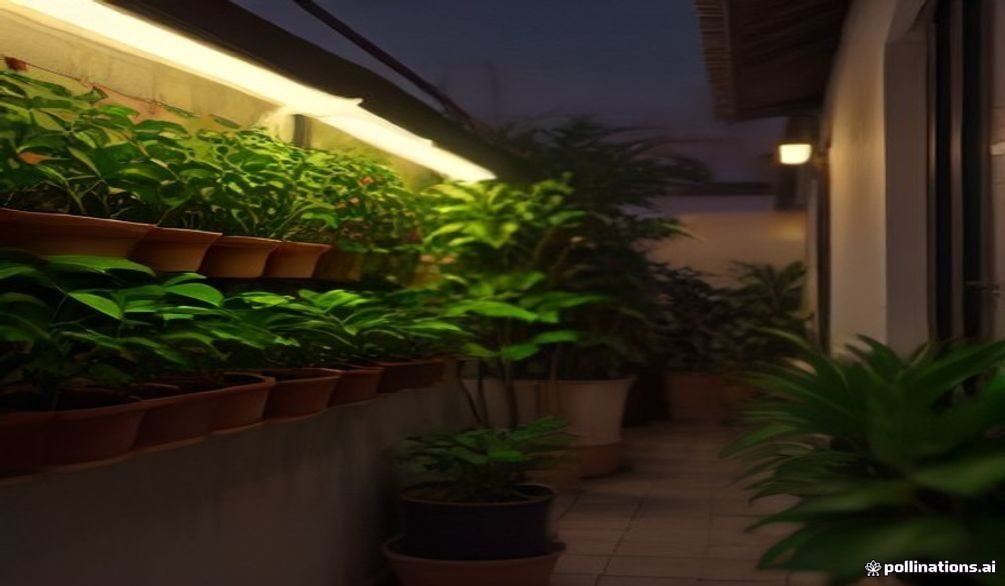
You do not need a big farm or expensive equipment. With a little care, the right soil, and some patience, you can grow clean, chemical-free potatoes in pots, grow bags, or your backyard. This guide is written especially for Indian gardeners and explains everything in a simple, human, and practical way.
Why Growing Organic Potatoes at Home?
Store-bought potatoes are often treated with chemicals to prevent sprouting and increase shelf life. When you grow potatoes at home, you control everything that goes into the soil.
Here are some simple benefits:
- Fresh and chemical-free potatoes
- Better taste and texture
- Cost-effective in the long run
- A rewarding experience for beginners
- Safe food for your family
Once you grow potatoes at home, you will notice the difference in flavour immediately.
Best Time to Grow Potatoes in India
Potatoes prefer cool weather and grow best during winter in most parts of India.
- North India: October to November
- Central India: October
- South India: September to December
- Hill regions: February to March
Avoid extreme summer heat, as potato plants do not tolerate high temperatures well.
Choosing the Right Potatoes for Planting
For planting, always choose healthy seed potatoes.
What Are Seed Potatoes?
Seed potatoes are potatoes meant for planting, not eating. They have active eyes and are free from disease.
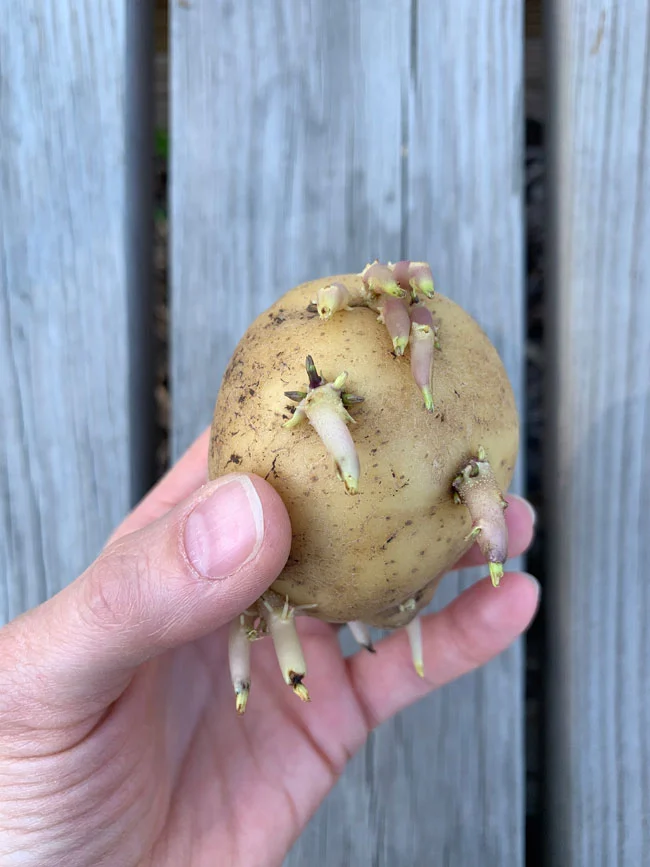
If seed potatoes are not available, you can use:
- Organic potatoes from the market
- Potatoes with visible sprouts or eyes
Avoid treated potatoes, as they may not sprout properly.
Preparing Potatoes for Planting
- Choose medium-sized potatoes
- Each piece should have at least 2 to 3 eyes
- Cut large potatoes into pieces
- Allow cut pieces to dry for 1 day
Drying helps prevent rotting after planting.
Containers and Space Requirements
Potatoes need space to grow underground, so container depth is important.
- Grow bags: 12 to 18 inches deep
- Pots or buckets: Minimum 12 inches
- Ground planting: Loose, well-drained soil
Ensure drainage holes are present to prevent waterlogging.
Best Soil Mix for Organic Potatoes
Healthy soil is the foundation of a good harvest.
Ideal Organic Soil Mix
- 40 percent garden soil
- 30 percent well-rotted compost or cow dung
- 20 percent cocopeat or sand
- 10 percent vermicompost
The soil should be loose and crumbly, not sticky or hard.
How to Plant Potatoes Step by Step

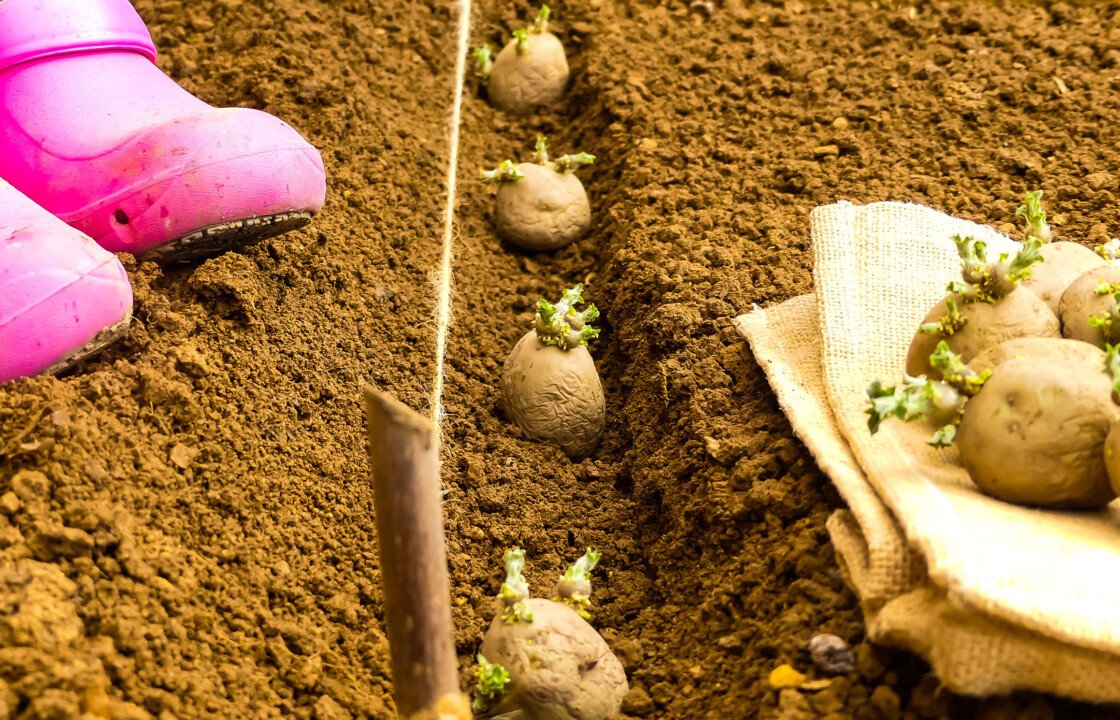
Step 1: Fill the Container
Fill the pot or grow bag halfway with prepared soil.
Step 2: Place the Potatoes
Place potato pieces with eyes facing upward.
Step 3: Cover Lightly
Cover with 3 to 4 inches of soil.
Step 4: Water Gently
Water lightly to settle the soil.
Do not fill the container completely at the start. This is important for later stages.
Sunlight Requirements
Potato plants love sunlight.
- Minimum 6 hours of direct sunlight daily
- Morning sunlight is ideal
- Avoid complete shade
Without enough sunlight, plants grow weak and yield reduces.
Watering Potatoes the Right Way
Watering needs balance.
- Keep soil slightly moist
- Water 2 to 3 times a week
- Do not let soil dry out completely
- Avoid overwatering
Too much water can cause rotting and fungal problems.
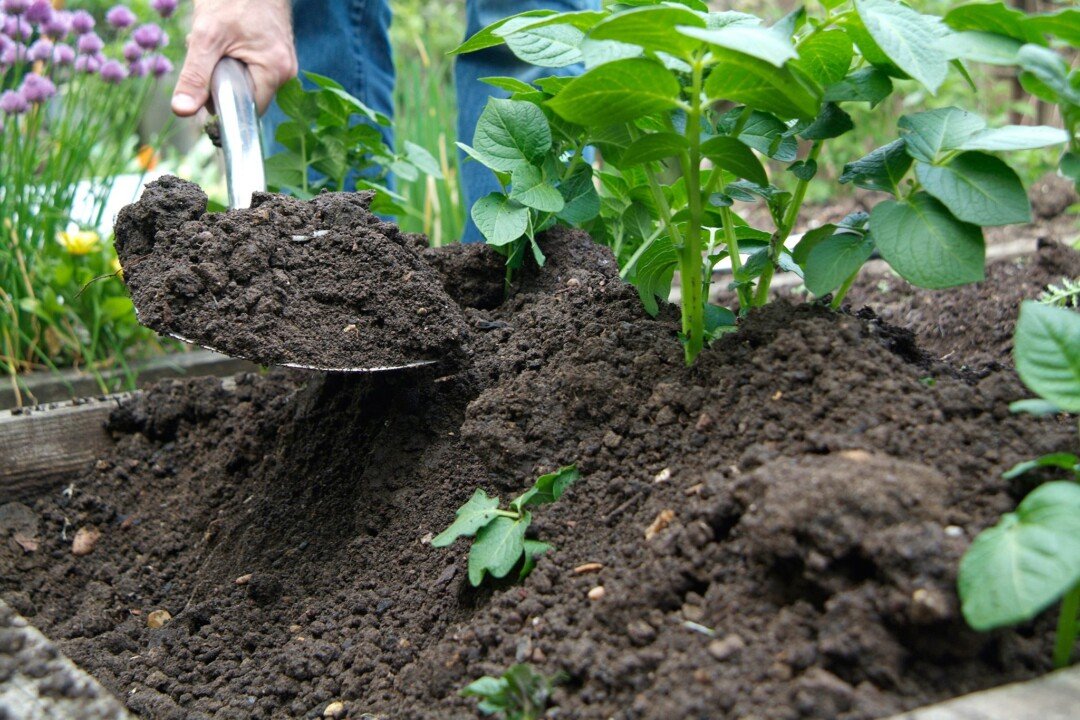
Earthing Up: The Secret to High Yield
Earthing up is one of the most important steps in growing potatoes.
What Is Earthing Up?
It means adding soil around the base of the plant as it grows.
Why Is It Important?
- Encourages more tuber formation
- Prevents potatoes from turning green
- Improves yield
How to Do It
- When plants are 6 to 8 inches tall, add soil
- Leave only top leaves visible
- Repeat every 10 to 15 days
This simple step makes a big difference.
Organic Fertilizers for Healthy Growth
Potatoes respond well to organic feeding.
Best Organic Options
- Vermicompost every 15 days
- Compost tea once a month
- Banana peel liquid for potassium
- Mustard cake liquid in small quantity
Avoid excess nitrogen, as it promotes leaves instead of tubers.
Common Problems and Easy Solutions
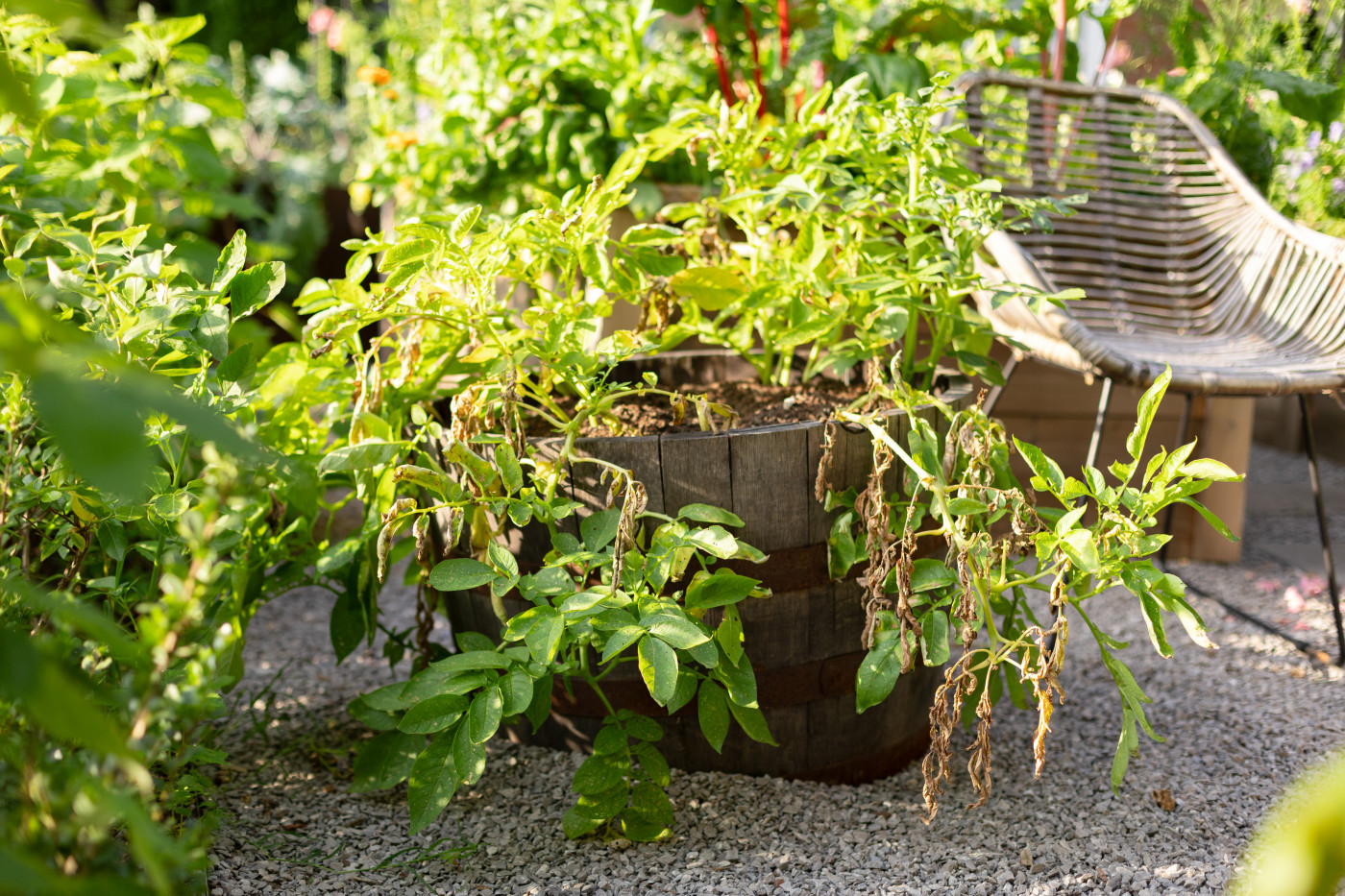
Yellow Leaves
- Overwatering or poor soil
- Improve drainage and add compost
Small Potatoes
- Skipping earthing up
- Lack of nutrients
- Overcrowding
Pests
- Aphids and caterpillars
- Spray neem oil every 10 days
When and How to Harvest Potatoes
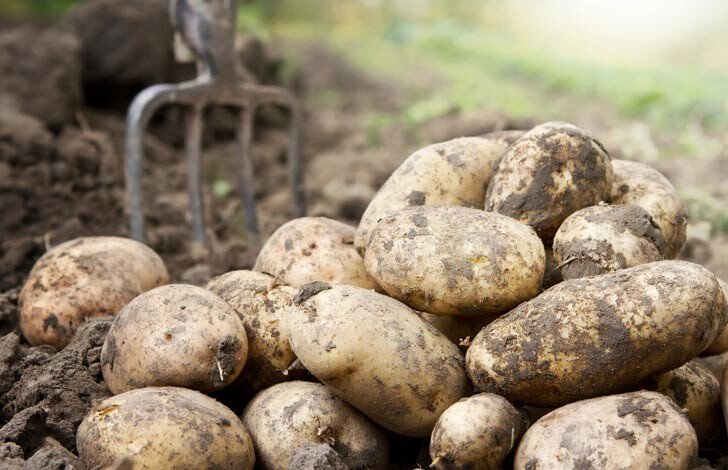
Potatoes are ready to harvest when:
- Leaves turn yellow and dry
- Plant starts collapsing
Harvesting Steps
- Stop watering 7 to 10 days before harvest
- Gently loosen soil
- Remove potatoes carefully by hand
- Avoid damaging tubers
Drying and Storing Potatoes
- Dry potatoes in shade for 2 to 3 days
- Do not wash before storing
- Store in a cool, dark place
- Use baskets or cloth bags
Proper storage helps potatoes last longer.
Simple Tips for Indian Home Gardeners
- Do not overcrowd containers
- Always use loose soil
- Earthing up is very important
- Avoid growing in peak summer
- Rotate crops to prevent disease
Final Thoughts
Growing organic potatoes at home is easier than most people think. With simple steps, basic care, and organic methods, you can enjoy a healthy and high-yield harvest right from your terrace or backyard. For Indian gardeners, potatoes are a perfect winter crop that gives great results even for beginners.
Start with one or two grow bags, observe your plants, and learn as you go. The joy of digging out fresh potatoes from the soil is truly special and worth the effort.
If you like, I can also help you with a planting calendar, companion planting ideas, or a guide on growing potatoes in small balconies.