
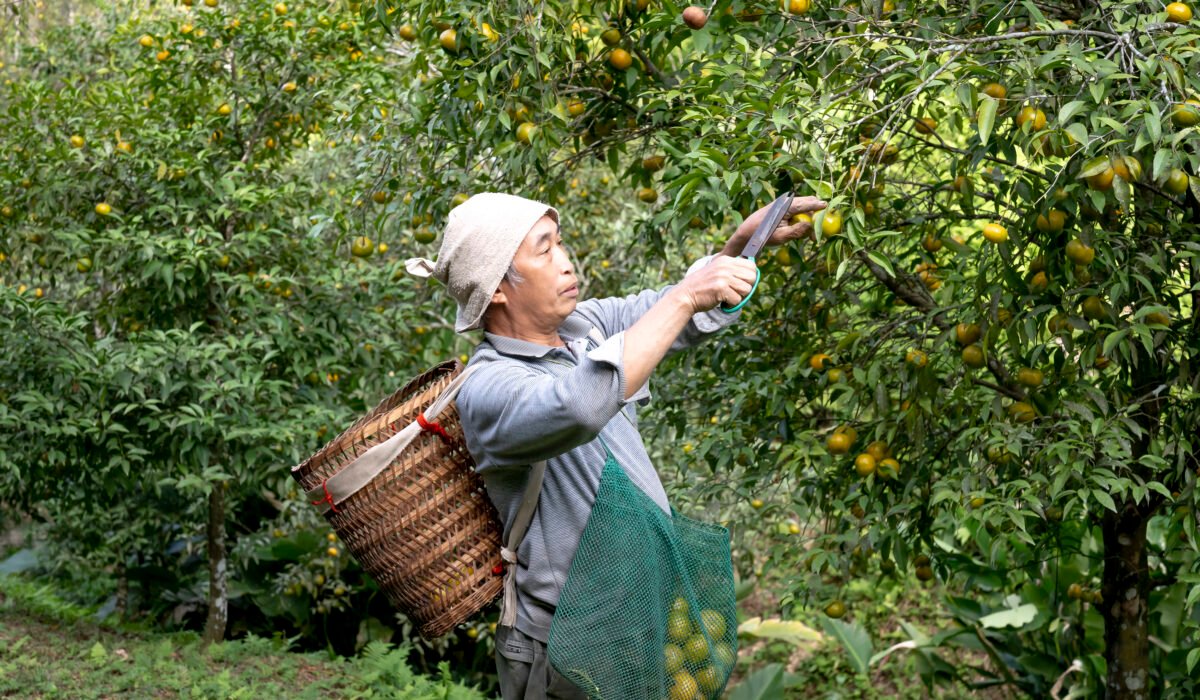
Caring for fruit trees can feel daunting, especially when you’re not sure which equipment is truly necessary to ensure a bountiful harvest and healthy growth. Finding the Essential Tools for Successful Fruit Tree Care is your first step toward cultivating a thriving home orchard, preventing disease, and maximizing fruit production. This comprehensive guide will walk you through every critical piece of equipment, explaining why each tool matters and how it contributes to the long-term vitality of your fruit trees.
What Are the Basic Tools You Need for Fruit Trees?
Embarking on fruit tree care requires a foundational set of equipment that supports general maintenance and ensures the well-being of your trees from planting to harvest. These aren’t just “nice-to-haves”; they are the must-have fruit tree tools that form the backbone of any effective orchard management strategy. Without these garden tools for fruit trees, even simple tasks become difficult, potentially leading to suboptimal tree health.
At a minimum, you’ll need reliable hand pruners, a sturdy shovel, a watering can or hose, and good quality garden gloves. These items address the most immediate needs: planting, minor trimming, and consistent hydration. What most people miss, however, is that investing in quality basic tools from the start saves you money and frustration down the line, as they perform better and last longer.
Essential Pruning Tools for Fruit Tree Care
Pruning is perhaps the most critical aspect of fruit tree maintenance, directly influencing fruit production, tree health, and structural integrity. Having the right fruit tree pruning tools ensures clean cuts, which are vital for preventing disease and encouraging strong growth. According to horticultural experts at Orchard People, proper pruning techniques rely heavily on using the correct tool for each branch size and type of cut.
These specialized tools are designed to handle everything from delicate twigs to thick, stubborn branches. Understanding the function of each will empower you to perform precise cuts that benefit your tree’s long-term vitality. The goal is always to promote air circulation, sunlight penetration, and a balanced canopy, leading to a healthier tree and more fruit.
Pruning Shears (Hand Pruners)
For small branches, twigs, and delicate work, pruning shears (also known as hand pruners) are indispensable. These are your go-to for cuts up to about ¾ inch in diameter. The choice between bypass vs anvil pruners is crucial here: bypass pruners feature two blades that slide past each other, creating a clean, scissor-like cut that’s ideal for living wood and minimizing damage. Anvil pruners, on the other hand, have a sharp blade that closes against a flat anvil, best suited for dead wood, though they can crush living stems.
In practice, experienced arborists almost exclusively recommend bypass pruners for fruit trees to ensure healthy, quick-healing cuts. Look for models with comfortable grips and a strong locking mechanism for safety. Brands like Felco and Fiskars are popular choices for their durability and performance.
Loppers
When you encounter branches too thick for hand pruners, loppers step in. These long-handled tools provide increased leverage, allowing you to cut branches up to 1.5 to 2 inches in diameter with relative ease. Their extended reach also helps you access slightly higher or deeper parts of the tree without a ladder.
Like hand pruners, loppers come in bypass and anvil styles. Again, bypass loppers are preferred for fruit trees to ensure clean cuts on living wood, which is essential for tree health. Choose a pair with lightweight yet strong handles, often made from aluminum or fiberglass, to reduce fatigue during extended pruning sessions.
Pruning Saws
For larger branches that exceed the capacity of loppers (typically over 2 inches in diameter), pruning saws are essential. These saws come in various forms, including folding saws, curved saws, and bow saws, each designed for specific cutting situations. A curved blade pruning saw is often the most versatile for fruit trees, allowing for efficient cutting strokes in tight spaces.
Brands like Silky are highly regarded in the industry for their exceptionally sharp blades and efficient tooth design, which make quick work of even thick limbs. When using a pruning saw, always ensure you make clean, precise cuts without tearing the bark, which can leave the tree vulnerable to pests and diseases. For proper technique, you might find it helpful to consult resources like the University of Missouri Extension’s guide on pruning fruit trees.
Pole Pruners
Reaching high branches without climbing a ladder is where pole pruners become invaluable. These tools combine a pruning head (either a shear or a small saw blade) mounted on an extendable pole, allowing you to safely trim branches up to 15-20 feet high. This is particularly useful for taller fruit trees where lower branches have been established.
Some pole pruners have a rope-and-pulley system for operating the shears, while others feature a saw blade for larger overhead cuts. What most people miss is the importance of balance and control when using these tools; practice makes perfect for achieving clean cuts from a distance. Always ensure a stable footing and be aware of falling branches when operating a pole pruner.
Beyond Pruning: Watering and Feeding Essentials
While pruning shapes your trees, proper hydration and nutrition fuel their growth and fruit production. Neglecting these aspects can undermine all your careful pruning work, leading to stressed trees and poor yields. Having the right fruit tree maintenance equipment for watering and feeding is just as crucial as your pruning arsenal.
Effective watering ensures nutrients are absorbed, and consistent feeding provides the building blocks for strong roots, healthy foliage, and abundant fruit. It’s about creating an environment where your trees can truly thrive, addressing their fundamental biological needs with precision and care.
Watering Equipment
Consistent and adequate watering is foundational for young fruit trees and critical during dry spells for mature ones. Your watering equipment should allow for deep, slow watering that penetrates the root zone, rather than superficial sprinkling. A standard garden hose with an adjustable nozzle is a good start, but for more efficient hydration, consider drip irrigation systems or soaker hoses.
Drip systems deliver water directly to the root zone, minimizing evaporation and waste, making them highly water-wise and effective. For newly planted trees, a watering ring or tree gator can provide a slow, steady release of water, ensuring deep saturation without runoff. Remember, the goal is consistent soil moisture, not waterlogging.
Feeding Essentials
Fruit trees are heavy feeders, requiring a balanced diet of nutrients to support vigorous growth and fruit development. Soil testing kits are your first essential tool here, providing crucial insights into your soil’s pH and nutrient deficiencies. This allows you to apply the right amendments rather than guessing, which saves money and prevents nutrient imbalances.
Once you know what your soil needs, a fertilizer spreader can help you apply granular fertilizers evenly around the tree’s drip line. For liquid feeds or foliar sprays, a hand sprayer or backpack sprayer is necessary. Remember to always follow application rates carefully, as over-fertilization can harm your trees. Sometimes, a simple hand trowel is all you need to work in compost or slow-release granular fertilizers around the base of young trees.
Harvesting and Safety Tools for Fruit Trees
The reward for all your hard work is a delicious harvest, but approaching it correctly can make all the difference in fruit quality and your personal safety. Specialized harvesting tools protect both the fruit and the tree, while safety gear protects you. These orchard tools ensure that your efforts culminate in a successful and injury-free experience.
Ignoring safety when working with ladders or sharp tools is a common mistake that can lead to serious accidents. Similarly, improper harvesting techniques can damage fruit or even compromise the tree’s future fruiting potential. Investing in these items is an investment in both your well-being and the longevity of your fruit trees.
Harvesting Tools
When harvest time arrives, having the right tools prevents bruising and damage to your fruit. For fruits within arm’s reach, a simple hand basket or bucket is usually sufficient. However, for higher branches, fruit pickers are indispensable. These tools typically consist of a long pole with a basket or claw attachment at the end, allowing you to gently pluck fruit without reaching or climbing.
For taller trees, a sturdy, stable step ladder or orchard ladder is also essential. Ensure it’s designed for outdoor use and has a wide base for stability on uneven ground. When & How to Harvest Vegetables for Peak Flavor applies to fruit as well; picking at the right time and with the right gentle touch significantly impacts taste and storage life.
Safety Gear
Working with sharp tools, climbing ladders, and handling fertilizers all pose potential risks. Protecting yourself is paramount. At a minimum, always wear durable garden gloves to prevent blisters, cuts, and protect against thorns or irritating sap. Leather gloves offer excellent protection for heavy-duty tasks, while thinner, nitrile-coated gloves provide better dexterity for fine work.
Eye protection, such as safety glasses or goggles, is crucial when pruning, especially overhead, to shield your eyes from flying debris. For extended work or using power tools, hearing protection might also be advisable. Sturdy, closed-toe shoes with good grip are also a must to prevent slips and protect your feet from dropped tools or falling branches.
Choosing the Right Tools: Quality, Features, and Budget
Selecting the best tools for fruit trees isn’t just about identifying the type; it’s about making informed decisions on quality, specific features, and how they align with your budget. While it might be tempting to opt for the cheapest option, this often proves to be a false economy in the long run. Cheap tools can break easily, perform poorly, and may even cause more damage to your trees.
Think of your tools as an investment in your orchard. A higher upfront cost often translates to better materials, superior design, and enhanced durability, which means fewer replacements and more efficient work. The key is to balance performance with affordability, ensuring you get the most value for your money.
Quality Over Quantity
Prioritize tools made from high-quality materials, such as forged steel blades for pruners and loppers, which retain their sharpness longer and resist rust. Look for features like comfortable, ergonomic handles that reduce hand fatigue, especially during prolonged use. For pruning saws, a replaceable blade can extend the life of the tool significantly. Investing in quality tools minimizes frustration and maximizes effectiveness.
In practice, a few high-quality, reliable tools will serve you far better than a shed full of flimsy, ill-performing ones. This approach is widely recommended by seasoned gardeners and agricultural professionals alike, as it directly impacts your efficiency and the health of your trees. A good rule of thumb is to buy the best you can reasonably afford.
Features That Matter
Consider specific features that enhance usability and performance. For pruning shears, look for a sap groove that prevents blades from sticking. Ratcheting loppers can provide extra cutting power for tough branches. For pole pruners, a lightweight pole material like fiberglass or carbon fiber makes them easier to handle.
Think about your specific needs. Do you have many small, delicate fruit trees or a few large, established ones? This will influence the types and sizes of tools you prioritize. Adjustable features, such as telescopic handles or interchangeable heads, can also add versatility to your fruit tree maintenance equipment.
Balancing Budget with Value
While quality is important, you don’t need to break the bank to acquire essential tools. Start with the basics and gradually expand your collection as your needs grow or your budget allows. Look for sales, consider buying trusted brands, and read reviews from other fruit tree growers.
Sometimes, a slightly more expensive tool with excellent reviews and a good warranty offers better long-term value than a cheaper alternative that needs frequent replacement or repair. Remember, the cost of replacing damaged tools or dealing with tree health issues caused by poor tools can quickly outweigh initial savings.
Maintaining Your Essential Fruit Tree Care Tools
Even the best tools won’t perform optimally or last long without proper care. Regular tool maintenance is crucial for extending the lifespan of your equipment, ensuring clean cuts for better tree health, and preventing the spread of diseases. A well-maintained tool is a joy to use, while a neglected one can become a source of frustration and inefficiency.
The short answer is: clean, sharpen, and lubricate your tools after every use. This simple routine prevents rust, keeps blades sharp, and ensures smooth operation. Neglecting this can lead to dull blades that tear branches, making your fruit trees susceptible to pests and pathogens.
- Clean Your Tools: After each use, wipe down all blades and metal surfaces to remove sap, dirt, and debris. A stiff brush and warm, soapy water work well. For stubborn sap, use rubbing alcohol or a specialized sap remover. This prevents the transfer of diseases between trees.
- Disinfect Blades: Especially when moving between different trees or after cutting diseased wood, disinfect your pruning shears, loppers, and saws. A solution of 10% bleach (1 part bleach to 9 parts water) or a household disinfectant like Lysol can be used. Rinse thoroughly afterward to prevent corrosion.
- Sharpen Blades: Dull blades tear rather than cut, harming your tree and requiring more effort. Use a sharpening stone or diamond file to keep your pruning shears, loppers, and saws razor-sharp. Sharpening should be done regularly, depending on frequency of use.
- Lubricate Moving Parts: Apply a light oil (like WD-40 or camellia oil) to hinges, springs, and blade surfaces after cleaning and drying. This prevents rust, ensures smooth action, and protects metal components from corrosion.
- Store Properly: Store your tools in a dry, protected area, ideally hanging them up to prevent damage and keep them away from moisture. This simple step significantly extends their life.
FAQs About Fruit Tree Tools
What are the basic tools you need for fruit trees?
For fundamental fruit tree care, you’ll primarily need hand pruners for small cuts, loppers for medium branches, a pruning saw for larger limbs, a sturdy shovel for planting, and garden gloves for protection. These form the core of your fruit tree maintenance equipment, addressing the most common tasks from shaping to minor repairs.
What are the best tools for fruit trees?
The “best” tools for fruit trees are those that are high-quality, durable, and appropriate for the specific task. Look for bypass-style pruning shears and loppers with sharp, forged steel blades, and a reliable pruning saw like those from Silky. Ultimately, tools that are well-maintained and comfortable for you to use will yield the best results for your tree health.
How often should I sharpen my fruit tree pruning tools?
You should sharpen your fruit tree pruning tools, especially hand pruners and loppers, regularly—ideally after every few hours of use or whenever you notice them tearing instead of cleanly cutting. A sharp blade is crucial for making clean cuts that heal quickly, reducing the risk of disease and promoting vigorous tree health.
Can I use regular garden shears for fruit tree pruning?
While you can use regular garden shears for very light trimming, they are generally not recommended for significant fruit tree pruning. Standard garden shears often lack the precision and strength of dedicated pruning shears, leading to jagged cuts that can damage the tree and make it more susceptible to disease. Always opt for bypass pruners designed for clean cuts on living wood.
Mastering fruit tree care is a rewarding journey, and having the right tools makes all the difference. By equipping yourself with these Essential Tools for Successful Fruit Tree Care, you’re not just buying equipment; you’re investing in the health, productivity, and longevity of your orchard. Take the time to select quality tools, learn their proper use, and commit to regular maintenance. Your fruit trees, and your future harvests, will thank you. Now, go forth and cultivate your thriving edible landscape!







