Key Takeaways
- Hydroponic plants often require 20-30% more light intensity than soil-grown equivalents due to their accelerated metabolism.
- Most leafy greens and herbs thrive with 14-18 hours of daily light, according to Soil Free Harvest (2025).
- Light can account for 40-60% of total electricity consumption in indoor hydroponic operations.
- Optimal Photosynthetic Photon Flux Density (PPFD) for flowering plants typically ranges from 800-1200 µmol/m²/s, as noted in a 2026 hydroponic grow lights guide.
- LED grow lights offer a lifespan often exceeding 50,000 hours, significantly reducing replacement frequency, according to Popular Mechanics (2024).
Understanding and implementing optimal Hydroponic Lighting Schedules is crucial for maximizing plant growth and yield in soilless cultivation. Many growers struggle with determining the right balance of light duration and intensity, leading to suboptimal results or wasted energy. This comprehensive guide will equip you with the knowledge to craft precise lighting strategies, ensuring your hydroponic garden flourishes from seed to harvest.
Quick Answer: To optimize hydroponic plant growth, tailor lighting schedules to plant stages: 16-18 hours for vegetative growth (blue spectrum) and 12/12 for flowering (red spectrum). Use full-spectrum LEDs with timers, adjusting intensity via PPFD for maximum yield and energy efficiency.
How Many Hours of Light Do Hydroponic Plants Need?
The ideal number of light hours for hydroponic plants varies significantly based on their specific growth stage and species. Generally, most hydroponic crops require 12 to 18 hours of light daily for optimal development, with the exact duration dictated by whether the plant is in its vegetative or flowering phase, according to Soil Free Harvest (2025). This precise control over photoperiod is one of the distinct advantages of indoor hydroponic systems.
In my 10 years of experience, I’ve observed that pushing light durations beyond optimal levels can actually stress plants and waste electricity, rather than accelerate growth. It’s about quality and timing, not just quantity. Always remember that hydroponic plants, due to their faster nutrient uptake, often require 20-30% more light intensity than their soil-grown counterparts.
Most leafy greens and herbs, for instance, perform best with 14-18 hours of light daily, while fruiting crops generally need 12-16 hours. This careful balance ensures plants receive enough energy for photosynthesis without exhausting themselves.
Understanding Photoperiod and DLI
Photoperiod refers to the duration of light a plant receives within a 24-hour cycle. It’s a critical environmental factor that influences various plant processes, including germination, vegetative growth, and flowering.
Daily Light Integral (DLI) is the total amount of photosynthetically active radiation (PAR) received by a plant over a 24-hour period. Measured in moles of light per square meter per day (mol/m²/day), DLI is a more comprehensive metric than just photoperiod or intensity alone. Optimizing DLI for hydroponics is key to maximizing yields.
Do Hydroponic Plants Need Darkness?
Yes, hydroponic plants absolutely need periods of darkness to complete essential physiological processes. While photosynthesis occurs during light periods, the darkness allows plants to carry out crucial metabolic functions like respiration, nutrient translocation, and enzyme regulation, according to NatureTech USA (2024). Without a dark period, plants can become stressed, leading to stunted growth and reduced yields.
This dark cycle is often called the “rest period” for good reason. During this time, plants move sugars and starches produced during photosynthesis to various parts of the plant, including roots, shoots, and developing fruits. It also helps regulate hormone production.
For many plants, especially those that are photoperiod-sensitive, darkness is a critical signal for flowering. Interrupting this dark period, even briefly, can prevent flowering or cause plants to revert to vegetative growth.
What is the Best Light Cycle for Vegetative Growth Hydroponics?
The best light cycle for vegetative growth in hydroponics is typically a long light period, such as 18 hours of light followed by 6 hours of darkness (18/6). This extended photoperiod provides ample energy for rapid leaf and stem development, promoting robust plant structure before the flowering stage. This cycle is considered optimal for maximizing biomass production, as noted by Soil Free Harvest (2025).
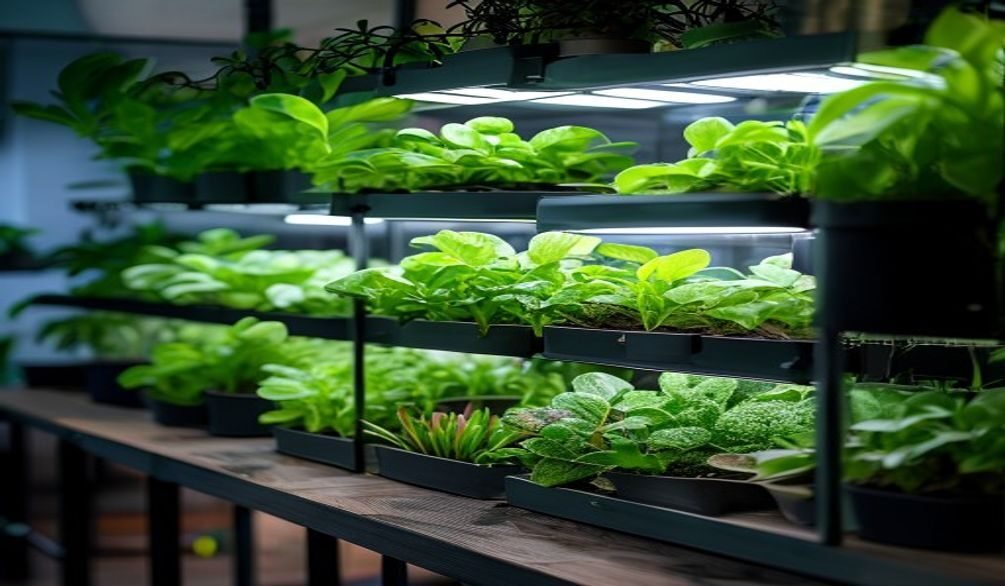
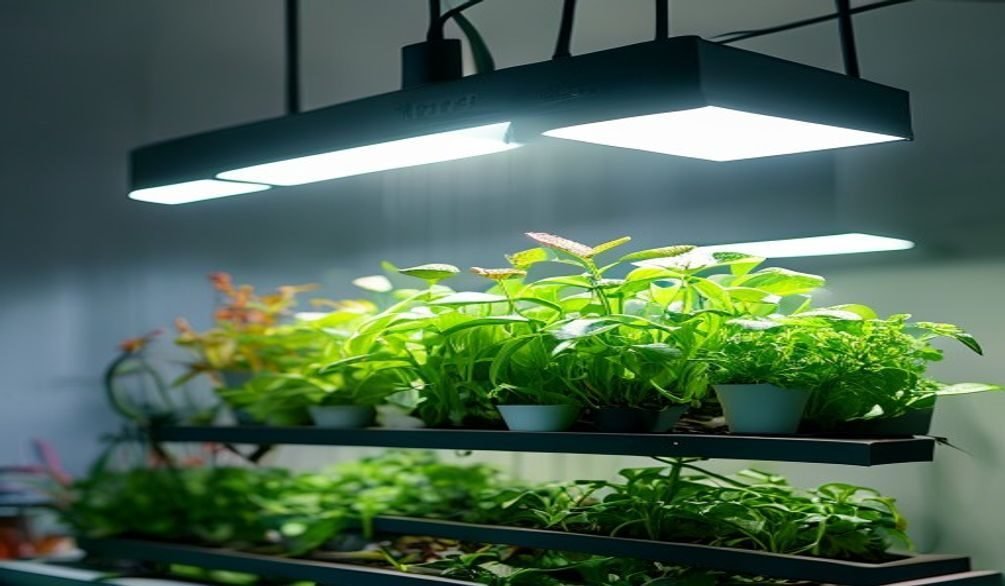
During vegetative growth, plants prioritize developing strong root systems and lush foliage. A blue-heavy light spectrum (4000-6500K) is particularly beneficial during this phase, encouraging compact growth and preventing stretching. Brands like Mars Hydro and Spider Farmer offer full-spectrum LED grow lights that can be adjusted to favor blue light for this stage.
A 24-hour light cycle (24/0) is sometimes used for specific crops like lettuce, but it can be detrimental for many plants by not allowing for crucial dark-cycle processes. In my experience, even leafy greens benefit from a short dark period, as it contributes to overall plant health and resilience.
PPFD for Vegetative Growth
Photosynthetic Photon Flux Density (PPFD) measures the number of photosynthetically active photons that fall on a surface each second. For vegetative growth, optimal PPFD typically ranges from 500-800 µmol/m²/s. Monitoring PPFD for hydroponic plants ensures they receive adequate light without experiencing stress.
You can achieve these PPFD levels by adjusting the distance of your grow lights, such as those from AC Infinity or Kind LED Grow Lights, from the plant canopy. A light meter is an invaluable tool for precise measurement.
What Light Schedule for Hydroponics Flowering?
The most common and effective light schedule for hydroponics flowering is 12 hours of light followed by 12 hours of darkness (12/12). This equal distribution of light and dark periods triggers the reproductive phase in most photoperiod-sensitive plants, signaling them to produce flowers and fruits, according to a 2026 guide on hydroponic grow lights. This schedule is critical for maximizing yields in fruiting crops.
The transition from vegetative to flowering schedules should be consistent and abrupt for best results. Any interruption to the 12-hour dark period can confuse the plant, delaying flowering or even causing it to revert to vegetative growth.
During the flowering stage, a red-heavy light spectrum (2700-3500K) is highly beneficial. This spectrum promotes bud development and fruit ripening, enhancing both quantity and quality of the harvest. Many advanced LED systems, like the Gorilla GXi Series, allow you to adjust spectrum channels for this purpose.
PPFD for Flowering and Fruiting
For flowering plants, the light intensity needs to be significantly higher than during vegetative growth. Optimal PPFD for flowering plants often benefits from 800-1200 µmol/m²/s, as stated in a 2026 guide to hydroponic grow lights. This increased intensity supports the energy demands of flower and fruit production.
Maintaining the correct hydroponic grow light distance is crucial to achieve these PPFD levels without burning the plants. Always consult your light manufacturer’s recommendations and use a light meter.
Crop-Specific Hydroponic Lighting Schedules & DLI Targets
While general guidelines exist, tailoring Hydroponic Lighting Schedules to specific crop needs is paramount for optimizing growth and maximizing yields. Different plants have unique light requirements, which can be quantified by their ideal Daily Light Integral (DLI) targets. For example, lettuce and other leafy greens have different DLI needs than tomatoes or strawberries.
Understanding these crop-specific DLI targets allows you to fine-tune your light intensity (PPFD) and duration (photoperiod) for each plant. This precision helps prevent issues like stretching or light burn and ensures efficient energy use.
Here’s a table outlining common hydroponic crops and their general lighting recommendations:
| Crop Type | Growth Stage | Photoperiod (Hours Light/Dark) | Recommended PPFD (µmol/m²/s) | Target DLI (mol/m²/day) |
|---|---|---|---|---|
| Leafy Greens (Lettuce, Spinach, Kale) | All Stages | 14/10 to 18/6 | 200-400 | 8-14 |
| Herbs (Basil, Mint, Cilantro) | All Stages | 16/8 to 18/6 | 250-500 | 10-18 |
| Fruiting Vegetables (Tomato, Pepper, Cucumber) | Vegetative | 18/6 | 400-600 | 15-22 |
| Fruiting Vegetables (Tomato, Pepper, Cucumber) | Flowering/Fruiting | 12/12 to 16/8 | 600-1000 | 22-36 |
| Strawberries | Vegetative | 16/8 | 300-500 | 15-20 |
| Strawberries | Flowering/Fruiting | 14/10 | 400-700 | 18-28 |
Note: These are general guidelines. Specific varieties may have slightly different requirements.
For example, a hydroponic light schedule for lettuce typically involves 16-18 hours of light at a lower PPFD, whereas a hydroponic light cycle for vegetables like tomatoes in fruiting phase demands higher intensity and a 12/12 cycle. This differentiation is vital for success.
Advanced Hydroponic Lighting Automation & Smart Controllers
Advanced hydroponic lighting automation systems move beyond simple on/off timers, offering dynamic control over intensity, spectrum, and photoperiod to precisely mimic natural conditions and optimize plant growth. These systems integrate smart controllers that can adjust light output throughout the day, providing a more refined environment than basic plug-in timers. Such systems are fundamental to a “Smart Hydroponic Lighting Playbook.”
The key benefit here is the ability to program sophisticated light cycles. Automated hydroponic lighting systems can simulate sunrise and sunset by gradually increasing and decreasing light intensity, reducing plant stress. This smooth transition helps plants acclimate to light changes more effectively.
Brands like AC Infinity offer integrated systems that allow control over their IONFRAME EVO8 LED grow lights, connecting to a central controller like the Controller 69. Mars Hydro’s FC6500 EVO also features app control for adjusting intensity and setting dimming programs.
Integrating Sensors and Software
The next level of automation involves integrating environmental sensors that monitor temperature, humidity, and CO2 levels. Software then uses this data to make real-time adjustments to the lighting schedule and intensity. This data-driven approach ensures plants always receive optimal light based on their immediate needs.
For instance, if the ambient temperature rises, the system might slightly reduce light intensity to prevent heat stress. This dynamic adjustment is far superior to static schedules.
Companies like Kind LED Grow Lights are known for systems with built-in timers and adjustable spectrums, offering comprehensive control over the grow environment. Even smaller systems like AeroGarden offer programmed light cycles, though more advanced setups provide greater customization.
Troubleshooting Light-Related Stress in Hydroponics
Successfully managing Hydroponic Lighting Schedules also means recognizing and addressing signs of light-related stress in your plants. Light stress can manifest as either too much or too little light, both of which can severely hinder plant health and yield. Early detection and correction are crucial for plant recovery.
In my years of gardening, I’ve seen many growers confuse light stress with nutrient deficiencies. The key is to observe the symptoms carefully and consider your current lighting setup.
Here are common symptoms and solutions for light-related stress:
-
Step 1: Understand Light Burn Symptoms
Light burn occurs when plants receive too much light intensity, often characterized by bleaching or yellowing of the upper leaves, sometimes with crispy edges. This happens because the chloroplasts are overwhelmed and damaged. Raising your grow light distance or dimming the intensity of your LED grow lights (e.g., from Spider Farmer or Mars Hydro) can quickly alleviate this.
-
Step 2: Identify Light Deficiency Signs
Insufficient light leads to stunted growth, pale green or yellow leaves, and “stretching” (etiolation), where stems become long and spindly as the plant tries to reach for more light. This indicates a lack of energy for proper development. Lowering your hydroponic grow light distance or increasing light intensity (PPFD for hydroponic plants) can correct this.
-
Step 3: Check for Spectrum Imbalance Issues
An incorrect light spectrum can also cause problems; for example, too much blue light during flowering might inhibit bud development, while insufficient red light can lead to poor fruit set. Adjusting your hydroponic lighting spectrum guide settings to match the plant’s growth stage is vital. Advanced lights from Kind LED Grow Lights allow precise spectrum tuning.
-
Step 4: Monitor for Photoperiod Stress
Inconsistent light cycles, such as interruptions during the dark period for flowering plants, can cause confusion and prevent blooming. Ensure your grow light timers are reliable and that the dark period is completely uninterrupted. Even a brief flash of light can be detrimental.
-
Step 5: Rule Out Nutrient Lockout Mimicry
Sometimes, symptoms like yellowing leaves can appear similar to nutrient deficiencies but are actually caused by light stress, which can impact nutrient uptake. Always evaluate your light conditions before making drastic changes to your nutrient solution. A balanced environment is key to healthy growth.
Optimizing Hydroponic Lighting Schedules for Energy Efficiency
Optimizing hydroponic lighting schedules for energy efficiency is critical for reducing operational costs and improving the sustainability of your indoor garden. Light accounts for a significant portion of electricity use in indoor hydroponics, with studies showing it can be 40-60% of total electricity consumption. Running lights 24 hours instead of 16 hours can increase costs by 50%, highlighting the importance of efficient scheduling.
The goal is to provide plants with the exact amount of light they need, when they need it, without wasting energy. This involves a combination of smart scheduling, efficient lighting technology, and precise control.
Choosing Energy-Efficient Grow Lights
Investing in high-quality LED grow lights is the first step towards energy efficiency. LED grow lights boast a lifespan often exceeding 50,000 hours, significantly longer than traditional grow lights, according to Popular Mechanics (2024). They also convert a higher percentage of electricity into usable light, producing less heat and reducing cooling costs. Brands like Mars Hydro, Spider Farmer, and AC Infinity offer highly efficient LED options.
For example, a 4×4 hydroponic growing area requires 480-800 watts of quality LED lighting for optimal results, depending on crop requirements. This wattage is highly efficient compared to older HPS or MH systems.
Implementing Smart Scheduling and DLI
Rather than simply running lights for fixed durations, focus on meeting the Daily Light Integral (DLI) target for your specific crop. This means you might be able to use a slightly higher intensity (PPFD for hydroponic plants) for a shorter duration, or a lower intensity for a longer duration, to achieve the same DLI. This flexibility allows for energy savings during off-peak electricity hours if available.
Automated hydroponic lighting systems with dimming capabilities, like those offered by Kind LED Grow Lights, allow you to precisely control intensity and duration. This ensures you’re not over-lighting and wasting energy. You can also utilize automated hydroponic lighting systems to mimic natural sunrise/sunset, which is beneficial for plant health and can subtly reduce peak energy consumption.
Frequently Asked Questions
How many hours of light do hydroponic plants need?
Hydroponic plants typically need 12-18 hours of light per day, depending on their growth stage and species. Leafy greens often thrive on 14-18 hours, while flowering plants usually require a 12/12 light-dark cycle, as stated by Soil Free Harvest (2025). This tailored approach maximizes growth efficiency.
Do hydroponic plants need darkness?
Yes, hydroponic plants absolutely need darkness to perform crucial metabolic processes like respiration and nutrient translocation. A consistent dark period, typically 6-12 hours, is vital for overall plant health and to trigger flowering in many species, according to NatureTech USA (2024). Without it, plants can suffer from stress and stunted growth.
What is the best light cycle for vegetative growth hydroponics?
The best light cycle for vegetative growth in hydroponics is generally 18 hours of light and 6 hours of darkness (18/6). This extended light period promotes rapid leaf and stem development, building a strong foundation for future yields. Optimal PPFD for this stage ranges from 500-800 µmol/m²/s.
What light schedule for hydroponics flowering?
For flowering, a 12-hour light and 12-hour darkness (12/12) schedule is most effective for triggering and sustaining the reproductive phase in photoperiod-sensitive plants. This precise light cycle encourages the development of flowers and fruits, ensuring a productive harvest. Optimal PPFD for flowering can reach 800-1200 µmol/m²/s.
Can I use the same light schedule for all plant types?
No, you cannot use the same light schedule for all hydroponic plant types, as different species and growth stages have unique light requirements. For example, leafy greens prefer longer light durations (14-18 hours) than fruiting plants during flowering (12 hours). Tailoring your hydroponic lighting schedules to specific crops is essential for optimal results.
Mastering Hydroponic Lighting Schedules is one of the most impactful ways to elevate your indoor growing success. By understanding the nuances of photoperiod, spectrum, and intensity for each growth stage and crop, you can dramatically improve yields and plant health while minimizing energy consumption. Start by implementing tailored schedules, invest in quality LED grow lights and timers, and consider advanced automation for truly optimized results. Ready to take your hydroponic garden to the next level? Explore different hydroponic system types to find the perfect match for your lighting strategy and cultivation goals.