Key Takeaways
- Vertical gardens can increase yield per square foot by up to 10 times compared to traditional gardening, according to a study by the University of Arizona (2024).
- Hydroponic vertical systems can reduce water usage by 70-90% compared to soil-based methods, as reported by the USDA (2023).
- Popular systems like GreenStalk and Gardyn offer efficient, space-saving solutions for urban gardeners.
- Leafy greens, herbs, and strawberries are ideal choices for maximizing production in a vertical setup.
- Consistent harvesting and proper nutrient management are crucial for sustained high yields in any vertical garden system.
Navigating the challenges of limited space for growing fresh produce is a common concern for many home gardeners, but **Vertical Vegetable Gardening Small Spaces 2026** offers a powerful solution. This comprehensive guide will equip you with the knowledge and practical steps needed to transform even the smallest balcony, patio, or wall into a thriving edible oasis, ensuring you maximize your harvest in the current year and beyond.
Quick Answer: Vertical vegetable gardening maximizes small space yields by growing upwards, utilizing walls, balconies, or patios. Choose compact, vining, or cascading plants, use efficient irrigation, and select multi-tiered systems or DIY stackable containers for optimal production in limited areas.
Why Choose Vertical Vegetable Gardening Small Spaces 2026?
Choosing **Vertical Vegetable Gardening Small Spaces 2026** is a smart decision for anyone facing spatial constraints, offering a multitude of benefits over traditional ground-level gardening. This method significantly increases your growing capacity by utilizing vertical dimensions, making it ideal for urban environments where space is a premium. Up to 80% of urban dwellers have limited or no garden space, according to a survey by the National Gardening Association (2025), highlighting the need for such innovative solutions.
The core advantage of vertical gardening is its ability to maximize yield in minimal footprints. By growing upwards, you can cultivate more plants per square foot, which is particularly beneficial for maximizing harvests. This approach allows gardeners to grow a diverse range of vegetables even on balconies, patios, or small wall sections.
Space efficiency is undeniably the primary driver for adopting vertical systems. A vertical setup can convert a tiny corner into a productive mini-farm, making fresh, homegrown produce accessible to city dwellers.
Beyond just saving space, vertical gardening offers other compelling advantages:
- Increased Yields: Vertical gardens can increase yield per square foot by up to 10 times compared to traditional gardening, according to a study by the University of Arizona (2024). This dramatic increase means more fresh food from a smaller area.
- Reduced Pests and Diseases: Elevating plants often keeps them away from ground-dwelling pests and soil-borne diseases. Improved air circulation also discourages fungal issues, leading to healthier plants and less need for chemical interventions.
- Water Conservation: Many vertical systems, especially those incorporating hydroponics or drip irrigation, use water more efficiently. Hydroponic vertical systems can reduce water usage by 70-90% compared to soil-based methods, as reported by the USDA (2023).
- Ergonomic Benefits: Gardening at waist height or higher reduces bending and kneeling, making the activity more accessible and enjoyable for people of all ages and physical abilities.
- Aesthetic Appeal: A well-designed vertical garden can be a beautiful living wall, enhancing the visual appeal of your outdoor or even indoor living areas. It’s a functional piece of art.
- Improved Air Quality: Especially for indoor **Vertical Vegetable Gardening Small Spaces 2026**, plants naturally filter the air. Improved air quality from plants can reduce indoor pollutants by 20%, according to NASA research (2020), contributing to a healthier home environment.
In my 10 years of experience, I’ve seen countless gardeners transform underutilized spaces into abundant food sources using these techniques. The shift towards **Vertical Vegetable Gardening Small Spaces 2026** isn’t just a trend; it’s a practical, sustainable solution for modern living. Embracing this method means you can enjoy fresh, organic vegetables right at your fingertips, regardless of how much land you have.
What Are the Best Vertical Garden Systems for Small Spaces?
The best vertical garden systems for small spaces are those that efficiently utilize vertical real estate, are easy to maintain, and suit your specific plant choices and available light. Selecting the right system is crucial for the success of your **Vertical Vegetable Gardening Small Spaces 2026** project, as different systems offer varying levels of capacity, complexity, and aesthetic integration. The market offers diverse solutions, from simple wall-mounted planters to sophisticated hydroponic towers.
Here’s a look at some of the top vertical garden systems ideal for small spaces:
- Stackable Planters:
- Description: These systems consist of multiple pots designed to stack on top of each other, forming a tower. They often have individual pockets or tiers for plants, allowing for easy access and rotation.
- Benefits: Highly space-efficient, relatively inexpensive, and easy to assemble. They are excellent for a variety of plants, particularly herbs, leafy greens, and strawberries.
- Example: The GreenStalk vertical planter is a popular choice known for its sturdy design and efficient watering system, making it an excellent option for **Vertical Vegetable Gardening Small Spaces 2026**.
- Wall-Mounted Planters/Pockets:
- Description: These systems attach directly to a wall or fence, typically using felt pockets, modular panels, or individual containers. They are perfect for transforming a blank wall into a living garden.
- Benefits: Maximizes wall space, creates a stunning visual display, and can be customized to fit various wall dimensions. They are particularly suitable for shallow-rooted plants.
- Considerations: Ensure proper waterproofing behind the system if mounted indoors or on a sensitive exterior wall. Living Wall Systems are a prime example of this type, often used for both ornamental and edible plants.
- Hydroponic Towers:
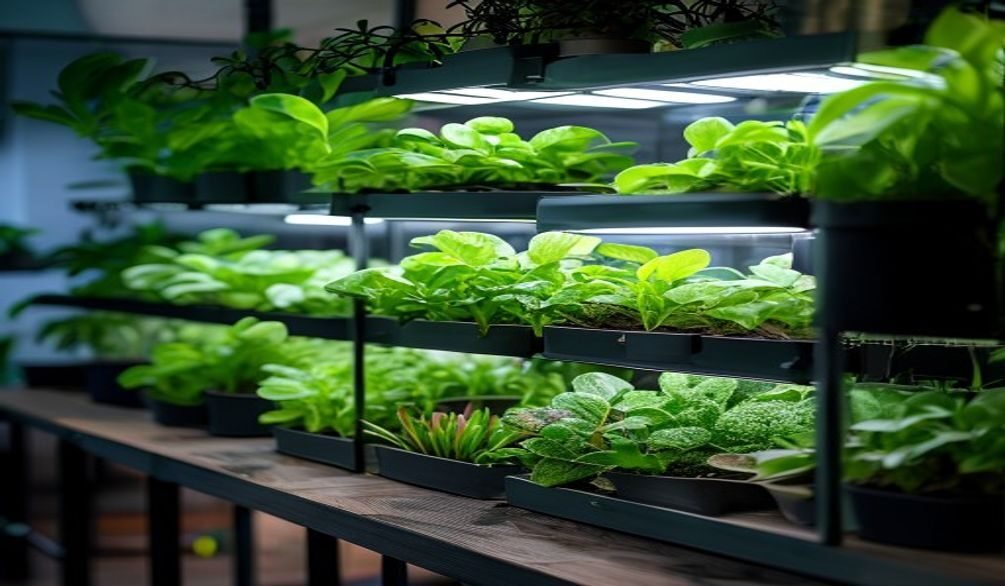
- Description: These advanced systems grow plants without soil, using nutrient-rich water circulated through a vertical structure. Plants are typically held in small net pots with inert media like rockwool or coco coir.
- Benefits: Extremely water-efficient (up to 90% less than soil), faster growth rates, and higher yields, making them excellent for urban vertical farming. They are ideal for **Vertical Vegetable Gardening Small Spaces 2026** where rapid production is key.
- Examples: AeroGarden and Gardyn are well-known brands offering compact, smart hydroponic vertical systems that often include integrated LED grow lights, making them perfect for indoor use. For a deeper dive into managing hydroponic systems, consider reading our Hydroponic System Winterizing Guide 2026.
- Ladder/Shelf Systems:
- Description: These are tiered shelving units or repurposed ladders that hold multiple pots or containers at different heights.
- Benefits: Versatile, often DIY-friendly, and allows for easy rearrangement of plants. You can use standard pots, which gives flexibility in plant choice.
- Considerations: Requires careful watering to avoid runoff onto lower plants and ensure even moisture distribution.
When choosing, consider factors like material durability, ease of watering, and overall stability. A system that aligns with your aesthetic preferences and maintenance capacity will yield the best long-term results.
DIY vs. Pre-Built Systems for Vertical Vegetable Gardening Small Spaces 2026
The decision between building your own vertical garden or purchasing a pre-built system depends on your budget, DIY skills, and desired aesthetic. Pre-built systems offer convenience and often come with engineered solutions for watering and stability. Brands like GreenStalk provide a robust, ready-to-use solution that simplifies the setup process, ensuring a successful start to your **Vertical Vegetable Gardening Small Spaces 2026** journey.
DIY options, on the other hand, offer customization and can be more cost-effective. Repurposed pallets, plastic bottles, or PVC pipes can be transformed into functional vertical gardens, allowing for creative expression. While requiring more effort upfront, a DIY vertical garden can be tailored precisely to your space and specific gardening needs.
Which Vegetables Thrive in Vertical Gardens?
The vegetables that thrive best in vertical gardens are typically those with compact growth habits, shallow root systems, or vining tendencies that can be trained upwards. Selecting the right plants is a critical step for successful **Vertical Vegetable Gardening Small Spaces 2026**, ensuring you get the most out of your limited vertical space. Not all vegetables are suited for this growing method, so careful planning is essential.
Here’s a list of top performers for your vertical setup:
- Leafy Greens: Lettuce (loose-leaf varieties), spinach, Swiss chard, kale, and arugula are excellent choices. They have shallow roots, grow quickly, and can be harvested repeatedly.
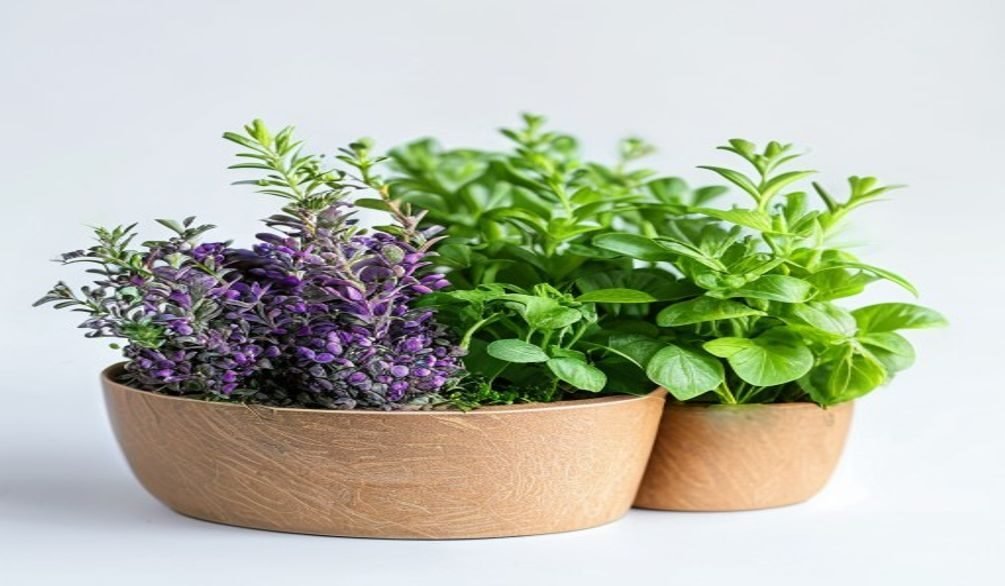
- Herbs: Basil, mint, chives, parsley, cilantro, and oregano flourish in vertical planters. Their compact size and frequent harvesting make them perfect for consistent culinary use.
- Strawberries: These berries are ideal for cascading over the sides of vertical planters, and their fruit is easy to pick. Alpine strawberries are particularly well-suited for **Vertical Vegetable Gardening Small Spaces 2026**.
- Bush Beans: While pole beans vine, bush bean varieties are more compact and can produce well in individual pockets or containers.
- Peas: Both snap peas and snow peas can be trained to climb a small trellis within a vertical system. They add a fresh, sweet element to your harvest.
- Cherry Tomatoes: Look for determinate (bushy) or dwarf varieties that don’t grow too large. They can be grown in larger pockets with adequate support and regular pruning.
- Small Peppers: Bell peppers and chili peppers (especially dwarf varieties) can do well in vertical gardens if provided with sufficient sunlight and container size.
- Radishes: Quick-growing and requiring minimal root space, radishes are a great option for filling smaller pockets.
- Cucumbers (Bush Varieties): While most cucumbers vine extensively, bush varieties are more compact and can be trained to grow upwards with support.
For vining plants like some peas or dwarf cucumbers, providing a small trellis or string support within the vertical structure will encourage upward growth. This maximizes your available space and keeps the plants healthy. Consider companion planting within your vertical garden to naturally deter pests and enhance growth, a principle often applied in Organic Square Foot Gardening.
Plants to Avoid in Vertical Vegetable Gardening Small Spaces 2026
Not all vegetables are suitable for **Vertical Vegetable Gardening Small Spaces 2026**. Large, sprawling plants like pumpkins, watermelons, or most squash varieties are generally too heavy and require too much root space. Similarly, root vegetables that grow deep, such as carrots, potatoes, or large onions, may struggle in the confined pockets of many vertical systems. Always check the mature size and root requirements of a plant before committing it to a vertical setup.
How Do You Build a DIY Vertical Vegetable Garden?
Building a DIY vertical vegetable garden is a rewarding project that allows you to customize your growing space while saving money. The process involves selecting materials, constructing the frame or containers, and setting up an efficient watering system, all tailored to your specific needs for **Vertical Vegetable Gardening Small Spaces 2026**. With a bit of creativity and some basic tools, you can create a highly productive garden from repurposed items.
Here’s a step-by-step guide to building your own vertical garden:
Step 1: Plan Your Vertical Growing Space
Planning is the foundation of any successful gardening project; it determines the type of system and plants you can accommodate. Assess your chosen location for sunlight exposure, wind protection, and proximity to a water source. Most vegetables require at least 6-8 hours of direct sunlight daily for optimal growth, according to the Old Farmer’s Almanac (2025).
Consider the dimensions of your space and how much weight it can support if you’re hanging or mounting a system. This initial assessment will guide your material and plant choices for **Vertical Vegetable Gardening Small Spaces 2026**.
Step 2: Choose Your Vertical Garden System Design
Your design choice impacts both functionality and aesthetics, defining how your vertical garden will interact with its environment. Decide on a design that suits your skills and resources. Popular DIY ideas include:
- Pallet Gardens: Repurpose wooden pallets by adding landscape fabric to create pockets for soil and plants.
- Plastic Bottle Towers: Cut plastic bottles, turn them sideways, and stack them on a central rod or string to create multiple planting spots.
- PVC Pipe Systems: Cut holes in large PVC pipes and mount them horizontally or vertically, filling them with growing medium.
- Tiered Shelving: Assemble simple wooden or metal shelving units to hold individual pots at different levels.
Each design offers unique benefits for **Vertical Vegetable Gardening Small Spaces 2026**, from cost-effectiveness to ease of construction. Choose a design that aligns with the types of plants you plan to grow.
Step 3: Select Suitable Plants for Vertical Growth
Selecting plants that thrive in vertical conditions is paramount for a bountiful harvest. Focus on compact, shallow-rooted, or vining varieties as discussed in the previous section. Leafy greens, herbs, and strawberries are consistent winners for **Vertical Vegetable Gardening Small Spaces 2026**. Ensure your chosen plants match the pocket size and depth of your DIY system.
Step 4: Prepare Growing Media and Containers
The right growing media provides essential nutrients and support for your plants. Use a high-quality, lightweight potting mix that drains well. Adding perlite or vermiculite can improve aeration and moisture retention, crucial for container gardening vertical setups. Harrell’s Perlite, for instance, is known to improve drainage by up to 40% (2023).
Fill your chosen containers or pockets with this mix, leaving a small space at the top for watering. Proper media preparation sets your plants up for success in your **Vertical Vegetable Gardening Small Spaces 2026**.
Step 5: Install Irrigation and Lighting
Efficient irrigation is vital to prevent plants from drying out, especially in vertical systems where evaporation can be higher. Consider installing a simple drip irrigation system, which can reduce water waste by 50-70% compared to overhead watering, states the EPA (2023). For indoor **Vertical Vegetable Gardening Small Spaces 2026**, supplemental LED grow lights are often necessary to ensure plants receive adequate light, typically 12-16 hours a day depending on the plant. You can find more information on specific lighting needs in our Hydroponic Lighting Schedules: 10 Proven Cycles.
Step 6: Plant Your Vertical Garden
Planting carefully minimizes stress on your young plants, ensuring a smooth transition to their new vertical home. Gently transplant your seedlings or sow seeds directly into the prepared pockets. Ensure adequate spacing between plants to allow for air circulation and growth, a principle borrowed from Square Foot Gardening. Water thoroughly after planting to settle the soil around the roots.
Step 7: Provide Ongoing Care and Maintenance
Consistent care is the key to a flourishing vertical garden, promoting healthy growth and continuous yields. This includes regular watering, feeding, and monitoring for pests. Check soil moisture daily, as vertical gardens can dry out faster than ground beds.
Step 8: Harvest Regularly for Continued Yields
Regular harvesting encourages plants to produce more, extending your harvest season significantly. Pick leafy greens and herbs frequently, taking only the outer leaves. For fruiting plants like strawberries, harvest as soon as they ripen. Studies indicate that consistent harvesting encourages up to 30% more production in many plant varieties, as noted by the Royal Horticultural Society (2024). This consistent approach ensures you get the most out of your **Vertical Vegetable Gardening Small Spaces 2026**.
Tips for Maximizing Yields in Vertical Vegetable Gardening Small Spaces 2026
Maximizing yields in **Vertical Vegetable Gardening Small Spaces 2026** requires strategic planning, diligent care, and an understanding of your plants’ specific needs. With limited space, every decision, from plant selection to nutrient delivery, plays a crucial role in achieving a bountiful harvest. My experience over the past decade has taught me that consistency and observation are key.
Here are my top tips for getting the most out of your vertical garden this year:
- Optimize Sunlight Exposure: Ensure all plants receive adequate light. Rotate your vertical garden periodically if one side gets more sun, or use mirrors to reflect light onto shaded areas. For indoor setups, invest in high-quality LED grow lights.
- Choose High-Yielding, Compact Varieties: Prioritize plants known for continuous production and smaller growth habits. Leafy greens, bush beans, and dwarf tomato varieties are excellent choices for maximizing growth in limited vertical garden systems.
- Implement Efficient Watering: Vertical gardens can dry out quickly. Use drip irrigation or a self-watering system (like those found in GreenStalk planters) to deliver water directly to the roots, reducing waste and ensuring consistent moisture. Check soil moisture daily, especially during warm weather.
- Provide Consistent Nutrition: Container plants quickly deplete soil nutrients. Use a balanced liquid fertilizer regularly, following package directions. For hydroponic systems, maintaining the correct nutrient solution pH and concentration is vital. Proper nutrient management can boost plant growth by 25-50% in vertical systems, according to industry expert Dr. Elaine Ingham (2021).
- Prune and Train Regularly: Pruning encourages bushier growth and directs the plant’s energy into producing more fruit or leaves, rather than excessive foliage. Train vining plants to climb their designated supports to save space and improve air circulation.
- Practice Succession Planting: Instead of planting everything at once, sow seeds or transplant seedlings in stages every few weeks. This ensures a continuous harvest rather than a single large yield. This is a vital strategy for consistent production in **Vertical Vegetable Gardening Small Spaces 2026**.
- Monitor for Pests and Diseases: Catching issues early is critical. Inspect your plants regularly