Key Takeaways
- Over 55% of American households participate in gardening, according to research by Scotts Miracle-Gro and Wakefield (2025).
- Healthy soil is the foundation of a productive garden, providing essential nutrients, proper drainage, and the right balance of air and moisture for plant roots, as stated by UGA Extension horticulturist Bob Westerfield.
- 63.6% of gardeners plan to expand their gardens in 2026, according to Axiom’s 2026 Gardening Outlook Study (2025).
- Most vegetables thrive in soil with a pH between 6.0 and 7.0, according to the University of Georgia Cooperative Extension (2025).
- Amending soil with organic matter can improve water retention by 20-30% in sandy soils, according to the National Agricultural Library (2024).
Embarking on your gardening journey can be incredibly rewarding, and mastering **Garden Bed Preparation for Beginners** is the crucial first step to ensuring your plants thrive from day one. Many aspiring gardeners face challenges due to overlooked initial groundwork, but by following proven steps, you can create a robust foundation for a flourishing garden. This guide will walk you through the essential stages of preparing a new garden bed, ensuring you’re equipped for success in 2026 and beyond.
Quick Answer: To prepare a garden bed for beginners, start by choosing a sunny spot and clearing debris. Test your soil’s pH and nutrient levels, then amend it with 2-4 inches of organic matter like compost to improve structure and fertility for strong plant growth.
Why is Garden Bed Preparation Critical for 2026 Success?
Thorough **Garden Bed Preparation for Beginners** is critical for 2026 success because it lays the foundation for healthy plant growth, directly impacting yield and plant resilience. Healthy soil, the cornerstone of any productive garden, provides essential nutrients, proper drainage, and the right balance of air and moisture for plant roots, as explained by UGA Extension consumer horticulturist Bob Westerfield. Without proper preparation, plants can suffer from nutrient deficiencies, waterlogging, or compaction, leading to stunted growth or disease.
Investing time in initial garden bed preparation can significantly reduce problems later in the season. For instance, soil amendment for gardens ensures that your plants have access to the nutrients they need, reducing the reliance on chemical fertilizers. Axiom’s 2026 Gardening Outlook Study (2025) reported that 63.6% of gardeners plan to expand their gardens in 2026, highlighting a growing interest in successful cultivation.
Proper **Garden Bed Preparation for Beginners** also helps manage weeds more effectively from the start. Clearing the area thoroughly and enriching the soil allows your desired plants to establish strong root systems, outcompeting unwanted invaders. This proactive approach saves countless hours of weeding later on.
What is the First Step in Preparing a Garden Bed for Beginners?
The very first step in **Garden Bed Preparation for Beginners** is **site selection and planning**, which involves choosing the ideal location for your garden based on sunlight, water access, and existing conditions. This initial decision is paramount because it dictates what you can successfully grow and how much effort will be required to maintain your garden. Most vegetables and flowering plants require at least 6-8 hours of direct sunlight daily for optimal growth, according to the University of Minnesota Extension (2025).
Once you’ve identified a sunny spot, consider the proximity to a water source. Dragging hoses across your yard can become a tiresome chore, so easy access to irrigation is a significant advantage. This thoughtful site selection garden approach simplifies ongoing care and contributes to the overall success of your gardening endeavors.
Next, you need to visualize your garden bed. Decide on its size and shape, considering both your available space and how much you realistically want to manage. A well-planned layout for **Garden Bed Preparation for Beginners** can prevent overcrowding and ensure efficient use of space.
Consider Raised Beds vs. In-Ground Beds
When planning, beginners often weigh the pros and cons of raised garden beds versus in-ground beds. Raised beds, such as those from Vego Garden, offer excellent drainage and allow for precise control over soil composition, making them an attractive option for new gardeners. They also reduce soil compaction and can extend the growing season.
In-ground beds, while requiring more initial soil work, are often more budget-friendly. They connect directly to the earth, allowing for deeper root growth and potentially less frequent watering once established. The choice between the two impacts your initial **Garden Bed Preparation for Beginners** significantly.
How Do You Prepare a New Garden Bed for the First Time in 2026?
To prepare a new garden bed for the first time in 2026, you should follow a systematic approach that includes site clearing, soil testing, and significant amendment with organic matter to build a fertile and well-draining environment. This comprehensive process ensures your soil is ready to support robust plant life, preventing common beginner issues. As Bob Westerfield of UGA Extension states, healthy soil is the foundation of a productive garden, providing essential nutrients, proper drainage, and the right balance of air and moisture for plant roots.
My 10 years of experience in horticulture have shown that skipping any of these steps can lead to disappointing results. Effective **Garden Bed Preparation for Beginners** involves understanding your specific soil conditions and tailoring your approach. This includes proper no-dig garden preparation methods to preserve soil structure.
Step 1: Select Your Site and Plan
The first action for **Garden Bed Preparation for Beginners** is to select a location that receives ample sunlight, ideally 6-8 hours daily, and is easily accessible for watering and tending. Visualize the bed’s dimensions and consider whether a raised bed or in-ground option suits your needs. This initial planning saves time and effort in the long run.
Step 2: Clear the Area of Debris
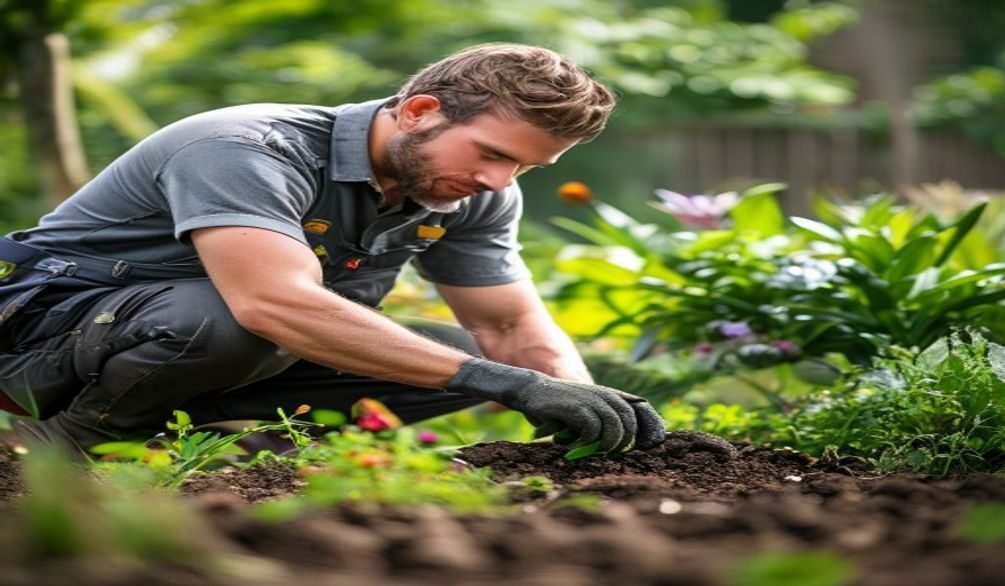
Next, meticulously remove all weeds, grass, rocks, and any other debris from your chosen garden site. This step is crucial for **Garden Bed Preparation for Beginners** to prevent competition for nutrients and water once your plants are in place. Use a sturdy garden fork or spade, like a Hooyman Digging Shovel, to loosen the soil and make removal easier.
For persistent weeds, consider using the “smothering” technique with cardboard, which is a great no-dig garden preparation strategy. Laying down a layer of cardboard suppresses weeds naturally over time, and it will eventually decompose, adding organic matter. This method is especially beneficial for organic garden bed preparation steps.
Step 3: Test and Amend Your Soil
The third critical step in **Garden Bed Preparation for Beginners** is to test your soil’s pH and nutrient levels to understand its current composition and identify any deficiencies. Soil testing kits are readily available at garden centers and provide valuable insights into what amendments are needed. Most vegetables thrive in slightly acidic soil with a pH between 6.0 and 7.0, according to the University of Georgia Cooperative Extension (2025).
Armed with your soil test results, you can then amend the soil to meet your plants’ specific requirements. This might involve adding lime to raise pH or sulfur to lower it. Soil amendment for gardens is key to unlocking your garden’s potential.
Step 4: Incorporate Organic Matter
After testing, generously incorporate 2-4 inches of high-quality organic matter into the top 6-12 inches of your garden bed. This is arguably the most impactful part of **Garden Bed Preparation for Beginners**, as organic matter improves soil structure, drainage, and water retention. Excellent choices include compost for beginners, aged manure like Black Kow, or leaf mold.
Organic matter acts like a sponge, helping sandy soils retain moisture and clay soils drain better. Studies show that adding compost can increase soil water-holding capacity by 20-30% in sandy soils, according to the National Agricultural Library (2024). This creates an ideal environment for root development and nutrient absorption.
Step 5: Shape and Refine the Bed
Once amendments are thoroughly mixed, shape your garden bed, creating slightly mounded rows or a flat surface depending on your planting plan. This refinement is an important part of **Garden Bed Preparation for Beginners** for aesthetic appeal and functional drainage. Ensure the edges are well-defined, whether using borders or simply creating a neat mound.
Step 6: Water Thoroughly Before Planting
Finally, after shaping, water the prepared garden bed deeply and thoroughly, allowing the moisture to penetrate throughout the amended soil. This settles the soil, eliminates air pockets, and kickstarts microbial activity, preparing it perfectly for planting. Adequate moisture is crucial for the establishment of new plants.
What Should I Put in the Bottom of a New Garden Bed?
For a new garden bed, especially a raised bed, you should prioritize materials that promote drainage, discourage weeds, and eventually decompose to enrich the soil, such as cardboard, untreated wood, or a layer of coarse organic matter. The goal for **Garden Bed Preparation for Beginners** is to create a healthy foundation without adding anything that could harm your plants or compact the soil. Placing a layer of cardboard at the bottom of a new garden bed can effectively suppress weeds and grass, according to Texas A&M AgriLife Extension Service (2025).
Avoid putting materials like gravel or rocks directly at the bottom of a garden bed, as this can create a “perched water table” effect, hindering drainage rather than improving it. Instead, focus on permeable layers that facilitate water movement and nutrient cycling. This approach supports optimal garden bed drainage from the very start.
Here’s a breakdown of ideal bottom layers for **Garden Bed Preparation for Beginners**:
* **Cardboard:** A layer of untreated cardboard (remove all tape and labels) is excellent for smothering existing weeds and grass. It will eventually break down, adding carbon to the soil. This is a staple for no-dig garden bed preparation for beginners.
* **Twigs and Small Branches (Hugelkulter-style):** In deeper raised beds, a layer of small, decaying wood can create air pockets for drainage and slowly release nutrients as it breaks down over time. This mimics natural forest floor processes.
* **Leaves and Straw:** These organic materials contribute to future soil fertility and help build up the bed’s volume. They will compress over time, so ensure you have enough topsoil to compensate.
* **Inverted Sod:** If you’re converting a grassy area, you can dig up the sod and place it upside down at the bottom of your new bed. The grass will decompose, adding valuable organic matter.
How Do I Prepare My Soil for Planting Vegetables in 2026?
To prepare your soil for planting vegetables in 2026, you must focus on achieving optimal soil structure, nutrient balance, and pH levels, primarily through thorough soil testing and the generous incorporation of organic matter. This meticulous approach to **Garden Bed Preparation for Beginners** ensures that your vegetables have the best possible environment to thrive. As University of Missouri Extension horticulturist David Trinklein advises, working spring soil too soon after melting snow or rains can easily damage and compact it, highlighting the importance of proper timing and technique.
The key to successful vegetable garden soil prep is understanding that vegetables are often heavy feeders and require nutrient-rich, well-draining soil. This is where organic matter for garden beds becomes indispensable, improving both drainage and water retention. For instance, brands like Coast of Maine offer excellent organic mixes for raised beds, ensuring a strong start.
Here’s a detailed guide to preparing your soil for vegetables:
| Step for Soil Prep | Description & Importance for Garden Bed Preparation for Beginners | Recommended Materials/Actions |
|---|---|---|
| 1. Assess Your Soil’s Texture | Understand if your soil is sandy, clay, or loamy. This dictates how it retains water and nutrients, which is crucial for vegetable garden soil prep. | Perform a simple jar test: mix soil with water, let it settle, and observe layers. |
| 2. Conduct a Soil Test | A soil test provides precise data on pH, nitrogen, phosphorus, and potassium levels. This is the most scientific approach for **Garden Bed Preparation for Beginners**. | Purchase a home soil test kit or send a sample to your local extension office (e.g., University of Georgia Cooperative Extension). |
| 3. Adjust Soil pH | Most vegetables prefer a slightly acidic to neutral pH (6.0-7.0). Correcting pH allows plants to absorb nutrients effectively. | Add lime (calcium carbonate) to raise pH or elemental sulfur to lower pH, based on soil test recommendations. |
| 4. Incorporate Organic Matter | This is the single most important step. Organic matter improves soil structure, aeration, drainage, water retention, and provides slow-release nutrients, making it ideal for the best soil for new garden bed. | Mix in 2-4 inches of well-rotted compost (like Blue Ribbon Organics Compost or Black Kow cow manure), aged leaf mold, or other organic amendments into the top 6-12 inches of soil. |
| 5. Loosen Compacted Soil | Compacted soil restricts root growth and drainage. Loosening it creates a hospitable environment for vegetable roots. | Use a broadfork or garden fork to gently aerate the soil without completely inverting it, especially important for no-dig garden preparation. Avoid tilling when soil is wet, as David Trinklein advises. |
| 6. Add Specific Amendments (if needed) | Based on your soil test, you might need to add specific nutrients or minerals. | Bone meal for phosphorus, blood meal for nitrogen, greensand for potassium, or rock phosphate for slow-release phosphorus. |
This comprehensive approach to **Garden Bed Preparation for Beginners** ensures that the soil pH for vegetables is optimal, and all essential nutrients are available, setting the stage for a thriving harvest in 2026.
Budget-Friendly Garden Bed Preparation Tips for 2026
Preparing a garden bed doesn’t have to break the bank, and there are many budget-friendly tips for **Garden Bed Preparation for Beginners** that focus on utilizing free or inexpensive resources to create a fertile growing space. “Money/budget” was cited as the #1 barrier to gardening more in 2025 by 33.5% of respondents in the Axiom Market Insights 2025 New and Novice Gardener Survey (2025), underscoring the importance of cost-effective strategies. By being resourceful, you can achieve excellent results without significant financial outlay.
The key is to think sustainably and look for materials that can be repurposed or acquired locally at low cost. This approach not only saves money but also often leads to more environmentally friendly gardening practices. Effective **Garden Bed Preparation for Beginners** can be done with minimal investment.
Here are some smart, budget-friendly tips for your 2026 garden:
* **Utilize Free Organic Matter:** Instead of buying bags of compost, start your own compost pile using kitchen scraps, yard waste, and shredded leaves. Many municipalities also offer free compost or wood chips to residents.
* **Cardboard for Weed Suppression:** As mentioned, untreated cardboard is a fantastic, free resource for smothering weeds and grass in new beds. It’s a cornerstone of no-dig garden bed preparation for beginners.
* **DIY Raised Beds:** Instead of purchasing expensive kits, build your own raised garden beds using salvaged lumber (ensure it’s untreated), cinder blocks, or even large, repurposed tires.
* **Soil Test Kits:** While not free, a basic soil test kit is a small investment that prevents costly over-amendment later. Knowing what your soil truly needs saves money on unnecessary fertilizers.
* **Community Resources:** Check with local gardening clubs, community gardens, or even social media groups. Gardeners often share excess compost, seeds, or even tools.
* **Forage for Materials:** Collect fallen leaves in the autumn to create leaf mold, an excellent soil amendment. Collect grass clippings (ensure they haven’t been treated with herbicides) to use as mulch or for composting.
* **Borrow or Rent Tools:** For larger tasks like breaking new ground, borrow tools from friends or neighbors, or rent them for a day instead of buying expensive equipment you might only use once.
* **Start Small:** Don’t feel pressured to create a massive garden bed initially. Start with a small, manageable area. This reduces the initial cost of soil amendments and materials, making **Garden Bed Preparation for Beginners** more accessible.
Common Beginner Mistakes to Avoid in Garden Bed Preparation
When undertaking **Garden Bed Preparation for Beginners**, it’s easy to fall into common pitfalls that can hinder your garden’s success, but by being aware of these mistakes, you can proactively avoid them. Many beginners, eager to plant, rush the preparation process, which often leads to long-term problems. One of the most critical errors is working wet soil, which can easily be damaged and compacted, as advised by University of Missouri Extension horticulturist David Trinklein.
Avoiding these common mistakes ensures that your initial efforts create a robust and sustainable growing environment. Proper **Garden Bed Preparation for Beginners** means taking your time and understanding the needs of your soil and plants.
Here are some common beginner mistakes and how to avoid them:
* **Working Wet Soil:**
* **Mistake:** Tilling or digging in soil that is too wet leads to compaction and destroys soil structure, creating hard clods that are difficult for roots to penetrate. David Trinklein recommends the “old baseball test”: if a soil lump leaves an imprint of your hand when smashed, it’s too wet.
* **Avoid:** Wait until the soil is crumbly and easily worked. If it sticks to your tools, it’s too wet.
* **Skipping Soil Testing:**
* **Mistake:** Guessing your soil’s pH and nutrient levels can lead to applying the wrong amendments or too much of a good thing, wasting money and potentially harming plants.
* **Avoid:** Always perform a soil test. It’s an inexpensive step for **Garden Bed Preparation for Beginners** that provides invaluable data.
* **Insufficient Weed Removal:**
* **Mistake:** Leaving dormant weed seeds or roots in the bed means you’ll be battling weeds all season long, competing with your plants for resources.
* **Avoid:** Be thorough! Clear the area completely, consider solarization, or use the cardboard no-dig method for effective weed suppression.
* **Not Adding Enough Organic Matter:**
* **Mistake:** Relying solely on existing soil, especially poor quality soil, without adding substantial organic matter results in nutrient-deficient, poorly draining, or overly compact conditions.
* **Avoid:** Incorporate 2-4 inches of high-quality compost or aged manure. This is crucial for creating the best soil for new garden bed.
* **Ignoring Drainage:**
* **Mistake:** Planting in an area with poor drainage leads to waterlogged roots, which can cause root rot and plant death.
* **Avoid:** Observe how water drains in your chosen spot. If it pools, consider raised beds or amending with significant amounts of organic matter to improve garden bed drainage.
* **Over-fertilizing:**
* **Mistake:** Assuming more fertilizer equals better growth, especially when starting. Excess nitrogen can lead to lush foliage but no fruit, or worse, burn your plants.
* **Avoid:** Base fertilizer application on soil test results and use organic amendments that release nutrients slowly, which is ideal for organic garden bed preparation steps.
* **Planting Too Soon:**
* **Mistake:** Rushing to plant before the soil is properly prepared and settled can shock young plants and hinder their establishment.
* **Avoid:** Give your newly prepared bed a week or two to settle and for amendments to integrate. Water it thoroughly before planting.
Maintaining Long-Term Soil Health for Your 2026 Garden
Maintaining long-term soil health for your 2026 garden is an ongoing commitment that extends well beyond the initial **Garden Bed Preparation for Beginners**, focusing on sustainable practices that enrich the soil year after year. A healthy soil ecosystem is a living one, and continuous care ensures its vitality, which in turn leads to more productive and resilient plants. As Carson Arthur, a landscape designer, emphasizes, “Anyone can grow food, as long as you know what the food needs to grow. If you can make the food happy, it will happily grow.”
By adopting practices that nurture the soil, you reduce the need for external inputs like chemical fertilizers and pesticides, creating a more sustainable and low-maintenance garden. This proactive approach to **Garden Bed Preparation for Beginners** sets the stage for enduring success.
Here are key strategies for maintaining vibrant soil health:
* **Continuous Organic Matter Addition:**
* Regularly top-dress your garden beds with 1-2 inches of compost or other organic matter each spring or fall. This replenishes nutrients and improves soil structure.
* This ongoing amendment is vital for maintaining the best soil for new garden bed over time.
* **Mulching:**
* Apply a 2-4 inch layer of organic mulch (straw, shredded leaves, wood chips) around your plants. Mulch conserves soil moisture, suppresses weeds, regulates soil temperature, and slowly adds organic matter as it decomposes.
* This is an excellent strategy for spring garden bed prep and throughout the growing season.
* **No-Till or Minimal Tillage:**
* Avoid excessive digging or tilling, which disrupts the soil’s delicate structure and harms beneficial microorganisms. Embrace no-dig garden preparation for beginners.
* Instead, use a broadfork or simply amend the top layer of soil with compost.
* **Cover Cropping:**
* Plant cover crops (like clover, vetch, or rye) in empty garden beds during the off-season. These plants protect the soil from erosion, add organic matter, suppress weeds, and can fix nitrogen.
* This is an advanced but highly beneficial practice for organic garden bed preparation steps.
* **Crop Rotation:**
* Rotate your crops each year to prevent nutrient depletion and reduce the buildup of specific pests and diseases in the soil.
* For example, don’t plant tomatoes in the same spot year after year.
* **Avoid Chemical Fertilizers and Pesticides:**
* These can harm beneficial soil organisms and disrupt the natural balance of your soil ecosystem.
* Focus on building soil health naturally through organic matter. Scotts Miracle-Gro, a leading gardening brand, also emphasizes sustainable practices for long-term garden vitality.
* **Water Wisely:**
* Deep, infrequent watering encourages deeper root growth and promotes a healthier soil profile compared to frequent, shallow watering.
* Good garden bed drainage, established during initial preparation, aids in effective watering.
By integrating these practices into your routine, you’ll ensure your garden soil remains fertile and productive for your 2026 garden and many seasons to come.
Frequently Asked Questions
What is the best time to prepare a garden bed for planting?
The best time for **Garden Bed Preparation for Beginners** is typically in the fall or early spring, allowing amendments to integrate and soil to settle before planting. Preparing beds in the fall gives organic matter ample time to break down and enrich the soil over winter, according to the University of Minnesota Extension (2025). This also alleviates the rush of spring garden bed prep, making for a smoother planting season.
How deep should a garden bed be for vegetables?
A garden bed for vegetables should ideally be at least 12 inches deep to allow most vegetable roots ample space to grow and access nutrients. While some shallow-rooted crops can tolerate 6-8 inches, deeper soil provides better drainage and moisture retention, according to Texas A&M AgriLife Extension Service (2025). For root vegetables like carrots or potatoes, 18-24 inches is even better to prevent stunted growth.
Can I use old potting soil in a new garden bed?
Yes, you can use old potting soil in a new garden bed, but it should be mixed with fresh organic matter and native soil to replenish nutrients. Old potting soil often has depleted nutrients and can be compacted, so mixing it improves its structure and fertility for **Garden Bed Preparation for Beginners**. Ensure it’s free of diseases or pests before incorporating it into your garden bed.
What are the benefits of no-dig garden bed preparation for beginners?
No-dig garden bed preparation for beginners offers numerous benefits, including preserving soil structure, enhancing microbial activity, and reducing weed growth with less effort. This method minimizes disturbance, which helps build healthy soil ecosystems and can increase water retention by up to 30%, according to the National Agricultural Library (2024). It’s an excellent, low-impact way to start a garden with minimal physical labor.
How much compost do I need for a new garden bed?
For a new garden bed, you should aim to incorporate a 2-4 inch layer of compost over the entire surface, then mix it into the top 6-12 inches of soil. This amount ensures significant improvement in soil structure, fertility, and water retention, which is essential for successful **Garden Bed Preparation for Beginners**. For a 4×8 foot raised bed, this could mean using 8-16 cubic feet of compost.