Key Takeaways
- Snake Plants (Sansevieria) are top choices for dim rooms, thriving even with minimal natural light.
- Low light doesn’t mean no light; plants still require indirect illumination for photosynthesis, according to the American Horticultural Society (2024).
- Overwatering is the leading cause of death for low light indoor plants, accounting for 70% of plant failures, as reported by The Sill (2025).
- ZZ Plants excel in very dim conditions, often needing water only every 2-4 weeks.
- Pothos varieties are remarkably adaptable, growing well in anything from bright indirect to low light, per Costa Farms (2023).
Finding the perfect greenery for those dimmer corners of your home or office can feel like a real challenge, but identifying the Best Low Light Indoor Plants 2026 is entirely possible. As an expert gardener with over a decade of experience, I’ve seen firsthand how resilient certain plant varieties are, transforming even the most overlooked spaces into lush, lively havens. This guide will help you select and care for plants that genuinely thrive where sunlight is a luxury, not a necessity.
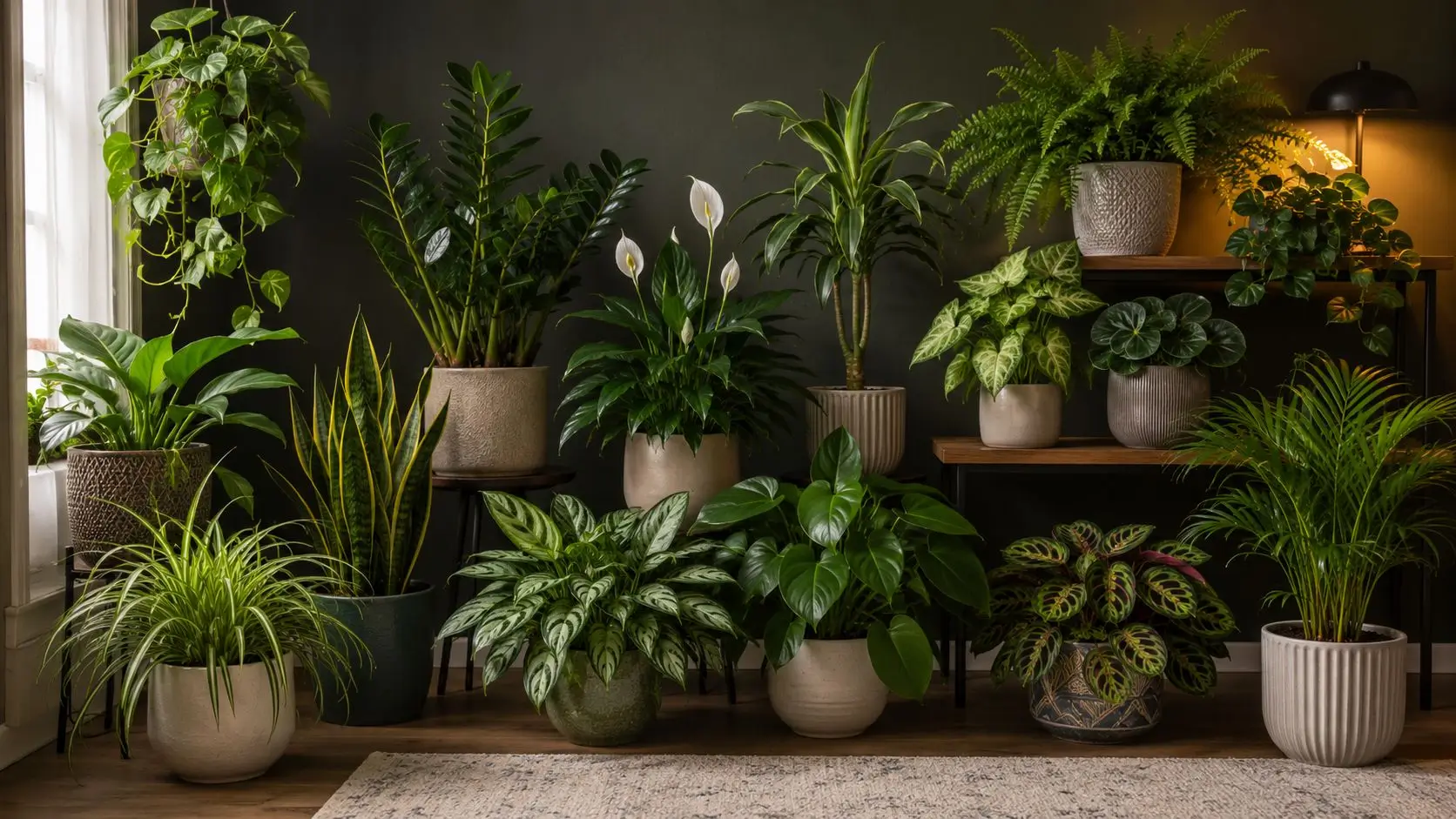
Quick Answer: The best low light indoor plants for 2026 include Snake Plant, Pothos, ZZ Plant, Peace Lily, and Cast Iron Plant. These resilient varieties thrive in dim conditions, requiring minimal sunlight and making them perfect for any indoor space.
What Qualifies as a “Low Light” Environment for Indoor Plants?
A “low light” environment for indoor plants refers to a space that receives minimal direct sunlight or consistently dim, ambient illumination. These areas typically have less than 75 foot-candles of light for most of the day, a measurement often used by horticulturalists, according to the American Horticultural Society (2024). It’s crucial to understand that “low light” doesn’t mean “no light” – every plant needs some form of light to photosynthesize and survive. Think about a room where you can comfortably read without turning on a lamp, but direct sun rays never actually hit the floor. That’s usually your sweet spot for the best low light indoor plants for 2026. North-facing windows or rooms far from any window are prime examples.

Understanding light levels is paramount for choosing the right plant. A simple way to gauge is by observing shadows; if a space has soft, fuzzy shadows or no distinct shadows at all, it’s a low-light zone, as advised by the Houseplant Journal (2023). This distinction helps determine which of the best low light indoor plants for 2026 will genuinely thrive, rather than just survive.
Best Low Light Indoor Plants 2026: Our Top Picks for Every Space
For 2026, several houseplants consistently prove themselves as the most adaptable and resilient choices for dim conditions, making them the best low light indoor plants. These varieties aren’t only easy care low light plants but also bring significant aesthetic value to any space. In my experience, these are the ones that truly excel without constant bright light.
Snake Plant (Sansevieria trifasciata)
The Snake Plant, also known as Mother-in-Law’s Tongue, is arguably one of the most forgiving and best low light indoor plants for 2026. This plant barely needs light, making it a perfect choice for deeply shaded rooms or corners. It’s astonishingly drought-tolerant and can go weeks without water, thriving on neglect. My own Snake Plants have endured north-facing windows for years, showing consistent, lively growth. These are truly some of the best indoor plants no sun needs.
Pothos (Epipremnum aureum)
Pothos varieties are incredibly versatile houseplants for dark rooms, adapting to a wide range of light conditions, from low to bright indirect. You’ll find Golden Pothos, Marble Queen, and Neon Pothos all make excellent choices among the best low light indoor plants for 2026. Its trailing vines can cascade beautifully from shelves or hanging baskets, adding a touch of jungle aesthetic. Pothos is also known for its air-purifying qualities, as recognized by NASA’s Clean Air Study (1989), enhancing indoor air quality a lot.
ZZ Plant (Zamioculcas zamiifolia)
If you’re seeking the ultimate in low maintenance houseplants, the ZZ Plant is your answer, solidifying its place among the best low light indoor plants for 2026. This plant boasts thick, waxy leaves and can literally survive on very little light and even less water. It stores water in its rhizomes, meaning you can forget to water it for a month or more without issue. I’ve often recommended ZZ Plants for offices or beginners due to their extraordinary resilience.
Peace Lily (Spathiphyllum)
Peace Lilies aren’t just dim light plants; they’re also elegant bloomers that signal when they need water by drooping slightly. They prefer consistent, indirect light but tolerate low light conditions beautifully. These plants are celebrated for their striking white spathes and dark green foliage, adding a serene touch to any space. According to Bloomscape (2024), Peace Lilies are excellent for humid environments like bathrooms, making them excellent choices among the best low light indoor plants for 2026.
Cast Iron Plant (Aspidistra elatior)
The Cast Iron Plant truly lives up to its name, proving nearly indestructible and an exceptional choice among the best low light indoor plants for 2026. It tolerates deep shade, infrequent watering, temperature fluctuations, and general neglect like a champ. With its large, dark green leaves, it offers a tough, architectural presence in any room. If you’ve struggled with other plants, this one might just be your green-thumb redemption.
Other Noteworthy Low Light Champions
Beyond the top five, several other varieties are fantastic low-light indoor plants. Each of these offers unique textures and forms that enhance your interior design, making them part of the best low light indoor plants for 2026.
- Chinese Evergreen (Aglaonema): These beautiful plants offer variegated foliage in shades of silver, pink, and red. They thrive in low light and add a splash of color, making them outstanding low maintenance indoor plants.
- Philodendron (Heartleaf Philodendron): Easy to care for and forgiving, the Heartleaf Philodendron features attractive heart-shaped leaves and trailing vines, a reliable option for dim light plants.
- Lucky Bamboo (Dracaena sanderiana): Often grown in water, Lucky Bamboo is surprisingly tolerant of low light, bringing a minimalist and calming aesthetic. It’s often cited as one of the easiest plant varieties for beginners.
- Spider Plant (Chlorophytum comosum): Known for their air-purifying abilities and “spiderettes,” these plants adapt well to low light and are simple to propagate.
- Dracaena (different species): Many Dracaena varieties, like Dracaena fragrans ‘Massangeana’ (Corn Plant) or Dracaena marginata (Dragon Tree), tolerate low light, though they’ll grow slower.

Caring for Your Low Light Houseplants: Essential Tips for 2026
Proper care for your low light indoor plants in 2026 centers around understanding their specific needs, which often differ a lot from sun-loving varieties. The biggest mistake people make is treating them like plants that need bright light; less light usually means less water and less fertilizer. Effective indoor plant care is critical here.
Watering Wisely
The most common killer of the best low light indoor plants for 2026 is overwatering, accounting for roughly 70% of houseplant fatalities, according to data from The Sill (2025). Plants in low light use water much slower because photosynthesis is less active. Always check the soil moisture before watering. * Finger Test: Stick your finger 1-2 inches into the soil. If it feels dry, it’s time to water. If it’s still damp, wait a few more days.
* Drainage is Key: Ensure pots have drainage holes to prevent waterlogging. Standing water leads to root rot, which no plant can recover from.
* Reduce Frequency: You’ll likely water your low light plants every 2-4 weeks, not weekly, depending on humidity and plant type.
Fertilization: Less is More
Low light plants grow slower, meaning they require less fertilizer than their sun-bathed counterparts. Over-fertilizing can burn roots and harm the plant. Only fertilize your low light indoor plants during their active growing season (spring and summer), and typically at half the recommended strength. For instance, Bloomscape suggests fertilizing snake plants only once or twice a year with a diluted liquid fertilizer (2024).
Humidity and Temperature
Most tropical houseplants, even the dim light plants, appreciate some humidity. A room humidifier can help, especially in dry indoor environments, as noted by the Best Indoor Plants for Humidifiers: Ultimate Guide 2025. However, many of the best low light indoor plants for 2026 are quite tolerant of average household humidity. Maintain consistent room temperatures, generally between 65-75°F (18-24°C), and avoid sudden drafts or extreme temperature swings. Sudden changes stress plants, making them vulnerable.
Pruning and Pest Control
Prune any yellowing or dead leaves to redirect the plant’s energy towards healthy growth. This also keeps your best low light indoor plants looking tidy. Inspect your plants regularly for pests like spider mites or mealybugs. Early detection and treatment with insecticidal soap can save your plant, a tactic I’ve used successfully for years.
Common Mistakes to Avoid with Low Light Indoor Plants
Even with the hardiest of the best low light indoor plants for 2026, certain missteps can quickly lead to decline. Avoiding these common pitfalls is just as important as providing proper care. Many of these issues stem from misunderstanding a plant’s slower metabolism in dim settings.
Overwatering: The Silent Killer
This is the cardinal sin of low light indoor plant care. Because these plants aren’t actively photosynthesizing at full capacity, they don’t use water quickly. Constantly wet soil suffocates roots, leading to root rot. You can often see the signs in yellowing, soft leaves.

Always let the topsoil dry out completely, and often even deeper, before watering again. A moisture meter can be a helpful tool for this, ensuring you give your best low light indoor plants exactly what they need, no more.
Inadequate Drainage
Imagine a plant sitting in a puddle; that’s what happens without proper drainage. Pots without holes lead to stagnant water, creating an anaerobic environment where roots can’t breathe. This is a quick route to plant demise, regardless of how tough the plant might be. Always use pots with drainage holes, and if you use a decorative cachepot, ensure you empty any excess water that collects after watering. This simple step can prolong the life of your best low light indoor plants for 2026 a lot.
Ignoring Dust Accumulation
Dust on leaves can severely impede a plant’s ability to absorb what little light it receives. The leaves need to be clean to effectively photosynthesize. Honestly, it’s a small detail people often overlook. Wipe down the leaves of your low maintenance houseplants regularly with a damp cloth. This simple act not only keeps your plants looking lively but also ensures they can make the most of their limited light.
Moving Plants Too Frequently
Plants, even resilient dim light plants, don’t appreciate being constantly moved. Each time a plant is relocated to a different light condition, it has to readjust, which can be stressful. Find a spot, and let it settle. Once you find an ideal spot where your chosen best low light indoor plants for 2026 seem happy, try to keep them there. Consistency is a friend to slow-growing, low-light tolerant varieties.
Beyond the Basics: Unique Low Light Plant Varieties to Explore
While classics like the Snake Plant and Pothos are fantastic, there’s a wider world of unique low light plants to explore in 2026 that can add intriguing texture and character to your indoor spaces. These offer a bit more variety for those looking beyond the usual suspects for the best low light indoor plants.
Rattlesnake Plant (Calathea lancifolia)
Calatheas are famous for their stunning, intricately patterned leaves and their habit of folding them up at night. The Rattlesnake Plant is a prime example, boasting wavy, dark green leaves with purple undersides. It’s a wonderful choice among the best low light indoor plants for 2026. These plants thrive in medium-to-low light and appreciate higher humidity. While a bit more finicky than a ZZ plant, their beauty is well worth the effort, adding a dramatic flair to any room.
Maranta (Prayer Plant – Maranta leuconeura)
Similar to Calatheas, Prayer Plants also “pray” by folding their leaves up in the evening. Their lively green leaves with distinctive red veins are captivating. This behavior makes them a living art piece and a charming addition to your collection of low maintenance houseplants. They do best in low to medium indirect light and consistently moist (but not soggy) soil, making them a delightful addition to the best low light indoor plants for 2026. Avoid direct sun, which can scorch their delicate leaves.
Aglaonema (Chinese Evergreen – ‘Silver Bay’)
While mentioned earlier, specific cultivars like ‘Silver Bay’ truly shine. This variety features stunning silver-green leaves with darker green edges, making it an eye-catching focal point. Its tolerance for dim conditions makes it one of the most reliable houseplants for dark rooms 2026. The ‘Silver Bay’ Aglaonema is remarkably adaptable to low light and low humidity, making it one of the easiest plant varieties for beginners. Costa Farms offers a wide selection of Aglaonemas, perfect for finding the best low light indoor plants.
Birkin Philodendron (Philodendron ‘Birkin’)
This trendy plant stands out with its dark green leaves intricately variegated with creamy white stripes, creating a striking contrast. It’s a beautiful, compact plant that thrives in medium to low indirect light, a real showstopper among the best low light indoor plants for 2026. I’ve found it to be more compact than many other philodendron varieties, making it ideal for desks or smaller spaces. Just remember to keep its soil consistently moist, but never waterlogged.

Where to Buy the Best Low Light Indoor Plants in 2026?
When you’re ready to bring home some of the best low light indoor plants for 2026, choosing a reputable source is essential for healthy, thriving specimens. You want plants that have been well-cared for from the start, minimizing transplant shock and ensuring long-term success.
Online Retailers: Convenience and Selection
For the widest selection and convenience, online plant retailers are an excellent choice. They often have specialized knowledge about shipping plants safely, even across distances. * The Sill: Known for their beautifully curated collections and helpful care guides, The Sill offers a fantastic range of the best low light indoor plants, often potted in stylish containers. Their expertise ensures you get a healthy plant delivered right to your door.
* Bloomscape: Another top-tier online nursery, Bloomscape provides large, mature plants directly from their greenhouses. They focus on quality and offer detailed care instructions, making them a trusted source for your houseplants for dim rooms 2026.
* Costa Farms: As one of the largest horticultural growers, Costa Farms supplies many garden centers and also sells directly online. they’ve an immense variety of easy care low light plants and often introduce new, exciting cultivars.
Local Nurseries and Garden Centers
Visiting a local nursery allows you to personally inspect plants for pests or damage before purchasing. You can also get expert advice tailored to your local climate and specific conditions. I always recommend supporting local businesses when possible. Look for healthy foliage, no visible pests, and firm, well-draining soil. Sometimes, these smaller businesses carry unique plant varieties for beginners that you won’t find at big box stores.
Home Improvement Stores
Stores like Lowe’s or Home Depot often have a surprisingly good selection of affordable low maintenance indoor plants. While the care might not be as specialized as a nursery, you can still find healthy specimens if you know what to look for. Check their delivery schedules to buy plants soon after they arrive for the freshest stock. These stores can be a good starting point for finding the best low light indoor plants for 2026.
Frequently Asked Questions About Low Light Indoor Plants
What is the easiest low light indoor plant to care for?
The ZZ Plant (Zamioculcas zamiifolia) is widely considered the easiest low light indoor plant to care for. It tolerates extreme neglect, requiring water only every 2-4 weeks and thriving in very dim conditions, as validated by countless plant enthusiasts in 2026. Its tough nature makes it ideal for even the busiest individuals.
Can low light plants survive in a room with no windows?
Yes, some low light plants can survive in a room with no windows, but they’ll still need some supplemental light. Snake Plants and ZZ Plants are among the most tolerant, but for optimal health, provide a few hours of artificial grow light each day, a practice supported by Houseplant Journal (2023). Survival doesn’t always mean thriving without any light source.
How often should I water my low light indoor plants?
You should typically water your low light indoor plants every 2-4 weeks, or when the top 1-2 inches of soil feel completely dry. Overwatering is the most common issue, with 70% of plant failures attributed to it, according to The Sill (2025). Always check the soil moisture before reaching for the watering can.
Do low light plants need fertilizer?
Yes, low light plants do need fertilizer, but much less frequently and at a lower concentration than plants in brighter conditions. Fertilize them just once or twice during the growing season (spring/summer) at half the recommended strength, a guideline echoed by Bloomscape (2024). This prevents nutrient burn and supports their slower growth.
What are the benefits of having low light indoor plants?
Low light indoor plants offer many benefits, including air purification, stress reduction, and aesthetic enhancement for any space. They improve indoor air quality by filtering toxins and boost mood, as research from the University of Technology Sydney (2019) has showed. These plants genuinely transform dim areas into inviting, healthier environments.
Bringing the beauty of nature indoors doesn’t require abundant sunshine, especially with the incredible variety of the Best Low Light Indoor Plants 2026 available. By selecting the right plant for your dim spaces and following these tailored care tips, you’ll cultivate a thriving indoor oasis. Don’t let limited light deter you from becoming a successful plant parent – start your journey with these resilient beauties today!