
Key Takeaways
- Sooty mold, a harmless fungus, grows on honeydew excreted by sap-sucking pests like aphids, whiteflies, mealybugs, and scales.
- The primary step to treat sooty mold on plants is eliminating the underlying pest infestation, not directly killing the mold.
- Washing affected plants with a mild soap and water solution can physically remove both the mold and sticky honeydew.
- Horticultural oils, like Neem oil, effectively smother pests and are a key organic method to treat sooty mold on plants (2026).
- Systemic insecticides containing imidacloprid offer long-term pest control, crucial for persistent sooty mold issues in 2026, according to UC IPM.
Dealing with sooty mold on your beloved plants can be really disheartening, especially when you see that unsightly black film covering lively leaves. The good news is you absolutely can Treat Sooty Mold on Plants effectively, restoring their health and appearance. This 2026 guide will walk you through precise identification, proven treatment methods, and powerful prevention strategies to keep your garden thriving.
Quick Answer: Sooty mold is treated by eliminating the honeydew-producing pests (like aphids or whiteflies) that excrete the sugary substance it feeds on. Physical removal via washing with soap and water, horticultural oils, or insecticidal soaps are effective methods.
What is Sooty Mold and How to Identify It?
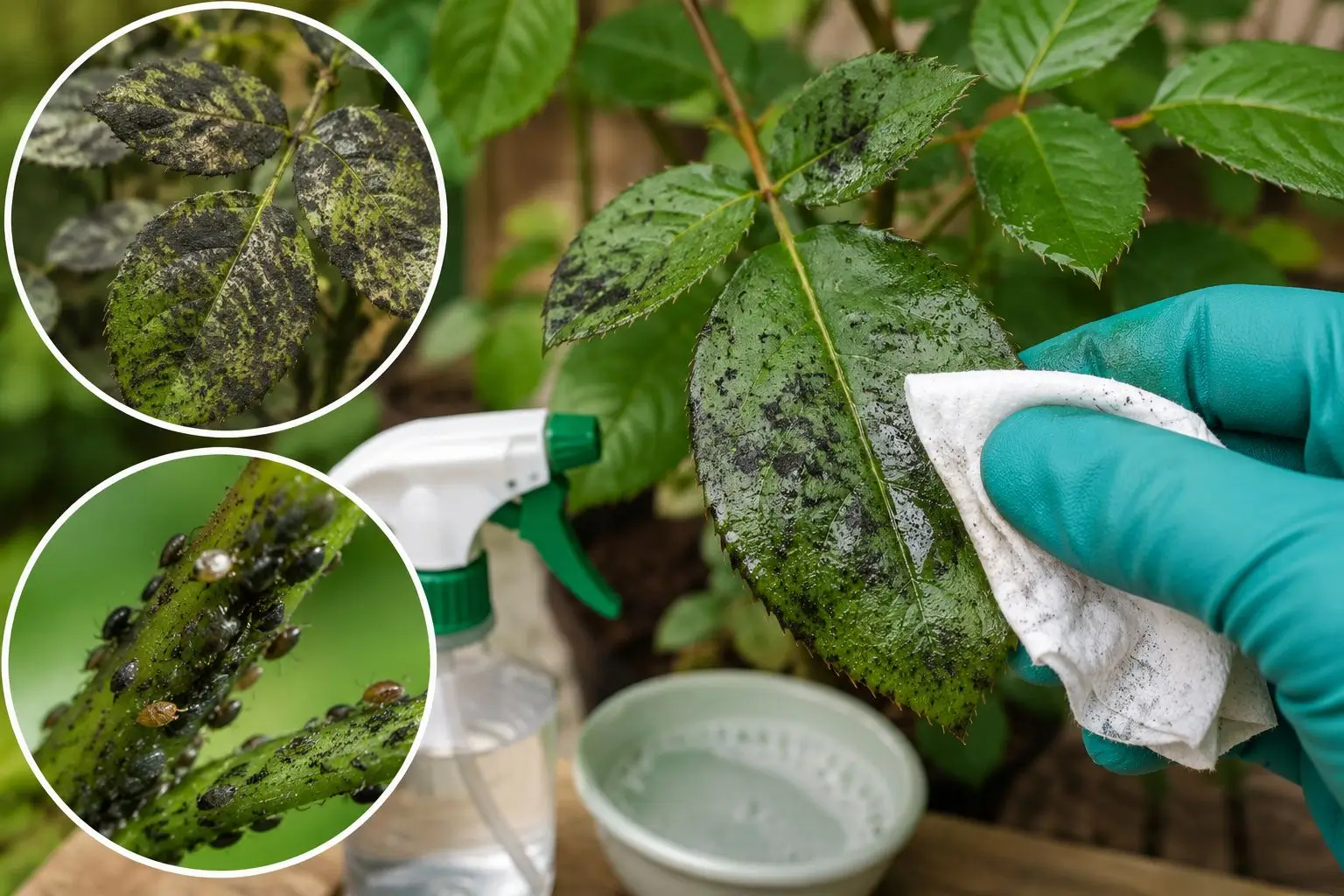
Sooty mold is a superficial, black, velvety, or powdery fungal growth that forms on the surfaces of plants and other objects. It’s important to know that this fungus itself doesn’t directly infect plant tissues; rather, it thrives on the sugary excretions of sap-sucking insects, according to the Mississippi State University Extension Service. If you spot a dark, non-removable film, you’re likely observing this common garden nuisance. Identifying sooty mold is usually straightforward because of its distinctive appearance. It looks exactly like soot or charcoal dust has been sprinkled over the leaves, stems, and even fruits of affected plants. This black coating can be easily scraped off with a fingernail, revealing the plant surface beneath, which is a key diagnostic clue. You’ll often find sooty mold presenting on plants like crape myrtles, citrus trees, gardenias, and camellias. The fungus doesn’t penetrate plant tissue, but its presence signals an underlying issue with honeydew-producing insects. When you see that dull, black layer, your next step is to investigate for tiny pests. One quick check involves rubbing a leaf between your fingers. If it feels sticky, that’s honeydew, and sooty mold is either already present or on its way. In my 10 years of experience, a sticky residue is almost always the first sign, even before the black mold becomes obvious.
What Causes Sooty Mold on Plants?
Sooty mold on plants is primarily caused by the presence of honeydew, a sticky, sugary liquid excreted by different sap-sucking insects. These pests feed on plant sap and then secrete the excess sugar, creating an ideal medium for the sooty mold fungus to grow, explains UC IPM. Without honeydew, the fungus can’t establish itself. Which pests are the usual culprits? Well, there are a few common ones you’ll want to watch for. Aphids, whiteflies, mealybugs, and scales are the most frequent offenders, as they all consume plant sap and produce honeydew. For instance, crape myrtle aphids are notorious for coating crape myrtles in the sweet, sticky substance that leads to that tell-tale black film. Think of it this way: the insects are essentially creating a buffet for the sooty mold fungus. They pierce the plant tissue, suck out the nutrient-rich sap, and then excrete the sugary honeydew. This sweet substance drips onto leaves, branches, and anything else below, becoming the perfect breeding ground for the opportunistic sooty mold fungus. Here’s a list of common honeydew-producing insects:
- Aphids: Small, soft-bodied insects often found in clusters on new growth. They come in different colors.
- Whiteflies: Tiny, white, winged insects that fly up in a cloud when disturbed from the undersides of leaves.
- Mealybugs: White, cottony pests that cluster in leaf axils and along stems.
- Soft Scales: Immobile, shell-like insects that attach to stems and leaves, often difficult to spot until honeydew is visible.
- Psyllids: Small, jumping insects that can also produce honeydew, though less commonly implicated than the others.
Controlling these pests is the non-negotiable first step if you want to effectively treat sooty mold on plants. You can’t just clean the mold; you’ve to stop its food source.
What Kills Sooty Mold on Plants Effectively in 2026?
To effectively kill sooty mold on plants in 2026, the strategy involves a two-pronged approach: eliminating the honeydew-producing pests and then physically removing the mold itself. The fungus doesn’t directly infect the plant, so directly killing it with fungicides is often ineffective and misses the root cause, according to Mississippi State University Extension Service. Focus on the pests first, then clean. This might sound like a lot, but we’re going to break it down into actionable steps. My goal is to equip you with the knowledge to not just treat sooty mold on plants this year, but to prevent its return for good. You’ll basically become a sooty mold whisperer!
Step 1: Identify Sooty Mold & Pests
The initial move is to confirm you’ve sooty mold and, more importantly, to find the pests causing it. Look for the black, sooty film on leaves, stems, and sometimes fruit. Then, flip leaves over and inspect new growth for tiny insects. Common culprits include aphids, whiteflies, mealybugs, and scale insects. You can’t properly treat sooty mold on plants without knowing which pest you’re up against.
Step 2: Physically Remove Mold and Honeydew
Once you’ve identified the pests, you can start cleaning the mold. Use a strong jet of water from a hose to dislodge as much of the black film and sticky honeydew as possible. For more stubborn cases, a mild soap solution is incredibly effective. This step helps the plant photosynthesize better, which is vital for its health. * Mix 1 tablespoon of mild dish soap (not detergent, which can be harsh) per gallon of water.
* Spray the entire plant, making sure to coat both the top and undersides of leaves.
* Let it sit for 10-15 minutes, then rinse thoroughly with clean water.
Step 3: Apply Horticultural Oil or Insecticidal Soap
Targeting the pests is crucial to permanently treat sooty mold on plants. Horticultural oil or insecticidal soap are excellent choices for this, especially for organic gardening. These products smother soft-bodied insects and their eggs, effectively cutting off the honeydew supply. Consider using products like BONIDE® All Seasons Horticultural & Dormant Spray Oil or BONIDE® Neem Oil. Neem oil, derived from the neem tree, also has some fungicidal properties, offering a dual benefit by disrupting the mold’s growth while killing pests. Apply these according to label instructions, making sure to spray thoroughly, especially on leaf undersides. For instance, UC IPM recommends full coverage when using oils to manage pests.
| Method | Primary Action | Best For | Pros | Cons |
|---|---|---|---|---|
| Washing (Soap/Water) | Physical Removal | Mild to moderate mold, small plants | Inexpensive, immediate cosmetic improvement, safe for edibles | Temporary fix if pests remain, labor-intensive for large plants |
| Horticultural Oil (e.g. Neem oil) | Smothers Pests & Mold | Aphids, whiteflies, scales, mealybugs | Organic, effective on pests, minimal environmental impact | Requires thorough coverage, can burn plants in hot sun |
| Insecticidal Soap | Kills Soft-Bodied Pests | Aphids, whiteflies, spider mites | Organic, fast-acting, safe for many plants | No residual effect, requires direct contact with pests, less effective on scales |
| Systemic Insecticides (e.g. Imidacloprid) | Kills Pests Internally | Scales, mealybugs, persistent infestations | Long-lasting control, good for large trees, reduces pest populations | Non-organic, potential impact on beneficial insects, restricted use in some areas |
Step 4: Control Pest Infestation with Targeted Solutions
For stubborn or widespread infestations, you might need more targeted pest control. This is where options like systemic insecticides come into play, especially for large trees where spraying is difficult. Ingredients like imidacloprid can be applied to the soil, and the plant absorbs it, turning its sap toxic to sucking insects. This is a longer-term solution for how to treat sooty mold on plants by addressing the underlying cause. Remember, always read and follow the product label instructions precisely. The University of Illinois Extension emphasizes the importance of proper application to ensure effectiveness and minimize harm to beneficial insects. When I’m dealing with serious scale on a crape myrtle, I’ve found systemic treatments around the base really helpful.
Step 5: Implement Long-Term Prevention
The real victory isn’t just treating the current sooty mold on plants, but preventing its return. This involves building a healthy garden setup. Attract beneficial insects like ladybugs and lacewings, which are natural predators of aphids and whiteflies. Proper plant spacing and pruning also help improve air circulation, reducing conditions favorable for pests.
Step 6: Monitor & Reapply Treatment
Regularly inspect your plants for signs of pests or returning sooty mold. Early detection makes treatment much easier. Reapply treatments as needed, following product guidelines. Consistent monitoring is probably the most overlooked step, but it’s key to keeping your plants clear.
What is the Fastest Way to Get Rid of Sooty Mold?
The fastest way to get rid of sooty mold is a two-step approach: immediately washing off the mold and honeydew, followed by a rapid application of an insecticidal soap or horticultural oil to kill the underlying pests. While the washing provides instant cosmetic relief, the pest control is what truly stops the problem from recurring, as highlighted by UC IPM. You can’t just clean it and expect it to stay gone. First, grab your garden hose and a mild soap solution. Mix a tablespoon of gentle liquid soap with a gallon of water. Spray this mixture liberally onto the affected plant, ensuring all surfaces are thoroughly coated. Let it sit for about 10-15 minutes, which allows the soap to loosen the mold and honeydew. Then, use a strong jet of water to rinse everything off. This will physically remove a significant portion of the black film and sticky residue, making the plant look much better right away. Immediately after washing, apply an insecticidal soap or a ready-to-use horticultural oil to the plant. Products like BONIDE® Insecticidal Soap or a ready-to-spray Neem oil product will quickly target soft-bodied pests like aphids and whiteflies. These oils smother the insects, effectively cutting off the honeydew supply that feeds the sooty mold. Make sure to spray the undersides of leaves where many pests hide. This combined action offers the quickest visible improvement and initiates the pest control necessary to properly treat sooty mold on plants.
Will Sooty Mold Go Away on Its Own?
No, sooty mold won’t go away on its own; it will only disappear once the underlying infestation of honeydew-producing pests has been eliminated. The fungus relies entirely on the sugary excretions from insects like aphids or scales for its food source, as explained by the Mississippi State University Extension Service. If the pests persist, so too will the mold. Honestly, it’s a common misconception that the mold might just fade away. But without addressing the root cause – those tiny sap-suckers – the mold will continue to thrive and spread. The longer the pests are present, the thicker the sooty mold layer can become, potentially hindering photosynthesis by blocking sunlight from reaching the leaves. So, while the mold itself isn’t directly harming the plant tissue, its persistent presence indicates a persistent pest problem. And that’s the real issue you need to fix. If you want to successfully treat sooty mold on plants, you must intervene. Think of it like a messy kitchen. The mess won’t clean itself; you need to remove the food source and then wipe down the surfaces. Similarly, to treat sooty mold on plants, you must remove the honeydew-excreting pests and then clean the plant surfaces. Left untreated, the sooty mold can cover a substantial portion of the plant’s leaves, reducing its ability to convert sunlight into energy, leading to stunted growth or reduced vigor over time.
What Home Remedy Kills Sooty Mold?
A highly effective home remedy to kill sooty mold involves using a simple solution of mild dish soap and water to physically wash it off the plant. This method targets the mold directly and also disrupts the honeydew, making it harder for the fungus to cling on, according to gardening experts who frequently advise on common plant issues. This isn’t about killing the fungus chemically, but about removing its physical presence and food source. To prepare this remedy, mix one tablespoon of a mild liquid dish soap (ensure it doesn’t contain degreasers or harsh chemicals, as these can damage plants) into one gallon of water. For a more potent solution, some gardeners, including myself, might add a tablespoon of horticultural oil to this mixture, especially if you also want to target the underlying pests organically. Horticultural oil works by suffocating soft-bodied insects. Once your solution is ready, liberally spray all affected parts of the plant, paying close attention to the undersides of leaves where pests often hide and honeydew accumulates. Allow the mixture to sit on the plant for about 10-15 minutes. This gives the soap time to penetrate the mold and break down the sticky honeydew. After soaking, gently scrub the leaves with a soft cloth or sponge if the mold is particularly stubborn, then rinse the entire plant thoroughly with clean water. This is a very practical way to treat sooty mold on plants right from your own kitchen. It’s important to rinse well to avoid any soap residue building up, which can sometimes attract other issues or interfere with photosynthesis. For smaller plants, you can even immerse the entire affected part in a bucket of the solution. This home remedy is excellent for cosmetic cleanup and can deter some pests, but remember, the ultimate goal is to eliminate the honeydew-producing insects.
Long-Term Prevention: Stopping Sooty Mold from Returning
Long-term prevention of sooty mold returning hinges on managing the populations of honeydew-producing insects through integrated pest management (IPM) strategies and building a tough garden setup. This proactive approach ensures you won’t have to repeatedly treat sooty mold on plants, saving you time and effort. It’s about thinking ahead, not just reacting. One crucial aspect is to **attract beneficial insects** to your garden. Ladybugs, lacewings, and parasitic wasps are natural predators of aphids, whiteflies, and scale insects. Planting flowering herbs and plants like dill, cilantro, and cosmos can provide nectar and pollen for these helpful insects, encouraging them to set up permanent residence. In my own garden, I’ve seen a huge difference in pest control simply by letting some flowering plants go to seed. Another key strategy is **regular plant inspection and proper cultural care**. Regularly check the undersides of leaves and new growth for any signs of sap-sucking pests. Early detection means you can address a small infestation before it becomes a major problem leading to widespread sooty mold. Proper watering, fertilization, and appropriate plant spacing also contribute a lot to overall plant health, making plants more resilient to pest attacks. Healthy plants are better equipped to withstand minor pest pressure. Consider these long-term prevention methods:
- Regular Pruning: Remove overly dense growth to improve air circulation and reduce hiding spots for pests.
- Horticultural Oil Program: Apply dormant oil in late winter or early spring to smother overwintering pest eggs and nymphs, especially on trees like crape myrtles or citrus. This preemptive strike can a lot reduce pest populations, making it easier to treat sooty mold on plants later.
- Introduce Beneficial Insects: Purchase and release beneficial insects if natural populations are insufficient.
- Ant Control: Ants often “farm” honeydew-producing pests, protecting them from predators. Control ant populations using baits or sticky barriers around plant trunks.
- Companion Planting: Some plants can deter pests. For example, nasturtiums are known to attract aphids away from other plants, acting as a “trap crop.”
These methods create a less hospitable environment for pests, reducing the amount of honeydew and, consequently, the opportunity for sooty mold to develop. You’re building a resilient system, not just fighting symptoms.
Troubleshooting Persistent Sooty Mold Issues
When you find yourself repeatedly needing to treat sooty mold on plants, it indicates that the underlying pest problem hasn’t been fully resolved or a new infestation is occurring. Persistent sooty mold often means there’s a hidden or recurring population of honeydew-producing insects that you’re missing, according to UC IPM. Don’t get discouraged; it just means you need to dig a little deeper. One common reason for persistence is an **unidentified pest source**. You might be treating one type of pest, but another is thriving. For example, you might be focused on aphids, but a hidden scale insect population is the primary honeydew producer. Scale insects can be particularly tricky because they often blend in with bark or are located in hard-to-reach crevices. Thoroughly inspect *all* parts of the plant, including stems, branches, and the undersides of older leaves, not just new growth. Another factor can be **incomplete treatment coverage**. When using sprays like horticultural oils or insecticidal soaps, it’s absolutely vital to achieve complete coverage. Pests often hide on the undersides of leaves, in stem crotches, or deep within dense foliage. If you miss a spot, those surviving pests will quickly multiply, and you’ll find yourself needing to treat sooty mold on plants again soon. For large or dense plants, this can be challenging, but it’s crucial for success. * Check for Ants: Ants actively protect honeydew-producing pests from predators in exchange for their sweet excretions. If you see ants crawling on your plants, it’s a strong indicator of a persistent pest problem. Control the ants, and you’ll often see a reduction in the pests.
* Consider Systemic Options: For large trees or shrubs with persistent scale or mealybug issues, a systemic insecticide with an active ingredient like imidacloprid can be a game-changer. These are applied to the soil and absorbed by the plant, making its sap toxic to sap-sucking insects for an extended period. Always check local regulations and consider the impact on beneficial insects before using systemic products.
* Environmental Factors: Over-fertilization can lead to lush, tender growth that’s particularly attractive to aphids. Review your fertilizing schedule and ensure your plants aren’t receiving too much nitrogen. Also, poor air circulation in dense plantings can exacerbate pest problems. Don’t give up if the sooty mold keeps coming back. Reassess your approach, consider all potential pest culprits, and ensure your treatment methods are thorough. Sometimes, it just takes a bit more detective work to effectively treat sooty mold on plants for good.
Frequently Asked Questions
What kills sooty mold on plants?
Sooty mold on plants isn’t killed directly by fungicides because it’s a surface fungus feeding on honeydew, not a plant infection. Instead, you eliminate the honeydew-producing pests like aphids or scales, then wash the mold off. This combined approach is key to successfully treat sooty mold on plants.
What is the fastest way to get rid of sooty mold?
The fastest way to get rid of sooty mold is to immediately wash it off using a strong stream of water or a mild soap and water solution, followed by applying insecticidal soap or horticultural oil. This dual action quickly removes the visible mold and targets the pests that cause the honeydew, as confirmed by university extension services. Consistent application is essential for lasting results.
Will sooty mold go away on its own?
No, sooty mold won’t go away on its own; it requires intervention to remove the underlying pest infestation that provides its food source. The fungus persists as long as honeydew is available, according to the Mississippi State University Extension Service (2026). Without addressing the pests, the mold will continue to thrive and darken your plants.
What home remedy kills sooty mold?
A simple home remedy to combat sooty mold is a solution of one tablespoon of mild liquid dish soap mixed into one gallon of water. Spray this mixture onto affected plants, allow it to sit briefly, then rinse thoroughly with clean water to physically remove the mold and honeydew. This method provides immediate cosmetic relief and helps treat sooty mold on plants.
Is sooty mold on fruit trees safe to eat?
Sooty mold on fruit trees, while unsightly, is generally considered safe to eat after thorough washing because the mold doesn’t penetrate the fruit skin. Simply wash the fruit well with water before consumption to remove the sooty film and any sticky honeydew. UC IPM (2026) emphasizes that the primary concern is plant health, not direct toxicity to humans.
Learning to Treat Sooty Mold on Plants empowers you to protect your garden’s beauty and health. By focusing on the root cause—the honeydew-producing pests—and consistently applying integrated pest management strategies, you can prevent this unsightly fungus from taking hold. Don’t let sooty mold diminish your gardening joy; take these steps, and watch your plants flourish, clean and lively!







