
Key Takeaways
- Codling moth was the most troublesome pest in 2025, with mentions climbing sharply from the previous year, according to the 2026 Fruit Growers News Pest & Disease Survey report.
- Powdery mildew was the top disease concern in 2025 and is expected to be an even bigger issue in 2026, according to the 2026 Fruit Growers News Pest & Disease Survey report.
- Implementing an Integrated Pest Management (IPM) strategy can reduce fruit tree diseases pests by focusing on prevention and targeted solutions.
- Choosing disease-resistant varieties like ‘Liberty’ apples helps significantly reduce the incidence of common fruit tree diseases pests such as apple scab.
- Neem Oil is a versatile organic solution, acting as an insect repellent, fungicide, and antibacterial agent for various fruit tree diseases pests.
Are you struggling with unsightly spots on leaves, damaged fruit, or stunted growth in your home orchard? Understanding and managing common fruit tree diseases pests is crucial for a bountiful harvest, and as an expert gardener with over 10 years of experience, I’m here to share proven strategies for healthy, productive trees.
Quick Answer: Fruit tree diseases and pests can severely impact harvests, often manifesting as leaf spots, fruit damage, or stunted growth. Effective management involves identifying the specific problem, implementing cultural practices, choosing disease-resistant varieties, and applying targeted organic or chemical treatments at the correct times.
Understanding Common Fruit Tree Diseases and Pests in 2026
Identifying common fruit tree diseases pests is the first critical step toward effective management in your orchard. Knowing what you’re up against, whether it’s a fungal issue or an insect infestation, allows for targeted and successful intervention.
In 2025, codling moth was identified as the most troublesome pest, with mentions sharply increasing from the previous year, particularly affecting apples and pears, according to the 2026 Fruit Growers News Pest & Disease Survey report. This highlights the ongoing challenge of managing these persistent fruit tree diseases pests. Concerns about stink bugs also doubled from 2024 to 2025, indicating a growing worry for fruit growers, as reported by the same 2026 survey. These insects can cause significant damage to ripening fruit, making them unmarketable.
Major Disease Threats
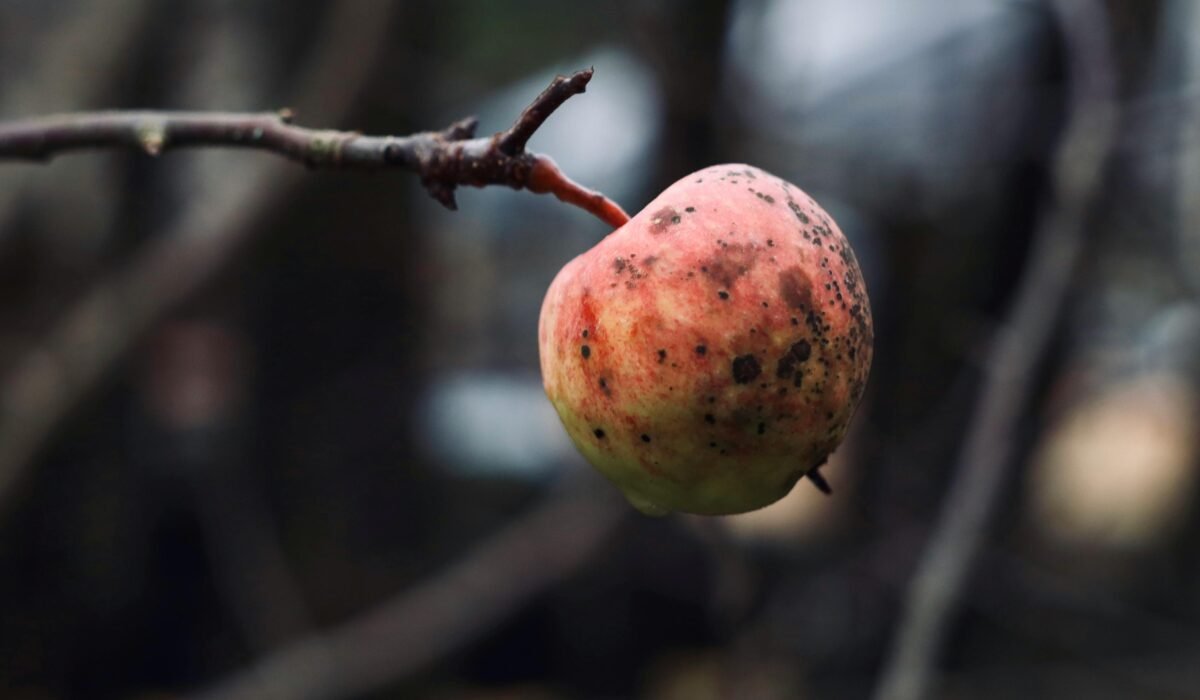
Powdery mildew topped the list of disease trouble spots in 2025 and is projected to be an even bigger concern for 2026, as per the 2026 Fruit Growers News Pest & Disease Survey report. This fungal disease creates a white, powdery growth on leaves and fruit, hindering photosynthesis and fruit development. Another significant issue is apple scab, a common fungal disease that causes olive-green spots on leaves and scabby lesions on fruit. Understanding these specific fruit tree diseases pests is key to prevention.
In 2025, ninety percent of trees were infected with red star rust in some University of Minnesota research trials, though disease severity varied by cultivar. This illustrates how pervasive some fungal fruit tree diseases pests can become, even in controlled environments. Climate change strongly impacts the emergence and spread of viral diseases in fruit crops, posing significant threats to agricultural productivity and food security, as stated in a May 2026 ResearchGate publication. This evolving threat means growers must remain vigilant.
Common Insect Pests
Beyond codling moths and stink bugs, other insects pose significant threats. San Jose scale and white peach scale populations have been causing increasing amounts of damage in recent growing seasons, leading to unmarketable fruit and severe dieback, according to Penn State Extension in March 2026. These tiny, sap-sucking insects can quickly debilitate a fruit tree if not controlled. Aphids are also common, feeding on new growth and often spreading viral fruit tree diseases pests.
To effectively combat these fruit tree diseases pests, proper identification is non-negotiable. The “Fruit PestFinder” app, available for Apple devices, offers a handy resource to identify and control over 70 insects and diseases of temperate fruit crops in the western U.S., with detailed management recommendations. Similarly, The Giving Grove offers an online “Fruit Tree Pest and Disease Identification Tool” that can help you distinguish between various fruit tree diseases pests.
Here’s a quick overview of some common fruit tree diseases pests you might encounter:
| Pest/Disease | Common Symptoms | Affected Trees |
|---|---|---|
| Codling Moth | Wormy fruit with entry/exit holes | Apples, Pears |
| Powdery Mildew | White, powdery spots on leaves and fruit | Apples, Peaches, Cherries |
| Apple Scab | Olive-green spots on leaves, scabby fruit lesions | Apples, Crabapples |
| San Jose Scale | Small, gray/black bumps on bark, stunted growth, fruit damage | Apples, Pears, Peaches |
| Aphids | Curled leaves, sticky honeydew, stunted new growth | Most fruit trees |
| Stink Bug | Distorted fruit, sunken spots, internal corky tissue | Apples, Peaches, Pears |
How Do I Protect My Fruit Trees from Disease?
You protect your fruit trees from disease by adopting a proactive, multi-faceted approach that emphasizes cultural practices, variety selection, and timely intervention. The OSU Extension Service advises that the best way to manage diseases and insects in your orchard is to combine methods, including cultural, biological, and pesticide practices. This integrated strategy is far more effective than relying on a single solution for fruit tree diseases pests.
Step 1: Identify the Problem (Pest or Disease)
Accurate identification is the cornerstone of managing fruit tree diseases pests. Before you can treat a problem, you must know exactly what it is; misdiagnosis can lead to ineffective treatments and wasted effort. For instance, distinguishing between fungal spots and bacterial blight requires careful observation of symptom characteristics, as their treatments differ significantly.
Use reliable resources like University Extension Services to help confirm your diagnosis of fruit tree diseases pests. Many Extension Services, such as those from the University of Illinois, offer comprehensive guides and diagnostic clinics to assist home gardeners. This ensures you are taking the correct actions.
Step 2: Implement Cultural Control Practices
Cultural control practices are fundamental for preventing and managing fruit tree diseases pests naturally. These practices create an environment that discourages disease and pest proliferation while promoting tree health. Proper sanitation removes sources of infection and infestation, significantly reducing future problems.
* Pruning: Regularly prune your trees to improve air circulation and sunlight penetration, which helps dry leaves quickly and reduces fungal fruit tree diseases pests like powdery mildew and apple scab. Remove any dead, diseased, or damaged branches immediately, making clean cuts.
* Sanitation: Rake up and dispose of fallen leaves and fruit, as these can harbor disease spores and overwintering pests. This simple act can dramatically reduce the inoculum of many fruit tree diseases pests.
* Watering: Water at the base of the tree in the morning to allow foliage to dry before evening, minimizing the conditions favorable for fungal growth. Avoid overhead irrigation that keeps leaves wet for prolonged periods.
* Weed Control: Keep the area around your fruit trees free of weeds, which can compete for nutrients and act as alternative hosts for pests and diseases. A clear understory also improves air circulation, further deterring fruit tree diseases pests.
* Proper Planting: Ensure trees are planted at the correct depth and spacing to allow for good air circulation and root development. Stressed trees are more susceptible to fruit tree diseases pests.
Step 3: Choose Disease-Resistant Varieties
Selecting disease-resistant varieties is one of the most effective long-term strategies to minimize issues with fruit tree diseases pests. By choosing trees bred for resistance, you inherently reduce the need for chemical interventions and ongoing management. For apple scab, planting resistant apple varieties such as ‘Liberty’ is highly recommended as a cultural control method, according to University Extension Services. Other resistant apple varieties include ‘Crimson Crisp’, ‘Dayton’, ‘Enterprise’, ‘Freedom’, ‘Golden Delicious’, ‘Gold Rush’, ‘Jonafree’, ‘Priscilla’, and ‘William’s Pride’, offering excellent options for home growers.
When purchasing new trees, always consult with reputable nurseries like Stark Bro’s or your local University Extension Services for recommendations specific to your region and climate. This proactive choice significantly reduces the likelihood of encountering common fruit tree diseases pests, saving you time and effort in the long run. Resistant varieties are a gardener’s best friend.
What is Eating My Fruit Tree Leaves at Night?
What is eating your fruit tree leaves at night is often nocturnal pests like slugs, snails, earwigs, or certain types of caterpillars. These critters typically feed under the cover of darkness to avoid predators and harsh daylight conditions. Slugs and snails, for instance, leave tell-tale slime trails and irregular holes in leaves, a clear sign of their nighttime activity.
Japanese beetles are also known for their destructive feeding habits, skeletonizing leaves, though they are more active during the day. However, their larvae can cause root damage at night. Identifying the specific culprit among fruit tree diseases pests that feed nocturnally can be tricky without direct observation.
One effective method for identifying nighttime feeders is to go out after dark with a flashlight and inspect your trees. You might catch the pests in the act, confirming what is causing the damage among the many potential fruit tree diseases pests. Look closely at both the upper and undersides of leaves, as well as along branches and the trunk.
Another strategy is to look for specific types of damage. If you see ragged holes, it could be slugs or caterpillars. If entire sections of leaves are missing, larger pests might be involved. Understanding these patterns helps you narrow down the suspects when dealing with fruit tree diseases pests. Traps can also be deployed to catch and identify the nocturnal visitors.
Integrated Pest Management: Natural Ways to Get Rid of Bugs
Integrated Pest Management (IPM) is a holistic and sustainable approach to managing fruit tree diseases pests that prioritizes prevention, monitoring, and non-chemical solutions before resorting to targeted treatments. This method aims to minimize environmental impact while effectively protecting your fruit trees. The University of Illinois Extension horticulture educator, Andrew Holsinger, emphasizes that “Keeping a journal of activities of management and care is essential in caring for fruit trees,” highlighting the importance of tracking observations for successful IPM.
Step 4: Apply Organic Treatment Methods
Organic treatment methods are excellent for managing fruit tree diseases pests while preserving beneficial insects and soil health. These options often utilize natural compounds or biological agents to control pests and diseases. Many homesteaders, like Melissa K. Norris, advocate for these natural solutions in their orchards.
* Horticultural Oil: Applied during the dormant season, horticultural oil smothers overwintering eggs and insects like San Jose scale and mites. It’s a highly effective early-season treatment against many fruit tree diseases pests.
* Neem Oil: A widely recommended organic multitasker, Neem Oil acts as an insect repellent, fungicide, and antibacterial agent. It disrupts insect growth and feeding, making it invaluable for controlling aphids, powdery mildew, and other fruit tree diseases pests.
* Kaolin Clay: Products containing Kaolin clay, like Surround WP, create a protective barrier on fruit and foliage, deterring pests like plum curculio and Japanese beetles. This physical barrier prevents pests from recognizing the plant as a food source.
* Spinosad: This naturally derived bacterial fermentation product, found in products like Captain Jack’s™ Deadbug Brew, is effective against caterpillars, thrips, and leafminers. It’s a targeted organic insecticide for specific fruit tree diseases pests.
* Beneficial Insects: Attract or release beneficial insects such as ladybugs, lacewings, and parasitic wasps, which prey on common pests like aphids and mites. Creating a habitat for these natural predators significantly reduces pest populations and helps manage fruit tree diseases pests. You can also plant companion flowers to attract them.
* Dipel/Javelin (Bt): These biological insecticides contain Bacillus thuringiensis (Bt), a bacterium that specifically targets and kills caterpillars, including codling moth larvae, without harming beneficial insects. It’s a safe and effective option for controlling specific fruit tree diseases pests.
By integrating these organic methods, you create a more resilient ecosystem that naturally resists fruit tree diseases pests. This approach aligns with sustainable gardening practices and promotes a healthier environment for your family and local wildlife. Consistency in application and monitoring is key to their success.
What Are the Best Sprays & Fungicides for Fruit Trees in 2026?
The best sprays and fungicides for fruit trees in 2026 are those that are specifically targeted to your identified problem, applied at the correct time, and chosen with consideration for both efficacy and environmental impact. While organic options are preferred, sometimes a more potent solution is necessary to control severe outbreaks of fruit tree diseases pests.
Step 5: Use Targeted Chemical Controls (If Necessary)
When organic methods prove insufficient or an infestation of fruit tree diseases pests is severe, targeted chemical controls may be necessary. Always use these products responsibly, following label instructions precisely to ensure safety and effectiveness. Dr. Anne Nielsen’s lab at Penn State found that applying Centaur at 34.5 oz/A is an effective option at the delayed dormant timing for controlling pests like San Jose scale and European red mite, as reported by Penn State Extension in March 2026. This demonstrates the precision required for chemical applications.
When selecting a product for fruit tree diseases pests, look for specific active ingredients known to combat your identified issue:
- Copper-based fungicides: Effective against a broad spectrum of fungal and bacterial fruit tree diseases pests, including peach leaf curl and blight. Bonide offers several copper fungicide options suitable for home gardeners.
- Sulfur-based fungicides: Controls powdery mildew, apple scab, and rusts. It’s an organic-approved option but should be used with caution in hot weather as it can cause phytotoxicity.
- Insecticidal Soaps: Effective against soft-bodied insects like aphids, mites, and scale crawlers. They work by disrupting insect cell membranes.
- Malathion or Carbaryl: More conventional insecticides for severe infestations of chewing insects like codling moth or plum curculio. Use these only as a last resort and strictly adhere to pre-harvest intervals.
Always read the product label carefully to ensure it is registered for use on your specific fruit tree type and target pest or disease. Pay close attention to mixing ratios, application timing, and safety precautions when dealing with fruit tree diseases pests. Wearing appropriate protective gear is always recommended.
When to Spray Fruit Trees: A 2026 Seasonal Guide
Knowing when to spray fruit trees is as important as knowing what to spray, as timing is critical for effectively managing fruit tree diseases pests and protecting your harvest. Applying treatments at the wrong time can be ineffective or even harmful to the tree and beneficial insects. A well-timed spray program significantly reduces the impact of fruit tree diseases pests.
Dormant Season (Late Winter to Early Spring)
The dormant season, before buds begin to swell, is an ideal time for applying horticultural oils. This application targets overwintering eggs and larvae of pests like San Jose scale, aphids, and mites, suffocating them before they become active. This proactive step can prevent a large percentage of fruit tree diseases pests from emerging in the spring. A dormant oil spray for fruit trees is a foundational treatment.
Bud Break to Bloom (Early Spring)
As buds swell and show color (green tip, tight cluster, pink stages), apply fungicides for diseases like apple scab and powdery mildew. This is a critical window for prevention. However, avoid spraying insecticides during bloom to protect pollinators, which are essential for fruit set. Many University Extension Services provide specific spray guides for this crucial period for fruit tree diseases pests.
Petal Fall (After Bloom)
Once petals have fallen, and bees are no longer actively foraging, you can begin applying insecticides for pests like codling moth and plum curculio. This timing is crucial to target the first generation of pests before they can damage young fruit. Continue fungicide applications as needed, especially if rainy weather persists, which favors fungal fruit tree diseases pests.
Summer (Fruit Development)
During the summer months, continue monitoring for new outbreaks of fruit tree diseases pests. Reapply treatments as necessary, always observing the product’s pre-harvest interval (PHI) to ensure fruit safety. Hot, humid weather can lead to late-season fungal issues, so vigilance is key. For example, powdery mildew can thrive in summer conditions.
Building Long-Term Resilience Against Fruit Tree Pests and Diseases
Building long-term resilience against fruit tree diseases pests involves cultivating a healthy orchard ecosystem that naturally resists problems, rather than relying solely on reactive treatments. This approach focuses on preventative measures and fostering environmental balance. From my 10 years of experience, a healthy tree is your best defense against fruit tree diseases pests.
Step 6: Monitor and Record Progress
Consistent monitoring and meticulous record-keeping are indispensable for understanding and managing fruit tree diseases pests over time. Regularly inspecting your trees allows you to catch problems early, before they escalate into severe infestations. Andrew Holsinger, University of Illinois Extension horticulture educator, emphasizes that “Keeping a journal of activities of management and care is essential in caring for fruit trees,” underscoring the value of historical data for long-term success.
A detailed journal helps you track the timing of pest appearances, disease outbreaks, and the effectiveness of your treatments for fruit tree diseases pests. This information is invaluable for refining your management strategies year after year. For example, noting when codling moth activity begins in your specific microclimate allows for more precise timing of future interventions.
Record what worked, what didn’t, and any environmental factors that seemed to play a role. This iterative process of observation, action, and reflection leads to a deeper understanding of your specific challenges with fruit tree diseases pests. It’s how we learn and adapt as gardeners, creating a more sustainable and productive orchard over time.
Step 7: Proactive Ecosystem Management
Beyond individual tree care, managing the broader orchard ecosystem is crucial for sustained resilience against fruit tree diseases pests. This involves enhancing soil health, promoting biodiversity, and understanding the local environment. A robust ecosystem naturally suppresses many common problems.
Soil Health: Healthy soil leads to healthy trees. Incorporate organic matter like compost to improve soil structure, water retention, and nutrient availability. Strong, well-nourished trees are inherently more resistant to fruit tree diseases pests. Regular soil testing can guide nutrient amendments.
Biodiversity: Plant a diverse range of flowering plants around your fruit trees to attract beneficial insects that prey on pests. This includes plants that provide nectar and pollen for pollinators and habitats for predatory insects. This natural pest control reduces reliance on sprays for fruit tree diseases pests.
Water Management: Implement efficient irrigation systems, such as drip irrigation, to ensure consistent moisture without overwatering or promoting fungal growth. Balcony Garden Drip Irrigation: Ultimate Guide 2026 provides insights into efficient watering practices applicable to smaller orchards. Proper water management helps prevent drought stress, making trees less susceptible to fruit tree diseases pests.
Climate Adaptation: Be aware of how local climate patterns and changes might influence emerging fruit tree diseases pests. For example, warmer winters can allow more pests to overwinter successfully. Adjust your monitoring and treatment schedules accordingly. This proactive adaptation is key to long-term success.
Frequently Asked Questions
What is the best all around fruit tree spray?
The best all-around fruit tree spray often depends on the specific season and target pests, but a dormant oil application is a strong foundational treatment. Horticultural oil smothers overwintering eggs and insects like San Jose scale, significantly reducing populations before spring, according to University Extension Services (2026). Always identify specific fruit tree diseases pests before applying any broad-spectrum spray.
How do I get rid of bugs on my fruit trees naturally?
You can get rid of bugs on your fruit trees naturally by using organic methods like Neem Oil, horticultural oil, and encouraging beneficial insects. Neem Oil is a versatile organic solution, acting as an insect repellent and growth disruptor for many pests, as widely recommended by experts like Melissa K. Norris. Consistent monitoring and cultural practices are also vital for managing fruit tree diseases pests without harsh chemicals.
What is the best fungicide for fruit trees?
The best fungicide for fruit trees depends on the specific disease, but copper-based and sulfur-based fungicides are highly effective organic options for many common issues. Powdery mildew topped the list of disease trouble spots in 2025 and is projected to be an even bigger concern for 2026, making targeted fungicides like sulfur crucial, according to the 2026 Fruit Growers News Pest & Disease Survey report. Always match the fungicide to the disease for effective control of fruit tree diseases pests.
When should I spray my apple trees for diseases?
You should spray your apple trees for diseases starting at bud break (green tip stage) and continuing through petal fall, especially for apple scab and powdery mildew. This early season timing is critical for preventing the establishment of fungal fruit tree diseases pests, as recommended by the OSU Extension Service. Subsequent sprays may be needed during fruit development depending on weather and disease pressure.
What are the symptoms of fruit tree diseases?
Symptoms of fruit tree diseases include discolored leaves (spots, yellowing, browning), cankers on branches or trunks, stunted growth, wilting, and deformed or rotting fruit. For instance, apple scab causes olive-green spots on leaves and scabby lesions on fruit, clearly indicating a fungal infection. Early detection of these signs is crucial for managing fruit tree diseases pests effectively.
Successfully managing fruit tree diseases pests requires a blend of vigilance, knowledge, and consistent action. By adopting an integrated approach that combines cultural practices, careful variety selection, and timely, targeted treatments, you can protect your orchard and ensure a healthy, abundant harvest for years to come. Start implementing these strategies today to cultivate resilient fruit trees.







