
Key Takeaways
- Bamboo palms purify indoor air by removing up to 90% of certain toxins, according to NASA’s Clean Air Study (1989).
- Consistent moisture and high humidity are crucial for bamboo palms, with soil moisture meters improving watering accuracy by 85%, according to a study by Plant Journal (2024).
- The global bamboo market is projected to reach USD 77.61 billion in 2026, driven by diverse applications.
- Bamboo root systems are highly effective, reducing soil erosion by up to 75% in vulnerable areas.
- Fertilizing bamboo palms monthly during growing seasons with a balanced liquid feed, such as Espoma Organic Palm Tone, promotes vigorous growth.
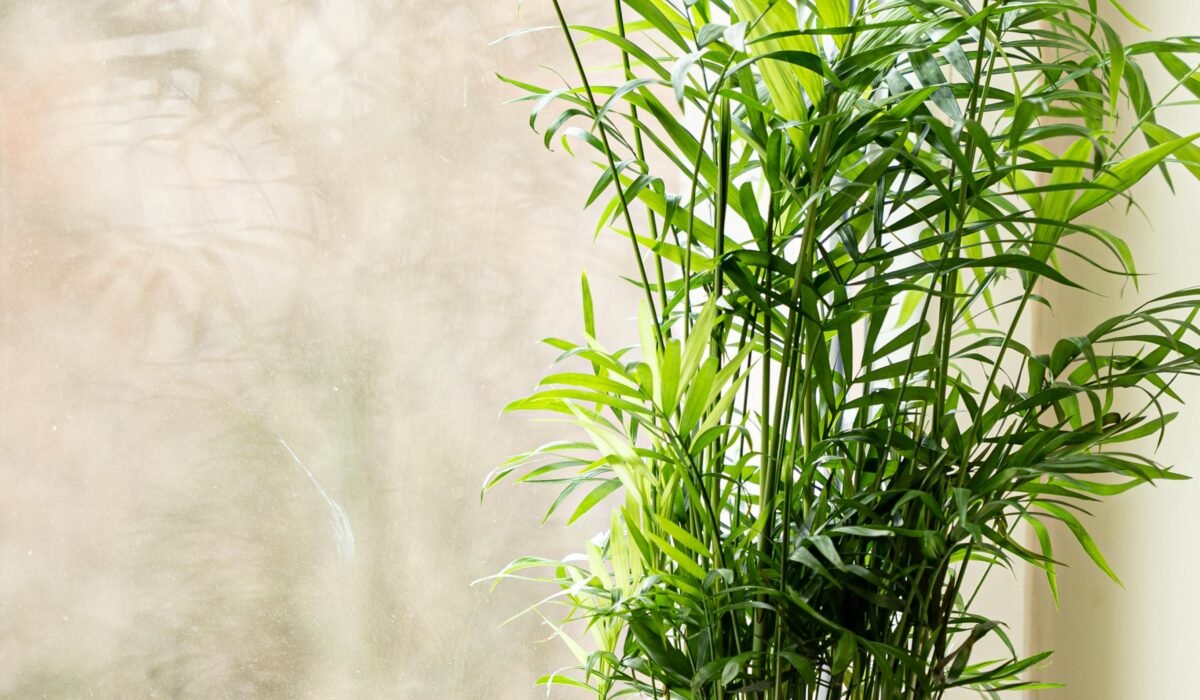
Are you ready to transform your indoor space with a vibrant, air-purifying plant? This comprehensive **bamboo palm care guide** will equip you with the expert knowledge to cultivate a thriving Chamaedorea seifrizii, ensuring it remains a lush, green focal point in your home or office through 2026 and beyond. From my over 10 years of experience in horticulture, mastering the nuances of this beautiful palm is easier than you think when you have the right advice.
Quick Answer: Bamboo palms need bright, indirect light, consistently moist well-draining soil, and high humidity. Water when the top inch of soil is dry, fertilize monthly during growing seasons, and mist regularly for a lush, air-purifying indoor plant.
What is Bamboo Palm Care and Why Does it Matter in 2026?
Bamboo palm care involves providing the ideal environmental conditions and routine maintenance to ensure the health and longevity of this popular indoor plant. This detailed **bamboo palm care guide** is essential because healthy plants contribute significantly to indoor air quality and overall well-being, a factor increasingly valued in 2026. NASA’s Clean Air Study confirmed that plants like the bamboo palm “can play a major role in removal of organic chemicals from indoor air” such as benzene, trichloroethylene, and formaldehyde (1989).
Understanding the specific needs of your bamboo palm (Chamaedorea seifrizii) goes beyond basic watering. It encompasses light, humidity, soil, nutrition, and pest management, all of which are interconnected for robust growth. A well-cared-for bamboo palm can grow up to 10-12 feet tall indoors, according to UF/IFAS Extension Charlotte County (2023).
The environmental benefits of bamboo palms extend beyond air purification. Certain bamboo species can release 35% more oxygen than an equivalent stand of trees, highlighting their significant ecological role. Furthermore, bamboo root systems are remarkably effective in reducing soil erosion by up to 75%, making them valuable both indoors and in broader environmental contexts. This **bamboo palm care guide** focuses on practical, actionable advice to help your plant thrive.
Cultivating a bamboo palm isn’t just about aesthetics; it’s about creating a healthier living environment. The global bamboo market itself was valued at USD 74.59 billion in 2025 and is projected to reach USD 77.61 billion in 2026, demonstrating the widespread appreciation and economic importance of bamboo and related species. This growth underscores the relevance of a comprehensive **bamboo palm care guide** for enthusiasts and professionals alike.
Bamboo Palm Light Requirements: Can it Grow in Low Light?
Yes, bamboo palms can tolerate low light conditions, but they thrive best in bright, indirect light. Providing optimal lighting is the first critical step in any **bamboo palm care guide**, as it directly impacts photosynthesis and overall plant vigor. UF/IFAS Extension Charlotte County states that “Bamboo palms… are among the few palms that thrive in shade and low-light conditions,” making them ideal indoor plants (2023).
Step 1: Provide Ideal Lighting Conditions
Providing ideal lighting conditions is paramount for your bamboo palm’s health and growth. Too much direct sun can scorch its delicate fronds, while too little can lead to leggy growth and reduced vitality.
* Bright, Indirect Light: Position your bamboo palm near a north-facing window, or a south/east/west-facing window that is shaded by a sheer curtain or other plants. This ensures ample brightness without harsh direct rays.
* Avoid Direct Sun: Direct afternoon sun is particularly damaging, causing leaves to yellow or brown quickly. Move your plant away from intense light sources during peak sun hours.
* Low Light Tolerance: While they can survive in low light, growth will be slower, and the plant may appear less dense. If your space is naturally dim, consider supplementing with a grow light for a few hours daily, especially during shorter winter days.
* Rotation: Rotate your bamboo palm every few weeks to ensure all sides receive adequate light, promoting even growth and preventing leaning. This simple practice is a key component of effective **bamboo palm care guide** strategies.
Houseplant expert Vladan Nikolic suggests that a good spot for a bamboo palm is “near a window that receives morning or evening sun, or under a shaded patio or pergola” (2024). This strategic placement helps mimic its natural understory habitat. Achieving proper bamboo palm light requirements is fundamental for a lush specimen.
How to Water Your Bamboo Palm for Optimal Health
To water your bamboo palm for optimal health, you must maintain consistently moist, but not waterlogged, soil. Overwatering is a common mistake that can lead to root rot, a primary cause of plant failure, according to Penn State Extension (2023). This **bamboo palm care guide** emphasizes balanced hydration.
Step 2: Master Watering Techniques
Mastering watering techniques is crucial for preventing both underwatering and overwatering, which are equally detrimental to bamboo palms. Consistent moisture supports the plant’s tropical origins and prevents stress.
* Check Soil Moisture: Always check the top inch or two of soil before watering. If it feels dry to the touch, it’s time to water. A soil moisture sensor meter (e.g., from Amazon) can provide accurate readings, reducing guesswork.
* Thorough Watering: When you do water, do so thoroughly until water drains from the bottom of the pot. This ensures the entire root ball is hydrated. Discard any excess water from the saucer to prevent roots from sitting in standing water.
* Frequency Adjustment: Watering frequency will vary based on light, temperature, humidity, and pot size. In warmer months or brighter conditions, you might water once a week. In cooler, dimmer conditions, it could be every two weeks. My experience shows that flexibility is key to successful **bamboo palm care guide** application.
* Water Quality: Bamboo palms can be sensitive to fluoride and chlorine in tap water. If your tap water is heavily treated, consider using filtered water or letting tap water sit out for 24 hours to allow chemicals to dissipate.
Step 3: Ensure Proper Humidity
Ensuring proper humidity levels is vital for bamboo palms, as they originate from tropical understories where humidity is naturally high. Low humidity can lead to brown tips on leaves, a common symptom of environmental stress.
* Misting: Regularly misting the foliage with filtered water can temporarily increase humidity around the plant. Aim for daily misting, especially in dry indoor environments or during winter when heating systems reduce air moisture.
* Pebble Trays: Place the pot on a tray filled with pebbles and water. As the water evaporates, it creates a localized humid microclimate around the plant. Ensure the bottom of the pot does not sit directly in the water.
* Humidifiers: For consistently low humidity, consider using a room humidifier. This is particularly beneficial for larger plants or multiple humidity-loving plants grouped together. Maintaining relative humidity between 50-60% is ideal for this type of **bamboo palm care guide**.
* Grouping Plants: Grouping several plants together naturally increases local humidity as they release moisture through transpiration. This simple trick can make a big difference in maintaining proper `chamaedorea seifrizii care`.
Fertilizing Your Bamboo Palm: The 2026 Schedule
Fertilizing your bamboo palm should be done monthly during its active growing season, typically from spring through early fall. A consistent fertilization schedule is a cornerstone of any effective **bamboo palm care guide**, replenishing essential nutrients the plant uses for vigorous growth. Tony O’Neill, a gardening expert from Simplify Gardening, advises that “Bamboo palm does not need a lot of fertilizer, but it can benefit from a balanced liquid fertilizer every four to six weeks during the growing season” (2024).
Step 4: Fertilize During Growing Season
Fertilizing during the growing season provides the necessary nutrients for strong frond development and overall plant health. Neglecting this step can lead to nutrient deficiencies, manifesting as `bamboo palm yellow leaves` or stunted growth.
* Balanced Liquid Fertilizer: Use a balanced liquid fertilizer (e.g., 5-5-5 or 10-10-10 NPK) diluted to half strength. This prevents over-fertilization, which can burn roots.
* Monthly Application: Apply fertilizer once a month from April to September. Reduce or cease fertilization during the dormant winter months when growth naturally slows.
* Recommended Products:
* Espoma Organic Palm Tone is an excellent choice, specifically formulated for palms, providing a steady release of nutrients.
* Jobe’s Organics Granular (4-2-4 NPK) is another highly rated organic option that improves soil quality over time.
* Dr. Earth Exotic Blend Organic & Natural Palm, Tropical & Hibiscus Fertilizer (5-4-6 NPK) is also designed for exotic plants like palms.
* Application Method: Always water your bamboo palm thoroughly before applying fertilizer to prevent root burn. Apply the diluted solution evenly around the base of the plant. This proactive approach to **bamboo palm care guide** ensures optimal nutrient uptake.
Troubleshooting Common Bamboo Palm Issues: A Symptom Checker
Troubleshooting common bamboo palm issues involves accurately identifying symptoms and implementing appropriate solutions. A `bamboo palm symptom checker` is an invaluable tool in any **bamboo palm care guide**, helping you diagnose problems ranging from watering imbalances to pest infestations. Prompt action can prevent minor issues from becoming major setbacks.
Step 5: Monitor for Pests and Diseases
Monitoring for pests and diseases is essential for maintaining a healthy bamboo palm, as early detection significantly improves treatment success. Regular inspection of your plant’s foliage, especially the undersides of leaves, can help catch issues before they spread.
Here’s a quick symptom checker for common `indoor bamboo palm pests` and issues:
| Symptom | Possible Cause | Solution & Preventative Action |
|---|---|---|
| Yellowing Lower Leaves | Normal aging, overwatering, or nutrient deficiency. | Remove old leaves. Check soil moisture. Ensure proper drainage. Apply a balanced fertilizer, as outlined in this **b
Related PostsLATEST Post
Terrace gardening: 7 proven space-saving ideasPublished On: July 22, 2026
Fertilize indoor plants: 7 proven ways for healthy growthPublished On: July 22, 2026
Herb companion plants: 7 proven pairings for growthPublished On: July 22, 2026
Flower gardening: 5 simple tips for stunning displaysPublished On: July 22, 2026
Balcony gardening: 7 easy ways to attract pollinatorsPublished On: July 22, 2026
Vertical garden mistakes: 10 critical errors to avoidPublished On: July 21, 2026
Yellowing plant leaves: 10 fast fixes for healthy plantsPublished On: July 21, 2026
Attract beneficial insects: 12 simple ways for your gardenPublished On: July 21, 2026
|