Key Takeaways
- Early detection of powdery mildew, when less than 1% of plants are affected, significantly improves control outcomes, according to Oregon State University Extension research (2026).
- Powdery mildew topped the list of 2025 trouble spots and is an even bigger concern for 2026, as reported in the 2026 FGN Pest & Disease Survey (2026).
- Squash and pumpkin were identified as the most susceptible crops to powdery mildew by 71% of respondents in the 2026 American Vegetable Grower survey (2026).
- Potassium bicarbonate, applied at 1.6 oz/gal, can reduce pathogen sporulation by up to 80% on diseased leaves (2026).
- Fungicide resistance in grape powdery mildew, specifically to SDHI fungicides, was found in up to 50% of California samples compared to under 10% in Oregon (2026).
Are you struggling with a white, dusty coating on your plants and wondering how to eradicate it effectively? This comprehensive 2026 guide will help you confidently **Identify Treat Powdery Mildew 2026**, offering practical strategies and expert insights to protect your garden. With over a decade of experience in horticulture, I’ve seen firsthand how quickly this fungal infection can spread, but also how readily it can be managed with the right approach.
Quick Answer: Powdery mildew appears as white, powdery spots on leaves and stems, thriving in warm, dry conditions. Treat it by improving air circulation, pruning infected parts, and applying remedies like neem oil, potassium bicarbonate, or fungicides early for effective control.
What is Powdery Mildew and How to Identify it in 2026?
Powdery mildew is a common fungal disease that manifests as distinctive white, powdery spots or patches on the surface of plant leaves, stems, flowers, and fruits. This fungal infection plants can severely weaken susceptible varieties, making it crucial to **Identify Treat Powdery Mildew 2026** promptly. Gary W. Moorman, Ph.D., of Pennsylvania State University, states that “All the powdery mildew fungi are obligate parasites, requiring live tissue to grow and reproduce.” This means the fungus relies entirely on your living plants for survival.
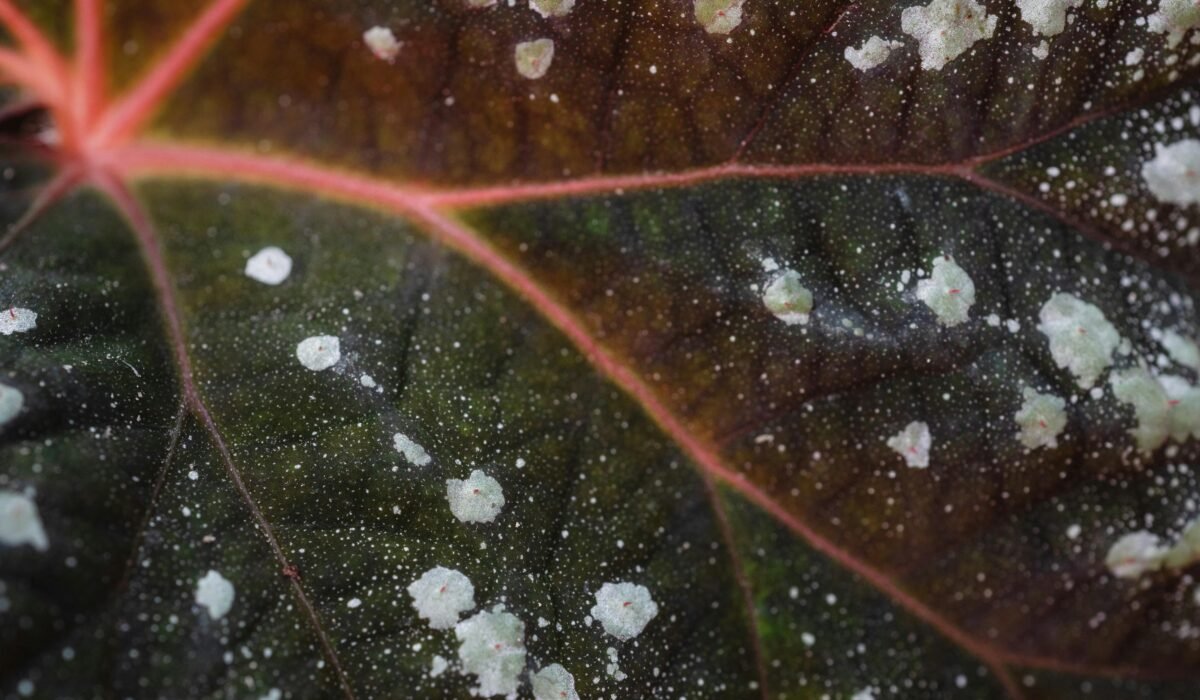
The tell-tale sign of powdery mildew symptoms is a white or grayish, flour-like coating that can be easily rubbed off. This appearance makes plant disease identification relatively straightforward for gardeners. Initially, you might notice small, circular spots, but these can quickly expand to cover entire leaves, often on both upper and lower surfaces.
Young leaves and new growth are particularly vulnerable to this fungal infection plants. When left unchecked, the powdery growth can cause leaves to yellow, distort, and eventually drop prematurely. This significantly impacts photosynthesis and overall plant vigor.
Powdery mildew thrives in specific environmental conditions, making early identification vital.
Recognizing the earliest signs allows for swift intervention and prevents widespread damage to your garden.
The characteristic white, dusty spots are composed of fungal spores and mycelia.
These structures are easily spread by wind, insects, and even garden tools, facilitating rapid disease progression.
To effectively **Identify Treat Powdery Mildew 2026**, observe your plants regularly for any unusual white patches, particularly on new foliage. Timely detection is your best defense against this pervasive garden plant disease.
What Causes Powdery Mildew on Your Plants?
Powdery mildew is caused by various species of fungi, primarily from the Erysiphaceae family, which thrive under specific environmental conditions, particularly warm, dry climates with high humidity. This seemingly contradictory combination often occurs when nights are cool and humid, and days are warm and dry, creating the perfect breeding ground for these fungi to **Identify Treat Powdery Mildew 2026**. Walt Mahaffee, Research Plant Pathologist at USDA-ARS, noted that the 2025 season was challenging for powdery mildew and predicted “more of the same challenges as 2025 presented” for 2026, indicating a continued need for vigilance.
Unlike many other fungi, powdery mildew does not require water on the leaf surface for germination. Instead, it prefers a dry leaf surface but high humidity in the air around the plant. This is a crucial distinction when considering powdery mildew prevention tips. Poor air circulation, often due to overcrowded plants, exacerbates the problem by trapping humid air around foliage.
Factors contributing to powdery mildew outbreaks:
- Temperature Fluctuations: Warm days (60-80°F or 15-27°C) followed by cool, humid nights create ideal conditions for spore germination and spread.
- Shade and Overcrowding: Plants in shaded areas or those planted too closely together experience reduced air circulation, leading to stagnant, humid microclimates.
- Excess Nitrogen Fertilizer: Over-fertilizing with nitrogen promotes lush, tender new growth that is particularly susceptible to infection. This is a common pitfall in garden plant diseases.
- Susceptible Plant Varieties: Some plants are genetically more prone to powdery mildew, such as squash, cucumbers, roses, and lilacs.
The fungal spores are highly airborne and can travel long distances to infect new plants.
This widespread dispersal makes it a persistent challenge for gardeners aiming to control garden plant diseases.
Understanding these environmental triggers is fundamental to preventing and managing the disease.
Adjusting cultural practices can significantly reduce the likelihood of an outbreak and help you **Identify Treat Powdery Mildew 2026**.
Knowing the causes helps you implement targeted strategies to **Identify Treat Powdery Mildew 2026** before it becomes a major issue.
Is Powdery Mildew Harmful to Humans or Safe to Eat?
Powdery mildew is generally not considered harmful to humans if accidentally ingested, and while it might not be appetizing, eating small amounts of produce with powdery mildew is typically safe. The primary concern with powdery mildew on edible plants, like powdery mildew on squash or cucumbers, is not toxicity to humans but rather the significant impact it has on the plant’s health, yield, and aesthetic quality. This fungal infection plants primarily targets plant tissue, not human health.
While the fungus itself isn’t toxic, a heavy infestation can make vegetables and fruits taste unpleasant, affecting their texture and shelf life. For example, a squash or cucumber heavily covered in powdery mildew might be tough, bitter, or simply unappetizing. The visible white coating is largely composed of fungal spores and mycelia, which are not known to produce toxins harmful to humans.
However, there are a few important considerations:
- Reduced Crop Quality: Severely infected plants struggle to photosynthesize effectively, leading to smaller, less flavorful, or deformed fruits and vegetables.
- Allergic Reactions: In rare cases, individuals with severe mold allergies might experience mild respiratory irritation from inhaling large quantities of spores, though this is uncommon in garden settings.
- Secondary Infections: A plant weakened by powdery mildew is more susceptible to other, potentially more harmful, bacterial or fungal infections that *could* be problematic.
The main impact of powdery mildew on edible crops is economic and aesthetic.
Gardeners aim to eliminate it to ensure a bountiful and appealing harvest, not primarily for human safety.
You can typically wash off the powdery mildew from fruits and vegetables before consumption.
Peeling affected produce is another effective way to remove any fungal presence, ensuring your food is clean.
Therefore, while you don’t need to panic if you eat a piece of fruit with a little powdery mildew, the goal is still to **Identify Treat Powdery Mildew 2026** to ensure the best possible harvest from your garden.
How to Save a Plant with Powdery Mildew: Prevention & Early Detection
To save a plant with powdery mildew, the most effective strategy involves a combination of vigilant prevention and swift, early detection, as intervention when the disease is minimal significantly improves outcomes. Oregon State University Extension research emphasizes that “applying the first fungicide application when disease appears on less than 1% of plants significantly improves control outcomes” (2026). This proactive approach is key to effectively **Identify Treat Powdery Mildew 2026**.
Step 1: Identify Powdery Mildew Symptoms Early
The first step in saving your plants is to recognize the early signs of infection. Look for small, circular white or grayish patches on the upper sides of leaves, especially on new growth. Early detection allows you to take immediate action, preventing the spread of the fungal infection plants. My 10 years of gardening experience have taught me that a daily walk through the garden is the best defense.
Step 2: Understand Environmental Triggers
Grasping why powdery mildew appears helps you modify conditions to deter it. Powdery mildew thrives in conditions of high humidity around the plant but dry leaf surfaces, often exacerbated by poor air circulation. Addressing these triggers is a primary powdery mildew prevention tip.
Avoid overhead watering in the evening, which can increase humidity around foliage.
Watering at the base of plants or in the morning allows leaves to dry quickly throughout the day.
Ensure your plants have adequate spacing to promote good air movement.
This simple practice can drastically reduce the likelihood of the fungus taking hold and help you **Identify Treat Powdery Mildew 2026**.
Step 3: Implement Cultural Prevention Strategies
Cultural practices are your first line of defense against powdery mildew, focusing on creating an environment that discourages fungal growth. These strategies are fundamental to long-term plant care tips and resilience.
- Pruning for Airflow: Thin out dense foliage on susceptible plants like roses or squash to improve air circulation. Remove any heavily infected leaves or stems immediately and dispose of them away from the garden to prevent spore dispersal. This can be done effectively with proper pruning basics for beginners.
- Choose Resistant Varieties: Whenever possible, select mildew-resistant varieties of your favorite plants. Many mildew-resistant varieties of cucurbits (melons, cucumbers, squash) are available from major seed suppliers, and cultivars like ‘David’ and ‘Jeana’ are noted for garden phlox mildew resistance.
- Proper Watering: Water deeply and consistently at the base of plants to maintain good soil health garden, avoiding wetting the leaves, especially in the evening.
- Balanced Fertilization: Avoid excessive nitrogen, which promotes lush, susceptible new growth. Opt for balanced fertilizers that support overall plant health. You might find our guide on organic fertilizers for home gardens helpful.
- Sanitation: Clean up plant debris, especially at the end of the growing season, as spores can overwinter on fallen leaves.
By consistently applying these cultural practices, you create a less hospitable environment for powdery mildew, making it easier to **Identify Treat Powdery Mildew 2026** and prevent its spread.
Best Homemade Remedies for Powdery Mildew (and How They Work)
The best homemade remedies for powdery mildew often involve common household ingredients that disrupt the fungus’s ability to grow and reproduce, offering effective natural powdery mildew control. These solutions are excellent for gardeners looking to **Identify Treat Powdery Mildew 2026** without resorting to synthetic chemicals. Jeff Gillman, Ph.D., Director of the University of North Carolina Charlotte Botanical Gardens, tested that one part ethanol-based mouthwash to three parts water is an effective powdery mildew control.
Here are some of the most effective homemade solutions and how they work:
- Milk Spray: A solution of milk and water (typically a 1:10 ratio of milk to water) has been shown to be effective. The proteins in the milk, when exposed to sunlight, produce free radicals that are toxic to the powdery mildew fungus. It also leaves a thin film that inhibits spore germination.
- Baking Soda Solution: Mix 1 teaspoon of baking soda (sodium bicarbonate) with 1 quart of water, and add a few drops of mild liquid soap as a spreader-sticker. Baking soda works by altering the pH on the leaf surface, creating an alkaline environment that is inhospitable to the fungus.
- Potassium Bicarbonate: Similar to baking soda but often more effective and less prone to leaf burn, potassium bicarbonate is an excellent alternative. When applied at a rate of 1.6 oz/gal (10 g/l) to diseased leaves, it can reduce pathogen sporulation by up to 80% (2026). It works by rapidly changing the pH on the leaf surface, killing the fungal cells.
- Neem Oil: While often sold commercially, pure neem oil can be mixed at home. It acts as an antifeedant, growth disruptor, and suffocant for various pests, and also has fungicidal properties against powdery mildew. It disrupts the fungus’s life cycle. Specific brands like EcoWorks EC utilize neem oil for effective organic powdery mildew treatment.
- Apple Cider Vinegar: A solution of 2-3 tablespoons of 5% acetic acid apple cider vinegar per gallon of water can be used. The acetic acid in the vinegar can kill fungal spores on contact, though it should be used cautiously to avoid leaf burn.
These homemade remedies offer a gentle yet powerful approach to fungal infection plants.
They are particularly useful for early-stage infections or as part of a regular preventative spray program.
Always test any homemade spray on a small section of the plant first to check for adverse reactions.
Applying these solutions in the early morning or late evening helps prevent potential leaf scorch and ensures maximum efficacy when you **Identify Treat Powdery Mildew 2026**.
Incorporating these natural powdery mildew control methods into your plant care tips can significantly help you **Identify Treat Powdery Mildew 2026** and maintain a healthy, vibrant garden.
Comparing Organic vs. Chemical Powdery Mildew Treatments 2026
Comparing organic versus chemical powdery mildew treatments involves weighing their efficacy, environmental impact, and safety, with both categories offering viable solutions to **Identify Treat Powdery Mildew 2026** depending on the severity of the infection and your gardening philosophy. The choice often comes down to balancing immediate control with long-term garden health and sustainability. For instance, the 2026 FGN Pest & Disease Survey reported powdery mildew as a major concern, highlighting the need for effective treatment options across the board (2026).
| Feature | Organic Powdery Mildew Treatment | Chemical Powdery Mildew Treatment |
|---|---|---|
| Active Ingredients | Neem oil, potassium bicarbonate, sulfur, Bacillus subtilis, horticultural oils. | Myclobutanil, Propiconazole, Thiophanate-methyl, Chlorothalonil, Azoxystrobin. |
| Efficacy | Best for prevention & early-stage infections. Requires consistent application. Often slower-acting. | Fast-acting, highly effective for severe infestations. Provides systemic or protective action. |
| Environmental Impact | Generally low impact, safer for beneficial insects, pollinators, and soil health. | Can be harmful to beneficial insects, aquatic life; potential for fungicide resistance 2026; impacts soil microbiome. |
| Application Frequency | Often requires more frequent applications (e.g., every 5-7 days) due to contact action. | Less frequent applications (e.g., every 7-14 days) due to systemic or longer-lasting contact action. |
| Fungicide Resistance 2026 | Low risk of resistance development due to multiple modes of action or physical disruption. | Higher risk of resistance development, especially with repeated use of single-site fungicides. Requires rotation. Genetic markers for SDHI fungicide tolerance in grape powdery mildew were found in up to 50% of samples from California in recent research (2026). |
| Examples | Neem oil, Serenade Garden Disease Control (Bacillus subtilis), JMS Stylet Oil. | Bonide Fung-onil (Chlorothalonil), Daconil, Rally, Compass. |
Organic options, such as Neem oil and Potassium bicarbonate, work through various mechanisms like suffocating spores, disrupting fungal cell walls, or introducing beneficial microbes like Bacillus subtilis found in products like BioWorks Cease Biofungicide Serenade Garden Disease Control. These are typically contact fungicides, meaning they must directly touch the fungus to be effective.
Chemical fungicides, on the other hand, often contain systemic ingredients that are absorbed by the plant.
These protect new growth and offer longer residual control, making them best fungicide for powdery mildew in severe cases.
When you **Identify Treat Powdery Mildew 2026**, consider starting with organic methods and escalating to chemical options if the infestation is severe or persistent.
Always rotate chemical fungicides with different FRAC codes to prevent fungicide resistance 2026.
For gardeners committed to sustainable practices, integrating organic powdery mildew treatment into their routine is a priority. However, for a severe outbreak threatening an entire crop, a judicious application of an appropriate chemical fungicide might be necessary to effectively **Identify Treat Powdery Mildew 2026**.
Targeted Powdery Mildew Strategies for Specific Plants
Targeted powdery mildew strategies recognize that different plants have varying susceptibilities and require tailored approaches to effectively **Identify Treat Powdery Mildew 2026**. While general prevention tips apply, understanding specific plant needs can significantly improve control outcomes. The 2026 American Vegetable Grower survey revealed that 71% of respondents identified squash/pumpkin as the most susceptible crop, with cucumber ranking second (2026).
Here’s how to approach specific common garden plants:
- Powdery Mildew on Squash and Cucumbers:
- Prevention: Plant resistant varieties. Ensure proper spacing for air circulation. Avoid overhead watering.
- Treatment: Apply milk spray or potassium bicarbonate solution weekly at the first sign. For persistent issues, use organic fungicides like neem oil or sulfur.
- Insight: These plants are highly susceptible, so vigilance is key. Consider vertical gardening to improve airflow.
- Powdery Mildew on Roses:
- Prevention: Choose resistant rose varieties. Prune for good air circulation, especially in the center of the bush. Plant in full sun.
- Treatment: Use baking soda or potassium bicarbonate sprays. Neem oil is also effective. For severe cases, consider a systemic fungicide like Myclobutanil.
- Insight: Powdery mildew on roses can be disfiguring. Regular preventative sprays are often necessary in humid climates.
- Powdery Mildew on Grapes:
- Prevention: Select resistant cultivars. Ensure proper canopy management through pruning to allow light and air penetration.
- Treatment: Sulfur dust or sprays are very effective, but avoid using on sulfur-sensitive varieties or in very hot weather. Horticultural oils also work. Monitor for fungicide resistance 2026, as genetic markers for SDHI fungicide tolerance were found in up to 50% of California grape powdery mildew samples (2026).
- Insight: Grape powdery mildew can severely impact fruit quality and yield. Professional growers often use a rotation of fungicides with different modes of action.
- Powdery Mildew on Zinnias and Other Ornamentals:
- Prevention: Plant zinnias in full sun with good spacing. Look for mildew-resistant ornamental varieties.
- Treatment: Horticultural oils or milk sprays can be effective. Products containing Bacillus subtilis, like Serenade Garden Disease Control, offer biological control.
- Insight: While not edible, severe infections on ornamentals can ruin their aesthetic appeal. Early and consistent treatment is important to preserve blooms.
Tailoring your approach to each plant’s specific needs and susceptibility greatly improves your chances of success.
Understanding these nuances is a hallmark of effective plant care tips and disease management.
Always ensure full coverage when applying sprays to **Identify Treat Powdery Mildew 2026** on specific plants.
The undersides of leaves, where spores can hide, are just as important as the top surfaces.
By implementing these specific strategies, you can more effectively **Identify Treat Powdery Mildew 2026** and protect the diverse plants in your garden.
Building Long-Term Garden Resilience Against Powdery Mildew
Building long-term garden resilience against powdery mildew involves fostering overall plant health and a balanced ecosystem, reducing your reliance on constant intervention to **Identify Treat Powdery Mildew 2026**. This holistic approach goes beyond immediate treatments, focusing instead on creating an environment where plants can naturally resist diseases. From my experience, a healthy garden is a resilient garden, less prone to outbreaks of fungal infection plants.
Key strategies for long-term resilience:
- Enhance Soil Health: A robust soil microbiome is crucial for strong, healthy plants. Incorporate plenty of organic matter, such as compost, to improve soil structure, water retention, and nutrient availability. Healthy soil supports a diverse microbial community, some of which can suppress plant pathogens. Understanding understanding soil types for beginners is a great first step.
- Choose Resistant Plant Varieties: This is one of the most effective long-term strategies. Many seed companies offer resistant plant varieties for vegetables and ornamentals. For example, specific phlox cultivars like ‘David’ and ‘Jeana’ are known for their mildew resistance. Always check plant tags or seed catalogs for “PM resistant” labels when planning your garden.
- Promote Biodiversity: A diverse garden ecosystem with various plant species can attract beneficial insects and microorganisms that help maintain balance and deter disease outbreaks. Companion planting can also play a role in creating a healthier environment.
- Optimize Watering and Nutrition: Consistent, deep watering at the base of plants promotes strong root development, while balanced fertilization prevents the flush of tender growth that powdery mildew loves. Avoid over-fertilizing with nitrogen.
- Ensure Good Air Circulation: Proper plant spacing, strategic pruning to thin out dense foliage, and selecting appropriate planting sites (e.g., full sun for susceptible plants) are vital. This reduces humidity around leaves, a key factor in powdery mildew’s proliferation. You can learn more about pruning basics here.
A resilient garden is less susceptible to disease because its plants possess stronger natural defenses.
These defenses are built from the ground up, starting with nutrient-rich soil and appropriate plant choices