
Key Takeaways
- 95% of spring-blooming species flower significantly earlier in warmer years, according to Northern Woodlands Magazine (2026).
- The Lady Bird Johnson Wildflower Center announced Carolina jessamine as the Wildflower of the Year in March 2026.
- 73% of native seed projects in 2022 and 2023 addressed habitat restoration, according to the National Seed Strategy Progress Report (2024).
- Wildflowers thrive best in low-quality soil, making amendments like compost unnecessary, according to the WWF (2023).
- Optimal coverage for wildflower seeds requires approximately 5 grams per square meter, according to the WWF (2023).
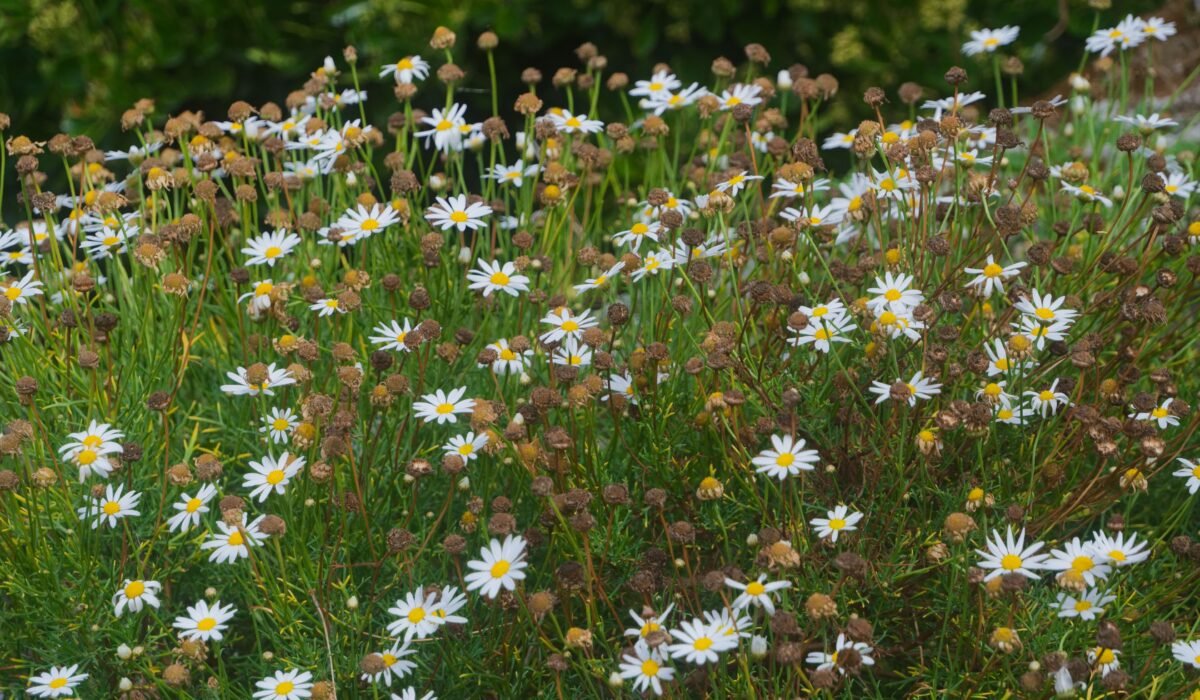
Dreaming of a vibrant, buzzing patch of nature right in your backyard? Many gardeners envision a stunning meadow but often wonder how to truly succeed with Growing Beautiful Wildflowers From Seed. In my 10 years of experience, I’ve seen firsthand that transforming a patch of ground into a thriving wildflower haven is entirely achievable with the right approach and a little patience. This comprehensive guide will walk you through the essential steps, ensuring your efforts lead to a spectacular display of color and life.
Quick Answer: Growing wildflowers from seed involves selecting native seeds, preparing a lean, sunny site, sowing at the optimal time, ensuring seed-to-soil contact, consistent watering, managing weeds, and long-term care for a thriving, beautiful meadow.
Why Grow Wildflowers From Seed?
Growing wildflowers from seed offers a multitude of ecological and aesthetic benefits, transforming ordinary spaces into dynamic, low-maintenance ecosystems. These native plants are crucial for supporting local biodiversity, with 73% of native seed projects in 2022 and 2023 addressing habitat restoration for pollinators and threatened species, according to the National Seed Strategy Progress Report (2024). Opting for Growing Beautiful Wildflowers From Seed allows you to cultivate a resilient landscape that not only delights the eye but also significantly contributes to environmental health.
Establishing wildflowers from seed is often more cost-effective than purchasing mature plants, especially when aiming for a larger meadow. Furthermore, wildflowers are naturally adapted to local conditions, requiring less water and intervention once established, making them an excellent choice for designing a low-maintenance flower garden.
Beyond their practical advantages, wildflowers bring an unparalleled natural beauty to any setting. Their diverse forms and colors create a stunning display that evolves with the seasons, attracting beneficial insects and birds. This natural spectacle enriches your gardening experience and fosters a deeper connection with the natural world.
Choosing the Right Native Wildflower Seeds for Your Region
Selecting the correct native wildflower seeds is the single most critical decision for successful Growing Beautiful Wildflowers From Seed, as regional adaptation ensures optimal growth and ecological benefit. Native species are best suited to your local climate and soil conditions, and they provide essential food and habitat for local wildlife and pollinators, as emphasized by organizations like the WWF. For example, the Lady Bird Johnson Wildflower Center actively promotes native plants, designating species like Carolina jessamine (Gelsemium sempervirens) as Wildflower of the Year in March 2026 for its adaptability and pollinator support.
When choosing seeds, always prioritize mixes that specify native species for your exact eco-region. General “wildflower mixes” can sometimes contain non-native or even invasive species that can outcompete local flora and disrupt ecosystems. Reputable seed companies like Eden Brothers and American Meadows often offer regionally specific mixes that are carefully curated.
Consider the specific conditions of your planting site, such as sun exposure, soil type, and moisture levels, when making your selection. Some wildflowers prefer full sun and dry conditions, while others thrive in partial shade or moist soil. The Lady Bird Johnson Wildflower Center provides excellent resources for identifying native plants suitable for various regions.
Understanding Perennial vs. Annual Wildflowers
When planning for Growing Beautiful Wildflowers From Seed, it’s helpful to understand the difference between annual and perennial types. Annual wildflowers complete their life cycle in one season, providing quick color, while perennials return year after year, forming the backbone of a sustainable meadow.
- Annual Wildflowers: These bloom profusely in their first year from seed, offering immediate visual impact. They then die off, but many readily self-seed for future displays. Examples include California poppies and cosmos.
- Perennial Wildflowers: These typically establish a strong root system in their first year and may not bloom until the second season, but they provide long-term beauty. They are key for a self-sustaining meadow. Examples include coneflowers and black-eyed Susans.
A balanced mix of both annuals and perennials can provide first-year color while establishing a long-lasting meadow for continuous enjoyment.
Preparing Your Site for Wildflower Success
Proper site preparation is paramount for successful Growing Beautiful Wildflowers From Seed, as it eliminates competition and creates an ideal environment for germination and establishment. Wildflowers grow best in low-quality soil, so do not use compost or any fertilizer, according to the WWF (2023). This lean soil preparation for wildflowers prevents grasses and aggressive weeds from outcompeting the delicate wildflower seedlings.
The first step is to choose a location that receives at least six hours of direct sunlight daily, as most wildflowers require ample light to thrive. Once the location is selected, clearing the area of existing vegetation is crucial. This can be done through solarization, smothering, or careful manual removal.
For large areas, consider methods that avoid herbicides if possible, such as repeatedly tilling the soil to bring weed seeds to the surface, allowing them to germinate, and then removing the new growth before planting. This process, known as “false seedbed” preparation, significantly reduces future weed management in wildflower garden efforts.
How to Prepare Soil for Wildflowers
Preparing soil for wildflowers means creating a weed-free, lean, and well-draining bed that mimics natural conditions. This approach is fundamental for successful Growing Beautiful Wildflowers From Seed.
- Clear Existing Vegetation: Remove all weeds, grass, and debris. This is the most crucial step.
- Loosen the Soil: Lightly cultivate the top 1-2 inches of soil to create a loose seedbed. Deeper tilling can bring dormant weed seeds to the surface.
- Avoid Amendments: Do not add compost, manure, or fertilizers. Wildflowers prefer poor soil, and rich soil encourages weeds.
- Level the Area: Rake the surface smooth to ensure good seed-to-soil contact, which is vital for germination.
Ensuring your soil preparation for wildflowers is thorough will pay dividends in the long run by minimizing weed competition and maximizing wildflower germination tips. For more insights on soil health, you might find our guide on improving vegetable garden soil health naturally helpful, even though wildflowers prefer leaner conditions.
When to Plant Wildflower Seeds for Optimal Growth?
The best time to plant wildflower seeds for optimal growth typically depends on your climate and the specific species, but generally, late fall or early spring are ideal. These timings allow the seeds to undergo natural stratification, a period of cold exposure essential for breaking dormancy in many native wildflower seeds. For example, 95% of spring-blooming species flower significantly earlier in warmer years, according to a study by Northern Woodlands Magazine (2026), highlighting the importance of proper timing relative to seasonal changes.
Fall Planting (Late Autumn before first hard freeze): This mimics nature’s cycle, allowing seeds to experience winter’s cold and wet conditions. The melting snow and spring rains then provide the perfect moisture for germination. This is particularly beneficial for perennial wildflowers that require a cold stratification period.
Spring Planting (Early Spring after last hard freeze): This is suitable for annual wildflowers and perennial species that do not require cold stratification. Planting when the soil is workable but still cool ensures adequate moisture for germination before summer heat sets in. This is often the best time to plant wildflower seeds for spring bloom in many regions.
Consult local resources or seed packet instructions for the most precise recommendations for your area. Andrea DeLong-Amaya, horticulture director at the Lady Bird Johnson Wildflower Center, notes the challenge of predicting wildflower blooms due to micro-climate variations, underscoring the importance of local knowledge (February 2025).
The 7 Steps to Growing Beautiful Wildflowers From Seed
Achieving a vibrant display of wildflowers requires a methodical approach, and these seven steps provide a clear roadmap for successful Growing Beautiful Wildflowers From Seed. Following these guidelines ensures that each stage of establishment is handled correctly, from initial site preparation to nurturing your burgeoning meadow. My experience has shown that diligence in these steps drastically increases success rates.
Step 1: Clear the Planting Area
Clear the planting area thoroughly to remove all existing vegetation, especially weeds and grasses, as this eliminates competition for light, water, and nutrients. This initial clearing is the most crucial step in site preparation for wildflowers, setting the stage for strong wildflower germination tips.
Use methods like hand-pulling, smothering with cardboard, or solarization with clear plastic for several weeks in hot weather. Ensure that any perennial weeds, especially those with deep roots, are completely eradicated to prevent their regrowth and dominance over your new wildflower seedlings. This commitment to a clean slate is vital for Growing Beautiful Wildflowers From Seed.
Step 2: Prepare the Soil Leanly
Prepare the soil by lightly raking and loosening the top inch or two, creating a fine, crumbly texture without adding any organic amendments. Wildflowers naturally thrive in lean, unfertilized soil, and rich soil often favors aggressive weeds and grasses that will outcompete your desired plants.
This approach to soil preparation for wildflowers is a cornerstone of successful Growing Beautiful Wildflowers From Seed. Avoid deep tilling, which can bring dormant weed seeds to the surface, causing future problems. A simple surface scratch is usually sufficient to provide a good bed for the seeds.
Step 3: Sow Seeds Evenly
Sow seeds evenly across the prepared area, ensuring uniform distribution to prevent overcrowding and maximize coverage. For effective coverage, approximately 5 grams of wildflower seed is needed per square meter, according to the WWF (2023).
To aid in even distribution, especially with tiny seeds, you can mix them with an inert filler like sand, perlite, or fine sawdust before broadcasting. This makes it easier to see where you’ve sown and ensures a more consistent spread, which is key for successful Growing Beautiful Wildflowers From Seed.
Step 4: Ensure Seed-to-Soil Contact
Ensure good seed-to-soil contact by gently pressing the seeds into the soil surface after broadcasting. This crucial step anchors the seeds, preventing them from being washed away and providing the necessary contact for water absorption and germination.
You can achieve this by lightly walking over the sown area, using a roller, or gently tamping with a flat board. Most wildflower seeds need light to germinate, so avoid burying them too deeply; merely pressing them onto the surface is usually sufficient for successful Growing Beautiful Wildflowers From Seed.
Step 5: Water Gently Consistently
Water gently and consistently after sowing, keeping the seedbed moist but not waterlogged until germination occurs. Consistent moisture is absolutely vital during this critical establishment phase, as dry seeds will not germinate and young seedlings are highly vulnerable to desiccation.
Use a fine spray nozzle to avoid displacing the seeds or creating puddles that can wash them away. Continue this consistent watering regimen for the first 4-6 weeks or until seedlings are well-established, which is a key part of long-term wildflower care and essential for Growing Beautiful Wildflowers From Seed.
Step 6: Manage Weeds Diligently
Manage weeds diligently throughout the establishment phase, as weed competition is the primary reason for wildflower meadow establishment failure. Early and consistent weed management in wildflower garden efforts gives your desired plants the best chance to thrive.
Identify and remove weeds by hand as soon as they appear, being careful not to disturb the delicate wildflower seedlings. Consider including yellow rattle seed in your mix, as recommended by the WWF, because it is parasitic to grass and helps suppress its growth, giving wildflowers a competitive edge when Growing Beautiful Wildflowers From Seed.
Step 7: Observe and Enjoy Wildflowers
Observe your growing wildflowers regularly, enjoying their development and making minor adjustments as needed, fostering a deeper connection with your garden. This ongoing observation allows you to catch any issues early, such as pest outbreaks or specific watering needs, ensuring the long-term health of your meadow.
Celebrate the emergence of new blooms and the arrival of pollinators, understanding that a wildflower meadow is a dynamic ecosystem that will evolve over time. This mindful approach to long-term wildflower care is incredibly rewarding and is the ultimate goal of Growing Beautiful Wildflowers From Seed.
Troubleshooting Common Wildflower Growing Challenges
Even with careful planning, challenges can arise when Growing Beautiful Wildflowers From Seed, but most common issues have straightforward solutions. One of the most frequent problems is poor germination, which often stems from insufficient seed-to-soil contact or inconsistent moisture during the critical initial weeks. My experience shows that inadequate weed control is another major hurdle, as aggressive weeds can quickly outcompete tender wildflower seedlings.
Another common issue is a lack of blooms in the first year, particularly with perennial mixes. Many perennial wildflowers focus on developing strong root systems in their initial growing season and may not flower until their second year. Patience is key here, as they are building a foundation for future, abundant displays.
Common Wildflower Growing Issues and Solutions
Here’s a quick guide to troubleshooting common problems encountered when Growing Beautiful Wildflowers From Seed:
| Challenge | Cause | Solution |
|---|---|---|
| Poor Germination | Lack of seed-to-soil contact, inconsistent moisture, buried too deep. | Ensure seeds are pressed firmly onto soil; water consistently with a fine spray; avoid deep burial. |
| Weed Overgrowth | Insufficient site preparation, rich soil encouraging weeds. | Thoroughly clear site pre-planting; use lean soil; hand-weed diligently, especially early on. |
| Lack of First-Year Blooms | Perennial species focusing on root development. | Be patient; many perennials bloom in year two. Include some annuals for first-year color. |
| Sparse Growth | Insufficient seed density, poor soil, lack of sun. | Ensure 5g/sq meter seed density (WWF, 2023); confirm 6+ hours of sun; avoid rich soil. |
| Pest Damage | Aphids, slugs, or other common garden pests. | Encourage beneficial insects; hand-pick larger pests; use organic pest control if necessary. |
Addressing these issues proactively will significantly improve your success in creating a thriving wildflower meadow.
Sustaining Your Wildflower Meadow Year After Year
Sustaining your wildflower meadow year after year involves understanding its natural cycles and implementing minimal, thoughtful maintenance to encourage long-term vibrancy. Unlike a traditional garden, a wildflower meadow thrives on a less-is-more approach, allowing for natural reseeding and ecological succession. This long-term wildflower care is essential for maintaining the health and diversity you achieve when Growing Beautiful Wildflowers From Seed.
One critical aspect is managing competition from aggressive grasses and weeds. The Seeds of Success (SOS) program, a native seed collection initiative, highlights the importance of preserving native diversity for ecological restoration, underscoring the need to prevent invasive species from dominating your meadow. Regular, light weeding in the early years can prevent these issues.
Consider a late fall or early spring mowing (raising your mower blades high) once your meadow is established. This helps to spread seeds, suppress woody growth, and rejuvenate the plants. Always ensure seeds have dispersed before any significant cutting. This practice maintains an open canopy, allowing sunlight to reach shorter wildflower species.
Essential Long-Term Wildflower Care Tips
- Annual Mowing: Mow once a year in late fall or early spring, setting blades high (6-8 inches). This spreads seeds and prevents woody plants from taking over.
- Spot Weeding: Continue to spot-weed invasive or aggressive plants that might outcompete your wildflowers.
- Observe Natural Reseeding: Allow wildflowers to go to seed naturally. Many species, especially annuals and some perennials, will self-seed, ensuring continuous blooms.
- Avoid Fertilizers: Continue to avoid adding fertilizers, as rich soil encourages grasses and weeds detrimental to wildflower health.
- Embrace Succession: Understand that your meadow will naturally change over time. Different species may become dominant as the ecosystem evolves.
By following these low-maintenance wildflower garden tips, you can ensure your meadow remains a beautiful, biodiverse haven for many years, truly embodying the success of Growing Beautiful Wildflowers From Seed.
Frequently Asked Questions
What are the steps to planting wildflowers?
The steps to planting wildflowers include clearing the site, preparing lean soil, sowing seeds evenly, ensuring seed-to-soil contact, consistent watering, managing weeds, and providing long-term care. Proper site preparation is crucial, as wildflowers prefer low-quality soil, according to the WWF (2023).
What is the best way to start wildflowers from seed?
The best way to start wildflowers from seed is by selecting native seeds, preparing a weed-free, lean soil bed, sowing at the optimal time (fall or early spring), gently pressing seeds for good soil contact, and maintaining consistent moisture. This method ensures seeds receive the necessary conditions for successful germination and establishment.
When is the best time to plant wildflower seeds?
The best time to plant wildflower seeds is generally late fall or early spring, depending on your region and the specific seed mix. Fall planting allows for natural cold stratification, which is essential for many perennial species, and 95% of spring-blooming species flower significantly earlier in warmer years, according to Northern Woodlands Magazine (2026).
Do wildflowers come back every year?
Whether wildflowers come back every year depends on if they are annuals or perennials; annuals complete their life cycle in one season but often self-seed, while perennials return year after year. A mix of both types ensures continuous blooms and long-term meadow establishment.
What is the recommended seed density for wildflowers?
The recommended seed density for wildflowers is approximately 5 grams of seed per square meter for effective coverage. This density, suggested by the WWF (2023), ensures a robust display without overcrowding, allowing individual plants sufficient space to thrive.
Growing Beautiful Wildflowers From Seed is a deeply rewarding endeavor that enriches both your landscape and the local ecosystem. By meticulously following these seven essential steps—from selecting native seeds and preparing a lean site to diligent weed management and long-term care—you are well on your way to cultivating a vibrant, self-sustaining meadow. Embrace the journey, and watch as your efforts transform into a breathtaking tapestry of color and life, attracting pollinators and inspiring awe. Start your wildflower meadow today and contribute to a healthier, more beautiful world.







