Key Takeaways
- A DIY drip irrigation system can reduce garden water usage by 30 to 50% compared to traditional methods, according to Iowa State University (2026).
- Homeowners can save up to 50% on annual garden water usage with a properly installed drip irrigation system, as reported by Drip Depot (2026).
- The average residential drip irrigation system costs $520 for professional installation, but DIY systems typically range from $75 to $360 for parts, according to LawnStarter (2025).
- Drip irrigation applies water directly to the plant root zone, minimizing evaporation and significantly reducing weed growth, according to Illinois Extension (2025).
- Surface drip systems accounted for 72.0% of the Drip Irrigation Market revenue in 2025, highlighting their widespread adoption for garden use, according to Market Research Future (2026).
Are you tired of spending countless hours hand-watering your vegetable garden, only to see inconsistent growth and high water bills? Building a **DIY drip irrigation system for vegetable garden** is a game-changer, offering a highly efficient, water-saving solution that delivers moisture directly to your plants’ roots, ensuring healthier yields and less effort. As an expert gardener with over 10 years of experience, I’m here to guide you through every step of creating a custom, low-cost system that will transform your gardening experience.
Quick Answer: A DIY drip irrigation system for a vegetable garden delivers water directly to plant roots, conserving water significantly (up to 50%) and promoting healthier plant growth. It involves assembling tubing, emitters, and a pressure regulator to create a low-cost, efficient, custom watering solution.
Why Choose a DIY Drip Irrigation System for Your Vegetable Garden?
Choosing a **DIY drip irrigation system for vegetable garden** offers unparalleled benefits in water conservation, plant health, and time savings, making it a superior choice over traditional watering methods. Drip irrigation systems can use 30 to 50% less water than sprinklers or other watering methods, according to Iowa State University (2026). This efficiency directly translates to healthier plants and a more sustainable garden.
In my decade of gardening, I’ve seen firsthand how a well-implemented drip system can transform a struggling garden into a thriving one. It’s not just about saving water; it’s about creating an optimal environment for your vegetables to flourish.
Drip irrigation is by far the most efficient and sustainable method, delivering water directly to the root zone while minimizing waste, evaporation, and overwatering, as stated by Irritec (2025). This precision watering ensures that every drop counts, reducing runoff and promoting deeper root growth.
The benefits of a **DIY drip irrigation system for vegetable garden** extend beyond water savings. Applying water directly to the soil minimizes leaf wetness, significantly reducing the risk of plant diseases, according to Illinois Extension (2025). This targeted approach keeps foliage dry, deterring common fungal issues that can plague vegetable plants.
Here’s a breakdown of the key advantages:
- Significant Water Savings: Drip systems can reduce water usage by 30–70% compared to hand-watering, ensuring your garden thrives with less water, according to Drip Depot (2026). This is crucial for both the environment and your water bill.
- Healthier Plant Growth: By delivering water directly to the root zone, plants receive consistent moisture without cycles of drought and overwatering, leading to stronger root systems and increased yields. This consistent hydration is vital for robust vegetable development.
- Reduced Weed Growth: Water is only supplied where needed, starving weeds in pathways and between plants of the moisture they require to sprout and grow. This naturally minimizes the time you spend weeding.
- Disease Prevention: Keeping foliage dry prevents many common plant diseases that thrive in wet leaf conditions. This targeted watering helps maintain the overall health of your vegetable garden.
- Time and Labor Savings: Once installed, your **DIY drip irrigation system for vegetable garden** operates efficiently, freeing up your time from daily watering chores. You can even automate it with a simple timer.
- Nutrient Retention: Drip irrigation helps prevent nutrient runoff, keeping valuable fertilizers in the root zone where plants can access them. This ensures your plants get the most out of your soil amendments.
Essential Components for Your DIY Drip System
To build an effective **DIY drip irrigation system for vegetable garden**, you’ll need several key components that work together to deliver water efficiently. Understanding each part is crucial for successful installation and optimal performance. Drip Depot, a leading supplier, offers a wide range of these components, making it easy to find what you need.
A robust drip system begins with the right foundation. Each component plays a vital role in ensuring consistent water delivery and efficient operation throughout your garden.
The core of any **DIY drip irrigation system for vegetable garden** relies on a few fundamental parts that manage pressure, filter water, and distribute it precisely. These components are readily available and designed for easy assembly, even for beginner gardeners.
Here are the essential components you’ll need:
| Component | Purpose | Key Considerations |
|---|---|---|
| Backflow Preventer | Prevents contaminated garden water from flowing back into your household’s potable water supply. | Mandatory in most areas; ensures water safety. |
| Pressure Regulator (Reducer) | Reduces standard household water pressure (typically 40-60 psi) to the lower pressure (10-25 psi) required for drip systems. | Crucial for preventing blowouts and ensuring even water distribution; Rain Bird and Hunter Industries offer reliable options. |
| Filter | Removes sediment and debris from the water, preventing emitters from clogging. | Essential for longevity of your system, especially if using well water. |
| Mainline Tubing (e.g., 1/2″ or 3/4″ Polyethylene) | Carries water from the source to the distribution tubing and drippers. | Choose appropriate diameter based on garden size and water flow; Netafim provides quality mainline tubing. |
| Distribution Tubing (e.g., 1/4″ Microtubing) | Smaller tubing that branches off the mainline to individual plants or rows. | Flexible and easy to cut; often used with drip emitters. |
| Drip Emitters / Drippers | Devices that slowly release water at a controlled rate (e.g., 0.5, 1, 2 GPH) directly to the plant root zone. | Available in various flow rates; pressure-compensating emitters ensure uniform watering on slopes. |
| Drip Tape | Flat tubing with pre-installed emitters, ideal for long, straight rows of vegetables. | Cost-effective for large areas; Irritec offers various drip tape options like their Armonia line. |
| Fittings (Connectors, Tees, Elbows, End Caps) | Connect and direct the tubing, allowing for custom layouts. | Essential for creating a sealed and flexible **DIY drip irrigation system for vegetable garden**. |
| Hole Punch Tool | Used to create holes in mainline tubing for inserting emitters or micro-tubing connectors. | Simplifies installation and ensures precise connections. |
| Garden Hose Timer (Optional) | Automates watering schedules, turning the system on and off as programmed. | Highly recommended for convenience and consistent watering. |
For a more advanced **DIY drip irrigation system for vegetable garden**, consider adding a smart irrigation controller, which can cost $100 to $230 (2026 data), or moisture/rain sensors, priced at $30 to $150 (2026 data), to further optimize water conservation. These additions, often from brands like Rain Bird or Hunter Industries, can significantly enhance efficiency.
Planning Your Drip Irrigation Layout: Customizing for Your Garden
Effective planning is the cornerstone of a successful **DIY drip irrigation system for vegetable garden**, ensuring that every plant receives adequate water and the system operates efficiently. A well-thought-out layout prevents common issues like uneven watering and pressure drops. Iowa State University emphasizes the importance of planning for advantages, planning, and use in their guidance on drip irrigation (2026).
Before you even touch a component, take the time to sketch out your garden. This initial step will save you significant time and frustration during installation, making your homemade drip system for raised beds or row gardens incredibly effective.
Customizing your drip irrigation layout to your specific vegetable garden configuration, whether it’s raised beds, rows, or containers, is paramount for optimal performance. This ensures that water is delivered precisely where it’s needed, minimizing waste.
Here’s how to plan your layout:
- Map Your Garden: Draw a detailed diagram of your vegetable garden, including all plants, rows, raised beds, or containers. Mark your water source (faucet) and identify the path for your mainline tubing. This visual guide is essential for a precise **DIY drip irrigation system for vegetable garden**.
- Determine Plant Water Needs: Different vegetables have varying water requirements. Group plants with similar needs together if possible. For example, thirsty crops like tomatoes and squash might need more emitters or higher flow rates than drought-tolerant herbs.
- Choose Emitter Type and Spacing:
- Individual Emitters: Best for widely spaced plants, containers, or raised beds. Place one or two emitters near the base of each plant.
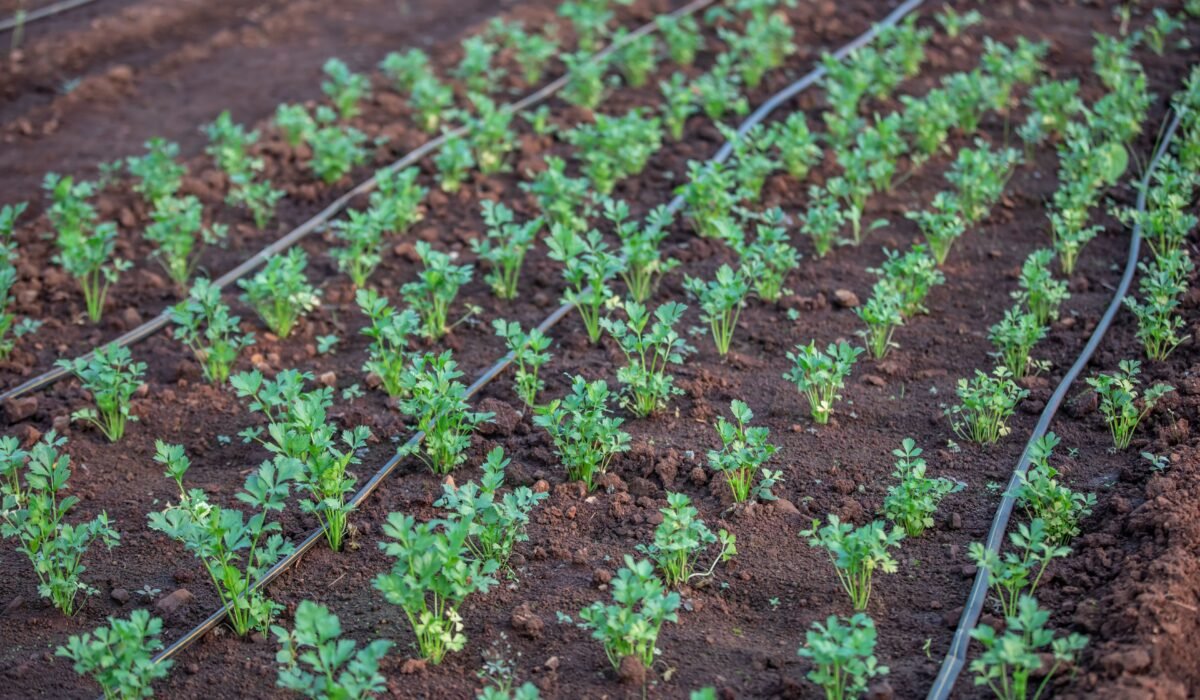
- Drip Tape: Ideal for long, straight rows of densely planted vegetables like corn, beans, or carrots. The emitters are pre-spaced along the tape, offering consistent coverage. Irritec’s Armonia line is a good option here.
- Soaker Hoses: An inexpensive way to start for a low-cost drip irrigation for small gardens, particularly for rows. These porous hoses “weep” water along their length.
- Calculate Water Flow: Consider the flow rate of your chosen emitters (e.g., 0.5 GPH, 1 GPH) and the total number of emitters. Ensure your water source can provide sufficient pressure and volume for the entire system to operate effectively. Overloading a single zone can lead to uneven water distribution.
- Plan for Expansion: If you anticipate expanding your garden, design your mainline with future additions in mind. Incorporate extra end caps or easy-to-add connection points.
For a homemade drip system for raised beds, consider running a single mainline along one side of the bed and then branching off with 1/4″ micro-tubing to individual plants, each with its own emitter. This allows for precise watering in a confined space.
How to Build Your DIY Drip Irrigation System: Step-by-Step
Building your **DIY drip irrigation system for vegetable garden** is a rewarding process that transforms your watering routine, and with these clear steps, you’ll have it up and running in no time. A well-designed system, especially drip irrigation, can reduce water consumption by up to 60%, benefiting both the environment and your water bill, according to landscape expert Tommy Randall (2025). This guide simplifies the installation drip irrigation process.
This is where your planning comes to life. Follow these instructions carefully, and you’ll soon have an efficient vegetable garden watering system DIY that saves you time and water.
Step 1: Connect to Your Water Source
The first step in creating your **DIY drip irrigation system for vegetable garden** is to establish a secure and regulated connection to your outdoor water faucet. This ensures that water enters your system at the correct pressure and is free from impurities. Begin by attaching a backflow preventer to your faucet, which is crucial for protecting your household water supply from contamination.
Next, screw on the pressure regulator (also known as a pressure reducer), followed by the filter. This sequence is vital for both safety and the longevity of your drip system, as it prevents high pressure from damaging components and stops debris from clogging emitters.
Step 2: Lay Mainline and Distribution Tubing
Now it’s time to lay out the backbone of your **DIY drip irrigation system for vegetable garden** by running the mainline tubing according to your garden plan. Start by connecting the mainline tubing to your filter, then carefully unroll it along the perimeter or through the center of your garden, ensuring it reaches all areas you intend to irrigate. For optimal flexibility and ease of installation, warm the polyethylene tubing in the sun for a short period before unrolling it; this makes it much more pliable.
Use appropriate fittings like tees and elbows to navigate corners and create branches for different garden zones. Secure the mainline tubing with stakes every few feet to keep it in place, especially around curves, creating a stable foundation for your vegetable garden watering.
Step 3: Install Emitters and Drippers
This step involves precisely placing the water delivery points for your **DIY drip irrigation system for vegetable garden**, directly targeting each plant’s root zone. Using a specialized hole punch tool, carefully create holes in your mainline tubing where each plant or cluster of plants will receive water. For a secure fit, ensure the holes are clean and appropriately sized for your chosen emitters or micro-tubing connectors.
Firmly insert your chosen drip emitters or connect 1/4″ distribution tubing with individual drippers into these holes, directing the water flow right to the base of your vegetables. For raised bed drip system setups or container gardens, run shorter lengths of micro-tubing from the mainline to each plant pot, securing the end with a small stake to prevent dislodgement.
Step 4: Add End Caps and Flush the System
Before fully sealing your **DIY drip irrigation system for vegetable garden**, it’s essential to flush out any debris that may have entered during installation. Remove all end caps from the mainline and any distribution tubing, then turn on your water source for a few minutes to allow water to flow freely through the lines. This simple yet critical step prevents clogging of your delicate emitters.
After flushing, turn off the water and securely attach the end caps to all open tubing ends. This seals the system, ensuring proper pressure buildup and preventing water leakage, which is crucial for efficient water conservation garden practices.
Step 5: Test and Adjust Your System
The final step in building your **DIY drip irrigation system for vegetable garden** is to thoroughly test it and make any necessary adjustments to ensure optimal performance. Turn on your water supply and carefully inspect the entire system for any leaks at connections, fittings, or emitters. A small leak can often be fixed by tightening the connection or re-inserting the fitting.
Observe the water flow from each emitter, ensuring that all plants are receiving consistent and adequate moisture. If some areas appear too dry or too wet, adjust emitter flow rates or add/remove emitters as needed. This fine-tuning is what makes your custom drip irrigation for container vegetables truly effective.
Troubleshooting Common DIY Drip Irrigation Issues
Even with careful planning, you might encounter a few hiccups with your **DIY drip irrigation system for vegetable garden**, but most common problems are easily fixable. Identifying and resolving these issues promptly ensures your system continues to deliver water efficiently and effectively. In my experience, addressing small problems early prevents bigger headaches later.
Don’t let minor setbacks discourage you. Many issues with a homemade drip system for raised beds stem from simple oversights that can be quickly corrected.
Effective troubleshooting for your **DIY drip irrigation system for vegetable garden** involves systematically checking components from the water source outwards. Most problems relate to water pressure, blockages, or damaged parts, all of which have straightforward solutions.
Here are common issues and their solutions:
- Uneven Water Distribution:
- Problem: Some plants get too much water, others not enough.
- Solution: Check for proper pressure regulation (ensure your pressure reducer is working). Verify all emitters are the same type and flow rate, or use pressure-compensating emitters, especially on sloped terrain. Ensure the mainline isn’t too long or overloaded with too many emitters for its diameter.
- Leaks at Connections:
- Problem: Water drips or sprays from fittings or where emitters connect.
- Solution: Tighten connections. If using barbed fittings, ensure they are fully inserted. For compression fittings, check that the collars are snug. Sometimes, a small piece of tubing might be slightly damaged; recutting and reattaching can help.
- Clogged Emitters:
- Problem: Emitters stop dripping or have reduced flow.
- Solution: This is often due to sediment. First, flush the system by removing end caps. If emitters remain clogged, remove and clean them, or replace them if necessary. Ensure your filter is clean and properly installed; clean it regularly as part of your drip system maintenance.
- Low Water Pressure:
- Problem: Water barely trickles out of emitters, or the system doesn’t reach all areas.
- Solution: Check your water source (faucet fully open). Inspect the filter for clogs. Verify the pressure regulator is functioning correctly and isn’t set too low. Ensure you haven’t exceeded the maximum recommended length or number of emitters for your mainline tubing size.
- Tubing Kinks:
- Problem: Tubing is bent sharply, restricting water flow.
- Solution: Reroute the tubing to avoid sharp bends. Use elbow fittings for corners instead of kinking the tubing. Warming the tubing in the sun can help it relax and remove minor kinks.
For complex troubleshooting, don’t hesitate to consult resources from reputable companies like Drip Depot or Netafim, which often provide detailed guides and customer support for their products.
Maximizing Water Savings: Tips for Your Drip System
To truly maximize the water-saving potential of your **DIY drip irrigation system for vegetable garden**, it’s important to integrate smart watering practices and maintain your system diligently. While drip irrigation inherently conserves water, combining it with other techniques can lead to even greater efficiency. With a properly installed drip irrigation system, homeowners could see up to a 50% reduction in annual water usage for their garden, according to Drip Depot (2026).
It’s not enough to just install the system; you need to manage it intelligently. These tips will help you get the most out of your water conservation garden efforts.
Optimizing your **DIY drip irrigation system for vegetable garden** involves more than just regular maintenance; it requires thoughtful scheduling and integration with other garden practices. This holistic approach ensures every drop of water is utilized effectively.
Here are practical tips for maximizing water savings:
- Use a Timer: Install an automated garden hose timer to ensure consistent, scheduled watering. This prevents overwatering and ensures your plants get water even when you’re busy. Smart irrigation controllers, costing $100-$230 (2026 data), offer advanced scheduling and weather responsiveness.
- Water Deeply and Infrequently: Instead of short daily bursts, run your **DIY drip irrigation system for vegetable garden** for longer durations less frequently. This encourages deeper root growth, making plants more resilient to dry spells.
- Monitor Soil Moisture: Regularly check the soil moisture around your plants. You can use a simple finger test or invest in a soil moisture meter. Adjust your watering schedule based on actual plant needs and weather conditions. Rain sensors, priced at $30-$150 (2026 data), can automatically shut off your system during rainfall.
- Apply Mulch Generously: A 2-4 inch layer of organic mulch (straw, wood chips, shredded leaves) around your plants significantly reduces soil evaporation. This keeps the soil cooler and moist longer, enhancing the efficiency of your drip system. This is a crucial step in any water conservation garden.
- Group Plants by Water Needs: Design your garden or adjust your emitter placement so that plants with similar water requirements are grouped together. This prevents overwatering drought-tolerant plants and underwatering thirsty ones.
- Conduct Regular System Checks: Periodically walk through your vegetable garden while the system is running to check for leaks, clogs, or misdirected emitters. Promptly address any issues to maintain peak efficiency. This is a key part of effective drip system maintenance.
- Consider Rainwater Harvesting: For the ultimate water savings, integrate your **DIY drip irrigation system for vegetable garden** with a rainwater harvesting barrel. A simple gravity-fed drip irrigation for garden setup can work well with collected rainwater.
Maintaining and Winterizing Your DIY Drip System
Proper maintenance and winterization are crucial for extending the life and ensuring the efficiency of your **DIY drip irrigation system for vegetable garden**. Neglecting these steps can lead to costly repairs or replacements, diminishing the long-term benefits of your investment. From my experience, a little preventative care goes a long way.
Think of it as an annual health check-up for your garden’s lifeline. Regular drip system maintenance will keep your system running smoothly season after season.
Consistent maintenance throughout the growing season, coupled with a thorough winterization process, protects your **DIY drip irrigation system for vegetable garden** from damage and ensures it’s ready for action each spring. This proactive approach saves time and money.
Here’s how to maintain and winterize your system:
Seasonal Maintenance (Throughout the Growing Season)
- Regular Flushing: Every few months, or if you notice reduced flow, remove the end caps and flush the system to clear any accumulated sediment. This is crucial for preventing clogged emitters.
- Filter Cleaning: Check and clean your filter regularly, especially if you have hard water or well water. A clogged filter can significantly reduce water pressure and lead to uneven distribution.
- Leak and Damage Inspection: Periodically walk through your garden while the system is running to check for leaks, kinks, or damaged tubing. Repair or replace damaged sections immediately using appropriate fittings.
- Emitter Checks: Ensure all emitters are still functioning correctly and haven’t become dislodged or blocked by plant growth. Clean or replace faulty emitters to maintain consistent watering.
- Adjust for Plant Growth: As your vegetable plants grow, you may need to adjust the position of emitters or add new ones to ensure water is still reaching the root zone. This is particularly relevant for a growing **DIY drip irrigation system for vegetable garden**.
Winterizing Your DIY Drip System (Before First Freeze)
Winterizing your **DIY drip irrigation system for vegetable garden** is a non-negotiable step in colder climates to prevent freeze damage. Water expands when it freezes, which can crack tubing, fittings, and emitters, leading to extensive damage.
- Turn Off Water Supply: The first and most critical step is to turn off the main water supply to your drip irrigation system at the faucet.
- Disconnect Components: Disconnect the backflow preventer, pressure regulator, and filter from the faucet. Store these delicate components indoors in a dry, protected area to prevent freezing and prolong their lifespan.
- Drain All Water:
- Remove all end caps from your mainline and distribution tubing.
- Open any drain valves if your system has them.
- Allow all water to thoroughly drain out of the tubing. Lift and shake sections of tubing to encourage complete drainage, especially in low spots.
- Clear Emitters: If possible, remove individual emitters or ensure they are fully drained. Some emitters are designed to be freeze-resistant, but removing them for storage is the safest option.
- Roll Up or Leave in Place: For small **DIY drip irrigation system for vegetable garden** setups, you might consider rolling up and storing mainline and distribution tubing indoors. For larger, more permanent installations, ensure all water is drained, and the tubing is left in place, perhaps covered with mulch for extra protection.
Frequently Asked Questions
Is DIY drip irrigation effective?
Yes, a **DIY drip irrigation system for vegetable garden** is highly effective, delivering water directly to plant roots with minimal waste. Drip systems can reduce water usage by 30-70% compared to hand-watering, according to Drip Depot (2026). This targeted approach promotes healthier plant growth and significantly conserves water resources.
How do you make a simple drip irrigation system?
To make a simple **DIY drip irrigation system for vegetable garden**, you connect a backflow preventer, pressure regulator, and filter to your water source, then lay mainline tubing through your garden. Punch holes in the mainline and insert drip emitters or connect micro-tubing to individual plants, finally adding end caps and flushing the system. DIY kits for drip irrigation typically range from $25 to $225, covering 150 to 750 square feet, according to LawnStarter (2025).
What is the cheapest way to drip irrigate?
The cheapest way to drip irrigate is often by using a simple soaker hose system or a basic **DIY drip irrigation system for vegetable garden** with minimal components. DIY drip irrigation systems can cost between $75 and $360 for parts, significantly less than professional installation, according to LawnStarter (2025). Utilizing recycled materials and planning a compact layout also helps keep costs down for a low-cost drip irrigation for small gardens.
Can you use a regular hose for drip irrigation?
A regular garden hose can be used to connect to the start of your drip irrigation system, but it is not suitable for the entire drip network. The hose delivers high-pressure water to the initial components (backflow preventer, pressure regulator, filter), which then convert it to the low pressure required for the specialized mainline tubing and emitters of a **DIY drip irrigation system for vegetable garden**. Using a regular hose for the entire system would result in excessive water flow and potential damage to plants and system components.
How often should a DIY drip irrigation system run?
A **DIY drip irrigation system for vegetable garden** should typically run for longer durations (30-90 minutes) less frequently (2-3 times per week), rather than short daily bursts. This encourages deeper root growth and better water absorption, according to Iowa State University (2026). Always monitor your soil moisture and adjust the schedule based on your specific plants’ needs, weather conditions, and soil type.
Building a **DIY drip irrigation system for vegetable garden** is an empowering project that yields significant benefits, from conserving precious water to nurturing robust, healthy plants. By following these steps and incorporating smart maintenance practices, you’ll create an efficient, customized watering solution that saves you time, effort, and money. Take control of your garden’s hydration—start planning your drip system today and watch your vegetable garden thrive like never before!