
Key Takeaways
- The global papaya market is projected to reach USD 20.17 billion by 2031, growing at a 4.84% CAGR.
- India was the leading papaya producer, contributing 5.3 million metric tons in 2023.
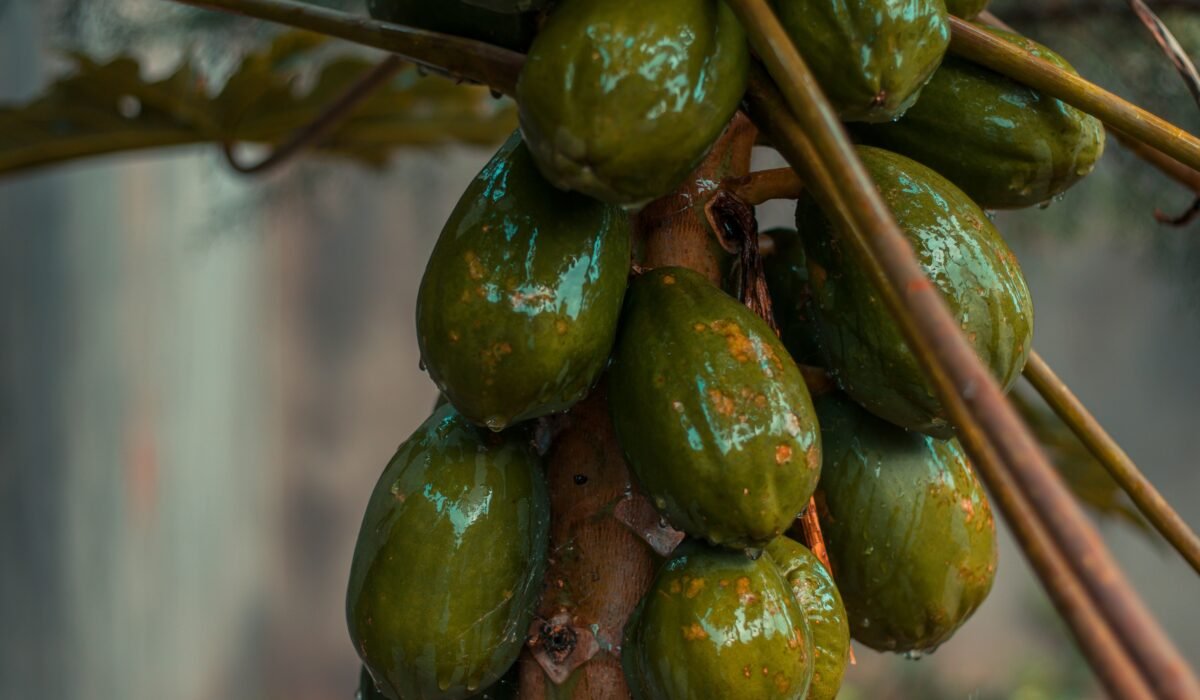
- Papaya plants can yield 50-60 fruits annually, providing a rewarding harvest for home gardeners.
- ‘SunUp’ and ‘Rainbow’ papaya varieties offer crucial disease resistance against Papaya Ringspot Virus.
- Tatiana Anderson recommends using at least a 15-gallon container for successful papaya growth in pots.
Many aspiring gardeners wonder how to grow papaya, a rewarding tropical fruit that can thrive in various home settings with the right care. While often associated with warm, humid climates, cultivating sweet papayas is entirely achievable for home gardeners, even those in less-than-ideal conditions. This comprehensive guide, drawing on my 10+ years of gardening expertise, will walk you through every essential step for how to grow papaya, ensuring you enjoy abundant, delicious harvests right from your garden.
Quick Answer: To grow papaya, plant seeds or seedlings in a sunny, well-drained location with rich, compost-amended soil (pH 6.0-6.5) in USDA zones 9-11. Provide consistent moisture, regular fertilization, and protection from frost. Harvest fruits when they begin to change color, typically 8-10 months after planting.
Is it easy to grow papaya plants?
Yes, growing papaya plants is surprisingly easy for many home gardeners, especially when provided with the right conditions. “Papayas are exceptionally easy to grow,” according to Tatiana Anderson from Top Tropicals. My own experience over a decade confirms that with proper sunlight, water, and soil, these tropical trees can thrive.
The key to successful papaya cultivation lies in understanding their fundamental needs. They are fast-growing, often producing fruit within a year of planting. This rapid growth makes them a very rewarding plant for those looking to enjoy fresh, homegrown tropical fruit.
Many gardeners are intimidated by tropical plants, but papayas are quite forgiving. They don’t demand constant attention once established, making how to grow papaya an accessible project for gardeners of all skill levels. The satisfaction of harvesting your own sweet fruit makes any initial effort well worth it.
Choosing the Right Papaya Variety for Your Garden
Selecting the appropriate papaya variety is crucial for a successful harvest, especially when considering your local climate and space. Different papayas offer varying fruit sizes, flavors, and disease resistances, directly impacting how to grow papaya effectively. It’s essential to match the plant to your specific growing environment.
For instance, disease-resistant varieties like ‘SunUp’ and ‘Rainbow’ papaya are vital in areas prone to Papaya Ringspot Virus (PRSV). These genetically engineered varieties have provided an estimated cumulative benefit of USD 70 million over 16 years by cutting virus-related losses. In my experience, choosing the right variety upfront saves a lot of headaches later on.
When considering how to grow papaya, especially in smaller spaces or containers, dwarf papaya varieties are an excellent choice. They offer manageable sizes without sacrificing fruit production. Here’s a comparison of popular papaya varieties:
| Variety Name | Key Characteristics | Ideal Growing Conditions | Disease Resistance |
|---|---|---|---|
| ‘SunUp’ papaya | Small, red-fleshed fruit; sweet and firm. | Tropical to subtropical; good for home gardens. | Resistant to Papaya Ringspot Virus (PRSV). |
| ‘Rainbow’ papaya | Medium-sized, yellow-orange flesh; very sweet. | Tropical to subtropical; common in Hawaii. | Resistant to Papaya Ringspot Virus (PRSV). |
| Solo varieties (e.g., ‘Kapoho Solo’) | Small, pear-shaped fruit; very sweet, yellow flesh. | Tropical climates; popular commercial variety. | Varies by specific cultivar; generally less resistant than GMOs. |
| Mexican Red/Yellow | Large fruit (up to 10 lbs); milder flavor. | Subtropical to tropical; requires more space. | Moderate. |
| Dwarf Papaya (e.g., ‘Waimanalo Dwarf’) | Compact growth, smaller fruit; ideal for pots. | Container growing, limited space, cooler climates. | Varies by specific cultivar. |
Starting Your Papaya Journey: From Seed or Seedling
Your papaya journey begins by deciding whether to start from seed or purchase a seedling, each method offering distinct advantages for how to grow papaya. Starting from seed is cost-effective and provides more variety options, while seedlings offer a quicker path to maturity. From my gardening background, I’ve found both methods successful with proper attention.
Step 1: Choose the Right Papaya Variety
Choosing the right variety ensures your plant is suited to your climate and preferences. This decision significantly impacts your success in how to grow papaya that thrives. Consider fruit size, flavor, and disease resistance.
For example, if Papaya Ringspot Virus is a concern in your region, prioritize resistant varieties like ‘SunUp’ or ‘Rainbow’ papaya. These specific choices minimize potential losses and lead to a more productive plant. Dwarf papaya varieties are excellent for container gardening.
Step 2: Start Papaya from Seed or Seedling
Starting papaya from seed involves extracting seeds from ripe fruit, washing them, and sowing them in a well-draining potting mix. This process allows you to propagate multiple plants economically. Plant seeds about ½ inch deep in small pots.
If you opt for seedlings, select healthy, vibrant plants from a reputable nursery with no signs of pests or diseases. This approach bypasses the germination phase, accelerating your journey to how to grow papaya. Ensure the seedling’s root ball is intact and shows no signs of circling roots.
For seed starting, plant several seeds per pot, as papaya plants can be male, female, or hermaphrodite. You’ll want to thin to one hermaphrodite or female plant later for fruit production, which is a key part of how to grow papaya successfully. Germination typically takes 2-5 weeks.
Planting and Papaya Plant Care Essentials
Proper planting and consistent papaya plant care are fundamental to cultivating healthy, productive papaya trees. These steps lay the groundwork for a robust plant, directly influencing how to grow papaya that yields abundant, sweet fruit. Neglecting these basics can lead to stunted growth or disease.
Step 3: Prepare Soil and Plant Papaya
Preparing the soil correctly is paramount for papaya’s root development and nutrient uptake. Papayas thrive in rich, well-drained soil with a pH between 6.0 and 6.5, according to the University of Florida IFAS (2023). This specific soil environment prevents waterlogging and provides essential minerals.
To achieve ideal soil conditions, amend heavy clay soils with organic matter like compost, sand, or perlite. For sandy soils, adding compost improves water retention and nutrient availability. Dig a hole twice as wide as the root ball and just as deep, then gently place the plant, backfilling with your amended soil.
Step 4: Provide Essential Papaya Care
Essential papaya care involves consistent watering, adequate sunlight, and protection from strong winds. Papayas need full sun, at least 6-8 hours daily, to produce sweet fruit. Consistent moisture is crucial, especially during dry periods, but avoid waterlogging which can lead to root rot.
Water deeply and regularly, allowing the top few inches of soil to dry out between waterings. Papaya plants are susceptible to wind damage due to their shallow root systems and hollow stems, so planting them in a sheltered location or providing windbreaks is important. Mulching around the base helps retain soil moisture and suppress weeds.
How to Grow Papaya in Containers and Challenging Climates
Learning how to grow papaya in containers or challenging climates opens up possibilities for gardeners outside tropical zones, making this delicious fruit accessible to more people. This approach requires strategic planning and specific care adjustments to mimic their ideal environment. My experience shows that with the right techniques, you can overcome climatic limitations.
Container Growing for Papaya
Container growing is an excellent solution for how to grow papaya in cooler regions or when garden space is limited. Tatiana Anderson advises choosing a container at least 15 gallons in size with good drainage for growing papaya in pots. This large size provides ample room for root development and stability.
Use a rich, well-draining potting mix, often a blend of compost, coco coir, and perlite. Rob Bob’s Aquaponics & Backyard Farm demonstrates growing papayas in wicking beds/barrels, which are self-watering container solutions that maintain consistent hydration while preventing root rot. This method is particularly effective for managing moisture levels.
Container plants will need more frequent fertilization and watering than in-ground plants. Move your potted papaya indoors or to a protected area when temperatures drop below 40°F (4°C) to prevent frost damage. This portability is a key advantage for how to grow papaya in non-tropical zones.
Growing Papaya in Cold Climates
To successfully grow papaya in cold climates, gardeners must create microclimates and provide winter protection. Planting near a south-facing wall can offer radiant heat and shelter, raising ambient temperatures. This simple technique can extend the growing season significantly.
For marginal zones, consider temporary covers or frost cloths during cold snaps. Some gardeners use heat sinks like brick walls to store solar energy during the day and release it at night. This proactive approach is essential for how to grow papaya where winters are harsh.
Dwarf papaya varieties are particularly well-suited for cold climates as they are easier to protect and move. Growing papaya in containers is often the most practical solution, allowing plants to be brought indoors during the coldest months. Consistent monitoring of weather forecasts is key to preventing cold damage.
Maximizing Your Papaya Harvest: Fertilization and Pruning
Maximizing your papaya harvest involves a strategic approach to fertilization and, when appropriate, selective pruning, which directly impacts fruit quantity and quality. These practices are essential for how to grow papaya plants that are highly productive and yield sweet, flavorful fruit. Proper nutrition supports vigorous growth and fruiting.
Papaya Tree Fertilizer
Regular fertilization is critical for the rapid growth and continuous fruiting of papaya trees. Young plants benefit from a balanced fertilizer (e.g., 8-8-8 or 10-10-10) applied monthly. As plants mature and begin fruiting, switch to a fertilizer higher in phosphorus and potassium to encourage flower and fruit development.
Organic papaya fertilizer options include well-rotted compost, aged manure, and bone meal. Apply granular fertilizers around the drip line of the tree, avoiding direct contact with the trunk. Liquid feeds, such as fish emulsion or compost tea, can provide quick nutrient boosts.
From my experience, little and often is the best approach for feeding papayas. Papaya plants are heavy feeders, so consistent nutrient supply is vital. They can produce 50-60 fruits per year, according to agricultural estimates, making the investment in good fertilizer worthwhile for how to grow papaya abundantly.
Pruning Papaya
Papaya plants typically do not require extensive pruning, but selective removal of dead or diseased leaves can improve air circulation and plant health. Excessive pruning can reduce fruit production, as flowers and fruits develop along the main stem. The goal of pruning is primarily maintenance.
Remove any yellowing or damaged leaves at the base of the stem using clean, sharp shears. This helps redirect the plant’s energy to healthy growth and fruit production. For dwarf papaya varieties or those grown in containers, light shaping might be done to maintain a manageable size, but always with caution.
Sometimes, if a papaya plant becomes too tall for easy harvesting, you might consider topping it. This involves cutting the main stem, which encourages side shoots and a bushier growth habit. This technique can be effective for how to grow papaya that is easier to manage, but it will temporarily halt fruit production on the main stem.
Troubleshooting Common Papaya Pests and Diseases
Troubleshooting common papaya pests and diseases is a critical skill for any gardener aiming to grow healthy and productive papaya plants. Early identification and appropriate treatment are vital for protecting your harvest. Ignoring these issues can quickly lead to significant yield losses, undermining your efforts to how to grow papaya successfully.
Papaya Disease Identification and Treatment
Papaya Ringspot Virus (PRSV) is one of the most devastating papaya diseases, causing yellowing, mottling, and distortion of leaves, and ring spots on fruit. There is no cure for PRSV in infected plants, so prevention is key. Research conducted at Tamil Nadu Agricultural University demonstrated a 22.49% reduction in PRSV infection through nutrient-based disease management trials.
Preventative measures include planting resistant varieties like ‘SunUp’ and ‘Rainbow’ papaya, controlling aphids (which spread the virus), and promptly removing and destroying infected plants. For other fungal issues like powdery mildew or anthracnose, organic fungicides or neem oil can be effective. Good air circulation and proper watering also help prevent fungal diseases. This attention to detail is crucial for how to grow papaya without major setbacks.
Combatting Papaya Pests
Common papaya pests include aphids, spider mites, and scale insects, all of which can weaken the plant and transmit diseases. Aphids are tiny, soft-bodied insects that cluster on new growth, sucking sap and secreting honeydew, which can lead to sooty mold. Spider mites cause stippling on leaves and fine webbing.
To combat these pests, use insecticidal soaps or neem oil sprays, ensuring thorough coverage of all leaf surfaces. For scale insects, a horticultural oil spray can smother them. Introducing beneficial insects like ladybugs can also provide natural pest control. Regularly inspecting your plants is the best defense. For more general advice, you can consult resources on effectively combatting indoor plant pests, many principles of which apply to container-grown papayas.
When and How to Harvest Your Sweet Papayas
Knowing when and how to harvest your sweet papayas is the culmination of all your gardening efforts, ensuring you enjoy the best flavor and texture. Picking at the right time is crucial for optimal sweetness. From my experience, patience is a virtue when it comes to harvesting this fruit.
Papayas typically mature and are ready for harvest 8-10 months after planting. The most reliable indicator of ripeness is a change in skin color from green to yellow or orange, starting from the bottom of the fruit. A papaya that is one-quarter to one-third yellow is usually ready to be picked and will continue to ripen indoors.
To harvest, gently twist the fruit from the stem or use a sharp knife to cut it, leaving a small stem attached. Avoid pulling the fruit forcefully, as this can damage the plant. For taller trees, specialized tools like the Hectare Papaya Picker or FESTEL Papaya Harvester with a pole can make harvesting easier and prevent fruit damage. These tools feature soft rubber coatings to protect the fruit.
Once harvested, papayas will continue to ripen at room temperature. For faster ripening, place them in a paper bag with an apple or banana. Store ripe papayas in the refrigerator for up to a week. Understanding these nuances ensures you maximize the enjoyment of how to grow papaya.
Frequently Asked Questions
Is it easy to grow a papaya tree?
Yes, growing a papaya tree is generally considered easy, especially in warm climates with full sun and well-draining soil. Tatiana Anderson from Top Tropicals states that “Papayas are exceptionally easy to grow,” making them suitable for many home gardeners. Consistent care, particularly with watering and feeding, leads to successful cultivation.
How long does it take to grow a papaya from seed?
It typically takes 8-10 months for a papaya plant grown from seed to start producing fruit. While germination can occur within 2-5 weeks, the plant needs several months of growth before it reaches maturity. Papaya plants can produce 50-60 fruits per year once established.
What month do you plant papaya?
The best month to plant papaya is typically in spring, after the last frost, when soil temperatures have warmed. In tropical and subtropical regions, planting can occur year-round. This timing ensures the young plants have ideal conditions for establishment and growth.
How many papayas does one tree produce?
A single healthy papaya tree can produce a significant yield, with estimates suggesting 50-60 fruits per year. This high productivity makes how to grow papaya a rewarding endeavor for fresh fruit. Optimal conditions and consistent fertilization contribute to these impressive yields.
What is the best soil for papaya?
The best soil for papaya is rich, well-draining, and slightly acidic, with a pH between 6.0 and 6.5. Good drainage is crucial to prevent root rot, which is a common issue for papayas. Amending with plenty of organic matter, such as compost, improves both drainage and fertility.
In my 10 years of cultivating various plants, learning how to grow papaya has consistently been one of the most rewarding experiences. By following these essential steps—from selecting the right variety and preparing the soil to consistent care and strategic harvesting—you can confidently grow your own sweet, tropical fruit. The joy of picking a ripe papaya from your garden is unparalleled, and with this guide, you’re well-equipped to achieve abundant success. Start your papaya journey today and savor the delicious results!







