
Key Takeaways
- Implementing preventative measures like mulching can reduce weed growth by 60-80%, according to the National Gardening Association (2024).
- The global bioherbicides market is projected to reach USD 3010.03 million in 2026, indicating a strong shift towards natural weed control solutions.
- Corn gluten meal effectively inhibits weed seed germination, providing 4-6 weeks of prevention when applied correctly, as noted by Iowa State University Extension (2021).
- Healthy soil, enriched by organic practices, naturally suppresses weeds and enhances plant resilience, according to Cornell University (2019).
- Combining methods like hand-pulling, mulching, and targeted organic herbicides creates a more sustainable and effective weed management system, as emphasized by UMN Extension (2025).
Are you tired of battling stubborn weeds in your garden, wishing for effective, eco-friendly solutions? Mastering organic garden weeding natural methods is essential for cultivating a thriving, chemical-free space without resorting to harsh synthetic herbicides. In my 10 years of experience in horticulture, I’ve seen firsthand how adopting these natural techniques not only keeps weeds at bay but also significantly improves the overall health and resilience of your garden ecosystem.
Quick Answer: Achieve organic garden weeding success by combining preventative measures like mulching with natural removal methods such as hand-pulling, hoeing, and organic herbicides. Focus on building healthy soil to naturally suppress weeds and reduce future effort effectively.
What is Organic Garden Weeding and Why Does it Matter?
Organic garden weeding refers to the practice of removing unwanted plants from your garden using only natural, non-synthetic methods that preserve soil health and biodiversity. This approach is crucial because it avoids the use of chemical herbicides, which can harm beneficial insects, soil microorganisms, and even human health, as highlighted by the Environmental Protection Agency (2023).
The shift towards these natural methods reflects a growing awareness among gardeners. In 2025, 49.5% of gardeners spent more money on gardening than the previous year, with 63.6% planning to expand their gardens in 2026, showing a clear trend towards sustainable practices. This commitment extends to every aspect, including how we manage weeds.
What’s the real impact of chemical weed killers? They can persist in the environment, leaching into water sources and affecting non-target plants and wildlife. Opting for organic garden weeding natural methods protects your plants, your family, and the broader ecosystem.
Embracing organic garden weeding natural methods is not just about removing weeds; it’s about fostering a balanced, thriving garden. These practices contribute to a healthier soil microbiome, which in turn supports stronger, more disease-resistant plants. It’s a holistic approach to garden care.
7 Effective Natural Methods for Organic Weed Control
Controlling weeds in an organic garden requires a multi-faceted approach, combining prevention with targeted removal. The best organic garden weeding natural methods focus on disrupting the weed life cycle and enhancing your garden’s natural defenses. These strategies are proven to be effective and sustainable.
Step 1: Implement Mulching for Prevention
Mulching is one of the easiest and most effective preventative strategies for organic garden weeding natural methods. It works by blocking sunlight from reaching weed seeds, thus preventing germination, as stated by Joybilee Farm (2022). Apply a 2-4 inch layer of organic mulch like wood chips, straw, shredded leaves, or compost around your plants. This not only suppresses weeds but also conserves soil moisture and regulates soil temperature.
Step 2: Practice Hand-Pulling and Hoeing
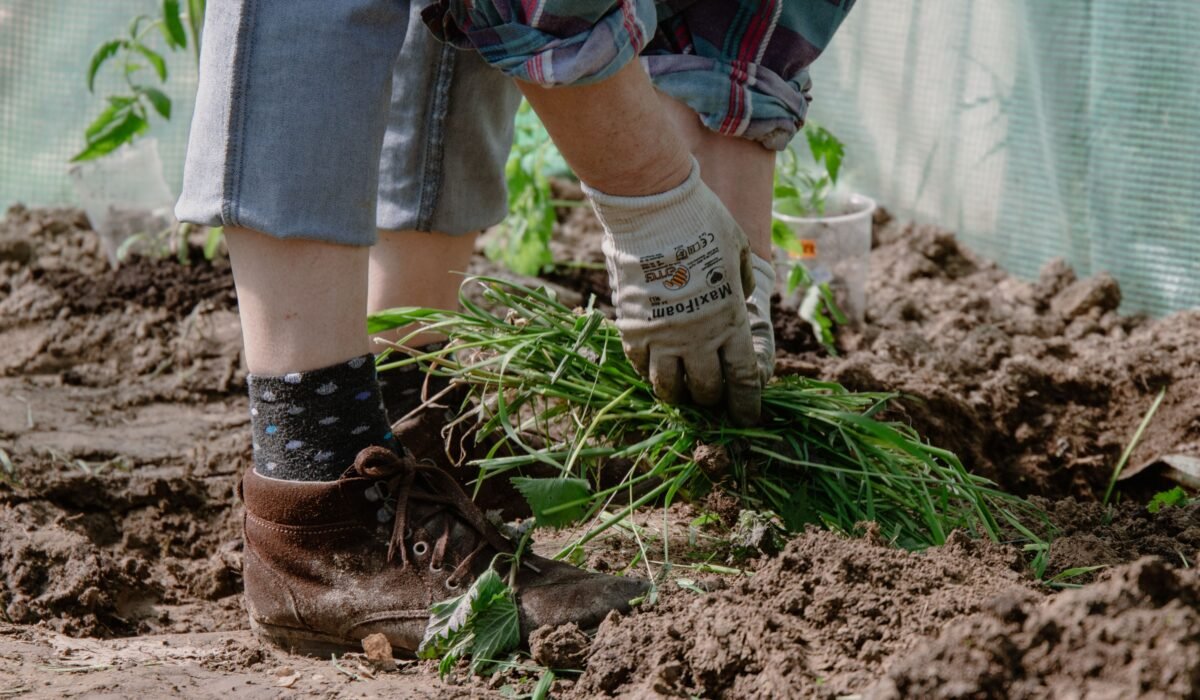
Hand-pulling and hoeing are fundamental organic garden weeding natural methods, especially for young weeds. Hand-pulling is most effective after rain or watering when the soil is soft, allowing for the removal of the entire root system, which is critical for perennial weeds. Hoeing works best on young annual weeds by severing them from their roots just below the soil surface before they establish.
Step 3: Utilize Flame Weeding for Specific Areas
Flame weeding uses a controlled flame to heat weeds rapidly, causing their cell walls to burst without combustion, making it an effective organic garden weeding natural method for driveways, pathways, or between rows of established, heat-tolerant crops. This method is particularly useful for young broadleaf weeds. Always exercise extreme caution and follow safety guidelines when using flame weeders.
Step 4: Apply Organic Herbicides Safely
Organic herbicides offer a targeted solution for organic garden weeding natural methods when other physical methods are impractical. Products like Green Gobbler Vinegar Weed & Grass Killer, which uses 20% acetic acid, or Dr. Earth Final Stop Weed & Grass Herbicide, are OMRI Listed for organic use. These work on contact to burn down foliage. The global bioherbicides market is projected to reach USD 3010.03 million in 2026, demonstrating their increasing popularity and effectiveness.
Step 5: Employ Cover Cropping and No-Till
Cover cropping and no-till gardening are advanced organic garden weeding natural methods that improve soil health while suppressing weeds. Cover crops, such as clover or vetch, outcompete weeds for resources and nutrients, and when tilled under, they enrich the soil. No-till gardening minimizes soil disturbance, which prevents buried weed seeds from being brought to the surface where they can germinate. “If weeds are adequately suppressed, reducing tillage in organic cropping systems can regenerate soil health and increase crop production,” states Matthew Ryan, Associate Professor at Cornell University (2019).
Step 6: Use Corn Gluten Meal as Preventer
Corn gluten meal is a natural pre-emergent herbicide, making it an excellent preventative organic garden weeding natural method. It releases peptides that inhibit root formation in germinating seeds. Products like Preen Natural Vegetable Garden Weed Preventer or Espoma Weed Preventer Plus Lawn Food leverage corn gluten meal. Apply it before weed seeds germinate, typically in early spring and late fall, to prevent annual weeds. This method is safe for established plants, pets, and children.
Step 7: Optimize Garden Design and Spacing
Thoughtful garden design and proper plant spacing are often overlooked organic garden weeding natural methods. Planting crops densely enough to shade the soil surface minimizes bare ground where weeds can thrive. Strategic placement of taller plants to cast shade on weed-prone areas can also be effective. This approach reduces the opportunities for weeds to establish themselves, making subsequent weeding efforts much easier.
How to Permanently Stop Weeds from Growing Naturally?
Permanently stopping weeds from growing naturally involves a long-term strategy focused on prevention, soil health, and consistent intervention, rather than a single magic bullet. The key is to create an environment where weeds struggle to establish and thrive, which is the ultimate goal of organic garden weeding natural methods. This holistic approach ensures lasting results.
The most effective way to achieve this is through a combination of consistent mulching, building healthy soil, and promptly removing young weeds before they can go to seed. Each weed allowed to mature and drop seeds can lead to hundreds or thousands of new weeds in subsequent seasons. Preventing this cycle is paramount.
A deep understanding of weed biology is crucial for long-term control. Knowing whether a weed is an annual, biennial, or perennial helps you tailor your organic garden weeding natural methods. For instance, tapping the root of a perennial weed before it spreads is far more effective than simply cutting off its top growth.
Ultimately, long-term weed suppression comes from cultivating a robust garden ecosystem that naturally resists invaders. This includes encouraging beneficial insects that might prey on weed seeds, and establishing a dense canopy of desirable plants that outcompete weeds for light and nutrients.
Preventative Strategies: How to Stop Weeds Organically
Stopping weeds organically primarily relies on preventative strategies that address the conditions favorable for weed growth before they become a problem. These methods are the backbone of successful organic garden weeding natural methods, minimizing the need for reactive removal. Prevention is always easier than cure in the garden.
Effective prevention involves creating barriers, suppressing germination, and ensuring your desired plants are robust enough to outcompete any emerging weeds. Investing time in these strategies upfront saves countless hours of weeding later.
Here are key preventative strategies:
- Thick Mulch Layers: Apply 2-4 inches of organic mulch like straw, wood chips, or shredded leaves. This blocks sunlight from reaching weed seeds and suppresses growth.
- Corn Gluten Meal: As mentioned, products like Preen Natural Vegetable Garden Weed Preventer, made from corn gluten meal, prevent weed seeds from germinating. It’s safe for established plants and is an excellent organic weed preventer.
- Weed Barriers: Use landscape fabric or cardboard under mulch in new beds or pathways to create an impenetrable barrier. Ensure it’s permeable to water and air.
- Smart Watering: Water deeply and infrequently, directing water only to your desired plants. Surface watering encourages shallow-rooted weeds to thrive.
- Proper Spacing: Plant your desired crops close enough to shade the soil once mature, reducing light available for weed growth.
- Clean Tools: Always clean your gardening tools to avoid spreading weed seeds or root fragments from one area to another.
“Organic weed control works best when you combine it with good lawn care, especially mowing, aeration, overseeding, mulching, and spot treatment in dry, sunny weather,” advises GreenPal (2026). This integrated approach is crucial for any successful organic garden weeding natural methods.
Natural Weed Killers That Won’t Harm Your Plants
Natural weed killers that won’t harm your desired plants are typically selective in their application or work on contact, requiring careful targeting to avoid damage. These solutions are vital components of organic garden weeding natural methods when manual removal isn’t feasible. The key is understanding their mechanisms and limitations.
Most natural herbicides are non-selective, meaning they will kill any green plant tissue they touch. Therefore, precise application is paramount to protect your cultivated plants. This often means applying them directly to the weed foliage, avoiding overspray.
The global bioherbicides market size was valued at USD 2,747.65 million in 2025 and is projected to grow to USD 3010.03 million in 2026, showcasing the increasing demand for these effective solutions. This growth underscores the trust gardeners place in these eco-friendly options.
Here are some effective natural weed killer options:
| Product/Method | Active Ingredient | Application Notes | Effectiveness |
|---|---|---|---|
| Green Gobbler Vinegar Weed & Grass Killer | 20% Acetic Acid | Spray directly on weeds; avoid desired plants. Works best on young weeds. | Fast-acting, visible results within hours. OMRI Listed. |
| Dr. Earth Final Stop Weed & Grass Herbicide | Soap-based, essential oils | Ready-to-use, contact killer. Apply on dry, sunny days. | Strong organic option, effective on broadleaf weeds and grasses. |
| Eco Garden Pro Organic Weed Killer | Ammonium Nonanoate | Works well around garden beds due to its fast breakdown. | Biodegradable, safe for pets and children after drying. |
| BioSafe Weed Control | Fatty Acids | Contact herbicide, ideal for spot treatments. | Quickly dehydrates weeds. |
These commercial products provide strong alternatives for organic garden weeding natural methods, offering convenience and proven efficacy. Always read and follow label instructions carefully to ensure safety and prevent harm to your garden.
Integrating Multiple Methods for a Resilient Garden Ecosystem
Integrating multiple methods is the most powerful strategy for effective organic garden weeding natural methods, creating a resilient garden ecosystem that naturally resists weed invasions. Relying on a single technique rarely yields long-term success, as weeds are adaptable and persistent. A layered defense is always best.
This synergistic approach means combining preventative measures with active removal and soil health improvements. For instance, mulching can reduce 60-80% of weed growth, according to the National Gardening Association (2024), but the remaining weeds still need attention. This is where hand-pulling or organic herbicides come in.
Think of your garden as a complex system where each action supports the others. Healthy soil, encouraged by organic composting for beginners and no-till practices, leads to stronger plants that can outcompete weeds more effectively. This reduces the overall weed pressure.
A truly resilient garden thrives on diversity and balance, where weeds are seen not just as nuisances but as indicators of underlying conditions. By integrating various organic garden weeding natural methods, you address the symptoms and the root causes of weed problems, fostering a healthier environment for your desired plants.
DIY Organic Weed Killer Recipes: Nuances and Cautions
DIY organic weed killer recipes, such as those using vinegar, can be effective components of your organic garden weeding natural methods, but they come with specific nuances and cautions regarding their application and potential side effects. Understanding these details is crucial to avoid unintended harm to your garden. Homemade solutions require careful consideration.
While often touted as simple, many DIY recipes lack the precise formulation and safety testing of commercial organic products. It’s important to remember that “natural” does not always equate to “harmless.”
The most common DIY solution is a vinegar weed killer recipe, typically using horticultural vinegar (20% acetic acid) mixed with dish soap to act as a surfactant. This helps the vinegar adhere to the weed leaves, increasing its effectiveness. However, household vinegar (5% acetic acid) is generally too weak for established weeds.
Here are some key considerations for DIY organic weed killers:
- Vinegar Concentration: Use horticultural vinegar (20% acetic acid) for best results. Household vinegar (5% acetic acid) is generally only effective on very young, tender weeds.
- Dish Soap: Add a small amount (1 teaspoon per gallon) of biodegradable dish soap. This helps the solution stick to the waxy surfaces of weed leaves.
- Salt Caution: Avoid adding salt to DIY weed killers. While effective at killing weeds, salt can accumulate in the soil, harming beneficial microorganisms and making the soil infertile for future planting, a significant drawback for organic garden weeding natural methods.
- Non-Selective: DIY vinegar solutions are non-selective. They will kill any plant tissue they contact, including your desired flowers and vegetables. Apply carefully on calm, non-windy days.
- Temporary Effect: Vinegar primarily burns down the top growth of weeds. Perennial weeds with deep root systems will often regrow. Repeated applications are necessary.
Always test DIY solutions on a small, inconspicuous area first to observe their effects. For more persistent weeds or larger areas, commercial organic herbicides like those from Green Gobbler or Dr. Earth might be a more reliable and safer option than unproven homemade concoctions.
Long-Term Soil Health: The Hidden Benefit of Organic Weeding
Long-term soil health is arguably the most significant, yet often hidden, benefit of consistently employing organic garden weeding natural methods. By avoiding synthetic chemicals and embracing practices that enrich the soil, you cultivate a living, thriving foundation for your plants that ultimately reduces weed pressure over time. This is the essence of sustainable gardening.
Chemical herbicides can indiscriminately kill beneficial soil microbes, disrupting the delicate balance of the soil food web. Organic weeding, conversely, fosters a rich microbial community that aids nutrient cycling, improves soil structure, and even helps suppress weed seeds. This ecosystem approach is vital.
A Cornell University study published in the journal *Agricultural Systems* highlights that organic farming practices can have lasting outcomes for future soil health, weeds, and crop yields (2019). This research underscores the profound impact of your weeding choices.
By prioritizing soil health through organic garden weeding natural methods, you are not just removing weeds; you are investing in the long-term vitality and resilience of your entire garden. My 10 years of experience have shown me that a healthy soil is a gardener’s best defense against weeds and diseases, making the garden more self-sufficient and productive.
Frequently Asked Questions
What is the best natural method for weeding?
The best natural method for weeding is a combination of mulching for prevention and consistent hand-pulling or hoeing of young weeds. Mulching can reduce weed growth by 60-80%, according to the National Gardening Association (2024), significantly cutting down on manual effort. This integrated approach ensures both prevention and effective removal.
How do you get rid of weeds permanently naturally?
To get rid of weeds permanently naturally, focus on a sustained, multi-method approach that improves soil health and disrupts the weed life cycle. This involves heavy mulching, diligent removal of young weeds before they seed, and practices like cover cropping to outcompete weeds. Consistency is key, as no single method offers an instant, permanent natural solution.
How do I stop weeds from growing organically?
You stop weeds from growing organically primarily through preventative measures such as applying thick layers of organic mulch, using corn gluten meal as a pre-emergent, and optimizing plant spacing. For instance, Espoma Weed Preventer Plus Lawn Food, made of pure corn gluten meal, inhibits weed growth safely. These proactive steps reduce the conditions favorable for weed germination.
What is a natural weed killer that won’t harm plants?
A natural weed killer that won’t harm your desired plants requires careful, targeted application, as most organic herbicides are non-selective. Products like Green Gobbler Vinegar Weed & Grass Killer (20% acetic acid) or Dr. Earth Final Stop Weed & Grass Herbicide are effective on contact for weeds but must be applied precisely to avoid damaging surrounding vegetation. Always read labels and apply on calm days.
Are organic pesticides effective against weeds?
Yes, organic pesticides can be highly effective against weeds, particularly bioherbicides and natural contact killers. The organic pesticides market is projected to reach $7.5 billion by 2032, growing at a CAGR of 9.7% from 2023 to 2032, reflecting their increasing efficacy and demand. These products offer targeted solutions that align with organic gardening principles.







