Key Takeaways
- 64% of respondents plan to expand their gardens in 2026, according to a 2025 study by Axiom.
- 47.6% of gardeners increased their gardening time in 2025, marking the highest level since 2022, as reported by Axiom.
- Gardening expenditure increased by 11.5% in 2025 compared to 2024, with 49.5% of gardeners spending more, according to Axiom’s research.
- Specific plant varieties were the primary decision factor for 36% of gardeners when purchasing plants and supplies in 2025.
- 77% of gardeners were willing to pay a premium for a specific flower color or plant variety in 2025, as revealed by Axiom.
Have you ever wondered what makes a plant tick, or how each component contributes to its survival and beauty? Understanding the 7 basic plant parts is fundamental for any gardener looking to cultivate thriving, healthy plants. As an expert gardener with over a decade of experience, I know that grasping these core plant structures and their functions is the first step towards truly successful gardening.
Quick Answer: Plants consist of roots, stems, leaves, flowers, fruits, and seeds. Roots anchor and absorb, stems support and transport, leaves photosynthesize. Flowers, fruits, and seeds are crucial for reproduction and propagation, each vital for plant survival and growth.
What are the 7 Basic Plant Parts and Their Functions?
The 7 basic plant parts are roots, stems, leaves, flowers, fruits, and seeds, each performing specialized functions essential for a plant’s survival, growth, and reproduction. These structures work in harmony to ensure the plant can absorb nutrients, create food, and propagate itself for future generations.
Understanding these plant structures is critical for diagnosing issues and optimizing growth conditions in your garden. For instance, knowing the role of leaves in photosynthesis helps you understand why proper light exposure is so vital for healthy plants.
The study of plant anatomy, or plant biology basics, has evolved significantly since pioneers like Nehemiah Grew, considered the “Father of Plant Anatomy,” began documenting plant structures in detail. His early observations laid the groundwork for our current understanding of how plants grow and function.
Let’s explore each of these 7 basic plant parts in detail, examining their unique contributions to the plant’s overall health and life cycle. Each part is a marvel of natural engineering, perfectly adapted to its role.
- Roots: Anchor the plant and absorb water and nutrients from the soil.
- Stems: Provide support, transport water and nutrients, and store food.
- Leaves: Primarily responsible for photosynthesis, converting light into energy.
- Flowers: The reproductive organs, attracting pollinators for fertilization.
- Fruits: Protect the seeds and aid in their dispersal.
- Seeds: Contain the embryonic plant and food reserves for germination.
- (Sometimes considered a part of the flower or fruit, but distinct in function) Cotyledons: Embryonic leaves within the seed that provide initial nourishment.
These plant structures are not static; they adapt and evolve to various environmental pressures. Such adaptations are a testament to the incredible resilience and diversity found within the plant kingdom.
The Root System: Understanding Its Role and Types
The root system is the foundational part of a plant, primarily responsible for anchoring the plant securely in the soil, absorbing water, and extracting essential nutrients. This vital component ensures the plant remains stable and nourished, forming a crucial part of the 7 basic plant parts.
Charles Darwin himself noted the importance of roots, stating, “The root cap of a plant, having the power of directing the movements of the adjoining parts, acts like the brain of one of the lower animals.” This highlights the complex and intelligent nature of root systems.
In my 10 years of gardening experience, I’ve seen firsthand how healthy roots translate into robust plant growth. Understanding different root types is key to proper watering and transplanting. The primary functions of plant parts like roots are often underestimated by new gardeners.
There are two main types of root systems:
- Taproot System: Characterized by a single, large, central root that grows deep into the soil, with smaller lateral roots branching off.
- Fibrous Root System: Consists of a dense network of thin, branching roots that spread out horizontally near the soil surface.
Taproots, like those found in dandelions and carrots, are excellent for accessing deep water sources and provide strong anchorage, explaining why removing dandelions can be so challenging. Fibrous roots, common in grasses and onions, are highly effective at preventing soil erosion and absorbing surface water.
Proper root development is directly linked to nutrient uptake. A healthy root system can absorb water and nutrients more efficiently, which is why optimizing soil conditions is paramount. For instance, good drainage is vital for root health, as waterlogged soil can lead to root rot.

Stems: How They Support Growth and Transport Nutrients
Stems serve as the plant’s central axis, providing structural support to leaves, flowers, and fruits, while also acting as the primary conduit for transporting water, minerals, and sugars throughout the plant. As one of the 7 basic plant parts, the stem’s role in plant structure and function is indispensable for overall plant health.
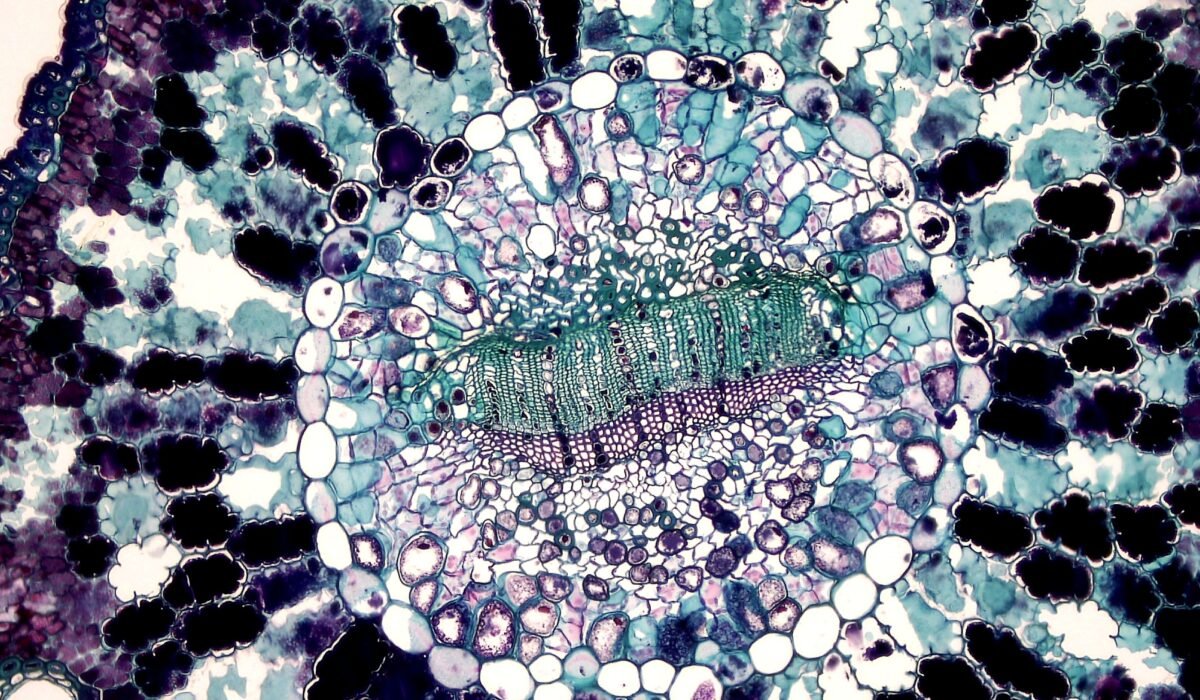
The internal structure of a plant’s stem includes specialized tissues like xylem and phloem, which are responsible for this critical transport. Xylem moves water and dissolved minerals from the roots upwards, while phloem distributes sugars produced during photosynthesis from the leaves to other parts of the plant.
Understanding stem functions can significantly impact pruning techniques. Knowing how stems grow and where buds are located allows for strategic cuts that promote bushier growth or direct energy to fruit production. This is a practical application of basic botany for gardeners.
Stems exhibit remarkable diversity and can be modified for various purposes:
- Tubers: Enlarged underground stems, like sweet potatoes, that store food.
- Rhizomes: Horizontal underground stems, such as ginger, that spread and produce new shoots.
- Stolons (Runners): Horizontal stems that grow along the ground surface, rooting at nodes to form new plants, as seen in strawberries.
- Tendrils: Coiling modifications that help climbing plants grasp support.
The strength and flexibility of stems are crucial for a plant’s resilience against environmental stresses like wind and rain. In my garden, I often use stakes or trellises to support plants with weaker stems, ensuring they can bear the weight of heavy fruits or flowers.
Botanical models, such as dicot stem models produced by companies like 3B Scientific, are invaluable educational tools for visualizing the complex internal anatomy of stems. These models help students and gardeners alike appreciate the intricate workings of these essential plant parts.
Leaves: The Powerhouses of Photosynthesis
Leaves are the primary sites of photosynthesis, the remarkable process by which plants convert sunlight, water, and carbon dioxide into glucose (food) and oxygen, making them arguably the most vital of the 7 basic plant parts for energy production. This incredible biological process underpins nearly all life on Earth.
The efficiency of photosynthesis is influenced by factors like leaf anatomy, including the presence of stomata for gas exchange and chloroplasts containing chlorophyll. Understanding these details helps us appreciate how plants grow and survive.
A plant’s foliage tells a story about its health. Yellowing leaves, for example, can indicate nutrient deficiencies or overwatering, while wilting might signal insufficient water. Diagnosing indoor plant leaf problems often starts with understanding their basic functions.
Key components of leaf anatomy include:
- Blade (Lamina): The broad, flat surface designed to capture sunlight.
- Petiole: The stalk that attaches the blade to the stem.
- Veins: Vascular bundles that transport water and nutrients within the leaf.
- Stomata: Tiny pores, typically on the underside, that regulate gas exchange and transpiration.
Leaf modifications are common, allowing plants to adapt to diverse environments. Succulents, for instance, have thick, fleshy leaves to store water in arid climates, while carnivorous plants have modified leaves to trap insects. These adaptations are fascinating aspects of plant biology basics.

The importance of healthy leaves cannot be overstated. A robust canopy ensures maximum energy production, supporting vigorous growth and abundant flowering and fruiting. Protecting leaves from pests and diseases is a top priority for any gardener.
Flowers: Essential for Plant Reproduction
Flowers are the reproductive structures of angiosperms (flowering plants), designed to attract pollinators and facilitate the production of seeds, making them crucial among the 7 basic plant parts for the continuation of plant species. Their diverse forms and vibrant colors are not just for beauty; they are intricate biological advertisements.
The main parts of a flower include sepals, petals, stamens (male reproductive organs), and carpels or pistils (female reproductive organs). Each component plays a specific role in the complex process of pollination and fertilization.
As a gardener, understanding flower parts helps in cross-pollination efforts or even in selecting plants that attract specific pollinators. For example, 77% of gardeners were willing to pay a premium for a specific flower color or plant variety in 2025, according to Axiom’s research, highlighting the aesthetic and functional appeal of flowers.
Here’s a breakdown of essential flower parts:
| Flower Part | Function | Gardening Insight |
|---|---|---|
| Sepals | Protect the developing bud. | Indicate flower maturity. |
| Petals | Attract pollinators with color and scent. | Choose colors to attract specific pollinators (e.g., red for hummingbirds). |
| Stamens | Produce pollen (male gametes). | Essential for fertilization; pollen presence indicates fertility. |
| Pistil/Carpel | Contains ovules (female gametes); receives pollen. | Successful pollination leads to fruit/seed development. |
The diversity in flower parts and their arrangements is staggering, a testament to plant adaptation. From the simple blooms of a dandelion to the complex orchids, each flower is a masterpiece of evolutionary design aimed at ensuring successful reproduction.
For more insights on optimizing flower growth, consider exploring resources on Best Fertilizer for Flower Garden: 7 Essential Options. This knowledge complements understanding the 7 basic plant parts for a thriving garden.
Fruits and Seeds: The Future of Plant Life
Fruits and seeds represent the culmination of the reproductive process, with fruits protecting the developing seeds and aiding in their dispersal, while seeds contain the blueprint for the next generation of plants. These are the final stages among the 7 basic plant parts that ensure the species’ survival.
A fruit is essentially a mature ovary of a flowering plant, enclosing the seed or seeds. Not all “fruits” are sweet and edible in the culinary sense; botanically, tomatoes, cucumbers, and even acorns are fruits.
Understanding the role of fruits and seeds is vital for seed saving and propagation. Knowing how seeds develop within the fruit allows gardeners to harvest them at the optimal time for viability. This insight is crucial for maintaining specific plant varieties.
Key aspects of fruits and seeds:
- Fruit Development: After fertilization, the ovary of the flower ripens and develops into a fruit. The type of fruit (e.g., berry, drupe, pod) depends on the plant species.
- Seed Protection: The fruit’s primary role is to protect the delicate seeds from environmental damage and predation until they are ready for dispersal.
- Seed Dispersal: Fruits employ various strategies for dispersal, including attracting animals (which eat the fruit and excrete the seeds), wind, water, or mechanical ejection.
- Seed Structure: A seed typically consists of an embryo (the tiny plant), a food reserve (endosperm or cotyledons), and a protective seed coat.
The viability of seeds is influenced by many factors, including proper storage conditions and the plant’s overall health. Plant Science, a company specializing in horticultural product processes, emphasizes quality control in seed and plant material to ensure successful growth.

The longevity of seeds can be remarkable; some can remain dormant for decades, waiting for the right conditions to germinate. This incredible resilience ensures that the genetic legacy of the 7 basic plant parts continues.
Applying Basic Plant Anatomy for Thriving Gardens
Applying your knowledge of the 7 basic plant parts directly translates into more effective gardening practices, allowing you to optimize plant health, troubleshoot issues, and enhance overall garden productivity. This practical understanding empowers you to make informed decisions for your plants.
For example, knowing that roots absorb water helps you understand why consistent watering at the base of the plant is more effective than overhead watering. Similarly, recognizing the function of leaves in photosynthesis guides your decisions about plant placement and light exposure.
In my experience, gardeners who understand plant anatomy are far more successful in the long run. A 2025 study by Axiom revealed that a record 64% of respondents plan to plant more and expand their gardens in 2026, indicating a growing interest in gardening that can be greatly enhanced by foundational knowledge.
Here are actionable tips for applying your knowledge of the 7 basic plant parts:
- Root Care: Ensure well-draining soil to prevent root rot. When transplanting, minimize root disturbance. Consider the root type (taproot vs. fibrous) for proper spacing and watering.
- Stem Health: Provide adequate support for tall or heavy-fruiting plants. Prune stems strategically to encourage branching, improve air circulation, and direct plant energy.
- Leaf Vigilance: Monitor leaves for signs of pests, diseases, or nutrient deficiencies. Optimize light conditions based on the plant’s needs for efficient photosynthesis.
- Flower & Fruit Promotion: Understand pollination requirements to ensure fruit set. Protect flowers from extreme weather and encourage beneficial pollinators to boost yields.
- Seed Management: Learn proper seed harvesting and storage techniques for future planting. Understand dormancy requirements for successful germination.
Katherine Esau’s foundational texts, such as “Plant Anatomy” (1953) and “Anatomy of Seed Plants” (1960), remain essential resources for botanists and provide a deep dive into these structural details. Even for beginners, her work underscores the complexity and beauty of plant life.
By focusing on the specific needs of each of the 7 basic plant parts, you can create an environment where your plants not only survive but truly flourish. This holistic approach, grounded in botanical understanding, leads to a more rewarding gardening experience.
Frequently Asked Questions
What are the 7 basic parts of a plant?
The 7 basic plant parts are roots, stems, leaves, flowers, fruits, and seeds. These structures collectively enable a plant to grow, absorb nutrients, create food, and reproduce, forming the complete anatomical system of a flowering plant. 47.6% of gardeners increased their gardening time in 2025, highlighting the growing engagement with understanding these fundamental components, according to Axiom’s research.
What are the 5 main parts of a plant and their functions?
The five main parts of a plant are typically considered roots, stems, leaves, flowers, and fruits (which contain seeds). Roots anchor and absorb, stems support and transport, leaves photosynthesize, flowers enable reproduction, and fruits protect and disperse seeds. This simplified view still captures the essence of the 7 basic plant parts, focusing on the most prominent structures.
What are the 3 main parts of a plant?
The three main parts of a plant are often simplified to roots, stems, and leaves, which are considered the vegetative parts essential for growth and survival. While flowers, fruits, and seeds are crucial for reproduction, these three form the core structure. Understanding these primary components is a great starting point for beginners exploring the 7 basic plant parts.
What are the 6 plant organs?
Plants are typically described as having six main organs: roots, stems, leaves, flowers, fruits, and seeds, each performing specialized functions. These organs are interconnected and work synergistically to maintain the plant’s life cycle. Specific varieties remained the most important decision factor for 36% of gardeners in 2025, according to Axiom, indicating a focus on the visible and functional aspects of these organs.
How do plant parts work together?
Plant parts work together in an integrated system: roots absorb water and nutrients, which stems transport to leaves. Leaves then perform photosynthesis to create food, which stems distribute. Flowers, fruits, and seeds ensure reproduction, completing the life cycle. This collaborative effort among the 7 basic plant parts is a testament to the efficient design of plant life.
Mastering the knowledge of the 7 basic plant parts is truly transformative for any gardener. By understanding the unique role of roots, stems, leaves, flowers, fruits, and seeds, you gain the power to nurture your plants with precision and confidence. My years of experience have shown me that this fundamental botanical insight leads to more resilient, productive, and beautiful gardens. Start observing your plants with this new perspective, and watch your gardening success flourish.