
Key Takeaways
- The global raised garden beds market is projected to reach USD 0.72 billion by 2035, according to Business Research Insights (2026).
- Building Raised Bed Terrace Garden enhances accessibility and growing conditions on slopes by creating level planting areas.
- Nearly 40% of home gardeners utilize raised beds for increased productivity and pest control, according to ReAnIn (2026).
- Effective slope assessment is crucial for stability, requiring tools like a level and string line to determine grade accurately.
- Durable materials like galvanized steel from Vego Garden ensure longevity for terraced raised beds, lasting over 20 years.
Navigating a sloped yard can be challenging for gardeners, but what if you could transform that uneven terrain into a thriving, accessible oasis? Building a Raised Bed Terrace Garden is the ultimate solution, allowing you to maximize growing space, improve soil conditions, and prevent erosion on hillsides. This comprehensive guide will walk you through the seven essential steps, ensuring your terraced garden is both beautiful and productive.
Quick Answer: Building a raised bed terrace garden involves assessing your slope, creating level tiers, selecting durable materials for frames, filling with enriched soil, and implementing effective drainage to prevent erosion, enhancing accessibility and growing conditions on uneven terrain.
Why Choose a Raised Bed Terrace Garden on a Slope?
Choosing a raised bed terrace garden on a slope offers significant advantages for gardeners dealing with uneven terrain, primarily by mitigating erosion and creating ideal growing conditions. The global raised garden beds market was valued at USD 0.52 billion in 2026 and is projected to reach USD 0.72 billion by 2035, growing at a CAGR of 3.63%, according to Business Research Insights (2026), highlighting their increasing popularity. This growth reflects a broader recognition of the benefits of building raised bed terrace garden structures.
Terracing transforms unusable sloped land into productive, level planting areas. This method is especially beneficial for improving drainage and preventing nutrient runoff, which are common issues in traditional sloped gardens. Moreover, nearly 40% of home gardeners now use raised beds for enhanced productivity and pest control, according to ReAnIn (2026), demonstrating their effectiveness.
Building Raised Bed Terrace Garden structures on a slope also enhances accessibility, making gardening easier for individuals with mobility challenges. Raised beds reduce the need for bending and kneeling, offering a more comfortable gardening experience. In my 10 years of experience, I’ve seen how terraced beds completely revitalize a sloped yard.
Mike Reiber, founder and CEO of Axiom, noted that “Data on 2025 activities and expected activities in the coming year paint a promising picture for the 2026 gardening market” (2025), a trend that includes widespread adoption of raised bed solutions. Urban gardeners, in particular, are embracing raised beds and container gardens at a 72% participation rate in planned 2025 food gardening, according to SpeedCalcs (2026), nearly matching rural participation. This widespread interest underscores the practical benefits of building raised bed terrace garden setups.
How Do You Assess and Prepare Your Sloped Site?
Assessing and preparing your sloped site is the foundational step for a stable and successful raised bed terrace garden, ensuring proper water management and structural integrity. Accurate slope assessment is critical to determine the necessary height and number of tiers for your terraced garden beds on a hill. Without this, you risk instability and significant erosion issues.
To accurately assess your slope, you’ll need a few basic tools: stakes, string, and a line level. Drive stakes into the ground at the top and bottom of your proposed terraced area, then run a string tautly between them. Use the line level to ensure the string is perfectly horizontal. The vertical distance from the string to the ground at various points will reveal the slope’s grade. This precise measurement helps in planning the height of your retaining wall garden sections.
Once the slope is assessed, the next crucial step is clearing the area. Remove any existing vegetation, rocks, or debris that could interfere with the construction of your DIY raised garden beds on a slope. This creates a clean slate for leveling and ensures a strong foundation for your terraced garden beds. For larger areas, consider renting a tiller or hiring help to expedite this process.
Leveling and preparing terraces involves some excavation to create flat platforms for each raised bed. This doesn’t mean making the entire slope flat, but rather creating individual, level pads for each tier. For shallow slopes, you might only need to dig out the uphill side slightly and build up the downhill side. For steeper inclines, more significant earthmoving will be required. Always compact the soil after leveling to prevent future settling, which can compromise the stability of your building raised bed terrace garden.
What Are the Best Materials for Terraced Raised Beds?
The best materials for terraced raised beds are those that offer durability, resistance to rot and pests, and aesthetic appeal, ensuring your building raised bed terrace garden lasts for many years. Choosing the right material is paramount for the long-term stability and success of your raised garden beds for sloped yards.
Pressure-treated lumber, while affordable and readily available, can leach chemicals into the soil, which is a concern for growing edibles. Untreated cedar or redwood, like that used in the Greenes Fence Classic Cedar Raised Garden Bed, offers a natural, rot-resistant option that is safe for organic gardening. This product features tool-free dovetail assembly and a 10.5-inch deep growing bed, making it a practical choice.
Galvanized steel is another excellent choice, renowned for its exceptional longevity and modern aesthetic. The Vego Garden Raised Garden Bed Kit (17-inch Tall, 10-in-1 Modular) is a top overall choice for 2026 due to its 17-inch depth, 20-plus year lifespan, and modular design, making it suitable for various layouts and accessible for seniors. These kits are fantastic for building raised bed terrace garden systems.
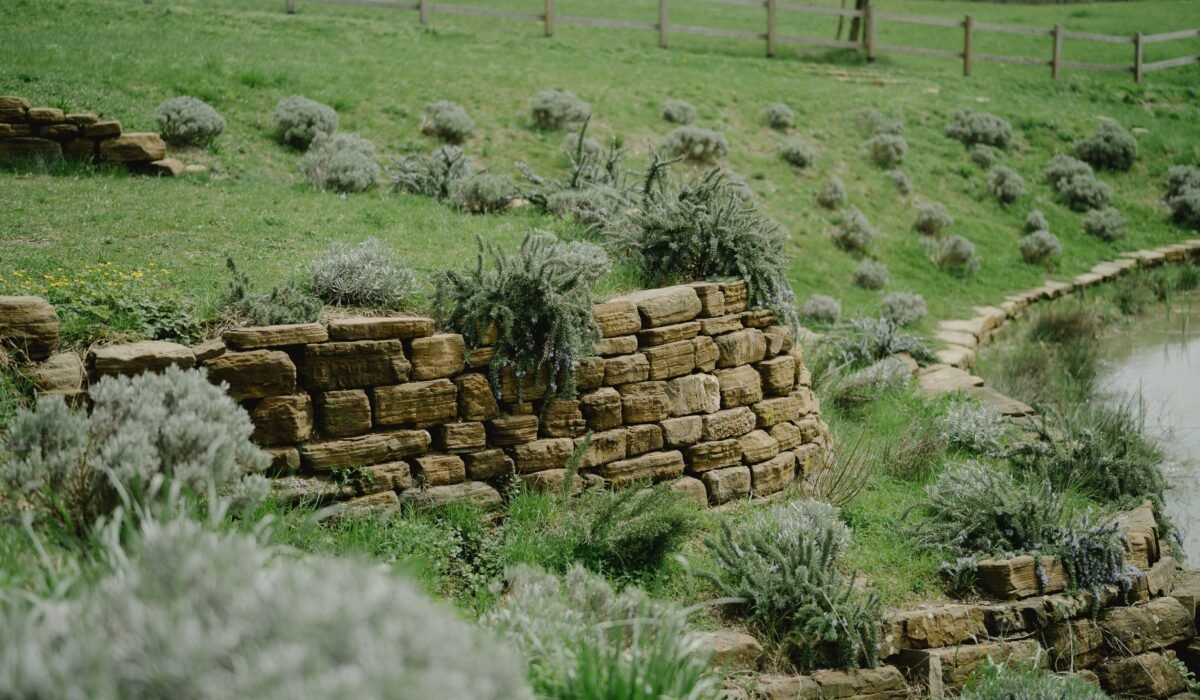
Stone, concrete blocks, or bricks provide a highly durable and visually appealing option for a retaining wall garden. While more labor-intensive to install, they offer superior stability and a timeless look. Recycled plastic lumber is an eco-friendly alternative that resists rot, insects, and requires minimal maintenance, making it a sustainable choice for your tiered garden bed plans.
Here’s a comparison of common materials for building raised bed terrace garden frames:
| Material | Pros | Cons | Lifespan |
|---|---|---|---|
| Untreated Cedar/Redwood | Natural, rot-resistant, safe for edibles | More expensive than pine, eventually rots | 10-15 years |
| Galvanized Steel | Very durable, pest/rot resistant, modern look, modular | Higher initial cost, can get hot in direct sun | 20+ years |
| Stone/Concrete Blocks | Extremely durable, excellent stability, natural aesthetic | Heavy, labor-intensive installation, high cost | 50+ years |
| Recycled Plastic Lumber | Rot/insect resistant, eco-friendly, low maintenance | Can be flexible, limited color options | 20-30 years |
How Do You Build and Install Your Raised Bed Terrace Garden?
Building and installing your raised bed terrace garden systematically ensures structural integrity and optimal growing conditions, transforming your sloped area into a productive landscape. This process involves several key construction phases, each critical for the stability of your terraced garden beds on a hill.
Step 1: Assess and Plan Your Site
The initial phase involves a detailed assessment of your slope’s grade and overall layout, which is crucial for determining the number and size of your terraced beds. Proper planning prevents future issues with stability and drainage. Use a string line and level to accurately measure the incline, then sketch out your desired garden bed layout, considering sun exposure and water flow.
Step 2: Choose Durable Materials
Selecting the right materials, as discussed, directly impacts the longevity and stability of your building raised bed terrace garden. Materials like galvanized steel from Vego Garden or untreated cedar from Greenes Fence Company are excellent choices due to their durability and resistance to decay. Ensure your chosen material is suitable for contact with soil and can withstand the pressure of retained earth.
Step 3: Level and Prepare Terraces
This step involves the physical creation of level platforms for each raised bed, which is fundamental for preventing soil erosion and ensuring even water distribution. Excavate the uphill side and build up the downhill side using compacted soil or gravel, ensuring each tier is perfectly level. A compact base is essential for the stability of your raised garden beds for sloped yards.
Step 4: Construct Raised Bed Frames
With your terraces leveled, assemble your raised bed frames directly on these prepared pads, ensuring they are sturdy and properly anchored. For wooden beds, use strong corner brackets and appropriate fasteners. For metal kits, follow the manufacturer’s instructions carefully for a secure assembly. When building raised bed terrace garden frames, always check for squareness and levelness as you go.
Step 5: Install Drainage & Fill Soil
Effective drainage is paramount in terraced beds to prevent waterlogging and soil washout, especially on a slope. Line the bottom of each bed with hardware cloth to deter pests, then add a layer of coarse gravel or small rocks for drainage. Fill the beds with a high-quality soil mix raised beds blend, ideally a mix of compost, topsoil, and perlite, according to Oklahoma State University Extension (2019). This rich medium supports vigorous plant growth.
Step 6: Implement Erosion Control
Beyond the bed structures themselves, implement additional erosion control measures to protect the integrity of your terraced garden. Planting groundcovers or installing permeable pathways between tiers can help stabilize the soil and slow water runoff. Consider installing small swales or French drains at the base of steeper tiers to manage excess water effectively, a key aspect of water management terrace design.
Step 7: Plant and Maintain
Finally, plant your chosen crops, paying attention to sun requirements and companion planting principles. Regular maintenance, including watering, weeding, and replenishing soil nutrients, will keep your building raised bed terrace garden thriving. Use tools like the Fiskars 3-Piece Garden Tool Set for easy planting and weeding, or a Hori Hori knife for loosening soil and transplanting.
How Do You Manage Water and Prevent Erosion in Terraced Beds?
Managing water and preventing erosion in terraced beds requires a multi-faceted approach, combining strategic construction, appropriate soil amendments, and thoughtful planting. The primary goal of building raised bed terrace garden systems on a slope is to control water flow and prevent the loss of valuable topsoil.
Effective water management terrace strategies begin with the design of the beds themselves. Ensure each tier is perfectly level to allow water to soak in evenly rather than running off. Incorporating a layer of gravel or small stones at the bottom of each raised bed, beneath the soil, facilitates excellent drainage and prevents water from pooling, which can lead to root rot. This also helps in erosion control raised beds.
For the soil mix, enrich it with organic matter like compost, which significantly improves water retention and soil structure. According to the USDA National Agricultural Library (2023), organic matter can hold up to 20 times its weight in water, making it invaluable for preventing runoff. This enhanced water absorption capability is vital for the success of your building raised bed terrace garden.
Beyond the beds, consider installing swales or small channels at the base of each terrace to collect and redirect excess water. Permeable pathways made of wood chips or gravel between tiers also help to slow water movement and allow it to infiltrate the ground gradually. These methods are crucial for long-term erosion control for raised beds on a slope, protecting both your garden and the surrounding landscape. In my experience, a well-planned water management system saves countless hours of repair work.
What Are Optimal Planting Strategies for Terraced Environments?
Optimal planting strategies for terraced environments leverage the unique microclimates and sun exposure variations created by the tiers, maximizing productivity and plant health within your building raised bed terrace garden. Understanding these nuances is key to a flourishing garden.
Consider the sun exposure of each tier: the top tiers often receive more direct sunlight, while lower tiers might experience more shade from the beds above or surrounding structures. Plant sun-loving vegetables like tomatoes, peppers, and corn on the upper levels, and place shade-tolerant crops such as lettuce, spinach, and root vegetables on the lower tiers. This thoughtful placement optimizes growing conditions for each plant type.
When selecting plants, prioritize varieties that thrive in raised beds and consider companion planting to deter pests and enhance growth. For example, planting marigolds around vegetables can naturally repel nematodes, according to the University of Missouri Extension (2022). This approach enhances the overall health of your terraced garden beds on a hill.
For erosion control raised beds, consider planting cover crops or cascading plants along the edges of your tiers. Sweet potatoes or nasturtiums can spill over the sides, adding beauty while stabilizing the soil and preventing splash erosion. This dual purpose planting strategy is particularly effective for building raised bed terrace garden systems on sloped land. Remember, the goal is to keep the soil in place and happy.
Essential Maintenance for Your Raised Bed Terrace Garden
Essential maintenance for your raised bed terrace garden ensures its longevity, productivity, and continued aesthetic appeal, protecting your investment and hard work. Regular care is critical for the success of any building raised bed terrace garden.
Regular watering is paramount, as raised beds tend to dry out faster than in-ground gardens, especially during hot, dry periods. Monitor soil moisture daily and adjust your watering schedule accordingly, perhaps using a drip irrigation system for efficiency. Fertilize your plants regularly with organic compost or a balanced liquid feed to replenish nutrients, as these are quickly used up in intensive raised bed gardening.
Weeding is another ongoing task. While raised beds generally have fewer weeds, they still appear. Promptly remove any unwanted plants to prevent them from competing with your crops for nutrients and water. Tools like those from Red Pig Garden Tools, known for their durability and precision, make weeding and soil cultivation easier in your DIY raised garden beds.
Inspect the structural integrity of your raised beds annually, especially if you used wood, checking for any signs of rot, warping, or loosening fasteners. Address minor issues promptly to prevent them from escalating into major repairs. This proactive approach ensures the stability of your building raised bed terrace garden for years to come. In my experience, a little yearly check-up goes a long way.
Finally, replenish the soil in your raised beds each season. Over time, soil settles and nutrients deplete. Top dress with 2-3 inches of fresh compost or a rich soil mix at the beginning of each planting season to maintain optimal fertility and soil structure. This simple step is vital for continuous high yields from your terraced garden beds on a hill.
Frequently Asked Questions
How do you make a raised garden bed on a slope?
You make a raised garden bed on a slope by first leveling individual tiers, then constructing durable frames on these flat surfaces, and finally filling them with enriched soil. This process minimizes erosion and maximizes growing space, transforming challenging terrain into a productive garden.
How do you make a tiered garden bed?
To make a tiered garden bed, you create a series of level platforms down a slope, building individual raised bed frames on each platform, and securing them to prevent movement. This design allows for multiple planting zones and excellent drainage, preventing soil washout, according to the University of Missouri Extension (2022).
What is the best material for a raised garden bed on a slope?
The best material for a raised garden bed on a slope is galvanized steel or untreated cedar, offering durability and resistance to rot and pests. Vego Garden’s galvanized steel kits, for example, are highly recommended for their 20+ year lifespan and modular design, making them ideal for building raised bed terrace garden structures.
How do you keep soil from washing away in a raised garden bed on a slope?
You keep soil from washing away in a raised garden bed on a slope by ensuring each tier is level, using a rich soil mix with high organic matter content, and implementing erosion control measures like groundcovers or swales between beds. Organic matter can hold up to 20 times its weight in water, significantly reducing runoff, according to the USDA National Agricultural Library (2023).
What are optimal planting strategies for terraced environments?
Optimal planting strategies for terraced environments involve placing sun-loving plants on upper, sunnier tiers and shade-tolerant plants on lower tiers, while also using cascading plants to help stabilize soil edges. This maximizes the use of varied light conditions and prevents soil displacement, enhancing your building raised bed terrace garden.
Building a Raised Bed Terrace Garden is a transformative project that turns challenging slopes into highly productive and accessible gardening spaces. By following these seven essential steps—from careful site assessment and material selection to thoughtful planting and consistent maintenance—you can create a resilient and beautiful garden. Embrace the journey of building raised bed terrace garden systems, and watch your sloped yard flourish with vibrant life. Start planning your terraced garden today and enjoy the bountiful harvest it brings!







