
Key Takeaways
- A 4-foot square cut flower bed can yield enough blooms for a couple of bouquets weekly, according to Northern Gardener (March 2021).
- Approximately 65 annual cut flower plants can fit into a standard 10-by-4-foot bed using 9×9-inch spacing, based on UC Master Gardener research (January 2026).
- Lisa Mason Ziegler emphasizes planting should be pulled once declining to make way for new growth for continuous production.
- Intensive planting grids can increase plant count by more than three times in the same bed, as demonstrated by Floret Flowers (February 2016).
- Zinnias are a top recommendation for cut flower gardens due to their beauty and long vase life, according to Laidback Gardener (May 2026).
Thinking about embarking on a new gardening adventure? Many aspiring growers wonder how to successfully start a cut flower garden that yields beautiful blooms for bouquets. This guide, drawing on my 10+ years in horticulture, will walk you through the complete process, ensuring your efforts translate into stunning arrangements and a truly rewarding experience.
Quick Answer: A cut flower garden is a dedicated space for growing flowers and foliage specifically for harvesting to create bouquets and arrangements. It involves selecting varieties with long stems and vase life, planning for continuous blooms throughout the seasons, and employing proper cutting techniques to encourage prolific production.
What is a cut flower garden?
A cut flower garden is a specialized planting area designed to produce flowers and foliage specifically for harvesting and arranging into bouquets. This type of garden focuses on maximizing bloom production and selecting varieties known for their long stems and extended vase life, rather than purely ornamental display, according to Skagit County Master Gardener Foundation (September 2025). The primary goal is to provide a continuous supply of fresh material for indoor enjoyment, gifts, or even commercial sales.
Many gardeners choose to start a cut flower garden to enjoy fresh arrangements throughout the growing season without depleting their landscape plants. These gardens often feature a mix of annuals, perennials, and woody shrubs that offer a diverse palette of colors, textures, and forms. Understanding this distinction is the first step when you decide to start a cut flower garden.

Key characteristics of a cut flower garden
To successfully start a cut flower garden, it’s helpful to understand its defining features. These gardens prioritize functionality and productivity, often differing in layout and plant selection from traditional ornamental beds.
* Focus on Harvest: The main purpose is to cut and bring flowers indoors, meaning plants are often grown in rows or blocks for easy access, rather than intricate designs.
* Long Vase Life: Varieties are chosen for their ability to remain fresh and vibrant in a vase for an extended period, typically 5-10 days or more.
* Continuous Blooms: Through strategic planning and succession planting, the aim is to have flowers available for harvest from spring through fall, and sometimes even into winter depending on the climate.
* Stem Length and Strength: Flowers with sturdy, long stems are preferred as they are easier to arrange and hold up well in bouquets.
* Pollinator Support: Many cut flower varieties, such as zinnias, poppies, and sunflowers, are excellent sources of nectar and pollen for beneficial insects, according to Skagit County Master Gardener Foundation (September 2025).
How do you plan a productive cut flower garden?
Planning a productive cut flower garden involves careful consideration of site selection, size, and layout to ensure optimal growth and easy harvesting. The most crucial aspect of planning is choosing a location that receives ample sunlight, as most cut flowers require at least six to eight hours of direct sun daily for vigorous growth and abundant blooms, according to the University of Illinois Extension (April 2020). Without adequate light, plants will be leggy and produce fewer, smaller flowers, making it difficult to start a cut flower garden effectively.
Step 1: choose the right location and size
Selecting the ideal spot is paramount when you decide to start a cut flower garden. Look for a level, well-drained area in your yard that receives full sun. Lisa Mason Ziegler, owner of The Gardener’s Workshop, recommends raised beds, stating, “I grow in raised beds because it is easier to improve drainage and soil quality.” A 4-foot square cut flower bed can yield enough blooms for a couple of bouquets each week, especially when supplemented with perennials from borders, requiring about half an hour of work weekly, according to Northern Gardener (March 2021).
Consider the accessibility for planting, weeding, and harvesting. A rectangular bed that is 3-4 feet wide allows you to reach the center from either side without stepping on the soil, compacting it. This design is highly efficient for flower farming tips and general maintenance.
Step 2: design your garden layout
An effective layout maximizes planting space and facilitates maintenance. Intensive planting, where plants are spaced closer together in a grid pattern, is highly recommended for a cut flower garden. This method can result in more than three times the number of plants in the same bed compared to older methods, as demonstrated by Floret Flowers (February 2016).
For example, a 10-by-4-foot bed, utilizing 9×9-inch spacing, can accommodate roughly 65 annual cut flower plants, based on UC Master Gardener research (January 2026). Consider incorporating paths for easy access and planning for succession planting to ensure a continuous supply of long vase life flowers.

Typical Cut Flower Garden Layout Strategies
When you start a cut flower garden, strategic spacing and organization are key for productivity. Here are some common approaches:
* Row Planting: Traditional method, easy for cultivation and harvesting, but less space-efficient.
* Grid Planting (Intensive): Plants are spaced equidistant in a grid, maximizing yield per square foot. This is ideal for a small cut flower garden.
* Raised Beds: Excellent for drainage and soil control, as recommended by Lisa Mason Ziegler, and can extend the growing season. If you are building raised garden beds, ensure proper drainage.
* Dedicated Cutting Patch: Separate from ornamental beds, allowing for more utilitarian planting and harvesting.
What are the best flowers for a cutting garden?
The best flowers for a cutting garden are those that offer a long vase life, sturdy stems, and continuous production throughout the season. Prioritizing these characteristics will significantly enhance your ability to start a cut flower garden that consistently provides beautiful blooms. Zinnias, for instance, are a top recommendation for cut flower gardens due to their beauty, long vase life, and wide range of colors, according to Laidback Gardener (May 2026).
Step 3: select best flower varieties
When you start a cut flower garden, choosing the right varieties is crucial. Focus on a mix of “cut and come again” annuals, dependable perennials, and structural foliage. Angela Free, a horticulturalist at Ashton Gardens, advises conducting research on chosen flower varieties before planting.

Top Annuals for a Cut Flower Garden
Annuals are the workhorses of a cutting garden, providing abundant blooms from spring until the first hard frost. To start a cut flower garden successfully, focus on these:
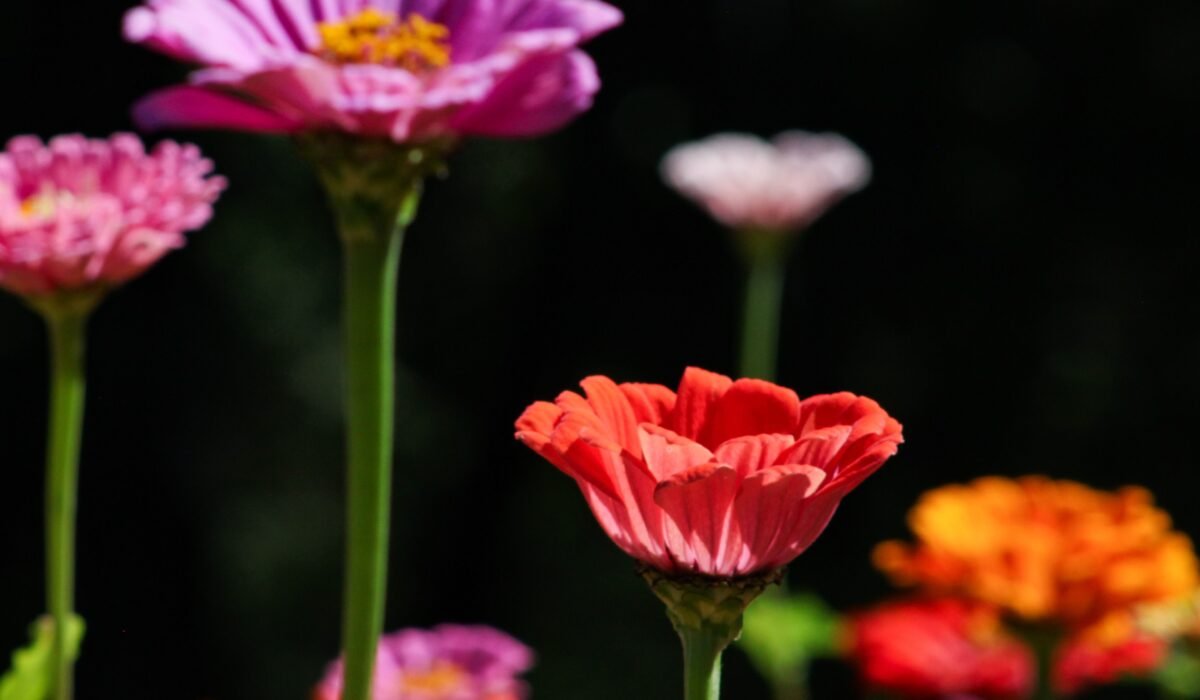
* Zinnias: Varieties like Benary’s Giant are incredibly productive, come in a vast array of colors, and have excellent vase life. They are a classic for any easy cut flower garden for beginners.
* Cosmos: Delicate, airy blooms that add movement and texture. ‘Sensation’ and ‘Double Click’ series are popular choices.
* Sunflowers: Single-stem varieties like the ProCut Series are perfect for cutting. They are pollinator-friendly flowers too.
* Celosia: Offers unique textures with its feathery or crested plumes.
* Snapdragons: Provide vertical interest and come in many vibrant colors, ideal for bouquets.
* Dahlias: While requiring some care, their stunning variety of forms and colors makes them indispensable for summer and fall bouquets.
Essential Perennials and Foliage for Cutting
Perennials provide a reliable base for your cut flower garden, returning year after year. Foliage plants add essential greenery and structure to arrangements.
* Yarrow (Achillea): Flat-topped clusters in various colors, excellent as a filler.
* Echinacea (Coneflower): Iconic daisy-like flowers with a prominent cone, attractive to pollinators.
* Lavender: Fragrant spikes that dry beautifully and add a calming scent.
* Basil ‘Mrs. Burns’ Lemon’: Aromatic foliage that adds a unique scent and texture to arrangements.
* Eucalyptus: Silver-dollar or spiral eucalyptus provides long-lasting, attractive foliage.
* Dill: Feathery foliage and delicate flower heads make a great filler.
How do you prepare and plant your cut flower garden?
Preparing and planting your cut flower garden correctly lays the foundation for a season of abundant blooms. The most critical step is ensuring rich, well-draining soil, as healthy soil is the bedrock of vigorous plant growth and prolific flowering, according to the University of Illinois Extension (April 2020). Without proper soil preparation, even the best flower varieties will struggle, making it challenging to start a cut flower garden that thrives.
Step 4: prepare your soil
Good soil preparation is non-negotiable when you start a cut flower garden. Begin by testing your soil to understand its nutrient profile and pH. Most cut flowers prefer a slightly acidic to neutral pH (6.0-7.0). Amend heavy clay soils with organic matter like compost to improve drainage, and sandy soils to enhance water retention. My 10 years of experience consistently show that healthy soil is the most vital investment.
Lisa Mason Ziegler often highlights the importance of soil health for robust growth. For more in-depth guidance on organic garden bed preparation, you can refer to resources like “Organic Garden Bed Preparation: 7 Essential Tips”.
Step 5: plant seeds or starts
Decide whether you will start your cut flower garden from seeds or purchase young plants (starts). Many annuals, like Zinnias and Cosmos, are easy to direct sow after the last frost. Others, such as Snapdragons or Lisianthus, benefit from being started indoors several weeks before the last frost to give them a head start. Johnny’s Selected Seeds provides a wide range of high-quality seeds for cut flower varieties.

When planting, ensure proper spacing according to the variety’s mature size. Close spacing, as practiced in intensive planting, can suppress weeds and maximize yield. Water thoroughly after planting to settle the soil around the roots.
Planting Schedule Considerations
To start a cut flower garden with a consistent yield, consider these timing tips:
* Cool-Season Annuals: Plant early spring (e.g., Snapdragons, Sweet Peas).
* Warm-Season Annuals: Plant after the last frost (e.g., Zinnias, Cosmos, Sunflowers).
* Perennials: Plant in spring or fall, allowing time to establish roots before extreme weather.
* Succession Planting: Stagger plantings of annuals every 2-3 weeks to ensure a continuous harvest.
Essential care and maintenance for continuous blooms
Consistent care and maintenance are crucial for ensuring your cut flower garden produces an abundance of high-quality blooms throughout the season. Proper watering and fertilization are fundamental, as these directly impact plant vigor and flower production. In my experience, neglecting these basics is the quickest way to diminish your harvest when you start a cut flower garden.
Step 6: water and fertilize consistently
Regular and deep watering is essential, especially during dry spells. Aim for about an inch of water per week, either from rainfall or irrigation. Drip irrigation is highly efficient for cut flower gardens, delivering water directly to the root zone and minimizing evaporation. This method helps conserve water, a growing concern for many gardeners.
Fertilize your cut flower garden with a balanced organic fertilizer, particularly during active growth and blooming periods. Soil tests will help determine specific nutrient deficiencies. For guidance on appropriate fertilizers, consider resources like “Best Fertilizer for Flower Garden: 7 Essential Options”.
Step 7: manage pests organically
Effective pest management is vital to protect your blooms without harsh chemicals. Integrated Pest Management (IPM) strategies focus on prevention and organic solutions. “Effective Integrated Pest Management starts with knowing the pests and finding them early,” according to a UNH Cooperative Extension webinar scheduled for July 29, 2026, focusing on pest scouting and identification in cut flower crops.

Organic Pest Control Strategies
When you start a cut flower garden, proactive pest control is key.
* Regular Scouting: Inspect plants frequently for early signs of pests or diseases.
* Beneficial Insects: Encourage ladybugs, lacewings, and parasitic wasps by planting pollinator-friendly flowers.
* Hand-Picking: Remove larger pests like Japanese beetles manually.
* Organic Sprays: Use neem oil, insecticidal soap, or horticultural oils for infestations.
* Crop Rotation: Rotate annual cut flower varieties to break pest and disease cycles.
* Good Sanitation: Remove diseased plant material and fallen leaves promptly.
For more comprehensive advice on natural pest control, you might find “Natural Pest Control Vegetable Garden: 7 Effective Strategies” helpful, as many principles apply to cut flower gardens.
Mastering succession planting for year-round harvests
Mastering succession planting is the key to achieving a continuous, abundant harvest from your cut flower garden throughout the growing season. This technique involves staggering plantings of the same crop or planting different crops with varying maturity dates to ensure a steady supply of blooms, preventing gluts and gaps in production. Lisa Mason Ziegler emphasizes this, stating, “to keep this garden producing and as weed-free as possible, plantings should be pulled once they begin to decline to make way for the next planting.”
Implementing succession planting for your cut flower garden
To successfully start a cut flower garden with continuous blooms, succession planting is essential. This strategy ensures you always have flowers ready to harvest.
* Staggered Sowing: For fast-growing annuals like Zinnias and Cosmos, sow small batches of seeds every 2-3 weeks from spring until mid-summer.
* “Cut and Come Again” Varieties: Focus on flowers that produce new blooms after cutting, such as Zinnias, Marigolds, and Snapdragons.
* Interplanting: Plant different varieties with varying bloom times in the same bed. For example, plant early spring bulbs alongside later-blooming annuals.
* Crop Rotation: Rotate your annual cut flower crops each season to maintain soil health and reduce pest and disease pressure.

Example Succession Planting Schedule for a Cut Flower Garden
This table illustrates a basic succession planting plan for common annuals, allowing you to start a cut flower garden with a continuous yield.
| Flower Variety | First Planting (Spring) | Second Planting (Early Summer) | Third Planting (Mid-Summer) |
|---|---|---|---|
| Zinnia ‘Benary’s Giant’ | Late April/Early May | Late May/Early June | Late June/Early July |
| Cosmos ‘Sensation’ | Mid-May | Mid-June | Mid-July |
| Snapdragon | Early April (starts) | Late May (direct sow) | N/A |
| Celosia | Mid-May | Mid-June | Mid-July |
This systematic approach helps ensure that as one batch of flowers finishes, another is just beginning to bloom, maintaining a steady supply for your arrangements.
Harvesting and post-harvest care for longer vase life
Proper harvesting techniques and immediate post-harvest care are critical steps to maximize the vase life of your cut flowers. The timing of harvest significantly impacts how long blooms will last, with most flowers performing best when cut in the cool morning hours before the heat of the day, according to the University of Illinois Extension (April 2020). This attention to detail is what separates a good cut flower garden from a truly exceptional one.
Step 8: harvest blooms properly
When you start a cut flower garden, knowing when and how to harvest is essential. For most flowers, cut stems when the blooms are just beginning to open, but not fully unfurled. This allows them to continue opening in the vase and extends their freshness. Use sharp snips or floral shears to make a clean cut, preventing damage to the plant.

* Zinnias: Harvest when the stem passes the “wiggle test” (stem feels firm when gently shaken).
* Snapdragons: Cut when at least 3-5 florets are open on the stem.
* Cosmos: Harvest when petals are fully unfurled but before pollen is visible.
* Dahlias: Cut when blooms are fully open and firm, as they don’t open much more in the vase.
Post-harvest care for extended vase life
Immediately after cutting, plunge stems into a bucket of clean water. This prevents air bubbles from forming in the stems, which can block water uptake. Bring the bucket indoors to a cool, dark place for “conditioning” for at least 2-4 hours, or overnight. This allows the flowers to fully hydrate before arranging.
Before arranging, remove any foliage that would fall below the waterline in your vase. This prevents bacterial growth, which can shorten vase life. Change the water daily and use a floral preservative, if available, to nourish the blooms and inhibit bacterial growth. Erin Benzakein of Floret Farm provides extensive guidance on growing, harvesting, and arranging seasonal blooms, showcasing the potential for lush and overflowing bouquets.
Can you make money from a small cut flower garden?
Yes, it is absolutely possible to make money from a small cut flower garden, especially with careful planning, smart variety selection, and efficient marketing. Many home gardeners successfully transition their passion into a profitable side hustle or even a small-scale flower farming business by leveraging local markets and direct sales. The Illinois Extension’s “Small Business of Selling Cut Flowers in Southern Illinois” program demonstrates a practical pathway for growers interested in commercial purposes.
Turning your passion into profit
If you’re looking to start a cut flower garden with an eye toward monetization, consider these strategies. My experience suggests that starting small and focusing on quality over quantity is the best approach.
* Local Farmers’ Markets: A prime venue for selling fresh, locally grown bouquets. Market research on popular cut flower varieties in your area is key.
* CSA (Community Supported Agriculture) Subscriptions: Offer weekly or bi-weekly bouquet subscriptions to local customers.
* Roadside Stands: Simple and effective for high-traffic areas, especially if you have an honor system setup.
* Wholesale to Local Florists: Build relationships with local flower shops that value fresh, unique, and locally sourced blooms.
* Events and Weddings: Provide custom arrangements or bulk flowers for small events.
* U-Pick Operations: Allow customers to harvest their own flowers, offering a unique experience.

Key Considerations for Commercial Cut Flower Growing
To effectively start a cut flower garden that generates income, several business aspects need attention.
* Market Research: Understand what varieties are in demand and what prices they fetch in your local area.
* Pricing Strategy: Price your bouquets competitively while ensuring profitability. Consider the cost of seeds, soil amendments, and your labor.
* Post-Harvest Handling: Implement professional post-harvest care to ensure flowers arrive at market in pristine condition and last for customers.
* Branding: Develop a unique name and aesthetic for your flower business.
* Scaling Up: As your experience grows, consider expanding your growing space or investing in tools that increase efficiency. UNH Cooperative Extension offers programs for cut flower growers, including workshops on pest and disease management and discussions on cold-hardy hydrangeas as a cut flower crop, with events scheduled in July and August 2026.
Frequently asked questions
What is the easiest flower to grow for cutting?
The easiest flower to grow for cutting, especially for beginners, is the Zinnia. Zinnias are incredibly versatile, drought-tolerant, and produce an abundance of colorful blooms from summer until frost, making them perfect for those who want to start a cut flower garden. Their ‘Benary’s Giant’ variety is highly recommended for its sturdy stems and large flowers, according to Laidback Gardener (May 2026).
What flowers do you plant in a cutting garden?
In a cutting garden, you plant a diverse range of annuals, perennials, and foliage plants chosen for their long vase life, strong stems, and continuous bloom production. Popular choices include Zinnias, Cosmos, Snapdragons, Celosia, Sunflowers (like the ProCut Series), Dahlias, and foliage such as Eucalyptus or Mrs. Burns’ Lemon Basil. Approximately 65 annual cut flower plants can fit into a standard 10-by-4-foot bed using 9×9-inch spacing, based on UC Master Gardener research (January 2026).
How big should a cut flower garden be?
A cut flower garden can be as small as a 4-foot square raised bed, which can yield enough blooms for a couple of bouquets weekly. The ideal size depends on your desired output and available space, but even a small, intensively planted area can be highly productive. Many gardeners start with a 10-by-4-foot bed, which can accommodate roughly 65 annual cut flower plants, according to UC Master Gardener research (January 2026).
How do you start a cutting garden for beginners?
To start a cutting garden for beginners, choose a sunny spot, prepare your soil with organic matter, and select easy-to-grow annuals like Zinnias, Cosmos, and Sunflowers. Focus on consistent watering, organic pest management, and regular harvesting to encourage more blooms. Planning for succession planting will ensure a continuous supply of flowers.
What flowers are best for cut and come again?
Flowers best for “cut and come again” production are those that respond to harvesting by producing more blooms from lateral buds. Excellent examples include Zinnias, Cosmos, Marigolds, Snapdragons, Salvia, and even some varieties of Sweet Peas. These varieties are essential when you aim to start a cut flower garden that provides continuous harvests throughout the growing season.
Embarking on the journey to start a cut flower garden is a rewarding endeavor that brings beauty and joy into your home. By following these comprehensive steps—from careful planning and soil preparation to selecting the best varieties, consistent care, and proper harvesting—you’ll cultivate a thriving garden that yields stunning bouquets season after season. Remember, the key is patience, observation, and a passion for growing. Start your cut flower garden today and soon you’ll be enjoying the freshest blooms right from your backyard!







