Key Takeaways
- Raised beds can increase root vegetable yields by 25-30% per square meter, according to WifiTalents (2026).
- 55% of U.S. households participated in gardening in 2023, emphasizing the popularity of home growing, according to WifiTalents (2026).
- Root vegetables thrive in loose, well-draining soil with a pH between 6.0 and 7.0, advises Purdue Extension (2026).
- An average home garden yields 50-100 lbs of produce yearly, showcasing the potential for self-sufficiency, according to WifiTalents (2026).
- Consistent moisture is crucial for root development, preventing cracking and promoting even growth, as stated by Michigan State University Extension (2026).
Are you looking to cultivate a thriving garden that rewards you with fresh, delicious produce from underground? Mastering the art of growing root vegetables can transform your gardening efforts, providing a consistent supply of nutritious crops. This comprehensive guide, drawing from my 10+ years of experience in horticulture, will equip you with the essential tips and advanced strategies to achieve abundant root vegetable harvests, ensuring your efforts lead to success.
Quick Answer: To grow abundant root vegetables, ensure loose, well-draining soil with proper pH, provide consistent moisture and adequate sunlight, thin seedlings for optimal spacing, and harvest at the right time. Focus on cool-season planting and consider raised beds for improved yields.
What are the easiest root vegetables to grow for beginners?
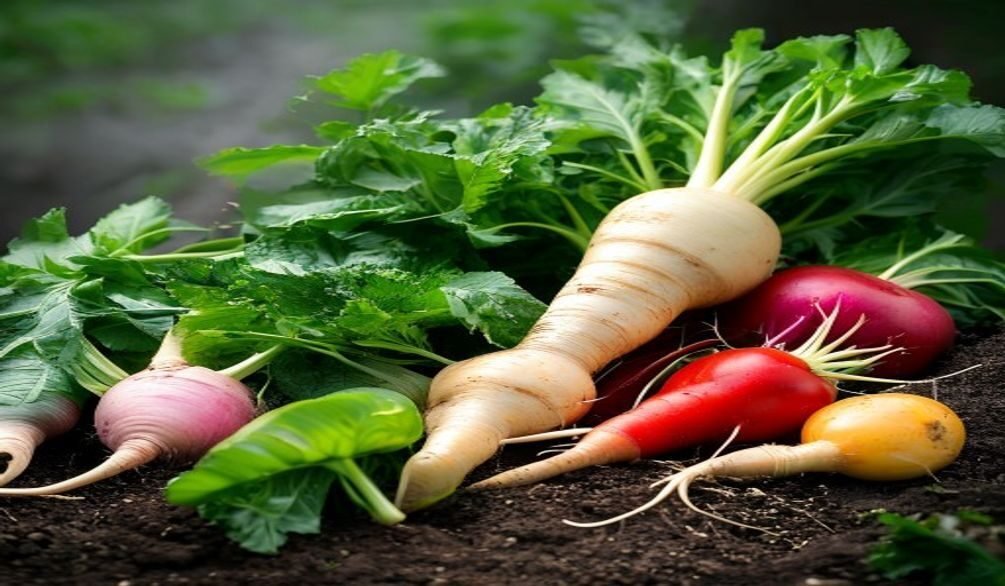
The easiest root vegetables for beginners to grow include radishes, carrots, and beets, as they are relatively forgiving and offer quick rewards. These varieties are excellent choices for anyone starting their journey in growing root vegetables, providing a high success rate with basic care.
Radishes are perhaps the quickest root crop to mature, often ready for harvest in under a month. Their rapid growth makes them incredibly satisfying for new gardeners. When growing root vegetables like radishes, ensure consistent moisture for crisp, flavorful roots.
Carrots are another fantastic option for beginners, though they require slightly more attention to soil preparation. Loose, stone-free soil is paramount for straight, well-formed carrots. Author Susan Mulvihill recommends varieties like Doulcea Narvik and Tender Sweet Carrots for their “really nice roots” and “very flavorful” qualities.
Beets are versatile and robust, offering both edible roots and nutritious greens. They tolerate a range of soil conditions better than some other root crops. Susan Mulvihill suggests Celindra and Golden Beets as reliable and tasty varieties she grows every year, which is valuable advice for anyone interested in growing root vegetables.
* Radishes: Quickest maturity (3-4 weeks), ideal for instant gratification.
* Carrots: Need loose, deep soil, but offer a sweet reward.
* Beets: Dual-purpose (roots and greens), relatively resilient.
* Turnips: Fast-growing and tolerant of various soil types.
Step 1: choose the right root vegetables
Selecting appropriate root vegetables is the first crucial step for a successful harvest. This choice directly impacts your overall gardening experience, especially when you are just beginning your journey of growing root vegetables.
For beginners, focus on varieties known for their ease of cultivation and quick turnaround. My experience shows that starting with forgiving plants builds confidence and provides early successes. Consider your local climate and growing season when making your selections to ensure optimal conditions for growing root vegetables.
When is the best time to plant root vegetables for abundant harvests?
The best time to plant root vegetables for abundant harvests is typically in the cool seasons of spring and fall, as most root crops thrive in cooler soil temperatures. Michigan State University Extension horticulture educators emphasize that “root crops are those vegetables where we eat the portion below ground. All are considered cool season vegetables that do their best growing in the spring and fall” (2026).
Planting too early in hot weather can cause bolting (premature flowering) in some root vegetables like radishes and beets, leading to bitter, woody roots. Conversely, planting too late in the fall might not give roots enough time to develop before the ground freezes. For successful growing root vegetables, understanding your local frost dates is essential.
In many regions, a spring planting can begin 2-4 weeks before the last expected frost date, allowing roots to establish before summer heat. A second planting in late summer or early fall, about 6-8 weeks before the first expected fall frost, can provide a bountiful autumn harvest. This dual-season approach maximizes your yield when growing root vegetables.
* Spring Planting:
* Start 2-4 weeks before the last spring frost.
* Ideal for early harvests of radishes, carrots, and beets.
* Soil temperatures should be consistently above 45°F (7°C).
* Fall Planting:
* Plant 6-8 weeks before the first anticipated fall frost.
* Allows roots to mature in cooling soil.
* Often results in sweeter-tasting root vegetables.
Step 2: prepare ideal soil conditions
Preparing the right soil is the single most critical factor for successfully growing root vegetables. Your efforts here will directly determine the shape, size, and flavor of your harvest, as root crops need unobstructed growth below ground.
Loose, well-draining soil is non-negotiable for growing root vegetables. Compacted or rocky soil will lead to stunted, misshapen roots. I always recommend incorporating plenty of organic matter, which naturally loosens the soil and improves drainage.
Optimizing soil health for growing root vegetables successfully
Optimizing soil health is paramount for successfully growing root vegetables, as these crops develop entirely underground and require specific conditions for optimal growth. The foundation of a productive root vegetable garden lies in its soil structure, nutrient content, and pH balance, all of which directly influence root development.
Loose, well-draining soil is crucial to prevent root deformation and promote robust growth. Purdue Extension advises that “Most garden plants like a pH range of about 6.0 to 7.0, or slightly acidic” (2026), which is ideal for growing root vegetables. Compacted or heavy clay soil can result in stunted, forked, or misshapen roots, making proper soil preparation essential. My experience has shown that ignoring soil structure is the fastest way to a disappointing harvest.
Incorporating ample organic matter, such as compost or aged manure, significantly improves soil structure, drainage, and fertility. Studies show that compost-amended soil can boost tomato yield by 40% (WifiTalents, 2026), demonstrating the power of organic amendments for overall garden health, including growing root vegetables. For deep-rooted crops like carrots and parsnips, aim for at least 12-18 inches of loose soil.
* Soil pH: Aim for a slightly acidic to neutral pH (6.0-7.0) for most root vegetables.
* Texture: Prioritize loose, friable soil, free of rocks and heavy clumps, to allow roots to expand unhindered.
* Nutrients: Use organic fertilizer for root crops, focusing on phosphorus and potassium, which support root development, rather than excessive nitrogen that encourages leafy growth.
* Drainage: Good drainage prevents waterlogging, which can lead to root rot and disease.
Step 3: plant seeds correctly
Correct seed planting is crucial for the successful germination and initial growth of your root vegetables. Improper depth or spacing can lead to poor establishment and reduced yields, making this step vital for anyone growing root vegetables.
Planting seeds at the right depth, usually 1/4 to 1/2 inch, and ensuring proper spacing are key. A Redecker Garden Dibber, handcrafted from beechwood, is an excellent tool for making precise holes for seeds and bulbs, ensuring consistent depth across your rows. This precision helps in uniform germination.
How much sunlight do root vegetables need to thrive?
Most root vegetables need at least 6-8 hours of direct sunlight per day to thrive, as adequate light is essential for photosynthesis, which powers the plant’s energy production and subsequent root development. While the edible part grows underground, the foliage above ground requires sufficient light to feed the entire plant.
Insufficient sunlight can lead to small, underdeveloped roots and weak, leggy foliage. Even though you’re harvesting the root, the leaves are the solar panels for the plant, critical for converting sunlight into the sugars that are stored in the root. For optimal growing root vegetables, a location with full sun exposure is always best.
Some root vegetables, like radishes and beets, can tolerate partial shade (4-6 hours of direct sun) in hotter climates, especially during the afternoon. However, their growth may be slower, and yields might be slightly reduced. For the biggest and best harvests, prioritize a sunny spot when growing root vegetables.
* Full Sun (6-8+ hours): Ideal for most root vegetables, promoting robust growth and larger yields.
* Partial Shade (4-6 hours): Tolerable for some varieties in hot climates, but expect slower growth and smaller roots.
* Morning Sun: Often preferred in very hot regions, as it provides intense light without the scorching heat of the afternoon.
Step 4: provide consistent care (water, sun, thinning)
Consistent care, including proper watering, adequate sunlight, and timely thinning, is essential for healthy growth and maximum yields when growing root vegetables. Neglecting these aspects can severely impact the quality and quantity of your harvest.
Watering should be consistent to ensure even moisture, especially during dry spells, which helps prevent roots from cracking or becoming woody. Drip irrigation can raise crop yields by 20-90%, according to WifiTalents (2026), making it a highly efficient watering method. Proper thinning of seedlings is equally important; overcrowding leads to competition for resources and stunted roots.
Advanced strategies for maximizing root vegetable yield
Maximizing root vegetable yield goes beyond basic planting, incorporating advanced strategies like companion planting, crop rotation, and precise nutrient management. These methods enhance plant health and productivity, ultimately leading to more abundant harvests when growing root vegetables.
Companion planting involves growing specific plants together to deter pests, attract beneficial insects, or improve soil conditions. For instance, planting marigolds near carrots can help repel nematodes, while radishes can be intercropped with slower-growing root crops to loosen the soil. This symbiotic relationship supports healthier growing root vegetables.
Crop rotation is fundamental for long-term soil health and disease prevention. Rotating root crops with leafy greens, legumes, or fruiting plants helps break pest and disease cycles and balances nutrient depletion. For effective crop rotation for root vegetables, avoid planting the same crop or family in the same spot for at least three years. This practice is vital for sustainable growing root vegetables and soil health. You can find more detailed guidance on organic crop rotation to boost soil health.
* Succession Planting: Plant small batches of root vegetables every 2-3 weeks to ensure a continuous harvest throughout the growing season. This is particularly effective for fast-growing crops like radishes and short-season carrots.
* Deep Raised Beds: Utilize deep raised beds for root vegetables, which allow for optimal soil conditions and drainage. Raised beds can increase yields by 25-30% per square meter, according to WifiTalents (2026).
* Organic Fertilizers: Apply balanced organic fertilizer for root crops, prioritizing phosphorus (for root development) and potassium (for overall plant vigor and disease resistance) over excessive nitrogen, which promotes leafy growth at the expense of root size.
* Mulching: Apply a 2-4 inch layer of organic mulch to conserve soil moisture, suppress weeds, and regulate soil temperature, creating a stable environment for growing root vegetables.
Step 5: manage pests and diseases
Effective pest and disease management is critical to protecting your investment and ensuring a healthy yield when growing root vegetables. Proactive measures and early intervention can prevent minor issues from becoming devastating problems.
Regular inspection of your plants for signs of pests or disease is key. In my experience, catching problems early makes them much easier to control organically. Employing strategies like companion planting and ensuring good air circulation can significantly reduce pest pressure and disease susceptibility, leading to healthier growing root vegetables.
Troubleshooting common root vegetable pests and diseases
Troubleshooting common root vegetable pests and diseases is an essential aspect of maintaining a healthy garden and ensuring a bountiful harvest. Understanding the typical culprits and implementing timely, organic solutions can protect your crops when growing root vegetables.
One common pest is the carrot rust fly, which lays eggs near carrot plants, and its larvae tunnel into the roots, causing damage. To manage this, Michigan State University Extension suggests using row covers to prevent adults from laying eggs and practicing crop rotation (2026). Another frequent problem is wireworms, which feed on the roots of various vegetables, including potatoes and carrots. Trapping with potato pieces or introducing beneficial nematodes can help control these pests.
Diseases like damping-off can affect seedlings, especially in cool, wet conditions, causing them to rot at the soil line. Ensuring good drainage and avoiding overwatering are key preventative measures. For more information on preventing this, check out our guide on prevent and treat damping-off disease. Fungal diseases such as cercospora leaf spot can affect beets, causing unsightly spots on leaves. Proper spacing for air circulation and removing affected leaves can help limit its spread when growing root vegetables.
* Common Pests:
* Carrot Rust Fly: Use row covers, practice crop rotation.
* Wireworms: Trap with potatoes, introduce beneficial nematodes.
* Aphids: Spray with insecticidal soap or introduce ladybugs.
* Common Diseases:
* Damping-off: Ensure good drainage, avoid overwatering.
* Cercospora Leaf Spot (Beets): Improve air circulation, remove infected leaves.
* Scab (Potatoes): Maintain proper soil pH, use resistant varieties.
Growing root vegetables in containers and small spaces
Growing root vegetables in containers and small spaces is an excellent solution for urban gardeners or those with limited land, allowing anyone to enjoy fresh produce regardless of garden size. This method proves that successful root crop cultivation isn’t restricted to large plots.
When growing root vegetables in containers, selecting the right pot size and depth is crucial. For carrots, parsnips, and daikons, choose containers at least 12-18 inches deep to accommodate their taproots. Radishes and smaller beets can thrive in shallower pots, around 6-8 inches deep. Vegetable seed purchases by renters out-purchase homeowners (43.5% vs. 36.6%), according to WifiTalents (2026), highlighting the growing trend of small-space and container gardening.
Use a high-quality potting mix that is loose, well-draining, and rich in organic matter. Avoid garden soil, which can compact in containers and hinder root development. Consistent moisture is even more critical for container-grown plants, as pots dry out faster than in-ground beds. Consider using self-watering containers or drip irrigation systems for optimal results when growing root vegetables.
| Root Vegetable | Minimum Container Depth | Ideal Container Width | Notes for Growing Root Vegetables in Pots |
|---|---|---|---|
| Radishes | 6 inches | 6-8 inches | Fastest growing, good for shallow pots. |
| Carrots | 12-18 inches | 8-12 inches | Requires deep, loose soil for straight roots. |
| Beets | 8-10 inches | 8-12 inches | Tolerates slightly shallower depth, both roots and greens edible. |
| Turnips | 8-10 inches | 8-12 inches | Grow quickly, can be harvested young for tender roots. |
| Parsnips | 18-24 inches | 10-12 inches | Long taproots, needs very deep containers. |
For small spaces, vertical gardening techniques can also be adapted for some root crops. Using specialized fabric grow bags or tiered planters can maximize your yield per square foot. Even a small balcony can become a productive hub for growing root vegetables with thoughtful planning and the right containers.
Harvesting and storing root vegetables for extended freshness
Harvesting and storing root vegetables correctly are critical steps to maximize their flavor, texture, and shelf life, ensuring your hard work in growing root vegetables pays off with prolonged freshness. Improper harvesting can damage the roots, leading to quicker spoilage, while proper storage can extend their usability for months.
Most root vegetables are ready for harvest when they reach a desirable size, which can vary by variety and personal preference. Radishes mature quickly, often in 3-4 weeks, while carrots and beets typically take 60-80 days. For the best flavor and texture, avoid letting them get too large, as they can become woody or tough. When harvesting, loosen the soil around the root gently with a Hori Hori knife, praised by Gardenary and Food52 for its versatility, then pull carefully to avoid breaking the taproot. Kyle Hagerty, @UrbanFarmstead expert, also stresses the importance of quality tools like Felco pruners for cutting foliage, stating, “I use hand pruners nearly every day in the garden, so a quality tool that’s both sharp and built-to-last is an absolute must.”
For long-term storage, most root vegetables prefer cool, dark, and humid conditions. After harvesting, brush off excess soil but avoid washing the roots until just before use, as moisture can encourage rot. Trim the greens, leaving about an inch of stem to prevent moisture loss from the root. Storing them in a root cellar, a cool basement, or even a refrigerator drawer packed in damp sand or sawdust can significantly extend their freshness. This method is excellent for preserving your efforts in growing root vegetables.
* Harvesting Tips:
* Harvest when roots reach desired size; smaller often means more tender.
* Loosen soil around roots before pulling to prevent damage.
* Use a sharp tool like a Felco pruner to trim foliage, leaving a short stem.
* Storage Techniques:
* Do not wash roots before storing; brush off soil.
* Trim greens immediately to prevent moisture loss.
* Store in cool, dark, and humid conditions (35-40°F / 1-4°C and 90-95% humidity).
* Use damp sand, peat moss, or sawdust to pack roots in bins for extended freshness.
Frequently asked questions
What are the easiest root vegetables to grow?
The easiest root vegetables to grow are radishes, carrots, and beets, offering quick yields and being relatively forgiving for beginners. These crops can provide a satisfying harvest with minimal fuss, making them ideal for anyone starting out with growing root vegetables. Radishes, for instance, can be ready for harvest in as little as three weeks.
What month do you plant root vegetables?
You typically plant root vegetables in early spring, 2-4 weeks before the last frost, and again in late summer or early fall, 6-8 weeks before the first fall frost. This cool-season planting maximizes growth and flavor, as emphasized by Michigan State University Extension (2026). Always check your local climate zone for precise timing.
Do root vegetables need full sun?
Yes, most root vegetables need at least 6-8 hours of direct sunlight per day to thrive, despite growing underground. The foliage above ground requires ample light for photosynthesis, which fuels the development of the edible roots. Insufficient light can lead to stunted growth and smaller yields when growing root vegetables.
What makes root vegetables grow bigger?
Root vegetables grow bigger with loose, well-draining soil, consistent moisture, adequate sunlight, and proper spacing. Amending soil with organic matter and ensuring a pH between 6.0-7.0 also promotes robust root development, according to Purdue Extension (2026). Thinning seedlings allows individual plants sufficient space and nutrients to grow large.
How deep should soil be for root vegetables?
The ideal soil depth for growing root vegetables varies by type, but generally ranges from 6 to 18 inches. Shallow-rooted crops like radishes need at least 6-8 inches, while deep-rooted vegetables such as carrots and parsnips require 12-18 inches or more of loose, uncompacted soil. Raised beds are excellent for achieving this depth, increasing yields by 25-30% per square meter (WifiTalents, 2026).
In conclusion, successfully growing root vegetables is a rewarding endeavor that enriches your garden and your plate with fresh, homegrown produce. By focusing on ideal soil conditions, timely planting, consistent care, and smart harvesting techniques, you can cultivate a thriving root vegetable patch. Embrace these essential tips to enjoy the unmatched satisfaction of pulling your own delicious roots from the earth. Start your journey today and experience the abundance of growing root vegetables!