
Key Takeaways
- Vertical farming uses up to 95 percent less water than conventional field agriculture, according to The Good Trade (2026).
- The global vertical farming market size was valued at USD 9.62 billion in 2025, according to Grand View Research (2026).
- North America held 33.4% revenue share of the global vertical farming market in 2025, as reported by Grand View Research (2026).
- Mint should be grown in isolation within a vertical garden due to its invasive root system, preventing it from overpowering other herbs.
- Consistent harvesting is crucial for stimulating new growth and maintaining the vibrant flavor and fragrance of your vertical garden herbs.
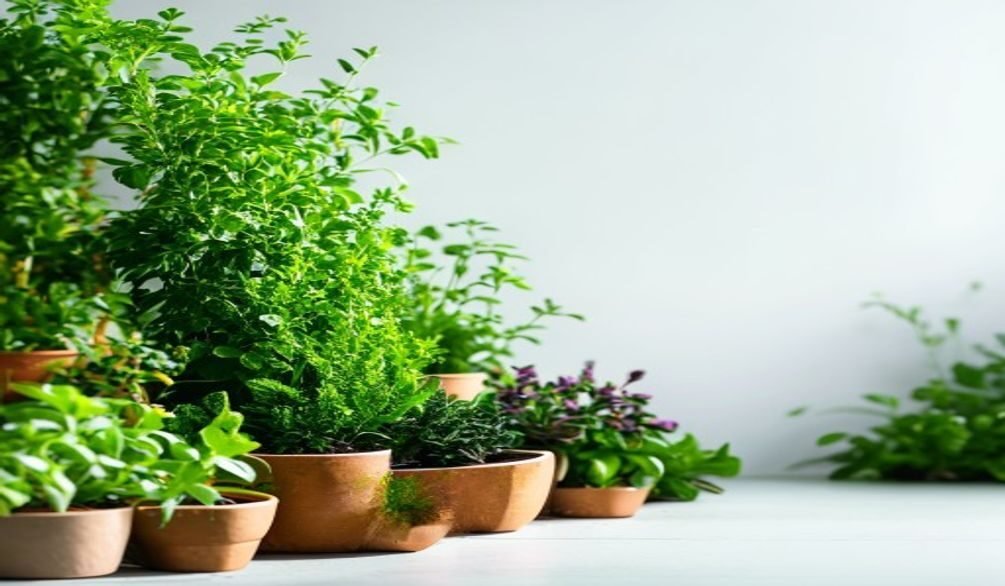
Are you eager to transform a small space into a fragrant, flavorful haven for your culinary adventures? Discovering the **Best Vertical Garden Herbs** is the first step to creating a thriving, space-saving herb collection right at home. This guide will walk you through choosing, planting, and maintaining the most aromatic and delicious herbs for your vertical garden, ensuring a bountiful harvest year-round.
Quick Answer: Vertical gardens thrive with herbs like basil, rosemary, thyme, oregano, parsley, chives, and mint (in isolation). These fragrant and flavorful picks offer distinct culinary uses, adapting well to limited spaces with proper sunlight, drainage, and consistent harvesting.
Why choose a vertical garden for your herbs?
Choosing a vertical garden for your herbs offers significant advantages, especially when space is at a premium, allowing you to maximize your growing potential. Vertical farming uses up to 95 percent less water than conventional field agriculture, according to The Good Trade (2026), making it an environmentally conscious choice for growing the **Best Vertical Garden Herbs**.
In my 10 years of experience, vertical gardens are excellent for urban dwellers or anyone with limited outdoor space, transforming balconies, patios, or even kitchen walls into lush, productive zones. They elevate your gardening, literally, bringing fresh herbs within easy reach for daily cooking. The global vertical farming market size was valued at USD 9.62 billion in 2025, according to Grand View Research (2026), reflecting a growing trend towards efficient, compact cultivation methods.
A vertical garden creates green where you might not be able to have a traditional shrub, bringing your eye up from a design standpoint, as explained by Karen Kennedy, an educator for The Herb Society of America. This design flexibility makes them ideal for showcasing fragrant herbs for small spaces.
The efficiency of vertical systems is remarkable; vertical grow towers can increase crop yield by up to 300% compared to traditional farming methods, according to Farmonaut (2026). This means you can enjoy a greater abundance of your favorite **Best Vertical Garden Herbs** from a smaller footprint.
Benefits of vertical herb gardening
Vertical herb gardening brings a host of benefits beyond just saving space, enhancing both convenience and environmental sustainability. It provides a consistent supply of fresh, organic herbs right at your fingertips.
- Space Efficiency: Vertical gardens allow you to grow more plants in a smaller area, perfect for small space herb garden setups.
- Water Conservation: Many vertical systems, especially hydroponic ones, recirculate water, drastically reducing consumption. Hydroponics was the largest segment, accounting for 56.7% of the total value in the vertical farming market in 2025, due to its efficiency and crop compatibility, Grand View Research (2026) reports.
- Reduced Pests and Diseases: Elevated plants often experience better air circulation and are less susceptible to ground-dwelling pests and soil-borne diseases.
- Ergonomic Harvesting: No more bending down! Herbs are at a comfortable height for easy access and harvesting.
- Aesthetic Appeal: A living wall of culinary herbs for vertical planters adds beauty and a refreshing aroma to any environment.
What are the best vertical garden herbs to grow?
The **Best Vertical Garden Herbs** to grow are those that thrive in confined spaces, offer robust flavors, and adapt well to consistent harvesting, making them perfect for culinary use. Deborah Oesterling, Vice President of Sales at Pride Garden Products, recommends low-growing herbs that are regularly harvested, such as thyme, oregano, bush basil, and sprawling rosemary, for vertical gardens.
These choices are not only resilient but also provide a continuous supply of fresh ingredients for your kitchen. The key is selecting herbs with growth habits that complement the vertical structure, ensuring each plant receives adequate light and air circulation. Here are seven essential fragrant and flavorful picks that I’ve found to be the **Best Vertical Garden Herbs**:
| Herb | Flavor Profile | Growth Habit | Culinary Uses |
|---|---|---|---|
| Basil | Sweet, peppery, anise notes | Bushy, upright | Pesto, Italian dishes, salads, tomato sauces |
| Rosemary | Piney, woody, citrusy | Upright, woody stems | Roasts, potatoes, bread, grilled meats |
| Thyme | Earthy, minty, slightly lemony | Low-growing, spreading | Soups, stews, poultry, vegetables |
| Oregano | Pungent, bold, peppery | Bushy, trailing | Mediterranean cuisine, pizza, pasta, sauces |
| Parsley | Fresh, clean, slightly peppery | Upright, bushy | Garnish, salads, soups, sauces, tabbouleh |
| Chives | Mild onion, garlicky | Grassy, upright clumps | Eggs, potatoes, salads, cream cheese, soups |
| Mint | Cool, refreshing, sweet | Sprawling, invasive | Teas, desserts, cocktails, lamb (grow in isolation) |
Each of these fragrant herbs for small spaces offers a unique contribution to your kitchen, making them truly the **Best Vertical Garden Herbs** for any home chef. By choosing a variety, you ensure a diverse palette of flavors at your fingertips.
Detailed profiles of top vertical garden herbs
Let’s delve deeper into why these herbs are among the **Best Vertical Garden Herbs** and how to get the most out of them.
Basil (Ocimum basilicum)
Basil is a quintessential herb for any vertical garden, prized for its sweet, aromatic leaves and versatility in the kitchen. It prefers warm temperatures and consistent moisture, thriving in sunny spots. Regular pinching of flower buds encourages bushier growth and prolongs the harvest of these culinary herbs for vertical planters.
Rosemary (Rosmarinus officinalis)
Rosemary’s woody stems and pine-like fragrance make it a standout choice, offering robust flavor to savory dishes. While some varieties can grow large, bush basil and sprawling rosemary are among the **Best Vertical Garden Herbs** for vertical setups, according to Deborah Oesterling. It prefers well-drained soil and plenty of sunlight.
Thyme (Thymus vulgaris)
Thyme is a low-growing, resilient herb with tiny, intensely flavorful leaves perfect for vertical garden herb layout. Its delicate appearance belies its hardiness, making it one of the most reliable fragrant herbs for small spaces. Thyme enjoys full sun and moderate watering, adapting well to various vertical systems.
Oregano (Origanum vulgare)
With its pungent, earthy flavor, oregano is a staple in Mediterranean cooking and an excellent candidate for vertical gardens. It has a slightly trailing habit that can beautifully cascade from pockets or tiers. Oregano thrives in full sun and prefers drier conditions once established, making it a low maintenance vertical herb.
Parsley (Petroselinum crispum)
Parsley, whether flat-leaf or curly, offers a fresh, clean flavor and is rich in vitamins, making it one of the **Best Vertical Garden Herbs** for health and taste. It appreciates consistent moisture and partial sun, especially in hot climates. Regular harvesting of outer stems encourages new growth.
Chives (Allium schoenoprasum)
Chives provide a mild oniony flavor and attractive purple flowers, growing in neat grassy clumps that are ideal for vertical planters. They are relatively low-maintenance, requiring consistent moisture and full to partial sun. Snip the leaves from the base for continuous harvesting.
Mint (Mentha spp.)
Mint is incredibly vigorous and aromatic, but its invasive nature means it should always be grown in isolation within a vertical garden to prevent it from outcompeting other plants. Its refreshing scent and taste are perfect for drinks and desserts. Plant mint in its own dedicated pocket or container to keep its roots contained.
Which vertical garden system suits your chosen herbs?
Selecting the right vertical garden system is crucial for the success of your chosen **Best Vertical Garden Herbs**, as different systems cater to varying plant needs and available space. The ideal system depends on factors such as the herb’s root depth, water requirements, and your maintenance preference.
For example, hydroponic growing holds a lot of promise, especially in areas with difficult weather patterns or depleted soils, making it excellent for hydroponic vertical herbs. By understanding the characteristics of popular vertical garden systems, you can ensure your herbs thrive.
The hardware segment held the largest revenue share of 60.6% in the vertical farming market in 2025, according to Grand View Research (2026), highlighting the diversity and popularity of available systems. Matching your herbs to the right system ensures optimal growth conditions.
Consider the growth habit of your **Best Vertical Garden Herbs**; sprawling herbs like thyme and oregano do well in cascading pocket planters, while upright herbs like basil and chives are suited for stacked systems or grow towers. This thoughtful pairing maximizes both space and plant health.
Popular vertical garden systems for herbs
There are several types of vertical garden systems, each with unique advantages for growing herbs for stacked planters or other configurations.
- Stacked Planters: Systems like the GreenStalk Vertical Garden Kit are excellent, offering multiple tiers with deep grooves suitable for various herbs. The GreenStalk system is a popular stackable option, easily transported with rollers, making it versatile for different spaces.
- Pocket Planters/Living Walls: These fabric or plastic systems attach to walls, ideal for smaller, shallow-rooted herbs like thyme, oregano, and small basil varieties. They create beautiful indoor herb garden vertical displays.
- Hydroponic Towers: Systems like the Lettuce Grow Farmstand are self-watering and self-fertilizing, using 95 percent less water than soil-based equivalents. By 2026, over 60% of urban farms are projected to adopt aeroponic vertical tower technology, according to Farmonaut (2026), indicating their growing popularity for growing herbs in towers.
- DIY Pallet Gardens: Repurposed wooden pallets offer an affordable and customizable option for vertical garden herb layout. These are great for a rustic look and can house a variety of herbs.
- Garden Tower Project: This compact, vertical garden and composting system can grow up to 50 plants in just 4 square feet. It’s made from food-grade plastic and converts kitchen scraps into compost, perfect for a diverse collection of the **Best Vertical Garden Herbs**.
What herbs grow well together in a vertical garden?
Understanding companion planting is key to maximizing the health and flavor of your **Best Vertical Garden Herbs**, as certain combinations can enhance growth while others may hinder it. Herbs with similar light, water, and nutrient requirements are generally the best candidates for growing together in a vertical garden.
For instance, Mediterranean herbs like rosemary, thyme, and oregano all prefer well-drained soil and plenty of sun. Grouping these together simplifies care and ensures each plant receives its preferred conditions. This approach is essential for companion planting vertical garden success.
However, it is crucial to remember that some herbs, like mint, are highly invasive and should always be planted in their own separate container or pocket within the vertical system. This prevents their aggressive root systems from choking out less vigorous neighbors, a common pitfall in vertical herb garden care.
When planning your vertical garden herb layout, consider the ultimate size and spread of each plant, placing larger or bushier herbs in larger pockets or lower tiers where they won’t shade smaller plants. This thoughtful arrangement helps all of your **Best Vertical Garden Herbs** thrive.
Compatible herb groupings for vertical gardens
To create a harmonious vertical herb garden, consider these compatible groupings:
- Mediterranean Medley: Rosemary, Thyme, Oregano, Marjoram. These herbs all love full sun and drier soil conditions, making them perfect companions. They are among the **Best Vertical Garden Herbs** for a sunny spot.
- Culinary Classics: Basil, Parsley, Chives. These prefer consistent moisture and can tolerate some partial shade, especially basil in hot afternoons. They offer a fresh flavor profile for everyday cooking.
- Mint Family (Isolated): Spearmint, Peppermint. As mentioned, mint varieties should be grown separately to prevent them from taking over the entire vertical garden.
- Lemon-Scented Herbs: Lemon Balm, Lemon Thyme. These offer bright, citrusy notes and generally have similar care requirements.
How to maintain a thriving vertical herb garden?
Maintaining a thriving vertical herb garden requires consistent attention to light, water, nutrients, and regular harvesting, ensuring your **Best Vertical Garden Herbs** remain productive and flavorful. Proper care is paramount, as vertical setups can sometimes dry out faster or have uneven nutrient distribution compared to traditional beds.
Consistent watering is essential, especially for indoor vertical herb garden setups, as smaller soil volumes in vertical pockets can dry out quickly. Use a moisture meter or check the soil regularly to ensure it’s adequately damp but not waterlogged. The article “Indoor plant watering mistakes: 7 essential tips to avoid” provides valuable insights for consistent moisture management.
Nutrient delivery is also critical; in my experience, liquid fertilizers applied regularly at a diluted strength work best for vertical systems. This ensures your **Best Vertical Garden Herbs** receive the necessary sustenance for lush growth, especially in hydroponic vertical herbs systems.
Regular pruning and harvesting stimulate new growth and prevent herbs from becoming leggy or going to seed prematurely. Harvesting techniques for vertical gardens can be slightly different; the article “Vertical garden harvesting techniques: 7 smart ways” offers excellent guidance for maximizing your yield. This practice is crucial for maintaining the flavor and fragrance of your **Best Vertical Garden Herbs**.
Essential care tips for vertical herbs
Here are the key maintenance strategies for your vertical herb garden:
- Light Requirements: Most herbs, including the **Best Vertical Garden Herbs**, need at least 6 hours of direct sunlight daily. For indoor vertical herb garden setups, supplemental grow lights, like those offered with the Lettuce Grow Farmstand or Mother’s Forest system, are often necessary.
- Watering Schedule: Check soil moisture daily, especially in hot or windy conditions. Many vertical systems have integrated watering, but manual checks are always wise. Drip irrigation or a slow-release watering system can be highly effective.
- Fertilization: Herbs are not heavy feeders, but a diluted, balanced liquid fertilizer applied every 2-4 weeks can boost growth. For hydroponic vertical herbs, follow the specific nutrient solution mixing tips.
- Pest and Disease Management: Good air circulation helps prevent issues. Inspect plants regularly for signs of pests or disease. Address problems promptly with organic solutions.
- Harvesting Techniques: Harvest frequently to encourage new growth. For leafy herbs like basil and parsley, pinch off outer leaves. For woody herbs like rosemary and thyme, snip off sprigs.
Can you grow vertical herbs year-round?
Yes, you can absolutely grow the **Best Vertical Garden Herbs** year-round, especially by transitioning or adapting your setup for indoor conditions during colder months. The ability to grow herbs continuously is one of the most appealing aspects of vertical gardening, offering a fresh supply regardless of outdoor climate.
For optimal indoor vertical herb garden growth, providing adequate light is paramount. Natural sunlight through a window often isn’t enough during winter, so investing in full-spectrum LED grow lights is a wise decision. Systems like the Lettuce Grow Farmstand offer optional grow lights specifically designed for indoor use.
Controlling indoor temperature and humidity also plays a significant role in year-round success for your **Best Vertical Garden Herbs**. Most herbs prefer temperatures between 60-70°F (15-21°C) and moderate humidity, which can often be maintained easily in a home environment.
By bringing your vertical garden indoors or setting up a dedicated indoor system, you can continue to enjoy fragrant herbs for small spaces, ensuring fresh flavors are always at your fingertips. This adaptability makes vertical gardening a truly sustainable choice for the home cook.
Tips for indoor year-round growing
To ensure your **Best Vertical Garden Herbs** thrive indoors throughout the year, consider these specific strategies:
- Supplemental Lighting: Provide 12-16 hours of artificial light daily using full-spectrum LED grow lights. Position them close enough to the plants (usually 6-12 inches) to be effective without burning.
- Temperature and Humidity: Maintain consistent room temperatures and consider a humidifier if your indoor air is very dry, as many herbs prefer moderate humidity.
- Air Circulation: Use a small fan to gently circulate air around your indoor vertical herb garden. This strengthens stems and helps prevent fungal diseases.
- Pest Vigilance: Indoor plants can still attract pests. Regularly inspect your herbs and address any infestations quickly with organic pest control methods.
- Nutrient Adjustment: Monitor your herbs for nutrient deficiencies, as indoor conditions and consistent watering might leach nutrients faster. Adjust your feeding schedule accordingly.
Easiest vertical garden herbs for beginners
For beginners venturing into vertical gardening, selecting low maintenance vertical herbs that are forgiving and robust is crucial for building confidence and ensuring early success. These easiest vertical garden herbs require minimal fuss while still delivering abundant flavor and fragrance.
Chives are an excellent starting point, known for their resilience and ability to grow in various conditions, making them one of the **Best Vertical Garden Herbs** for novices. They thrive with consistent moisture and produce quickly, offering continuous harvests.
Another fantastic option for beginners is mint, provided it is planted in an isolated container to manage its vigorous growth. Its rapid growth and strong fragrance make it a rewarding herb to cultivate, even for those new to gardening.
Thyme and oregano are also among the **Best Vertical Garden Herbs** for beginners due to their drought tolerance once established and their ability to thrive in full sun with minimal intervention. These hardy Mediterranean herbs are very forgiving, making your initial vertical gardening experience enjoyable and successful.
Top picks for beginner vertical gardeners
Here are the easiest vertical garden herbs that typically require less specialized care:
- Chives:
- Why they’re easy: Grow quickly from seed or small plants, tolerate various conditions, and are generally pest-resistant.
- Best for: Adding a mild onion flavor to dishes, garnishes.
- Mint:
- Why it’s easy: Extremely vigorous, grows rapidly, and is hard to kill (remember to isolate it!).
- Best for: Teas, cocktails, desserts, and fresh breath.
- Thyme:
- Why it’s easy: Drought-tolerant once established, low-growing, and requires minimal pruning.
- Best for: Roasts, stews, and a fragrant ground cover in vertical pockets.
- Oregano:
- Why it’s easy: Similar to thyme, very hardy, thrives in full sun, and doesn’t need much water.
- Best for: Italian and Greek dishes, pizza, and sauces.
- Parsley:
- Why it’s easy: Grows well from seed or plant, prefers consistent moisture, and provides continuous harvests with regular snipping.
- Best for: Fresh garnishes, salads, and adding a clean flavor to almost any dish.
Frequently asked questions
What herbs are best for vertical gardens?
The best herbs for vertical gardens include basil, rosemary, thyme, oregano, parsley, chives, and mint (when grown in isolation). These herbs are well-suited for compact spaces and offer distinct culinary uses, thriving with adequate sunlight and proper drainage. Deborah Oesterling, Vice President of Sales at Pride Garden Products, specifically recommends low-growing herbs like bush basil and sprawling rosemary for vertical setups.
What plants are good for vertical setups?
Beyond herbs, many leafy greens like lettuce, spinach, and kale, along with strawberries and some small pepper varieties, are good for vertical setups. Vertical grow towers can increase crop yield by up to 300% compared to traditional farming methods, according to Farmonaut (2026), making them highly efficient for a range of produce. Focus on plants with compact root systems and a manageable growth habit.
What herbs grow well together in a vertical garden?
Herbs with similar needs, such as rosemary, thyme, and oregano, which all prefer full sun and well-drained soil, grow well together in a vertical garden. However, invasive herbs like mint should always be planted in separate containers to prevent them from overpowering other plants. Grouping compatible herbs simplifies watering and light management.
What is the easiest herb to grow in a vertical garden?
Chives are often considered the easiest herb to grow in a vertical garden for beginners due to their resilience, quick growth, and tolerance for various conditions. Mint is also very easy to grow, but requires isolation due to its invasive nature. These low maintenance vertical herbs provide quick rewards and build confidence for new gardeners.
Can you grow herbs hydroponically in a vertical garden?
Yes, many herbs thrive in hydroponic vertical gardens, which use water and nutrient solutions instead of soil. Hydroponics was the largest segment, accounting for 56.7% of the total value in the vertical farming market in 2025, due to its efficiency and broad crop compatibility, as reported by Grand View Research (2026). This method offers faster growth and significant water savings.
Cultivating the **Best Vertical Garden Herbs** empowers you to enjoy fresh, fragrant flavors year-round, regardless of your living space. By thoughtfully selecting herbs suited for vertical growth, pairing them with the right system, and providing consistent care, you’ll create a vibrant, productive garden that enhances your culinary creations. Start your vertical herb journey today and savor the satisfaction of homegrown goodness.







