Key Takeaways
- Almost three-fourths of all crops depend on insect pollinators attracted by floral scents, according to Purdue agricultural experts (2026).
- Floral scents can reduce anxiety, improve mood, and increase physical performance, as noted by Purdue agricultural experts (2026).
- Container gardening interest is significantly increasing, especially for low-maintenance spaces, according to Katie Tamony of Monrovia Nursery (2025).
- The Proust Phenomenon highlights scent’s direct link to memory and emotion via the brain’s hippocampus and amygdala (2026).
- Optimizing growing conditions, including proper sunlight and soil, is crucial to effectively how to grow fragrant flowers.
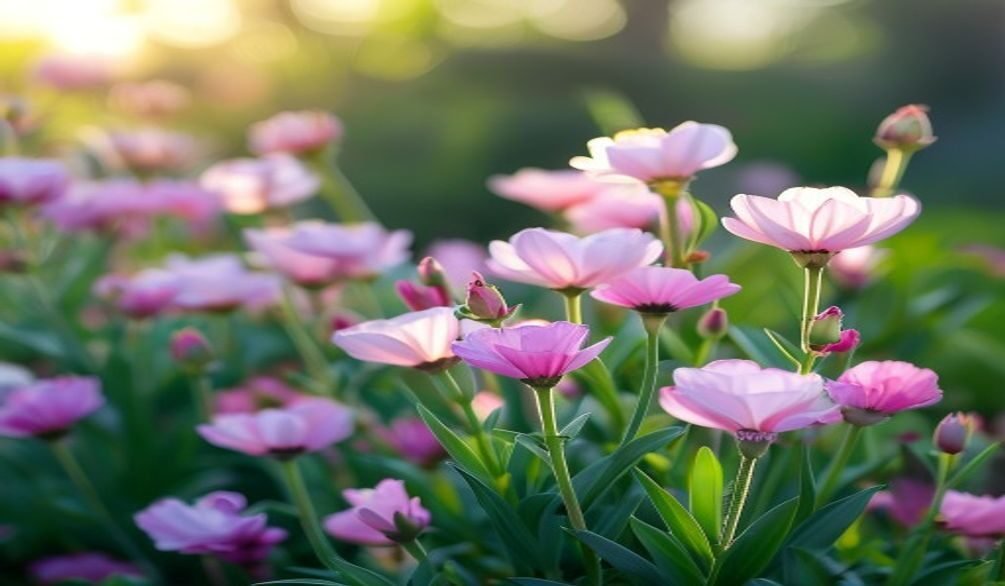
If you’ve ever dreamt of stepping into a garden filled with captivating aromas, then mastering how to grow fragrant flowers is your ultimate goal. This comprehensive guide will walk you through the essential steps, from strategic planning to troubleshooting, ensuring your garden becomes a true sensory delight. In my 10+ years of experience as an expert gardener with a horticulture degree, I’ve learned the secrets to cultivating plants that not only look beautiful but also fill the air with their enchanting perfume.
Quick Answer: To grow fragrant flowers, plan strategically by layering diverse plants for continuous scent, optimizing soil and sunlight, and integrating them into your garden design. Focus on bloom times, scent intensity, and consider night-blooming varieties for extended enjoyment.
Why create a fragrant garden? the power of scent
Creating a fragrant garden offers a multi-sensory experience that transcends visual beauty, deeply enriching your outdoor living spaces. The power of scent in a garden goes far beyond simple pleasantness, impacting mood and memory in profound ways. Floral scents can reduce anxiety, improve mood, and even increase physical performance, as noted by Purdue agricultural experts (2026).
Gardens are increasingly seen as retreats for mindfulness and relaxation, a trend expected to continue in 2026. This focus on well-being makes learning how to grow fragrant flowers an essential skill for modern gardeners. Sensory plants with soothing aromas are blossoming across backyards, as observed by horticulturalist Susan Haiman (2026).
The connection between scent and memory is remarkably strong, a phenomenon known as the Proust Phenomenon. Scent signals travel directly to the brain’s hippocampus, which controls memory, and through the amygdala, which governs emotion, triggering vivid emotional memories, according to “Garden Design and Planting Trends for 2026” (2026). This means your fragrant garden can evoke powerful personal connections.
What makes a flower smell good?
Flowers primarily smell good due to volatile organic compounds (VOCs) they release, which are complex mixtures of chemical compounds designed to attract pollinators. These compounds are produced in specialized glands, often located on petals, and are influenced by genetics, environmental factors, and even the time of day. Almost three-fourths of all crops depend on insect pollinators attracted by floral scents, according to Purdue agricultural experts (2026), highlighting the evolutionary importance of these aromas.
The specific blend of VOCs determines the unique fragrance of each flower. For instance, some flowers might produce sweet, fruity, spicy, or musky notes, all designed to appeal to different types of insects or even birds. Understanding these chemical processes is key to appreciating and maximizing your efforts to how to grow fragrant flowers.
Environmental conditions play a significant role in scent production. Factors like temperature, humidity, and sunlight can affect the quantity and type of VOCs released, meaning a flower’s scent can vary throughout the day or season. This variability is why some flowers are more fragrant in the evening, a topic we’ll explore further when discussing how to grow fragrant flowers at night.
Step 1: strategic planning for your scented garden
To successfully grow fragrant flowers and create a truly immersive sensory experience, strategic planning is the absolute first step. This involves carefully considering your garden’s layout, microclimates, and how different scents will interact. The goal is to design a perfume garden that offers continuous aroma and integrates seamlessly with your lifestyle.
Strategic planning for aroma: key considerations
Planning your scented garden involves more than just picking pretty flowers; it requires a thoughtful approach to maximize scent delivery. You need to think about where you spend time in your garden and how to bring the fragrance to those areas. This careful consideration ensures your efforts to how to grow fragrant flowers truly pay off.
* Identify Scent Zones: Determine areas where fragrance will be most appreciated, such as near seating areas, windows, doorways, or along pathways. These are your primary targets when you plan how to grow fragrant flowers.
* Consider Bloom Times: Select a variety of plants with staggered bloom times to ensure continuous fragrance throughout the seasons. This layered approach is critical for a year-round aromatic garden.
* Assess Scent Intensity: Combine strong-scented plants with more subtle ones to avoid overwhelming the senses. A balanced fragrant garden design is key to long-term enjoyment.
* Evaluate Proximity to Living Spaces: Place highly fragrant plants where their aroma can drift indoors through open windows or be enjoyed on a patio. This maximizes the impact of your efforts to how to grow fragrant flowers.
Understanding your microclimate
Your garden’s microclimate significantly influences which fragrant plants will thrive and how intensely they will smell. Factors like sun exposure, wind patterns, and soil type all contribute to the success of your scented garden. Understanding these elements is fundamental to how to grow fragrant flowers effectively.
* Sunlight: Most fragrant flowers require ample sunlight to produce their aromatic compounds. Aim for at least 6-8 hours of direct sun for many varieties.
* Wind Protection: While some air movement helps spread scent, strong winds can dissipate it quickly. Consider creating windbreaks with shrubs or fences.
* Soil Analysis: Perform a soil test to understand its composition and pH. Healthy soil is the foundation for vigorous, fragrant blooms, making it easier to how to grow fragrant flowers.
Step 2: layering fragrant plants for year-round aroma
Layering fragrant plants is essential for creating a dynamic, year-round scented garden, ensuring that delightful aromas greet you in every season. This technique involves combining different types of plants—annuals, perennials, shrubs, and vines—that bloom at various times, providing a continuous tapestry of scent. For instance, early spring bulbs like ‘Delft Blue’ Dutch Hyacinths can scent an entire yard, according to Almanac.com, offering a powerful start to the season.
Choosing diverse aromatic plants for garden success
Selecting a diverse range of aromatic plants is crucial for achieving continuous fragrance and visual interest. Consider plants with different growth habits and bloom periods to fill various garden niches. This approach is key to how to grow fragrant flowers that delight throughout the year.
* Spring Fragrance:
* Hyacinths: ‘Delft Blue’ Dutch Hyacinths offer an outstanding, head-turning fragrance early in the season.
* Lilacs (Syringa vulgaris): Classic spring bloomers with a sweet, nostalgic scent.
* Daphne (Daphne odora): Small shrubs with incredibly potent, sweet-smelling flowers.
* Summer Fragrance:
* Roses: David Austin Roses are highly coveted for their fragrance, often carrying distinct myrrh notes. ‘Champneys’ Pink Cluster’ Rose, a Noisette rose, also provides an intoxicating fragrance.
* Lilies: ‘Stargazer’ Oriental Lilies unfurl large, rich perfume blooms in midsummer, scenting an entire yard on steamy evenings.
* Jasmine (Jasminum officinale): A climbing vine with intensely sweet-smelling flowers, ideal for trellises or arbors.
* Honeysuckle (Lonicera periclymenum): Many varieties, like those from Proven Winners, offer sweet, heady scents, especially in the evening.
* Fall Fragrance:
* Sweet Autumn Clematis (Clematis terniflora): A vigorous vine covered in small, intensely fragrant white flowers.
* Osmanthus (Osmanthus fragrans): Evergreen shrub with tiny, powerfully apricot-scented flowers.
* Fragrant Foliage and Herbs:
* Sweet Fern (Comptonia peregrina): A small shrub with spicy aromatic leaves, recommended by Lee Reich (2026).
* Clove Currant (Ribes odoratum): A tall shrub with yellow, clove-scented flowers, also a favorite of Lee Reich (2026).
* Goumi Berry (Elaeagnus multiflora): An edible-fruit-bearing shrub with lilac-like fragrant yellow flowers, another excellent choice from Lee Reich (2026).
* Herbs like lavender, rosemary, and mint provide year-round aromatic foliage. You can find more tips on growing herbs in raised beds.
Using container fragrant plants
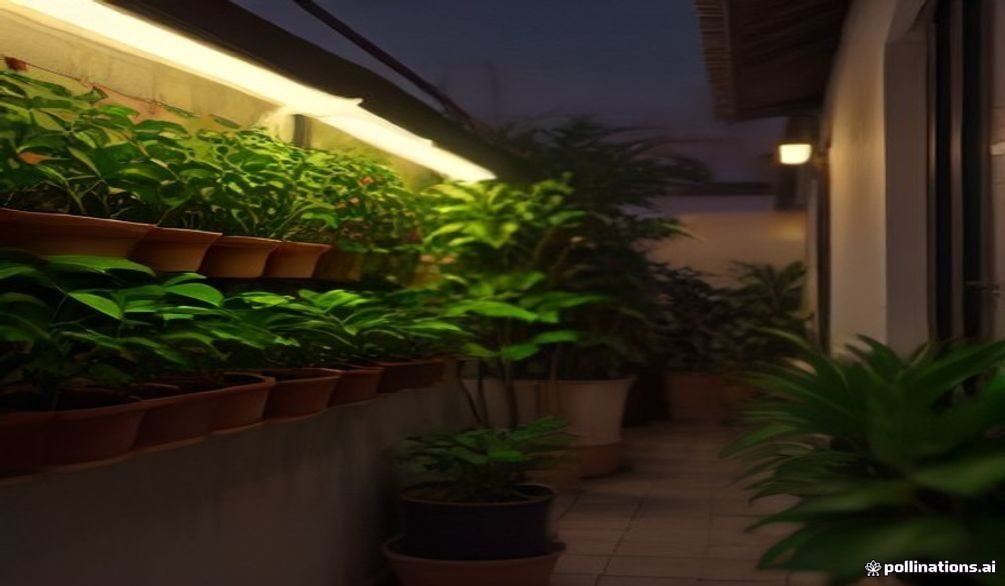
Container gardening is an excellent way to introduce fragrance to specific areas or smaller spaces, and its interest is seeing a significant increase, especially among gardeners 65 years old, according to Katie Tamony of Monrovia Nursery (2025). This method allows for flexibility in placement and easier management of growing conditions, making it simpler to how to grow fragrant flowers even on balconies or patios.
* Mobility: Move containers to areas where their scent can be best enjoyed, or bring tender plants indoors during cold weather.
* Controlled Environment: Easily provide specific soil and watering needs for individual fragrant plants.
* Space Saving: Ideal for small gardens, patios, or balconies. Vego Garden’s self-watering raised garden beds are excellent for this, with their wicking cell system collecting and redistributing excess water, reducing watering frequency.
Step 3: optimizing conditions to grow fragrant flowers
Optimizing growing conditions is paramount to encouraging your flowers to produce their most potent and delightful aromas. While basic plant care ensures survival, specific environmental adjustments will significantly enhance the intensity of their fragrance. This section provides detailed guidance on how to grow fragrant flowers with maximum scent.
Soil and nutrition for maximum aroma
The right soil and proper nutrition are fundamental to a plant’s health and its ability to produce aromatic compounds. Healthy, well-fed plants are inherently more fragrant. My experience shows that nutrient-rich, well-draining soil is non-negotiable for vibrant, scented blooms.
* Well-Draining Soil: Fragrant flowers generally thrive in well-draining soil to prevent root rot. Incorporate organic matter like compost to improve soil structure and drainage.
* Nutrient Balance: Provide a balanced fertilizer, avoiding excessive nitrogen which promotes leafy growth over flowering and scent production. Phosphorous and potassium are crucial for bloom development and scent intensity.
* pH Levels: Most fragrant plants prefer slightly acidic to neutral soil (pH 6.0-7.0). Test your soil and amend as needed.
* Organic Matter: Regularly top-dress with compost. This enriches the soil, improves water retention, and provides a slow release of nutrients, all contributing to how to grow fragrant flowers that truly smell good.
Sunlight and water requirements
Adequate sunlight and consistent watering are critical factors that directly influence the production of volatile oils responsible for fragrance. Without these, even inherently fragrant varieties may disappoint. The amount of light a plant receives directly correlates with its photosynthetic activity, which in turn fuels the production of aromatic compounds.
* Sunlight Exposure: Most fragrant flowers require at least 6-8 hours of full sun daily. Insufficient light can lead to fewer blooms and a weaker scent.
* Consistent Watering: Keep the soil consistently moist but not waterlogged, especially during blooming periods. Deep, infrequent watering encourages stronger root systems.
* Avoid Overhead Watering: Water at the base of the plant to prevent fungal diseases and to ensure water reaches the roots directly. This also helps preserve delicate flower petals and their scent.
Step 4: designing with scent: placement and pathways
Integrating fragrant plants into your garden design through thoughtful placement and strategic pathways elevates the entire sensory experience, transforming your outdoor space into an aromatic sanctuary. The goal is to guide visitors through a journey of scents, creating memorable moments and defining different garden “rooms.” Effective fragrant garden planning considers both aesthetics and olfactory impact.
Strategic placement for optimal scent delivery
Where you place your fragrant plants dictates how and when their aromas will be enjoyed. Consider prevailing winds, sun exposure, and proximity to human activity. This intentional placement is a key aspect of how to grow fragrant flowers that make a real impact.
* Near Seating Areas: Place highly scented plants like jasmine or roses where you relax, allowing their perfume to envelop you.
* Along Pathways: Line walkways with low-growing fragrant herbs like thyme or lavender that release scent when brushed against.
* Under Windows/Entryways: Position fragrant shrubs or climbers so their scent drifts indoors on a breeze.
* In Containers: Use container fragrant plants to bring scent to patios, decks, or even indoors temporarily. This is especially useful in small spaces, aligning with tips for choosing plants for a terrace garden.
Creating sensory pathways
Sensory pathways are designed to engage all senses, with fragrance playing a leading role. These paths encourage slow movement and appreciation of the garden’s offerings. Designing these pathways helps you to how to grow fragrant flowers in a way that maximizes their immersive qualities.
A well-designed sensory pathway might feature plants with varied textures, colors, and, most importantly, scents. Consider integrating elements that encourage interaction, such as benches positioned for optimal fragrance enjoyment.
For example, a path lined with fragrant herbs on one side and climbing roses on an arbor overhead creates a multi-layered scent experience. As you walk, different aromas might be released, offering a dynamic and evolving perfume garden.
| Location Type | Recommended Fragrant Plants | Scent Profile |
|---|---|---|
| Near Entryways | Gardenia, Star Jasmine, Sweet Alyssum | Sweet, heady, honey-like |
| Seating Areas | Roses (David Austin Roses), Lavender, Heliotrope | Classic rose, calming, vanilla-like |
| Pathways | Creeping Thyme, Chamomile, Scented Geraniums | Herbal, apple-like, citrusy |
| Under Windows | Lilacs, Mock Orange, Honeysuckle (Proven Winners varieties) | Sweet, citrus blossom, intense sweet |
Step 5: embrace evening elegance: night-blooming scents
Embracing evening elegance by incorporating night-blooming fragrant flowers transforms your garden into a magical, scented oasis after sunset. Many flowers release their most potent aromas in the evening to attract nocturnal pollinators, providing a unique and often overlooked sensory experience. Discovering these night-blooming scents is a delightful aspect of learning how to grow fragrant flowers.
Top night-blooming fragrant flowers
Night-blooming varieties are specially adapted to release their volatile compounds when the air cools and humidity rises, creating an enchanting perfume garden. These plants are essential for extending your garden’s aromatic appeal into the late hours.
* Moonflower (Ipomoea alba): Large, white, trumpet-shaped flowers that unfurl at dusk and release a sweet, lemony fragrance.
* Nicotiana (Flowering Tobacco): Many varieties, especially *Nicotiana alata*, emit a rich, sweet scent in the evening.
* Evening Primrose (Oenothera biennis): Yellow blooms that open in the late afternoon, offering a delicate fragrance.
* Night-Blooming Jasmine (Cestrum nocturnum): An intensely fragrant shrub or small tree, famous for its powerful nocturnal perfume.
* Tuberose (Polianthes tuberosa): Known for its exceptionally strong, sweet, and exotic fragrance, highly prized in perfumery.
Designing for night-time enjoyment
To truly appreciate night-blooming scents, consider placing these plants near outdoor lighting, seating areas, or bedroom windows. This strategic placement ensures their evening perfume is fully captured. Integrating these elements enhances your ability to how to grow fragrant flowers for round-the-clock enjoyment.
* White and Pale Flowers: Night-blooming flowers often have white or pale petals, which glow softly in the moonlight, enhancing visibility.
* Proximity to Paths: Plant along walkways or near patios where their scent can be enjoyed during evening strolls or relaxation.
* Combine with Lighting: Soft garden lighting can highlight these plants and create an inviting ambiance, complementing their fragrance.
Common challenges: why isn’t my garden fragrant?
If your garden isn’t as fragrant as you hoped, it’s likely due to a few common challenges related to plant selection, growing conditions, or environmental factors. Troubleshooting these issues is a crucial part of learning how to grow fragrant flowers successfully. My experience tells me that often, a small adjustment can make a huge difference in scent intensity.
Identifying and addressing scent issues
Several factors can diminish a flower’s fragrance, even if the plant is healthy. Understanding these can help you diagnose and remedy the problem. Stefani Bittner, landscape designer and author of “The Fragrant Flower Garden,” emphasizes that proper plant choice and care are paramount.
* Insufficient Sunlight: Many fragrant flowers need full sun (6-8 hours daily) to produce the volatile oils responsible for scent. Low light leads to weaker aromas.
* Poor Soil or Nutrition: Depleted soil or an imbalance of nutrients can hinder the plant’s ability to create aromatic compounds. Ensure rich, well-draining soil and appropriate fertilization.
* Over-watering or Under-watering: Stress from inconsistent watering can reduce scent production. Maintain consistent moisture without waterlogging.
* Genetics and Cultivar Choice: Not all varieties of a “fragrant” flower are equally scented. Many modern hybrids are bred for visual appeal or disease resistance, sometimes at the expense of fragrance. Always seek out specific fragrant cultivars, like those from David Austin Roses known for their strong scents.
* Temperature and Humidity: Extreme heat can cause volatile compounds to dissipate quickly, while high humidity can trap scent closer to the ground, making it more noticeable.
* Pest and Disease Stress: Plants under attack will divert energy to defense rather than scent production. Healthy plants are more fragrant. Organic disease prevention is key for healthy plants.
* Wrong Time of Day: Some flowers, like honeysuckle or ‘Stargazer’ Oriental Lily, are more fragrant at specific times, often in the evening.
Troubleshooting tips to maximize aroma
To enhance the fragrance of your existing plants or to ensure future plantings are more aromatic, implement these practical tips. These strategies are vital for anyone trying to how to grow fragrant flowers with maximum impact.
* Re-evaluate Plant Choices: Research specific cultivars known for their strong fragrance, rather than just relying on generic plant names. For instance, specific David Austin Roses are bred for intense scent.
* Optimize Growing Conditions: Ensure plants receive adequate sunlight, consistent watering, and nutrient-rich, well-draining soil. Consider amending your soil with compost.
* Pruning for Health: Regular pruning can encourage new, vigorous growth and more blooms, which often means more scent.
* Consider Location: Move potted plants to sunnier spots or areas with less wind. For in-ground plants, evaluate if relocation is feasible or if nearby structures are casting too much shade.
* Group Plants: Planting several of the same fragrant species together can intensify the overall aroma in an area.
* Add Fragrant Foliage: Incorporate herbs like lavender, rosemary, or scented geraniums, which release scent when touched, providing year-round aroma even when flowers aren’t blooming. This is an effective way to maintain a perfume garden.
Frequently asked questions
What is the most fragrant flower to grow?
While “most fragrant” is subjective, the ‘Stargazer’ Oriental Lily is renowned for its rich perfume that can scent an entire yard on a steamy summer evening. Many specific cultivars of David Austin Roses are also highly coveted for their intense, complex fragrances. The intensity of fragrance can be influenced by environmental factors like temperature and humidity.
What flowers smell good all year?
Achieving year-round fragrance typically involves a combination of plants, as few individual flowers bloom continuously with strong scent. Fragrant foliage plants like lavender, rosemary, and sweet fern (Comptonia peregrina), as recommended by Lee Reich (2026), provide consistent aroma throughout the year, supplemented by seasonal blooms. Strategic layering of different plants with staggered bloom times is essential for continuous scent.
How do i make my garden smell good?
To make your garden smell good, strategically select and place a variety of fragrant plants, ensuring a succession of blooms and scents throughout the seasons. Optimize growing conditions with rich, well-draining soil and ample sunlight, as these factors enhance a flower’s natural perfume. Positioning aromatic plants near seating areas or pathways maximizes the enjoyment of their scent.
What makes a flower smell good at night?
Flowers smell good at night because they release specific volatile organic compounds (VOCs) designed to attract nocturnal pollinators like moths and bats. These night-blooming scents are often more potent in cooler, humid evening air, which helps the aromatic molecules linger. Examples include Moonflower and Night-Blooming Jasmine, which intensify their fragrance after dusk.
What are some easy fragrant plants to grow?
Some easy fragrant plants to grow include Lavender, which thrives in full sun and well-drained soil, and Sweet Alyssum, a low-growing annual with a honey-like scent. Marigolds offer a distinct, earthy fragrance and are very low-maintenance. These plants are excellent choices for beginners looking to grow fragrant flowers without extensive effort.
Mastering how to grow fragrant flowers transforms your garden into a sensory masterpiece, providing joy and relaxation throughout the seasons. By following these seven essential steps—from strategic planning and layering plants to optimizing growing conditions and embracing night-blooming varieties—you can cultivate an outdoor space that delights the senses and nurtures the soul. Start your fragrant garden journey today and experience the profound power of scent firsthand!