
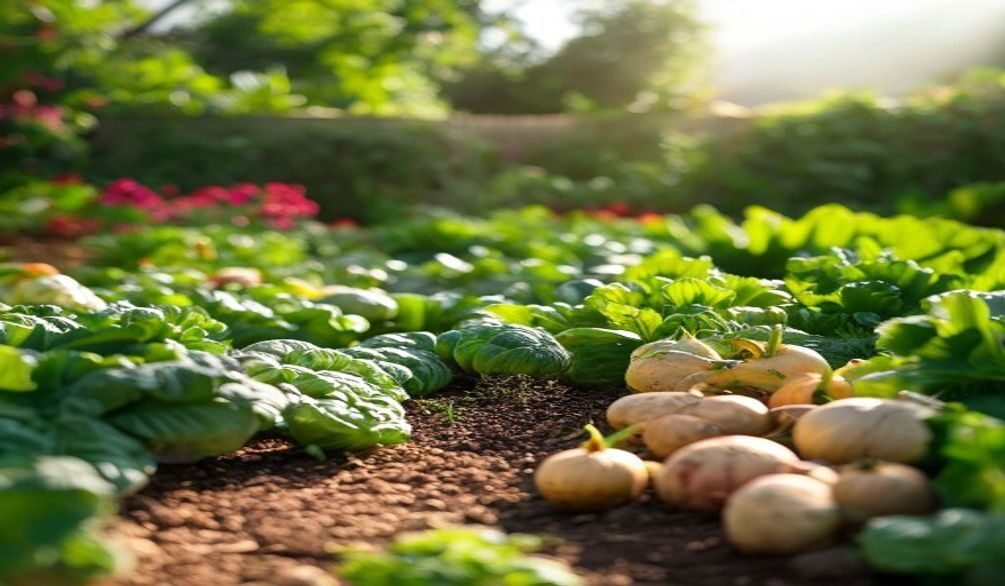
Key Takeaways
- Over 43% of Americans are actively growing some form of food at home, according to RubyHome (2025).
- Leafy greens such as lettuce and spinach, along with root crops like radishes, thrive in shady garden spots.
- The organic vegetable segment constituted 15.5% of retail produce sales in 2024, as reported by the Organic Trade Association (2026).
- Specific cultivars like ‘Black Seeded Simpson’ lettuce excel in low-light conditions, producing tender leaves.
- Improving soil with compost and organic matter is crucial for successful cultivation in shady garden areas.
Are you struggling to find suitable plants for those low-light areas in your garden? You’re not alone; many gardeners face the challenge of cultivating productive spaces beneath trees or along north-facing walls. Fortunately, you can still enjoy a bountiful harvest by selecting the Best Vegetables for Shady Garden Spots. This guide, drawing on my 10+ years of experience in horticulture, will reveal the top picks and advanced strategies to transform your shaded areas into thriving vegetable patches.
Quick Answer: Many vegetables, especially leafy greens like lettuce, spinach, kale, and Swiss chard, along with root crops such as radishes and beets, flourish in shady garden spots. They often prefer cooler temperatures, producing sweeter, more tender leaves with less direct sun.
Understanding different shade levels in your garden
Accurately assessing the shade levels in your garden is the first critical step to successfully growing the best vegetables for shady garden spots. Different plants have varying light needs, and understanding your specific conditions will prevent disappointment. The University of Minnesota Extension defines full shade as less than 3 hours of direct sun per day (n.d.).
Partial shade typically means 3 to 6 hours of direct sunlight daily, often with protection from intense afternoon sun. Dappled shade, on the other hand, refers to filtered sunlight, such as that found under the canopy of deciduous trees. This distinction is vital for a productive vegetable garden layout for shady areas.
Morning sun is generally less intense than afternoon sun, making locations that receive morning sun and afternoon shade ideal for many shade-tolerant vegetables. This balance provides sufficient light for growth without the stress of scorching midday heat.
Knowing whether your spot receives deep shade or just partial shade will significantly influence your choices for the best vegetables for shady garden spots. Take time to observe your garden throughout the day and across seasons to map out its unique light patterns.
What are the best vegetables for shady garden spots?
The best vegetables for shady garden spots are primarily leafy greens and certain root crops, which often prefer cooler temperatures and can produce sweeter, more tender yields with less direct sunlight. Over 43% of Americans are currently growing some form of food at home, according to RubyHome (2025), highlighting a widespread interest in maximizing garden space, even in shade.
Garden Betty, a respected gardening expert, notes that many vegetables and herbs can thrive with less sun than commonly believed. These shade-loving plants adapt by growing larger leaves to capture available light or by maturing more slowly. This allows you to expand your edible garden beyond just sunny patches.
Choosing the right varieties is paramount for success when cultivating the best vegetables for shady garden spots. Look for cultivars specifically bred for quicker maturity or enhanced shade tolerance.

Categorizing shade-tolerant vegetables
When planning your shady garden, it’s helpful to categorize the best vegetables for shady garden spots by their primary growing habit. This allows for a strategic approach to planting and care.
- Leafy Greens: These are the champions of shade, thriving in conditions where sun-loving plants would bolt or wither. They often produce more tender leaves in cooler, shadier conditions.
- Root Vegetables: While many root crops prefer full sun for optimal root development, several varieties can still produce a respectable harvest in partial shade.
- Brassicas: Members of the cabbage family, such as kale and broccoli, can tolerate some shade, especially if the goal is to harvest their leaves or smaller heads.
Leafy greens: top picks for low-light cultivation
Leafy greens are undeniably among the best vegetables for shady garden spots, consistently yielding excellent harvests in conditions that would challenge sun-loving plants. These crops benefit from the cooler soil temperatures and reduced water stress associated with less direct sunlight. The Old Farmer’s Almanac confirms that leafy greens can flourish in partial or dappled shade, sometimes producing sweeter leaves (n.d.).
One excellent example is ‘Black Seeded Simpson’ Lettuce, a loose-leaf variety known for its rapid growth and heat tolerance, making it a stellar choice for shade. Other loose-leaf varieties like ‘Oak Leaf’ and ‘Lolla Rossa’ also perform exceptionally well. These types are perfect for those seeking the best vegetables for shady garden spots, especially in containers.
Spinach, Swiss chard, and kale also rank high among the best vegetables for shady garden spots. ‘Nero Toscana’ Kale, also known as dinosaur kale, is particularly robust and can grow well even in partial shade, providing a steady supply of nutrient-rich leaves.
For gardeners interested in how much sun do leafy greens need, most require at least 3-4 hours of direct sun or 5-6 hours of dappled shade daily. This moderate light ensures good leaf development without causing premature bolting.
Optimal leafy green varieties for shade
When selecting leafy greens, choosing varieties specifically noted for their shade tolerance can significantly improve your success. Here’s a comparison of top choices:
| Vegetable | Specific Cultivar | Shade Tolerance | Notes for Shady Spots |
|---|---|---|---|
| Lettuce | ‘Black Seeded Simpson’ | Partial to Dappled Shade | Fast-growing, less prone to bolting in heat. Ideal for the best vegetables for shady garden spots. |
| Kale | ‘Nero Toscana’ | Partial Shade | Produces tender, flavorful leaves; tolerates cooler, moister conditions. |
| Spinach | ‘Bloomsdale Long Standing’ | Partial Shade | Slow to bolt, excellent for early spring and fall harvests in shade. |
| Swiss Chard | ‘Bright Lights’ | Partial Shade | Vibrant stems and leaves, very productive even with limited sun. |
Many of these leafy greens are also the best container vegetables for shade, allowing you to grow them on patios or balconies that receive limited light. This flexibility makes them indispensable for urban gardeners.
Can root vegetables thrive in partial shade?
Yes, several root vegetables can absolutely thrive in partial shade, though their root development might be slightly smaller than those grown in full sun. The key to growing root vegetables in partial shade is to select varieties known for their adaptability and to focus on harvesting them at a slightly smaller, more tender stage.
Radishes are an excellent example of root vegetables that perform well in partial shade. They mature quickly, often in just 3-4 weeks, making them a satisfying crop even with limited light. ‘Cherry Belle’ or ‘French Breakfast’ varieties are robust choices for the best vegetables for shady garden spots.
Beets are another versatile option; while the roots may be smaller, the beet greens will flourish in partial shade, providing a nutritious harvest. You can harvest baby beets and use the greens as a spinach substitute.
Turnips, particularly varieties like ‘Hakurei’ or ‘Purple Top White Globe’, are easy root vegetables to grow in partial shade. They develop sweet, tender roots even with less than 6 hours of direct sun. When considering the best vegetables for shady garden spots, don’t overlook these underground gems.
Optimizing soil fertility for shady garden areas
Optimizing soil fertility is paramount for successfully growing the best vegetables for shady garden spots, as these areas often present unique challenges such as competition from tree roots and increased moisture retention. Poor soil fertility can significantly hinder plant growth, regardless of shade tolerance. My 10 years of experience have shown that healthy soil is the foundation for any successful garden.
Improving soil for shade gardens should always start with incorporating ample organic matter, such as compost or well-rotted manure. This practice enhances drainage in potentially waterlogged areas and improves water retention in drier spots where tree roots might aggressively compete for moisture. The Organic Trade Association (2026) reports that the organic vegetable segment accounted for 15.5% of retail produce sales in 2024, underscoring the importance of healthy, organic soil practices.
Regular soil testing is advisable to understand nutrient deficiencies and pH levels, allowing for targeted amendments. Shady garden areas often benefit from slightly acidic to neutral soil, which is ideal for many leafy greens.
Consider using raised beds or large containers if tree roots are a major issue, as this creates a confined, nutrient-rich environment for your best vegetables for shady garden spots. This method also helps control soil composition and moisture levels more effectively.
Strategies for enhancing shady garden soil
To ensure your shady areas are as productive as possible, focus on these soil enhancement strategies:
- Add Organic Matter: Work in 2-4 inches of compost annually to improve soil structure, nutrient content, and microbial activity. This is crucial for improving soil for shade gardens.
- Mulch Heavily: Apply a thick layer of organic mulch (e.g., straw, shredded leaves) to conserve moisture, suppress weeds, and regulate soil temperature.
- Use Cover Crops: In off-seasons, plant shade-tolerant cover crops like clover or vetch to add nitrogen and organic matter back into the soil.
- Container Gardening: For areas with impenetrable tree roots, use large pots or grow bags filled with a high-quality potting mix. This is especially effective for the best container vegetables for shade.
Integrated pest management for shade-loving vegetables
Integrated Pest Management (IPM) is essential for shade-loving vegetables because the cooler, moister conditions in shady garden spots can create an ideal environment for certain pests, particularly slugs and snails. These conditions allow pests to thrive, making vigilance and proactive measures crucial.
One of the most effective strategies is regular garden inspection. Early detection of pests or disease symptoms allows for prompt intervention, often with less invasive methods. The University of Minnesota Extension provides valuable resources on identifying and managing common garden pests (n.d.).
Good air circulation is vital in shady areas to prevent fungal diseases that thrive in damp conditions. Pruning surrounding shrubs or trees can improve light and air flow, reducing disease pressure on your best vegetables for shady garden spots.
Consider physical barriers such as copper tape around raised beds or diatomaceous earth sprinkled around plants to deter slugs and snails. Hand-picking visible pests in the early morning or evening is also a highly effective, organic control method.
Organic pest control for shady gardens
Implementing organic pest control methods helps maintain a healthy ecosystem while protecting your best vegetables for shady garden spots.
- Hand-Picking: Regularly inspect plants and remove slugs, snails, and caterpillars by hand.
- Trap Cropping: Plant a small patch of a preferred pest food (like marigolds for slugs) away from your main vegetables to lure pests away.
- Beneficial Insects: Encourage natural predators like ladybugs and predatory wasps by planting flowers that attract them.
- Neem Oil: Use organic neem oil sprays for broad-spectrum pest control, ensuring to follow application instructions carefully.
- Row Covers: For seedlings, lightweight row covers can protect against flying insects while allowing light and air to pass through.
Maximizing yields: advanced tips for shady vegetable gardens
Maximizing yields for the best vegetables for shady garden spots involves more than just selecting the right plants; it requires advanced microclimate management and strategic gardening practices. Even with limited sun, thoughtful planning can significantly boost your harvest.
One key insight from my gardening experience is the importance of succession planting, especially with cool season vegetables for shade. By planting small batches of quick-maturing crops like radishes or loose-leaf lettuce every 2-3 weeks, you can ensure a continuous harvest throughout the growing season. This approach prevents a glut of produce and keeps your garden productive.
Regular and consistent watering is critical, as shady areas can either retain too much moisture or dry out quickly due to competition from established trees. Monitor soil moisture diligently to prevent stress on your best vegetables for shady garden spots.
Utilize vertical space with trellises for climbing shade-tolerant plants like pole beans, which can produce well with partial sun. The Old Farmer’s Almanac suggests that thoughtful placement can help these plants thrive even in less-than-ideal light conditions (n.d.).
Innovative techniques for shady spots
Beyond basic care, these advanced techniques can help you get the most out of your shady garden areas:
- Light Reflection: Use white-painted fences or walls, or even reflective mulches, to bounce available light onto your plants.
- Pruning for Light: Carefully prune lower branches of nearby trees (if appropriate) to allow more dappled sunlight to reach your garden. Consult an arborist for larger trees.
- Container Mobility: If you’re growing the best container vegetables for shade, choose pots that can be moved to capture fleeting sunlight throughout the day.
- Nutrient-Rich Feedings: Supplement your soil with liquid organic fertilizers every few weeks to compensate for potentially slower nutrient cycling in cooler, shadier soils.
Beyond the list: companion planting for shade gardens
Companion planting is an invaluable strategy for enhancing the growth and health of the best vegetables for shady garden spots, offering natural pest deterrence and improved soil conditions. This ancient practice involves planting different species together that benefit each other, creating a more resilient ecosystem.
For instance, planting tall pole tomatoes or corn on the sunny edge of a garden bed can provide beneficial afternoon shade for more delicate leafy greens like lettuce and spinach. This strategic shading protects the greens from bolting in intense heat, allowing them to produce longer. Garden Betty often emphasizes the benefits of thoughtful plant pairings (n.d.).
Aromatic herbs like mint or chamomile, which are often shade tolerant herbs and vegetables themselves, can be planted near your vegetables to deter common pests. Their strong scents confuse pests and attract beneficial insects.
Consider pairing deep-rooted plants with shallow-rooted ones to minimize competition for nutrients and water in the soil. This thoughtful arrangement can significantly improve the overall vigor of your best vegetables for shady garden spots.
Effective companion plant pairings for shade
Here are some proven companion planting ideas tailored for shady garden environments:
- Lettuce and Tall Plants: Plant loose-leaf lettuce varieties like ‘Black Seeded Simpson’ in the shadow of taller plants such as pole beans or even squash vines.
- Radishes and Leafy Greens: Radishes mature quickly and can loosen the soil, benefiting nearby spinach or Swiss chard.
- Kale and Aromatic Herbs: Planting ‘Nero Toscana’ Kale alongside herbs like mint (in a contained pot to prevent spreading) or chamomile can help deter common pests.
- Beets and Bush Beans: Bush beans can fix nitrogen, enriching the soil for beets, which appreciate the added nutrients in partial shade.
Frequently asked questions
What vegetables grow best in partial shade?
Many leafy greens, including lettuce, spinach, kale, and Swiss chard, grow best in partial shade, producing tender leaves. Root vegetables like radishes, carrots, and beets also perform well, though their roots might be slightly smaller, according to The Old Farmer’s Almanac (n.d.). Focus on quick-maturing varieties to maximize your harvest in these conditions.
What vegetables can grow in 4 hours of sun?
Vegetables such as loose-leaf lettuce, spinach, arugula, and cilantro can typically grow successfully with just 4 hours of direct sunlight per day. These plants are considered highly shade-tolerant and thrive in cooler conditions, often yielding sweeter foliage. My personal experience shows that ‘Black Seeded Simpson’ lettuce performs exceptionally well with this amount of light.
What vegetables tolerate 3 hours of sun?
Very shade-tolerant vegetables like spinach, mustard greens, and some varieties of lettuce can tolerate as little as 3 hours of direct sunlight. While growth might be slower and yields smaller, these plants can still provide a harvest. It’s crucial to ensure the soil remains consistently moist and rich in organic matter to support growth in such low-light conditions.
What root vegetables grow in partial shade?
Radishes, beets, carrots, and turnips are root vegetables that grow well in partial shade, though their size may be slightly reduced compared to full-sun crops. For instance, ‘Hakurei’ turnips are known to produce tender roots even with limited light. Focusing on harvesting these crops young can yield delicious and tender results.
How much sun do leafy greens need?
Leafy greens generally need at least 3 to 4 hours of direct sunlight or 5 to 6 hours of dappled shade daily to thrive. While they can tolerate less, more light typically leads to faster growth and more robust plants. The organic vegetable segment, which often includes leafy greens, captured 15.5% of retail produce sales in 2024, reflecting their popularity and adaptability, according to the Organic Trade Association (2026).
By understanding your garden’s unique light conditions and selecting the Best Vegetables for Shady Garden Spots, you can transform overlooked areas into productive and rewarding spaces. Embrace specific cultivars, optimize your soil, and implement integrated pest management to ensure a healthy harvest. Start experimenting with these shade-loving plants, and you’ll discover the joy of growing fresh produce in every corner of your garden.







