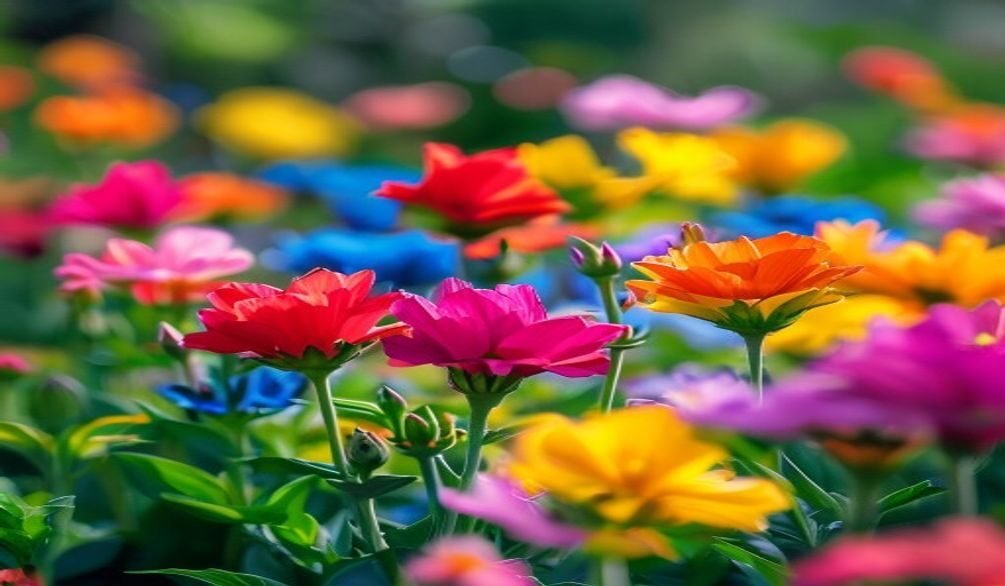
Key Takeaways
- “Faded Petal,” a soft, weathered pink, is predicted to be an on-trend shade for 2026, according to Katie Dubow of Garden Media Group (2025).
- Pantone selected “Cloud Dancer White” as its Color of the Year for 2026, marking the first time a shade of white has been chosen (2026).
- A Global Floral Trends report (2024) indicated a 30% sales boost for green-based arrangements, driven by eco-conscious consumers.
- Using warm colors like reds and oranges can make a garden feel more intimate and energetic.
- Cool colors such as blues, purples, and greens create a sense of calm and can make small spaces appear larger.
Are you struggling to create a cohesive and visually stunning outdoor space? Mastering **color theory for flower garden** design is essential for transforming a collection of plants into a harmonious landscape that truly captivates. This guide will walk you through seven essential tips, helping you apply expert principles to elevate your garden’s aesthetic and evoke specific moods.
Quick Answer: Designing a colorful flower garden involves applying color theory principles like warm/cool palettes and complementary schemes to create visual harmony and evoke moods. Use masses of color for impact, incorporate foliage, and consider current trends for a fresh, appealing aesthetic.
What is color theory for flower gardens and why does it matter?
Color theory for flower gardens is the systematic approach to using color principles to create visually appealing and harmonious plant arrangements. It matters because it allows gardeners to design spaces that evoke specific emotions, guide the eye, and enhance the overall aesthetic impact of their landscape, turning a simple planting into a work of art. Understanding **color theory for flower garden** design is crucial for achieving professional-looking results.
In my 10+ years of experience in horticulture, I’ve seen firsthand how thoughtfully applied **color theory for flower garden** can transform a space. It’s not just about picking pretty flowers; it’s about understanding how colors interact. This strategic approach ensures your garden flows beautifully and offers continuous visual interest.

Applying **color theory for flower garden** design helps you move beyond haphazard planting. It provides a framework for selecting plants that complement each other, creating depth and visual interest throughout the seasons. This foundational knowledge is what separates a good garden from a truly exceptional one.
Key principles of color theory for gardens
The core principles of **color theory for flower garden** design include understanding the color wheel, warm and cool colors, and various color schemes. These principles are universal, whether you’re designing an interior space or a vibrant outdoor oasis.
* The Color Wheel: This fundamental tool organizes colors into primary (red, yellow, blue), secondary (orange, green, purple), and tertiary hues. Its layout visually demonstrates how colors relate and interact.
* Hue, Saturation, and Value: Beyond the basic color, consider its intensity (saturation) and lightness or darkness (value). These elements greatly impact how a color is perceived within your garden.
* Achieving Harmony: The ultimate goal of **color theory for flower garden** is to create a sense of balance and unity. This often means carefully selecting colors that don’t clash but rather enhance each other’s beauty.
How do you choose a color scheme for a flower garden?
Choosing a color scheme for a flower garden involves identifying the mood you wish to create and then selecting a palette based on established color theory principles like monochromatic, analogous, or complementary schemes. Most landscape and garden designers agree that color schemes are more effective when you use large masses of color, not single plants, for maximum impact, according to Explore Cornell (undated). This mass planting strategy is central to effective **color theory for flower garden** design.
The short answer is to start with your desired feeling. Do you want a lively, energetic space or a serene, calming retreat? Your answer will guide your choices in **color theory for flower garden**. For instance, a vibrant garden might lean towards warm colors, while a peaceful one would favor cool tones.
Here are popular flower garden color schemes to consider:
* Monochromatic: This scheme uses various shades, tints, and tones of a single color. For example, a garden filled with light pink, medium pink, and deep fuchsia blooms creates a sophisticated and cohesive look. Chris Fenmore, principal designer of Garden Studio Design, notes that mass plantings of a single color family, such as all-white blooms, create a dramatic impact, especially with structural elements. This approach exemplifies precise **color theory for flower garden** application.
* Analogous: This scheme uses colors that are next to each other on the color wheel, such as blue, blue-green, and green. It creates a harmonious and natural flow, often seen in serene garden designs. An analogous scheme is excellent for creating subtle transitions in your **color theory for flower garden**.
* Complementary: These are colors opposite each other on the color wheel, like purple and yellow, or red and green. They create high contrast and visual excitement, making each color appear more vibrant. Using complementary colors is a bold statement in **color theory for flower garden**.
* Triadic: This scheme uses three colors equally spaced on the color wheel, such as red, yellow, and blue. It offers a vibrant and balanced palette, though it can be challenging to implement without careful planning. This advanced application of **color theory for flower garden** requires thoughtful plant selection.
* Pastel: A Floral Industry Report (2024) found that blush-toned flowers remain a top choice, with 40% of consumers favoring pastel palettes. These soft, muted colors create a gentle and romantic atmosphere. A petite patio in an English garden, for instance, uses a pastel palette of soft lavender, pale yellow, white, and pinks, planted in layers, to create a storybook feel.
Understanding warm, cool, and neutral hues in your garden
Understanding warm, cool, and neutral hues is fundamental to effective **color theory for flower garden** design, as these distinctions profoundly impact the mood and perceived size of your garden space. Warm colors tend to advance visually, making objects seem closer, while cool colors recede, creating a sense of distance and calm.
Warm colors, like reds, oranges, and yellows, are often associated with energy, passion, and excitement. In a garden, they can draw attention and create focal points, making a space feel more vibrant and intimate. From experience, these hues grab the eye immediately, making them powerful tools in **color theory for flower garden**.
Cool colors, including blues, purples, and greens, typically evoke feelings of serenity, tranquility, and spaciousness. They are excellent for creating restful areas and can make smaller gardens appear larger by visually pushing boundaries outwards. This effect is a key benefit of applying **color theory for flower garden** principles.
Neutral colors such as whites, grays, and browns serve as excellent buffers and backdrops, allowing other colors to shine without competition. White, in particular, can brighten shady areas and provide a refreshing break between more intense hues. Pantone chose “Cloud Dancer White” as the Color of the Year for 2026, marking the first time a shade of white has been selected (2026), highlighting its importance in contemporary design, including **color theory for flower garden**.
Here’s a quick overview of how these hues function:
| Hue Category | Characteristics in the Garden | Example Flowers for Color Theory for Flower Garden |
|---|---|---|
| Warm Colors | Energetic, inviting, stimulating, appear closer, reduce perceived space. | Red Poppies, Orange Marigolds, Yellow Sunflowers |
| Cool Colors | Calming, serene, expansive, appear farther away, enlarge perceived space. | Blue Hydrangeas, Purple Lavender, Green Foliage |
| Neutral Colors | Harmonizing, versatile, provide contrast, highlight other colors. | White Roses, Gray Artemisia, Brown Bark |

How to combine flower colors for maximum impact?
To combine flower colors for maximum impact, group plants in large drifts of color rather than scattering individual blooms, as this creates a more cohesive and visually striking display. Afloral (2026) states that “Color is one of the most powerful tools in floral design. It sets the mood, defines the style, and transforms even the simplest arrangement into something intentional and elevated.” This principle holds true for **color theory for flower garden** design.
One common mistake I see is gardeners planting one of everything. For true impact, focus on repetition and mass. A dedicated dahlia bed, for example, featuring various colors of ‘Cafe au Lait’ dahlias, can create abundant bouquets and a vibrant display. This demonstrates effective **color theory for flower garden**.
Consider these strategies for combining colors:
* Drifts and Masses: As mentioned by Explore Cornell (undated), grouping plants in large drifts maximizes visual impact. Instead of single plants, use blocks of color to create a powerful statement. This is a cornerstone of effective **color theory for flower garden**.
* Layering: Plant taller varieties behind shorter ones, creating depth and allowing all blooms to be seen. An English garden design often uses layered pastels to build a cohesive visual narrative. This technique enhances the overall effect of your **color theory for flower garden**.
* Using White as a Bridge: White flowers can act as a neutral separator, allowing you to transition between different color schemes without jarring clashes. They provide visual breathing room in your **color theory for flower garden**.
* Varying Textures: Beyond color, varying leaf shapes and flower forms adds another layer of interest. A mix of delicate ferns with bold hostas, for instance, can enhance the visual richness of your **color theory for flower garden**.
* Seasonal Overlap: Plan for continuous bloom by selecting plants with staggered flowering times. This ensures your **color theory for flower garden** remains dynamic and colorful throughout the growing season.
Beyond blooms: incorporating foliage, hardscaping, and seasonal interest
Beyond blooms, incorporating foliage, hardscaping, and seasonal interest is crucial for a complete **color theory for flower garden** design, as these elements provide year-round structure and color, ensuring your garden remains engaging even when flowers are not in season. A Global Floral Trends report (2024) indicated that green-based arrangements experienced a 30% sales boost, driven by eco-conscious consumers, underscoring the importance of foliage.
Many gardeners focus solely on flowers, but foliage offers an incredible palette of greens, purples, silvers, and even variegated patterns. These greens, often overlooked, are foundational to **color theory for flower garden**. Consider the deep purple leaves of a ‘Black Lace’ elderberry or the silvery tones of lamb’s ear.
Hardscaping elements like pathways, patios, and garden structures also contribute significantly to your garden’s color scheme. The color of your paving stones or a painted fence can either complement or contrast with your plant choices, influencing the overall feel of your **color theory for flower garden**.
To maintain interest across seasons, think about plants with colorful bark, berries, or interesting seed heads. Crepe myrtles, for example, are highlighted as “stars of the show” every July, providing bright and beautiful color, and many varieties offer attractive exfoliating bark in winter. This holistic approach is vital for a vibrant **color theory for flower garden**.
* Foliage First: Prioritize plants with interesting leaf colors and textures. Heucheras, hostas, and ornamental grasses offer a wide array of options that contribute to **color theory for flower garden**.
* Hardscape as a Foundation: Choose hardscaping materials that align with your desired color palette. A light-colored patio can brighten a space, while darker tones add sophistication.
* Evergreen Structure: Incorporate evergreen shrubs and trees for continuous green color and form throughout the year. This provides a consistent backdrop for your **color theory for flower garden**.
* Berries and Bark: Select plants known for their winter interest, such as hollies with red berries or dogwoods with vibrant red bark. These elements extend the impact of your **color theory for flower garden**.
* Seasonal Transitions: Plan for spring bulbs, summer perennials, and fall foliage to ensure a dynamic display. The Southern Living Plant Collection offers varieties like ‘Princesse Charlene de Monaco®’ rose and ‘American Lace™ Pink’ hydrangea that provide extended bloom and vibrant color.
Using color psychology to evoke moods in your garden
Using color psychology in your garden design allows you to intentionally evoke specific moods and feelings, transforming your outdoor space into an emotional sanctuary or an energetic hub. Color is one of the most powerful tools in floral design, as noted by Afloral (2026), and its psychological impact in a garden setting is equally profound for **color theory for flower garden**.
The emotional response to color is often subconscious, yet it’s incredibly powerful. For example, a Dutch countryside meadow featuring orange blanket flower (Gaillardia sp.) and scarlet beebalm (Monarda didyma) creates a tapestry of vibrant, energetic color. This lively combination is a direct application of **color theory for flower garden** psychology.
Here’s how different colors can influence the mood of your **color theory for flower garden**:
* Red: Passion, energy, excitement. Use sparingly for focal points or to create a dramatic impact.
* Orange: Enthusiasm, warmth, creativity. Invigorating and welcoming, ideal for gathering spaces.
* Yellow: Happiness, optimism, cheerfulness. Brightens any space and creates a sunny disposition.
* Green: Nature, tranquility, growth. The dominant color in most gardens, providing a calming backdrop.
* Blue: Serenity, peace, introspection. Perfect for creating a calm retreat or making spaces feel cooler.
* Purple: Luxury, mystery, creativity. Adds depth and sophistication, can be both calming and stimulating.
* White: Purity, simplicity, freshness. Creates a sense of elegance and can highlight other colors.
Consider the example of ‘Nikko Blue’ hydrangea, which forms a frothy border along a picket fence. Its colors change based on soil pH, offering pink in alkaline soil and blue in acidic soil, demonstrating how a single plant can adapt to different moods within the **color theory for flower garden**. If your flowers are mostly warm colors and you want to soften their intensity, consider adding some cool-color blooms and foliage to provide contrast, according to Explore Cornell (undated).
Designing with trends: 2026 colors and plant varieties to consider
Designing with trends for your **color theory for flower garden** involves integrating current popular hues and plant varieties to keep your outdoor space fresh and contemporary, while still adhering to timeless design principles. “Faded Petal,” a soft, weathered pink, is anticipated to be an on-trend shade for 2026, according to Katie Dubow, president of Garden Media Group (2025).
While classic **color theory for flower garden** principles are enduring, incorporating trends can give your garden a modern edge. Afloral (2026) highlights that in 2026, the most popular foundation colors include soft blush, warm cream, muted sage, dusty blue, and pale butter yellow. These provide a versatile base for many garden styles.
Etsy (2025) observed a 20% increase in searches for “plum floral arrangements,” highlighting its rising popularity. This indicates a growing interest in richer, deeper tones that can add sophistication to your **color theory for flower garden**.
Here are some 2026 color trends and plant varieties to consider for your **color theory for flower garden**:
* Faded Petal Pink: Embrace soft, ash-kissed pinks.
* ‘Cafe au Lait’ Dahlia: A florist’s favorite with its faded blush hue.
* ‘Princesse Charlene de Monaco®’ Rose: Offers delicate, fragrant blooms in soft pinks.
* Cloud Dancer White: Utilize crisp, clean whites for elegance and contrast.
* White Hydrangeas: Provide large, impactful blooms.
* White Impatiens: Excellent for brightening shady spots.
* Muted Sage Greens: Leverage a Global Floral Trends report (2024) finding of a 30% sales boost for green-based arrangements.
* Lamb’s Ear: Soft, silvery-green foliage with a unique texture.
* Dusty Miller: Offers a striking silvery-white foliage that complements many colors.
* Plum Tones: Incorporate deep, rich purples for sophistication.
* Etsy (2025) noted a 20% increase in searches for “plum floral arrangements.”
* Heuchera ‘Palace Purple’: Provides year-round dark foliage.
* Monarda ‘Scorpion’: Features vibrant plum-colored blooms, adding a unique touch to your **color theory for flower garden**.
* Pale Butter Yellow: Adds a gentle warmth without overpowering.
* ‘Moonbeam’ Coreopsis: Delicate yellow blooms that flower profusely.
* Pale Yellow Daylilies: Offer robust, easy-care color.
Making your garden look bigger: the role of color
Making your garden look bigger through **color theory for flower garden** involves strategically using cool, receding colors in the background and lighter hues to create an illusion of depth and space. This technique effectively manipulates perception, making a compact area feel more expansive.
One of the most effective tricks in **color theory for flower garden** is to understand how colors “move.” Warm colors tend to jump forward, while cool colors recede. If you have a small garden, planting cool-colored flowers like blues and purples at the far end will make the boundary seem further away.
Conversely, avoid using too many bold, warm colors at the edges of a small space, as this can make the garden feel enclosed and even smaller. Instead, save those vibrant hues for areas closer to the viewer or for specific focal points. This careful application of **color theory for flower garden** is key.
Consider these tips for using **color theory for flower garden** to enhance perceived size:
* Cool Colors in the Distance: Plant blues, purples, and deep greens at the back of borders or at the far ends of your garden beds. These colors create a sense of depth and distance, making the space appear longer or wider.
* Light Colors for Expansion: Use white, pale yellow, and soft pastels to open up spaces. These lighter shades reflect more light, making an area feel brighter and more open.
* Monochromatic Cool Palette: A monochromatic scheme using various shades of blue or purple can create a cohesive and expansive feel. Chris Fenmore, principal designer of Garden Studio Design, notes that mass plantings of a single color family can create a dramatic impact.
* Foliage as a Depth Creator: Utilize diverse foliage colors, especially silvery or blue-green leaves, to enhance the illusion of depth. Plants like Artemisia or Blue Fescue contribute to this effect.
* Vertical Elements with Restraint: While vertical gardens can save space, avoid overly dense or dark vertical plantings in small areas if the goal is expansion. Lighter, airier vertical elements are better. For more ideas on maximizing small spaces, you might find our article on Vertical garden space saving ideas helpful.
Frequently asked questions
How do you choose a color scheme for a flower garden?
You choose a color scheme for a flower garden by first determining the desired mood, then selecting a palette like monochromatic, analogous, or complementary. Grouping plants in large masses of color, not single plants, is more effective, according to Explore Cornell (undated). This ensures a cohesive and impactful design, central to effective **color theory for flower garden**.
What colors make a garden look bigger?
Cool colors like blues, purples, and greens, especially when planted in the background, make a garden look bigger because they visually recede. Light colors such as whites and pale yellows also create an expansive feel by reflecting more light, which is a core principle of **color theory for flower garden**.
What are the 7 colors of the rainbow in a garden?
The 7 colors of the rainbow (Red, Orange, Yellow, Green, Blue, Indigo, Violet) can be incorporated into a garden to create a vibrant, joyful display. While a strict rainbow order is possible, most gardeners use these hues strategically to create specific effects, applying principles of **color theory for flower garden**.
How do you combine flower colors?
Combine flower colors by grouping plants in large drifts for maximum impact and by using color theory principles like complementary or analogous schemes. White flowers can serve as effective visual breaks between intense hues, a smart strategy in **color theory for flower garden**.
What are the most popular foundation colors for gardens in 2026?
The most popular foundation colors for gardens in 2026 include soft blush, warm cream, muted sage, dusty blue, and pale butter yellow, according to Afloral (2026). These versatile shades provide excellent backdrops for a wide range of flower colors and are key to contemporary **color theory for flower garden**.
Mastering **color theory for flower garden** design is a journey that transforms your gardening efforts from simple planting into a thoughtful artistic endeavor. By applying these essential tips, from understanding warm and cool hues to incorporating foliage and current trends like “Faded Petal” and “Cloud Dancer White,” you can create a garden that is not only visually stunning but also deeply resonant. Start experimenting with these principles in your own garden today and watch your landscape come alive with purpose and beauty.