Key Takeaways
- Urban planting of dwarf fruit trees can yield approximately 30% more fruit per square meter than traditional orchards, according to Farmonaut (2026).
- Most dwarf fruit trees have a lifespan of 10-15 years, offering a decade or more of fresh produce, as reported by Gardeners’ World (2021).
- Dwarf fruit trees, typically 8-10 feet tall, often bear fruit sooner than standard trees, allowing for quicker harvests, according to Stark Bro’s (2026).
- Proper rootstock selection, like M27 for apples or Gisela 5 for cherries, is crucial for successful dwarf tree growth and size control.
- Consistent watering and balanced fertilization are essential for maximizing fruit production and overall tree health in compact spaces.
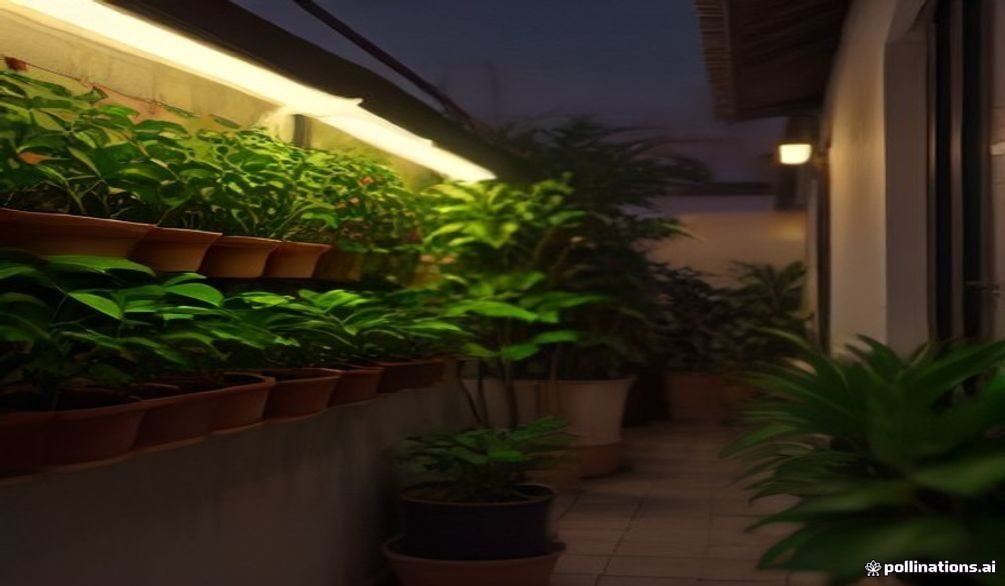
Are you dreaming of fresh, homegrown fruit but think your garden is too small? Think again! The secret to enjoying an abundant harvest in limited spaces lies in mastering the art of growing dwarf fruit trees for small gardens. As Gaurav, with over a decade of hands-on experience in horticulture, I can tell you that compact fruit trees offer a fantastic opportunity to transform even the smallest patio or balcony into a productive urban orchard, bringing the joy of fresh produce right to your doorstep.
Quick Answer: Dwarf fruit trees are compact varieties, typically 8-10 feet tall, ideal for small gardens and containers. They offer full-sized fruits, often bear sooner than standard trees, and make homegrown produce accessible in limited spaces.
Do dwarf fruit trees produce fruit?
Yes, dwarf fruit trees absolutely produce fruit, and often do so more quickly and manageably than their standard-sized counterparts. Dwarf fruit trees often begin to bear fruit sooner than their larger counterparts, allowing for quicker harvests, as noted by Stark Bro’s (2026). This makes them an excellent choice for gardeners eager to see results without waiting years.
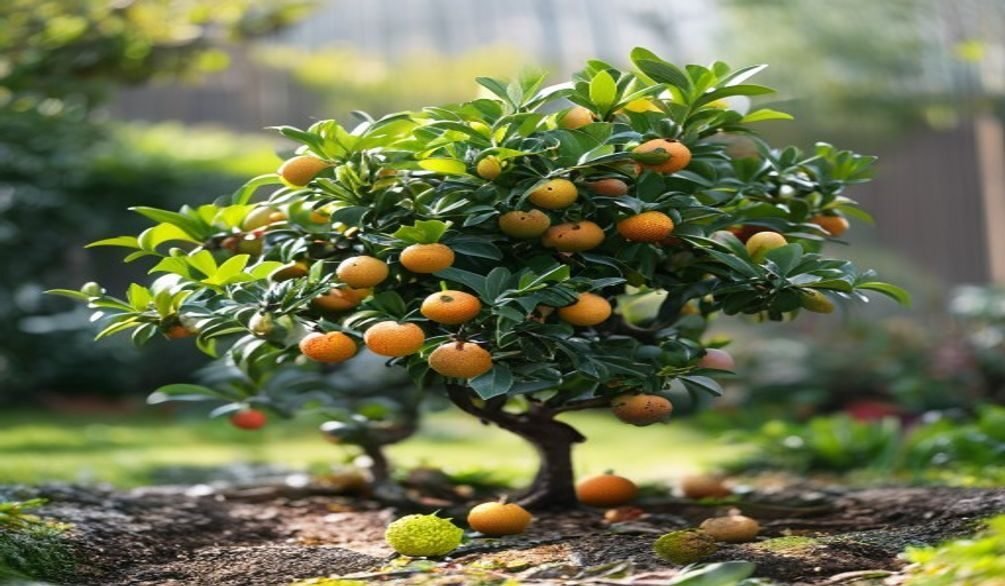
The fruit produced by dwarf varieties is full-sized and delicious, not miniature. The “dwarf” refers to the tree’s overall height and spread, which is controlled by the rootstock it’s grafted onto or its genetic makeup. In my experience, the quality and quantity of fruit from a well-cared-for dwarf tree can rival that of a larger tree, especially when you’re focused on grafting fruit trees for beginners.
For anyone interested in growing dwarf fruit trees for small gardens, understanding their productivity is key. Dwarf stock fruit trees are simply easier to manage, easier to look after, and easier to harvest than bigger trees, according to Chris Bowers & Sons (2026). This ease of management directly contributes to consistent yields.
Urban planting of dwarf fruit trees can yield approximately 30% more fruit per square meter than traditional orchards, according to Farmonaut (2026). This remarkable efficiency highlights why growing dwarf fruit trees for small gardens is a sustainable and rewarding endeavor.
Choosing the best dwarf fruit trees for small gardens
Selecting the right dwarf fruit tree varieties is the first crucial step to ensure success in your compact space. The best dwarf fruit trees for small gardens are those specifically bred or grafted for limited footprints, offering robust growth and prolific fruiting. As Anya Reva, Founder and Fruit Tree Specialist at San Diego Fruit Tree Service, states, San Diego’s unique blend of microclimates makes it a dwarf fruit tree paradise (2025).
Step 1: select the right dwarf fruit tree varieties
When choosing varieties, consider your local climate, available sunlight, and personal fruit preferences. Many nurseries, like Stark Bro’s and Perfect Plants Nursery, offer a wide range of dwarf apple, pear, peach, cherry, and fig trees specifically suited for small gardens and container fruit trees.
* Dwarf Apples: Varieties like ‘Gala’ or ‘Honeycrisp’ on M27 Rootstock are excellent choices, known for their compact size and good yields. M27 Rootstock is one of the most dwarfing rootstocks available for apples, making it ideal for the smallest spaces.
* Dwarf Pears: ‘Seckel’ or ‘Moonglow’ are reliable options, often grown on dwarfing rootstock to keep them manageable.
* Dwarf Peaches: The Bonanza Peach Tree is a popular genetic dwarf peach, growing only 4-6 feet tall, perfect for patio fruit trees. USU (Utah State University) Extension notes that the peach tree is the most popular fruit tree grown in Utah, with more genetic dwarf options available than other species (2025).
* Dwarf Cherries: Varieties grafted onto Gisela 5 Rootstock are exceptional for compact growth and early fruiting. Gisela 5 Rootstock significantly reduces tree size while promoting high yields.
* Dwarf Citrus Trees: Meyer lemons, ‘Eureka’ lemons, and ‘Improved Dwarf Kumquat’ thrive in pots and are perfect for adding a touch of the Mediterranean to your small space gardening.
For successful growing dwarf fruit trees for small gardens, always check the plant’s mature size and chilling hour requirements against your climate zone. Self-pollinating dwarf fruit trees are a great option if you only have space for one tree, ensuring fruit production without a second pollinator.
Essential tips for growing dwarf fruit trees in containers
Growing dwarf fruit trees in containers is one of the most effective ways to cultivate an urban orchard, offering flexibility and control over their environment. Dwarf fruit trees typically mature to a height and width of about 8 to 10 feet, as described by Stark Bro’s (2026), making them highly suitable for container living. This method is particularly beneficial for those focused on growing dwarf fruit trees for small gardens.
Step 2: choose proper containers and soil mix
The container size is critical for the long-term health of your dwarf fruit tree. Start with a pot at least 15-20 gallons (around 18-24 inches in diameter) for young trees, eventually upgrading to 25 gallons or more as the tree matures. Ensure containers have excellent drainage holes.
For soil, use a high-quality potting mix that drains well but retains moisture. I always recommend adding perlite or coarse sand to improve aeration and drainage, which is crucial for container fruit trees. A good mix prevents root rot, a common issue in potted plants.
Step 3: implement strategic watering and feeding
Containerized dwarf fruit trees dry out faster than those in the ground, requiring consistent monitoring. Water thoroughly until water drains from the bottom, checking soil moisture daily, especially during hot, dry periods.
Regular feeding is vital for fruit production. Use a balanced slow-release fertilizer or a liquid feed every 2-4 weeks during the growing season. For instance, a 5-1-3 NPK ratio is often recommended for fruit trees to support both foliage and fruit development, according to the University of California Cooperative Extension (2024). This ensures your dwarf fruit tree varieties have the nutrients they need for vigorous growth and abundant fruiting.
How to prune dwarf fruit trees for maximum yield
Pruning dwarf fruit trees is not just about aesthetics; it’s a critical practice for encouraging strong growth, maximizing fruit production, and maintaining the tree’s compact size. Choosing semi-dwarf or dwarf rootstocks often speeds fruit production, though it restricts the overall size of the tree, as noted by NYU Shibboleth (2026), making proper pruning even more impactful.
Step 4: master pruning techniques for dwarf trees
The goal of pruning dwarf fruit trees is to create an open structure that allows sunlight and air to penetrate the canopy, which promotes better fruit development and reduces disease risk. Begin with dormant pruning in late winter for most deciduous trees, removing dead, damaged, or crossing branches.
- Shape the Tree: Establish a central leader or an open-vase shape, depending on the species. For apples and pears, a central leader is common, while peaches and cherries often benefit from an open vase.
- Thin the Canopy: Remove inward-growing branches and those that shade potential fruiting wood. This improves air circulation and ensures sunlight reaches all parts of the tree, crucial for uniform ripening.
- Encourage Fruiting Spurs: For apple and pear trees, identify and protect fruiting spurs – short, stubby branches where fruit develops. For stone fruits, prune for new wood, as they often fruit on one-year-old growth.
- Summer Pruning: Light summer pruning can help manage vigor, especially for fast-growing dwarf fruit trees, and direct energy towards fruit development rather than excessive leafy growth.
Effective pruning is paramount for growing dwarf fruit trees for small gardens because it keeps them productive and prevents them from becoming overgrown. This careful management ensures you get the most out of your compact fruit varieties.
Protecting your dwarf fruit trees from pests and diseases
Safeguarding your dwarf fruit trees from pests and diseases organically is essential for a healthy harvest, especially in a small garden where issues can spread quickly. Implementing proactive strategies can prevent most problems before they become severe. This is a vital aspect of growing dwarf fruit trees for small gardens.
Step 5: protect from pests and diseases organically
Integrated Pest Management (IPM) is the best approach for organic pest control. This involves a combination of cultural, biological, and physical methods to minimize pest impact.
* Regular Inspection: Inspect your trees frequently for signs of pests or diseases, such as chewed leaves, sticky residue, or discolored spots. Early detection is key to preventing major infestations.
* Physical Barriers: Use netting to protect ripening fruit from birds and squirrels. For crawling insects, apply sticky barriers around the trunk.
* Beneficial Insects: Encourage natural predators like ladybugs and lacewings by planting companion flowers. These beneficial insects can significantly reduce pest populations.
* Organic Sprays: For tougher infestations, use organic solutions such as neem oil, insecticidal soap, or horticultural oils. Always follow label instructions carefully.
* Good Sanitation: Remove fallen leaves and fruit promptly to prevent disease spores and overwintering pests. Prune out any diseased branches immediately to stop spread.
One mature fruit tree can absorb up to 20 kg of CO2 annually, promoting sustainable urban environments, as stated by Farmonaut (2026). By using organic methods when growing dwarf fruit trees for small gardens, you contribute to a healthier ecosystem while enjoying your harvest.
Winterizing dwarf fruit trees: cold climate care
Winterizing dwarf fruit trees is a crucial step for ensuring their survival and productivity in colder climates, particularly for those grown in containers. Proper winter protection can prevent root damage and prepare the tree for a vigorous spring. This care is indispensable when growing dwarf fruit trees for small gardens where they might be more exposed.
Step 6: winterize potted dwarf fruit trees
Containerized dwarf fruit trees are more vulnerable to frost damage than in-ground trees because their roots are exposed to colder temperatures.
- Move Indoors or to a Sheltered Location: If possible, move potted dwarf fruit trees into an unheated garage, shed, or basement once temperatures consistently drop below freezing. A sunny window indoors can also work for some varieties, like dwarf citrus trees for pots.
- Insulate Containers: For trees that must remain outdoors, wrap the pots with burlap, bubble wrap, or old blankets. You can also place the pot inside a larger pot and fill the gap with straw or mulch for added insulation.
- Water Judiciously: Continue to water sparingly throughout winter, only when the top few inches of soil are dry. Avoid overwatering, which can lead to root rot. Dormant trees require less water.
- Mulch the Soil Surface: Apply a thick layer of mulch (2-4 inches) over the soil surface in the container. This helps regulate soil temperature and retain moisture.
Proper winter care is a game-changer for growing dwarf fruit trees for small gardens in regions with harsh winters. It protects your investment and ensures a bountiful harvest next season.
How long do dwarf fruit trees live?
Dwarf fruit trees generally have a productive lifespan of 10-15 years, making them a wonderful long-term investment for your garden. Most dwarf fruit trees have a lifespan of 10-15 years, according to Gardeners’ World (2021). While this is shorter than standard fruit trees, their quicker fruiting and easier management often make them more rewarding for small space gardening.
The exact lifespan can vary depending on the species, rootstock, and overall care they receive. A well-cared-for dwarf fruit tree, receiving proper nutrition, watering, and pruning, is more likely to reach the upper end of this range. For instance, a Bonanza Peach Tree, while a genetic dwarf, benefits immensely from consistent care to extend its productive life.
Understanding the lifespan helps in planning for long-term health and succession. When you’re passionate about growing dwarf fruit trees for small gardens, you’re not just planting a tree; you’re cultivating a sustainable source of fresh produce for years to come.
Long-term care and rejuvenation for dwarf fruit trees
Ensuring the long-term health and vitality of your dwarf fruit trees requires ongoing commitment to their specific needs, from repotting to rejuvenation. This sustained care is essential for maximizing yields and extending the productive life of your trees when growing dwarf fruit trees for small gardens.
Step 7: plan for long-term health and succession
As your dwarf fruit tree matures, its needs will evolve. Regular attention to these details will keep your trees thriving.
| Care Aspect | Description | Frequency |
|---|---|---|
| Repotting | Move to a larger container every 2-3 years, or root prune and refresh soil for mature trees. | Every 2-3 years |
| Soil Refresh | Top-dress with fresh compost or nutrient-rich potting mix annually to replenish nutrients. | Annually |
| Fertilization | Maintain a consistent feeding schedule with balanced fertilizer, adjusting based on tree’s growth. | During growing season |
| Pest Monitoring | Regularly check for signs of pests and diseases, applying organic treatments as needed. | Weekly to Bi-weekly |
| Rejuvenation Pruning | For older trees, remove a few of the oldest, least productive branches to stimulate new growth. | Every 3-5 years |
Rejuvenation pruning can breathe new life into an older dwarf fruit tree, encouraging fresh growth and renewed fruiting. This involves selectively removing some of the oldest, least productive branches to make way for new, more vigorous growth. In my experience, even an aging tree can be brought back to good production with thoughtful pruning and care, continuing the joy of growing dwarf fruit trees for small gardens.
Frequently asked questions
What is the smallest dwarf fruit tree?
The smallest dwarf fruit trees are typically genetic dwarfs or those grafted onto ultra-dwarfing rootstocks like M27 for apples. These can mature to just 4-6 feet tall and wide, making them ideal for the most confined spaces. The Bonanza Peach Tree is an excellent example of a genetic dwarf peach that stays very compact.
What is the easiest dwarf fruit tree to grow?
Many gardeners find dwarf citrus trees, like Meyer lemons, or genetic dwarf peaches, such as the Bonanza Peach Tree, among the easiest dwarf fruit trees to grow, especially in containers. They are generally less prone to severe pest issues and adapt well to patio conditions, making growing dwarf fruit trees for small gardens accessible.
Do dwarf fruit trees need full sun?
Yes, most dwarf fruit trees require at least 6-8 hours of direct sunlight per day to produce a good harvest. Insufficient light can lead to poor fruit set and reduced vigor, impacting the success of growing dwarf fruit trees for small gardens. For optimal yields, prioritize sunny locations.
How often should you water dwarf fruit trees in containers?
Dwarf fruit trees in containers typically need watering every day or every other day during warm, dry weather. The soil should be kept consistently moist but not waterlogged. Overwatering can be as detrimental as underwatering, leading to root rot, which causes 72% of container plants to fail, according to Penn State Extension (2023).
Can you grow multiple dwarf fruit trees in one large container?
While possible with careful planning, it’s generally best to grow one dwarf fruit tree per large container to ensure adequate root space and nutrient access. If attempting multiple, choose very compact varieties and use an exceptionally large planter (e.g., 50+ gallons) to prevent competition, especially when focused on growing dwarf fruit trees for small gardens.
Mastering the art of growing dwarf fruit trees for small gardens is a deeply rewarding endeavor, offering fresh, delicious fruit right from your own compact space. By selecting the right varieties, providing diligent care in containers, and implementing strategic pruning and protection, you can cultivate a thriving urban orchard. Don’t let limited space limit your gardening dreams; embrace the potential of dwarf fruit trees and enjoy the sweet taste of your homegrown harvest for years to come.