
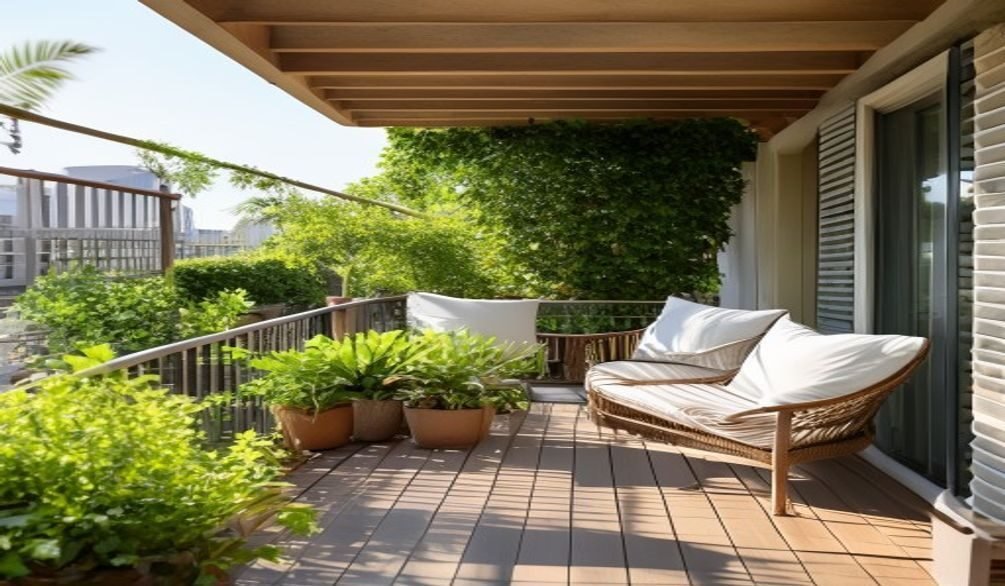
Key Takeaways
- Container gardening households increased by approximately 200% between 2022 and 2023, according to gardening industry surveys.
- Retail fresh vegetable prices were up 11.5% year over year in April 2026, according to USDA ERS.
- 47.6% of gardeners spent more time gardening in 2025, according to a study by Axiom.
- A shade cloth with a 70-80% UV block is usually ideal for a general balcony garden, according to Best Balcony Garden Shade Solutions.
- Cantilever parasols can block 85% to 98% of harmful UV rays, according to Instashade.
Are you struggling to keep your beloved plants thriving on a sun-drenched balcony? Finding effective balcony garden shade solutions hot climates is crucial for plant health and your own comfort. As someone with over 10 years of experience in horticulture, I’ve seen firsthand how quickly intense sun can turn a vibrant balcony into a scorched landscape.
Quick Answer: To shade a balcony garden in hot climates, use solutions like retractable awnings, shade sails, or strategically placed heat-tolerant plants. Employing shade cloth, insulating pots, and light-colored surfaces also helps protect plants from intense sun and heat.
What is the best shade for a balcony garden in hot climates?
The best shade for a balcony garden in hot climates often combines adjustable physical barriers with strategic plant choices to create a balanced microclimate. For instance, a shade cloth with a 70-80% UV block is generally ideal for a general balcony garden, according to Best Balcony Garden Shade Solutions.
In my experience, the “best” solution isn’t one-size-fits-all. It depends on your balcony’s orientation, local climate, and personal style. What most people miss is that effective balcony garden shade solutions hot climates aren’t just about blocking light; they’re about managing heat, airflow, and even humidity. Landscape Designer Gerardo Loayza advises treating sun-drenched balconies like “micro-deserts” when designing for them, highlighting the need for specialized approaches.
Here’s a look at top contenders:
- Retractable Awnings: These offer excellent flexibility, allowing you to extend or retract shade as needed. A brand like SunSetter Pro Motorized Awning can repel up to 90% of the sun’s heat.
- Shade Sails: Stylish and effective, shade sails come in various shapes and sizes. They provide significant UV protection and allow air to circulate, which is key for keeping things cool.
- Cantilever Parasols: Models like the Aurora 2.8m or Eclipse 3.5m Square Cantilever Parasol are highly adjustable, offering targeted shade. Instashade notes that cantilever parasols can block 85% to 98% of harmful UV rays.
- Shade Cloths: These are a cost-effective and versatile option, available in different densities to suit specific plant needs. A 50% shade net can significantly lower surrounding temperatures while still allowing enough light for photosynthesis, as noted by Haimanti Mukherjee of etimes.in (May 2026).
How can you shade a balcony from intense sun and heat?
You can shade a balcony from intense sun and heat by strategically deploying a mix of physical barriers, reflective surfaces, and living screens. Retail fresh vegetable prices were 11.5% higher in April 2026 than in April 2025, according to USDA ERS, driving interest in home vegetable gardening, which makes effective shading even more critical for successful harvests.
Balcony plants are especially vulnerable because containers heat up much faster than garden beds, causing roots to dry and overheat rapidly, according to gardening experts cited by Urban Sprout (May 2026). Therefore, comprehensive balcony garden shade solutions hot climates are essential. Consider these methods:
- Install Retractable Awnings: These provide on-demand shade. They are particularly useful for south or west-facing balconies that receive intense afternoon sun.
- Erect Shade Sails: These are visually appealing and highly effective. They can be anchored to walls, railings, or even freestanding poles, offering flexible terrace garden privacy screens urban and shade.
- Use Bamboo or Reed Screening: Affix these natural materials to railings or create freestanding panels for a rustic look and diffused light. This is a great natural shade solution for small balconies.
- Hang Exterior Solar Shades: For structured balcony spaces, Graber Blinds’ exterior solar shades are weather-resistant and energy-efficient, as advocated by John Weinstock, Executive Vice President of Marketing for Graber Blinds.
- Deploy Large Parasols or Umbrellas: Portable shade for balcony plants is easily achieved with a sturdy, weighted umbrella, offering adjustable coverage throughout the day.
- Cultivate “Living Umbrellas”: Strategically place taller, heat-tolerant plants like dwarf olive trees or bougainvillea to cast natural shade on smaller plants below.
- Utilize Vertical Garden Elements: A DIY balcony vertical garden on a sunny wall can act as a green shield, cooling the surface and providing shade.
Protecting balcony plants from extreme heat: essential techniques
Protecting balcony plants from extreme heat requires a multi-faceted approach that goes beyond just blocking sunlight, focusing on soil health, hydration, and root protection. Horticulturist and writer Monty Don emphasizes that mulching is one of the oldest and most effective heat-protection techniques in agriculture, and it works beautifully for balcony gardens too (May 2026).
The biggest mistake people make is waiting until leaves begin to scorch before providing shade, according to Haimanti Mukherjee of etimes.in (May 2026). By then, the plant is already under severe stress. Proactive balcony garden shade solutions hot climates are paramount. Here are essential techniques:
- Mulch Your Pots: Apply a 1-2 inch layer of organic mulch (wood chips, straw, coco coir) to the top of your containers. This insulates the soil, reduces water evaporation, and keeps roots cooler.
- Insulate Containers: Dark-colored pots absorb more heat. Consider painting them light colors, wrapping them in burlap, or using the “Yeti cooler hack” suggested by Landscape Designer Gerardo Loayza, which involves insulating custom wood planters.
- Group Plants Together: Clustering plants can create a microclimate with increased humidity and mutual shading, reducing individual plant stress.
- Elevate Pots: Raising pots slightly off the balcony surface improves airflow around them, preventing heat buildup from conducted heat.
- Water Smartly: Water deeply in the early morning or late evening. Consider self-watering planters or drip irrigation to ensure consistent moisture, a key aspect of terrace garden watering systems in hot climates.
- Use Shade Cloth: As mentioned, a 30-50% opacity shade cloth reduces sunlight while letting air circulate, according to Balcony Garden Climate Tips (January 2026).
Diy balcony garden shade solutions for every budget
DIY balcony garden shade solutions for every budget offer creative and cost-effective ways to protect your plants and enhance your outdoor space without breaking the bank. With 47.6% of gardeners spending more time gardening in 2025, and 49.5% spending more money, an 11.5% increase from 2024, according to a study by Axiom, the demand for accessible solutions is high.
You don’t need a huge budget to implement effective balcony garden shade solutions hot climates. Many simple materials can be repurposed or bought cheaply to create functional and attractive shade structures. My personal go-to is often a well-placed shade cloth.
| DIY Shade Solution | Budget Level | Materials Needed | Pros | Cons |
|---|---|---|---|---|
| Shade Cloth & Zip Ties | Low | Shade cloth (30-50% density), zip ties/bungee cords, hooks | Very affordable, customizable, easy to install/remove, good airflow | Less aesthetic, can look temporary, may flap in strong winds |
| Bamboo/Reed Screens | Low-Medium | Bamboo/reed rolls, zip ties, string, existing railing | Natural look, good privacy, diffused light | Can be fragile, may not block direct overhead sun |
| PVC Pipe Frame & Fabric | Medium | PVC pipes, connectors, fabric (old sheets, outdoor fabric), glue | Customizable size/shape, lightweight, relatively sturdy | Requires basic DIY skills, can look utilitarian |
| Repurposed Curtains/Sheers | Low | Old curtains, tension rods, curtain rings/clips | Very cheap, soft aesthetic, easy to adjust | Offer less UV protection, may need frequent washing, not weather-resistant |
Remember, the goal is to reduce direct sun exposure during the hottest parts of the day. Even simple adjustments can make a big difference for your balcony microclimate management.
Smart and automated shade options for your balcony
Smart and automated shade options for your balcony offer unparalleled convenience and precision, allowing you to manage sunlight and temperature with minimal effort. The increasing interest in gardening, with 63.6% of respondents expecting to plant more and expand their gardens in 2026, highlights the need for efficient, modern solutions.
In my decade of gardening, I’ve seen technology transform how we interact with our plants. For those looking for advanced balcony garden shade solutions hot climates, smart systems are a game-changer. They not only protect your plants but also improve your balcony’s usability, especially if you’re exploring smart vertical garden microclimate control.
- Motorized Retractable Awnings: These can be operated with a remote control, wall switch, or even a smartphone app. Many high-end models, like the SunSetter Pro Motorized Awning, can be integrated into smart home systems.
- Weather-Sensing Awnings: Some advanced awnings include wind and sun sensors that automatically retract or extend based on weather conditions, protecting both the awning and your plants.
- Automated Exterior Solar Shades: Brands like Graber Blinds offer exterior solar shades that can be programmed to open and close at specific times or adjusted via smart home hubs, providing precise light control for balcony privacy and shade ideas.
- Smart Pergola Systems: While a larger investment, smart pergolas feature adjustable louvered roofs that can be rotated to block sun or allow light, often controlled via an app.
- Smart Irrigation Integration: Although not direct shade, smart irrigation systems complement automated shade by ensuring plants are adequately watered, especially when shade is less effective during peak heat. This is crucial for how to keep balcony garden cool in summer.
These smart solutions offer a seamless way to maintain optimal conditions, even when you’re away from home, ensuring your balcony garden thrives in hot climates.
Best plants for shaded balconies in hot climates
The best plants for shaded balconies in hot climates are those that naturally thrive with less direct sunlight and possess a high tolerance for heat, even when grown in containers. Container gardening households increased by approximately 200% between 2022 and 2023, according to gardening industry surveys, meaning more people are looking for suitable plants for confined, often shaded, urban spaces.
Real talk: not all plants are created equal when it comes to heat and shade. Choosing the right varieties is a critical part of any effective balcony garden shade solutions hot climates strategy. When I’m selecting plants for clients with tricky balcony conditions, I always prioritize resilience and adaptability.
Consider these varieties that can flourish in partial to full shade on hot balconies:
- Foliage Plants:
- Caladiums: Known for their vibrant, colorful leaves, they prefer indirect light and humidity.
- Hostas: While some varieties tolerate more sun, many thrive in shade, offering lush green or variegated foliage.
- Ferns: Maidenhair, Boston, and Asparagus ferns love humidity and indirect light, making them excellent choices for a cooler, shaded balcony.
- Coleus: Many coleus varieties are bred for shade, offering stunning leaf colors.
- Flowering Plants:
- Impatiens: Classic shade lovers that provide continuous blooms.
- Begonias: Tuberous and wax begonias offer beautiful flowers and interesting foliage in shadier spots.
- Fuchsias: Their distinctive drooping flowers thrive in dappled shade.
- Edible Plants:
- Leafy Greens: Lettuce, spinach, arugula, and Swiss chard often bolt in full sun but do well with morning sun and afternoon shade.
- Herbs: Many herbs for shady gardens like mint, parsley, and cilantro prefer some afternoon shade in hot climates.
- Dwarf Olive Trees: Recommended by Landscape Designer Gerardo Loayza as “living umbrellas,” these are heat-tolerant and can provide natural shade.
For more specific recommendations, always check plant tags for their light requirements and heat tolerance. This ensures your balcony microclimate management supports happy, healthy plants.
Optimizing your balcony's microclimate for plant health
Optimizing your balcony’s microclimate for plant health involves a holistic approach that considers not just direct sunlight, but also airflow, humidity, and heat retention of surfaces. When we talk about balcony garden shade solutions hot climates, it’s really about creating a balanced ecosystem where plants can thrive, not just survive.
In my years of gardening, I’ve learned that a balcony is a unique environment, often exposed to harsh elements from all sides. It’s like a miniature, isolated garden plot. Understanding and manipulating its microclimate is key to success.
- Enhance Air Circulation: Stagnant, hot air can be as damaging as direct sun. Ensure there’s good airflow around plants. Avoid overcrowding and consider open-weave shade solutions like shade sails for small balcony spaces.
- Increase Humidity: In hot, dry climates, humidity can drop drastically. Misting plants (especially in the morning), grouping plants, and placing trays of water near them can help.
- Choose Light-Colored Surfaces: Dark balcony floors and walls absorb and radiate heat. Consider light-colored paving, rugs, or even painting walls a lighter shade to reflect heat away.
- Strategic Placement of Water Features: A small fountain or even a bird bath can help cool the air through evaporation, contributing to a cooler balcony microclimate.
- Use Vertical Elements: Beyond providing shade, vertical gardens or trellises covered with climbing plants can cool walls and create a green buffer against heat.
- Monitor Soil Moisture and Temperature: Regularly check the soil. Even with the best shade, containers can dry out quickly. Consider soil moisture meters to avoid guesswork.
By combining effective balcony garden shade solutions hot climates with these microclimate optimization techniques, you can create a truly thriving oasis for your plants.
Frequently asked questions
What is the best shade for a balcony?
The best shade for a balcony often involves a combination of retractable awnings, shade sails, or a strategically placed large parasol. A shade cloth with a 70-80% UV block is generally ideal for protecting balcony plants, according to Best Balcony Garden Shade Solutions. These options offer flexibility and significant UV protection, crucial for both plants and people.
How do you shade a balcony from the sun?
To shade a balcony from the sun, you can install retractable awnings, set up shade sails, or use exterior solar shades, which are weather-resistant and energy-efficient as noted by John Weinstock of Graber Blinds. Incorporating natural elements like bamboo screens or large, heat-tolerant plants such as dwarf olive trees also provides effective sun protection. Consider the sun’s path throughout the day to choose the most effective solution for your specific balcony.
How do i protect my balcony plants from extreme heat?
To protect balcony plants from extreme heat, use shade cloths, mulch the soil in pots, and insulate containers to keep roots cool. Grouping plants together to create a humid microclimate and ensuring proper watering in the early morning or late evening are also essential, as highlighted by horticulturist Monty Don (May 2026). Proactive shading is vital, as plants are already under severe stress once leaves begin to scorch, according to Haimanti Mukherjee (May 2026).
How can i protect my balcony from the sun?
You can protect your balcony from the sun by installing physical barriers like retractable awnings or shade sails, or by using exterior solar shades. For a more natural approach, strategically place large, dense plants or use bamboo screens along railings. These solutions not only shield your plants but also make the balcony more comfortable for you.
What are some diy balcony shade solutions?
DIY balcony shade solutions include attaching shade cloth with zip ties, hanging repurposed curtains, or creating screens from bamboo or reed rolls. Building a simple frame from PVC pipes and covering it with weather-resistant fabric is another budget-friendly option. These solutions allow you to customize shade based on your needs and budget, supporting the growing trend of home gardening where 47.6% of gardeners spent more time in 2025, according to Axiom.
Mastering balcony garden shade solutions hot climates is about more than just blocking the sun – it’s about crafting a thriving microclimate that supports both your plants and your enjoyment of the space. From simple DIY shade cloths to smart, automated awnings, the options are diverse. By combining effective shading with smart plant choices and microclimate optimization, you can transform even the hottest balcony into a lush, cool oasis. Remember, consistent effort and a bit of creativity go a long way in ensuring your balcony garden flourishes, no matter how intense the summer sun gets.







