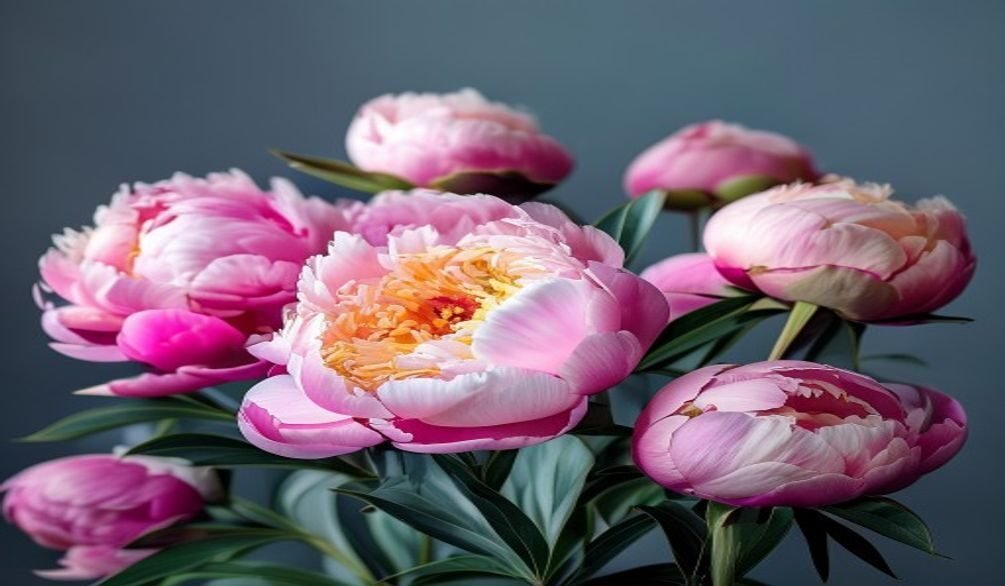
Key Takeaways
- The global peony market is projected to reach USD 398.29 million by 2032, according to ReAnIn (2026).
- Paeonia Lactiflora accounted for 58% of worldwide peony cultivation in 2025, as reported by Business Research Insights (2026).
- Sales of peonies in the UK surged 75% year-on-year in 2026, according to How to Grow Peony (2026).
- Over 1.9 billion peony stems were cultivated globally during 2025, according to Business Research Insights (2026).
- Planting peonies with “eyes” 1-2 inches deep is crucial for blooming, as noted by Epic Gardening.
Are you dreaming of a garden overflowing with lush, fragrant blooms? Then mastering the art of growing vibrant peonies is absolutely within your reach. In my 10 years working in horticulture and cultivating my own garden, I’ve seen firsthand how these magnificent flowers can transform any space, and with the right approach, you can enjoy their splendor too. This guide will walk you through the essential steps, ensuring your peonies thrive and become the envy of your neighborhood.
Quick Answer: For vibrant peonies, plant them in fall in well-drained soil with 6-8 hours of sun, ensuring the “eyes” are 1-2 inches deep. Fertilize with a phosphorus-rich formula in early spring and after blooming, water consistently, and provide support for heavy flowers.
What are the essential steps for growing peonies?
Achieving beautiful, fragrant peonies starts with understanding a few fundamental principles. The essential steps for growing vibrant peonies involve careful site selection, proper planting depth, consistent care, and vigilant pest and disease management. As White Flower Farm aptly puts it, “Peonies are easy to grow and will reward you with armfuls of cut flowers and a splendid show in the garden.”
Here’s a breakdown of the crucial stages:
- Choose the Right Location: Peonies are sun-lovers, requiring at least 6-8 hours of direct sunlight daily to produce abundant blooms. Good air circulation is also key to prevent fungal issues.
- Prepare the Soil: They thrive in well-drained, slightly acidic to neutral soil (pH 6.5-7.0). Amend heavy clay soils with compost to improve drainage.
- Proper Planting: This is perhaps the most critical step. Plant peony “eyes” (the pink or red buds on the root) no more than 1-2 inches deep. Planting too deep is the single most common reason for a lack of blooms.
- Watering: Water deeply and consistently, especially during dry spells and when plants are establishing.
- Fertilization: Peonies aren’t heavy feeders. A balanced, phosphorus-rich fertilizer in early spring and after blooming is usually sufficient.
- Support: Many varieties, especially those with large, double blooms, benefit from support rings to prevent stems from flopping.
- Pest and Disease Management: Keep an eye out for common issues and address them promptly, preferably with organic solutions.
Following these steps sets the foundation for truly growing vibrant peonies in your garden.
When is the best time to plant peonies for vibrant blooms?
The prime time for planting peonies to ensure robust growth and prolific flowering is in the fall. Specifically, late September and October are ideal in most regions, allowing the roots to establish before winter’s chill. Planting during this period gives the plant sufficient time to develop a strong root system without the stress of summer heat, which is vital for long-term success in growing vibrant peonies.
While spring planting is possible, it can often lead to a delayed first bloom compared to fall-planted specimens. When planting, remember that proper garden site selection steps are crucial for their long-term health.
How many years does it take for a peony to fully bloom?
Patience is a virtue when it comes to peonies; it typically takes 3-5 years for a peony to fully establish and reach its full blooming potential. While you might see a few flowers in the first year or two, don’t be discouraged if the display isn’t spectacular immediately. This initial period is when the plant dedicates its energy to developing a strong root system, which is essential for decades of future blooms.
In my experience, the third year is often when they truly start to shine, offering a glimpse of the abundant flowers to come. The global peony market was valued at USD 313.05 million in 2025 and is expected to reach USD 398.29 million by 2032, according to ReAnIn (2026), highlighting the enduring value and popularity of these slow-to-start, but long-lasting plants.
What is the secret to growing peonies successfully?
The true secret to successfully growing vibrant peonies lies in two critical factors: precise planting depth and ample sunlight. As an article on Epic Gardening states, “The single most common reason a peony produces leaves but no flowers is that the roots are planted too deeply.” Peony “eyes” should be set only 1-2 inches below the soil surface. Anything deeper, and the plant will focus on pushing roots down rather than producing those coveted blooms.
Beyond depth, sunlight is non-negotiable. Monrovia emphasizes, “Peonies love their sunlight, and their foliage needs to bask in the hot sun in the summer to reserve energy for fall and winter.” Aim for a spot that receives at least 6-8 hours of direct sun daily.
Here are other vital elements for successful peony bloom secrets:
- Soil Drainage: Peonies hate wet feet. Ensure your soil is well-draining to prevent root rot. If you have heavy clay, amend it with organic matter.
- Minimal Disturbance: Once planted, peonies prefer to be left alone. They resent being moved, so choose their permanent home wisely.
- Right Nutrition: “Peonies don’t need more feeding — they need the right feeding,” advises Best Fertilizer for Peonies: Finally Got Blooms. A phosphorus-rich fertilizer like Espoma Organic Bulb-Tone 3-5-3 or Jobe’s Organics Bone Meal 2-14-0 in early spring helps bloom production.
- Support: Heavy-headed varieties will benefit from peony support rings or tomato cages installed early in the season, preventing blooms from collapsing after rain.
How do you care for peonies after flowering?
Proper peony care after flowering is essential for ensuring your plants remain healthy and produce abundant blooms in subsequent years. Once the magnificent display of flowers fades, your focus should shift to maintaining the foliage and preparing the plant for its dormancy. This is a crucial, yet often overlooked, part of growing vibrant peonies.
- Deadhead Spent Blooms: Snip off the faded flowers at the first strong leaf to prevent the plant from putting energy into seed production. This redirects energy back into root development and next year’s flower buds.
- Maintain Healthy Foliage: Do not cut back the foliage until it naturally dies back in the fall. The leaves are vital for photosynthesis, storing energy in the roots for the following spring’s growth. Monrovia reinforces this, noting that foliage needs to “bask in the hot sun in the summer to reserve energy for fall and winter.”
- Watering: Continue to water deeply during dry periods throughout the summer. While they are not actively blooming, adequate moisture is still important for root health.
- Fertilization (Optional): A light application of a low-nitrogen, phosphorus-rich fertilizer after blooming can help replenish nutrients, but avoid excessive nitrogen which promotes foliage at the expense of flowers.
- Winter Care for Peonies: Once the foliage turns yellow or brown in late fall, cut it back to about 1-2 inches above the ground. This helps prevent overwintering diseases. For very cold climates (USDA zones 2-4), a light layer of mulch can provide extra protection, but remove it in early spring.
By diligently caring for your peonies after they flower, you’re investing in their long-term vitality and ensuring more spectacular displays of growing vibrant peonies in the future.
What are common peony diseases and how do you treat them?
While generally robust, peonies can occasionally fall victim to certain diseases, which can hinder your efforts in growing vibrant peonies. Understanding the common peony diseases and treatment methods is key to maintaining healthy plants. The most prevalent issue is Botrytis blight, often called gray mold.
Botrytis Blight: This fungal disease is characterized by brown spots on leaves, stems, and buds, often covered with a fuzzy gray mold. It thrives in cool, wet conditions.
- Prevention: Ensure good air circulation by proper spacing, avoid overhead watering, and remove all plant debris in the fall.
- Treatment: Prune affected parts immediately and dispose of them (do not compost). Apply an organic fungicide if the problem persists.
Powdery Mildew: Appears as a white, powdery coating on leaves, particularly in late summer. While unsightly, it rarely causes severe damage.
- Prevention: Plant resistant varieties and ensure good air circulation.
- Treatment: A homemade spray of baking soda and horticultural oil, or a neem oil solution, can help control it.
Leaf Spot: Various fungi can cause leaf spots, appearing as brown or purple lesions. They are usually cosmetic.
- Prevention: Good sanitation and air circulation are the best defenses.
- Treatment: Remove severely affected leaves.
For pest prevention and treatment, consider exploring resources like Prevent and Treat Garden Pests: 5 Essential Strategies to complement your peony care. Overall, cleanliness and proper cultural practices are your best allies in preventing most peony ailments. Commercial greenhouse cultivation of peonies expanded by 21% during 2024, as producers focused on extending blooming seasons and improving supply stability, indicating a strong focus on disease and pest management within the industry, as noted by Business Research Insights (2026).
How to harvest peony flowers for long-lasting arrangements?
Harvesting peony flowers at the right stage is crucial for ensuring they last long in a vase, allowing you to fully enjoy the fruits of your labor in growing vibrant peonies indoors. The optimal time to cut peonies is when the buds are in the “marshmallow” stage – soft to the touch, showing some color, but not yet fully open. The Barn of Chapel Hill at Wild Flora Farm advises this stage for maximum vase life.
Here’s a step-by-step guide to harvesting for long-lasting blooms:
- Timing is Everything: Gently squeeze a bud. If it feels like a firm marshmallow, it’s ready. If it’s hard, it’s too early; if it’s already fully open, it’s too late for extended vase life.
- Use Sharp Shears: Cut stems at a slant, leaving at least 2-3 leaves on the plant to ensure it can continue to photosynthesize and store energy for next year.
- Remove Lower Foliage: Strip any leaves that would fall below the waterline in your vase. Submerged leaves can decompose and encourage bacterial growth, shortening vase life.
- Conditioning: Immediately after cutting, place the stems in a bucket of cool water. Let them drink for a few hours in a cool, dark place.
- Storage (Optional): For even longer vase life (up to two weeks or more), you can store conditioned buds dry in a refrigerator. Wrap them loosely in newspaper and place them in a plastic bag. When ready to use, recut the stems and place them in fresh water.
| Harvest Stage | Vase Life Potential | Description |
|---|---|---|
| Hard Bud | Low | Bud is firm, no color showing. May not open. |
| Marshmallow Stage | High (7-10 days) | Bud is soft to touch, showing some color. Ideal. |
| Fully Open | Low (3-5 days) | Bloom is completely unfurled. Best for immediate display. |
Over 1.9 billion peony stems were cultivated globally across commercial farms and greenhouse facilities during 2025, according to Business Research Insights (2026), demonstrating the immense demand for these cut flowers.
Frequently asked questions
How many years does it take for a peony to fully bloom?
It typically takes 3-5 years for a peony to fully establish and reach its full blooming potential, with many plants showing significant blooms by their third year. During this time, the plant focuses on developing a robust root system, which is crucial for decades of future flowers.
What is the secret to growing peonies?
The secret to successfully growing vibrant peonies lies primarily in planting them at the correct depth (1-2 inches deep for the “eyes”) and ensuring they receive at least 6-8 hours of direct sunlight daily. Planting too deeply is the most common reason for a peony failing to bloom, according to Epic Gardening.
What month do you plant peonies?
The best time to plant peonies for optimal establishment and future blooms is in the fall, specifically during late September and October in most temperate climates. This allows the roots to develop before the ground freezes, giving the plant a head start for spring.
Do peonies come back every year?
Yes, peonies are long-lived perennial plants that reliably come back every year, often thriving for decades, even generations, in the same spot. With proper care, they can be a permanent and rewarding fixture in your garden, a testament to the joy of growing vibrant peonies.
Why won’t my peonies bloom?
The most common reasons why peonies won’t bloom include being planted too deeply, insufficient sunlight (less than 6 hours daily), immaturity (plants under 3 years old), or too much nitrogen fertilizer which promotes foliage over flowers. Ensuring the “eyes” are 1-2 inches deep and providing ample sun are critical factors.