
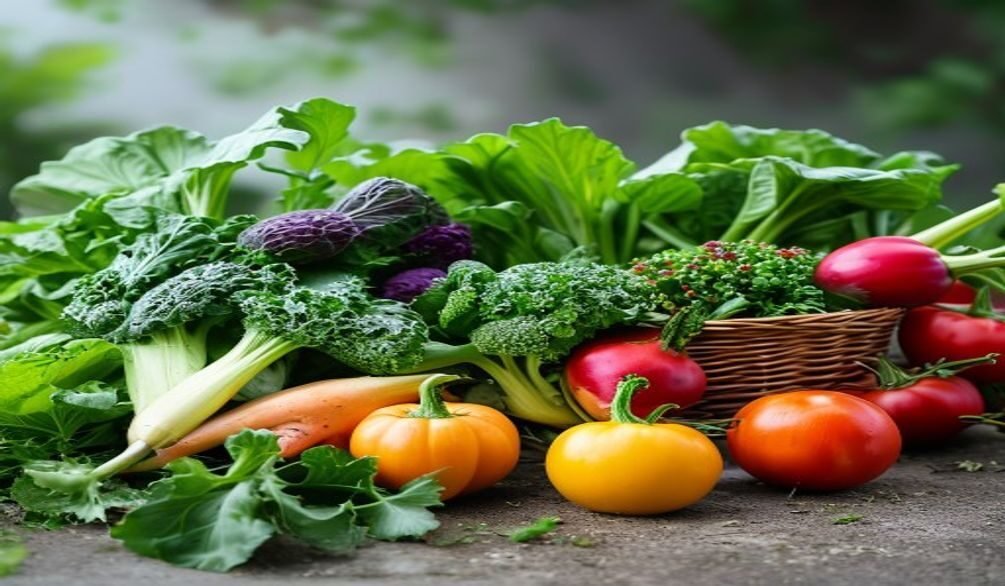
Key Takeaways
- Harvesting vegetables at peak ripeness ensures optimal flavor and nutritional content, according to Lemon8 posts (2025, 2026, 2024).
- Most vegetables are best harvested early in the morning for superior flavor retention, as stated by Ken Johnson, University of Illinois Extension Horticulture educator (2022).
- Frequent harvesting encourages continuous plant growth and higher yields, with Seed Savers Exchange noting that leaving ripe produce can halt production (2025).
- Using appropriate tools like Felco snips or Fiskars knives prevents plant damage during harvest, promoting healthier subsequent growth.
- Post-harvest care, including proper cleaning and storage, can significantly extend the freshness of your garden’s bounty, according to the University of Minnesota Extension.
Knowing exactly when to pick your homegrown produce is the secret to unlocking the best flavors and textures from your garden. Mastering **harvesting vegetables peak ripeness** transforms your gardening efforts into truly rewarding culinary experiences. As a horticulture expert with over 10 years in the garden, I’ve seen firsthand how timing makes all the difference, ensuring every bite is bursting with freshness.
Quick Answer: Harvesting vegetables at peak ripeness involves knowing specific crop indicators like color, firmness, and size. Ideal harvesting is early morning when cooler. Use proper tools and gentle techniques to prevent plant damage and encourage continuous production for a bountiful yield.
What is peak ripeness for your vegetables?
Peak ripeness for your vegetables is the optimal stage where a crop has developed its fullest flavor, texture, and nutritional value, ready for consumption. Harvesting at this precise moment maximizes the sensory experience and health benefits, according to multiple Lemon8 posts (2025, 2026, 2024). It’s the sweet spot when the plant has put all its energy into perfecting its fruit or leaf.
This isn’t just about size; it’s about a combination of factors that signal a vegetable is at its prime. What most people miss is that waiting too long can lead to tough, bland, or seedy produce, while harvesting too early means underdeveloped flavors. The key insight here is balancing the plant’s natural growth cycle with your desire for delicious food.
How to identify peak ripeness for different vegetables
Identifying peak ripeness for different vegetables requires observing specific indicators like color, firmness, size, and ease of detachment. These visual and tactile cues are your best guides for successful **harvesting vegetables peak ripeness**, as highlighted by various horticulture educators. Every vegetable has its unique signals, and learning them is crucial.
In my 10 years of experience, the most common mistake is assuming size alone determines ripeness. A massive zucchini might be overripe and watery, while a smaller one could be perfectly tender. This is where attention to detail pays off.
Step 1: identify ripeness indicators
To know when your vegetables are ready, you must learn their specific ripeness indicators. This matters because each crop signals its peak readiness differently, ensuring you get the best quality. For example, tomatoes change from green to a vibrant red, while cucumbers should be firm and uniform in color.
* **Tomatoes:** Look for a deep, even color (red, orange, or yellow depending on variety) and a slight give when gently squeezed. They should detach easily from the vine.
* **Cucumbers:** Harvest when firm and uniformly green, before they start turning yellow or developing large seeds.
* **Zucchini/Summer Squash:** Pick when small and tender, typically 6-8 inches long. Larger squash often become watery and seedy.
* **Peppers:** Bell peppers are typically green when immature, turning red, yellow, or orange at peak ripeness, becoming sweeter.
* **Leafy Greens (Lettuce, Spinach, Kale):** Harvest outer leaves when they reach desirable size, before they bolt or become bitter.
When is the best time to harvest vegetables?
The best time to harvest vegetables is typically early in the morning after the dew has dried but before the heat of the day sets in, as this preserves optimal flavor and crispness. “Almost all vegetables are best when harvested early in the morning,” states Ken Johnson, University of Illinois Extension Horticulture educator (2022). This cooler temperature helps the produce retain its sugars and moisture, making for a superior eating experience.
Cassey Anderson, Horticulture Agent at Colorado State University Extension, emphasizes that “morning and evening are ideal as temperatures are cooler, and your produce will retain a better flavor profile” when harvesting. Avoid harvesting vegetables peak ripeness during the hottest part of the day, as this can lead to wilting and reduced shelf life. Similarly, if harvesting while plants are wet, there is a risk of spreading diseases, as advised by Ken Johnson, University of Illinois Extension Horticulture educator (2022).
Step 2: choose best harvest time
Picking your vegetables at the right time of day significantly impacts their quality. This timing ensures your harvest is at its most flavorful and lasts longer. Cooler temperatures mean less stress on the plant and better retention of vital nutrients.
Consider these factors for the best time of day to pick vegetables:
* **Morning Harvest:** Ideal for most fruits and leafy greens. The plant has recharged overnight, and sugars are concentrated.
* **Evening Harvest:** A good alternative if mornings are not possible, as temperatures are starting to drop again.
* **Avoid Midday:** High heat can stress both the plant and the harvested produce, leading to quicker spoilage.
Advanced techniques for continuous vegetable harvesting
Advanced techniques for continuous vegetable harvesting focus on methods that encourage the plant to produce more throughout the growing season, rather than just a single large yield. This approach ensures a steady supply of fresh produce by strategically removing ripe items. Corbin Scholz, Seed Savers Exchange farm director, highlights that “the key for increasing yields for many vegetables lies in harvesting,” as plants redirect energy to seed production if fruits or flowers are not removed (2025).
This is where most guides stop—we won’t. Maximizing vegetable garden yield involves more than just picking; it’s about understanding how your plants respond to harvesting. Harvesting vegetables peak ripeness often stimulates the plant to set more fruit or leaves, extending your harvest window considerably.
Step 3: employ continuous harvesting techniques
To keep your garden producing, you need to employ specific continuous harvesting techniques. This encourages the plant to put energy into new growth rather than seed production, leading to a much larger overall yield. Think of it as a gentle nudge for sustained productivity.
* **Cut-and-Come-Again:** For leafy greens like lettuce, spinach, and kale, harvest only the outer leaves. This allows the inner leaves to continue growing, providing multiple harvests. This method is also effective for herbs like basil.
* **Frequent Picking:** For fruiting vegetables like beans, peas, cucumbers, zucchini, and peppers, pick ripe produce every day or every other day. Leaving mature fruit on the plant signals it to slow down or stop production.
* **Pruning:** For indeterminate tomatoes and vining crops, strategic pruning can direct the plant’s energy towards fruit development rather than excessive foliage, contributing to better **harvesting vegetables peak ripeness**.
Common mistakes when harvesting vegetables
Common mistakes when harvesting vegetables include picking too early or too late, damaging the plant during extraction, and neglecting to harvest frequently. These errors can significantly reduce yield, quality, and the overall health of your garden. A common observation I’ve made is that many gardeners are either too hesitant or too aggressive in their harvesting approach.
Real talk: sounds simple, but knowing exactly when to intervene takes practice. Forgetting to check plants regularly is a big one, especially for fast-growing crops like zucchini. This often leads to oversized, less flavorful produce.
Step 4: avoid common harvesting mistakes
Avoiding common harvesting mistakes is paramount for a productive and healthy garden. These errors can diminish your harvest’s quality and quantity, impacting subsequent growth cycles. Learning from these pitfalls ensures you get the most from your plants.
Here are pitfalls to watch out for:
- Harvesting Too Early: Often results in underdeveloped flavor and smaller sizes. For example, picking a tomato before its full color develops means missing out on sweetness.
- Harvesting Too Late: Leads to overripe, tough, seedy, or bitter vegetables. A cucumber left too long can become yellow and mushy.
- Damaging the Plant: Ripping or tearing vegetables from the plant can create open wounds, making the plant susceptible to disease. Always use sharp tools or gentle twists.
- Infrequent Harvesting: Especially for “cut-and-come-again” crops or prolific producers like beans, infrequent harvesting signals the plant to stop producing and put energy into seed saving. This directly impacts maximizing vegetable garden yield.
- Ignoring Weather Conditions: Harvesting during heavy rain or extreme heat can negatively affect the produce’s quality and increase the risk of fungal issues.
Essential tools for a successful harvest
Essential tools for a successful harvest make the process efficient, minimize plant damage, and ensure clean cuts, which are important for maintaining plant health and encouraging continuous growth. Having the right equipment for **harvesting vegetables peak ripeness** is just as important as knowing when to pick them. Using dull or inappropriate tools can harm your plants, leading to slower recovery and reduced future yields.
Here’s the thing: a sharp, clean tool is your best friend in the garden. It makes a precise cut, which heals faster, protecting your plant from pests and diseases.
Step 5: use proper harvesting tools
Using proper harvesting tools is key to protecting your plants and ensuring a clean, easy harvest. This prevents unnecessary stress on the plant and encourages rapid healing, promoting further production. Invest in quality tools to make your gardening life easier and more productive.
| Tool Name | Best Use Case | Brand Examples |
|---|---|---|
| Harvesting Snips | Delicate herbs, small fruits (berries, cherry tomatoes), flowers. Precise cuts for minimal plant damage. | Felco 322 Long Reach Harvesting Snips, Fiskars Micro-Tip Pruning Snips |
| Garden Knife/Hori Hori | Root vegetables (carrots, radishes), cutting tough stalks (cabbage, broccoli), general weeding. Versatile and durable. | Fiskars 6-Inch Harvest Knife, Truly Garden Hori Hori Garden Knife |
| Pruners/Loppers | Thicker stems (eggplant, squash), woody herbs (rosemary), general pruning. For larger cuts. | Felco 211-60 Lopper, Fiskars Bypass Pruner |
| Basket/Apron | Collecting and transporting harvested produce. Prevents bruising and keeps hands free. | Various garden baskets, harvesting aprons |

Felco and Fiskars offer excellent options for durable and effective harvesting tools. Always keep your tools clean and sharp to prevent disease transmission and ensure efficient cuts.
Post-harvest care: extending freshness
Post-harvest care involves proper cleaning, cooling, and storage techniques that significantly extend the freshness and quality of your newly picked vegetables. The less you handle your vegetables, the longer they will last in storage, according to the University of Minnesota Extension. This step is just as important as the harvesting itself, ensuring your efforts in **harvesting vegetables peak ripeness** don’t go to waste.
Worth knowing: different vegetables have different storage requirements. A cucumber stored incorrectly can go bad much faster than a root vegetable.
Step 6: implement post-harvest care
Implementing effective post-harvest care is crucial for preserving the quality and extending the shelf life of your garden’s bounty. This ensures your vegetables remain fresh and delicious for as long as possible, reducing waste. Proper handling immediately after picking makes a huge difference.
* **Clean Gently:** Brush off excess soil. Avoid washing most vegetables until just before use to prevent spoilage, though some, like root vegetables, benefit from a quick rinse and thorough drying.
* **Cool Quickly:** Rapidly cool your produce to remove field heat. This can involve placing them in a cool, shaded area or even a quick dip in cold water for some leafy greens.
* **Proper Storage:** Store vegetables according to their needs. Leafy greens prefer refrigeration in breathable bags, while tomatoes do best at room temperature away from direct sunlight. Root vegetables often store well in a cool, dark pantry.
* **Inspect for Damage:** Remove any bruised or damaged produce before storage, as one bad apple (or tomato!) can spoil the bunch. This is a simple but effective step to extend the life of your freshly harvested vegetables.
What happens if you don’t harvest vegetables?
If you don’t harvest vegetables at their peak ripeness, several negative consequences can occur, including reduced flavor, tougher texture, increased seed production, and a significant decrease in the plant’s overall yield. Leaving mature fruits or vegetables on the plant signals it to stop producing, effectively ending its productive cycle prematurely. Harvesting fruit or removing flowers before the plant puts all its energy into creating seeds causes the plant to “panic” and produce more, according to Corbin Scholz, Seed Savers Exchange farm director (2025).
This directly impacts your ability to keep **harvesting vegetables peak ripeness** throughout the season. Overripe vegetables can also attract pests and diseases, creating problems for the rest of your garden. It’s a domino effect that can quickly diminish your garden’s health and productivity.
Frequently asked questions
When should you pick vegetables?
You should pick vegetables when they show specific ripeness indicators like vibrant color, appropriate size, and firm texture, typically early in the morning. Most vegetables are best when harvested early in the morning, as temperatures are cooler and produce will retain a better flavor profile, as stated by Ken Johnson, University of Illinois Extension Horticulture educator (2022). This optimal timing ensures the best taste and extends shelf life.
How do you know when vegetables are ripe?
You know vegetables are ripe by observing their color, firmness, size, and how easily they detach from the plant. For instance, a ripe tomato will be fully colored and slightly soft, while a cucumber will be firm and uniformly green. These specific ripeness indicators vary by crop but are consistent guides.
What is the best time of day to harvest vegetables?
The best time of day to harvest vegetables is usually early morning, after the dew has dried but before the sun’s heat becomes intense. Cassey Anderson, Horticulture Agent at Colorado State University Extension, emphasizes that “morning and evening are ideal as temperatures are cooler, and your produce will retain a better flavor profile” (2025). This practice helps retain moisture and flavor, leading to a crisper, more delicious harvest.
What happens if you don’t harvest vegetables?
If you don’t harvest vegetables, the plants will stop producing new fruits or leaves, and the existing produce will become overripe, tough, or seedy. Harvesting frequently encourages continuous growth and a better overall yield, as leaving ripe produce on the plant can signal it to stop producing, according to Seed Savers Exchange (2025). This can significantly reduce your garden’s total output for the season.
What tools are essential for harvesting vegetables?
Essential tools for harvesting vegetables include sharp snips for delicate items, a garden knife for tougher stalks or root vegetables, and pruners for larger plants. Felco and Fiskars offer reliable options like the Felco 322 Long Reach Harvesting Snips for precision and the Fiskars 6-Inch Harvest Knife for versatility. Using the right tool ensures clean cuts, protecting your plants from damage and disease.
Mastering **harvesting vegetables peak ripeness** is a skill that truly elevates your gardening game, transforming your efforts into a consistent bounty of delicious, nutrient-rich food. By understanding specific ripeness indicators, choosing the best harvest times, and implementing continuous harvesting techniques, you’ll maximize your vegetable garden yield. Don’t forget that using the right tools and providing proper post-harvest care are equally important for enjoying your produce longer. Start paying closer attention to your plants, and you’ll soon be enjoying the freshest flavors your garden can offer!







