
Key Takeaways
- Gardeners spent an all-time high of $79.0 billion on gardening in 2025, according to industry reports (2025).
- Not cutting more than 30% of a plant at one time is a key rule for maintaining plant health, as advised by horticulturist Sydney Fiene.
- 49.5% of gardeners spent more money gardening in 2025, marking an 11.5% increase from 2024.
- Proper pruning improves air circulation, which is vital for preventing plant diseases, according to Sydney Fiene.
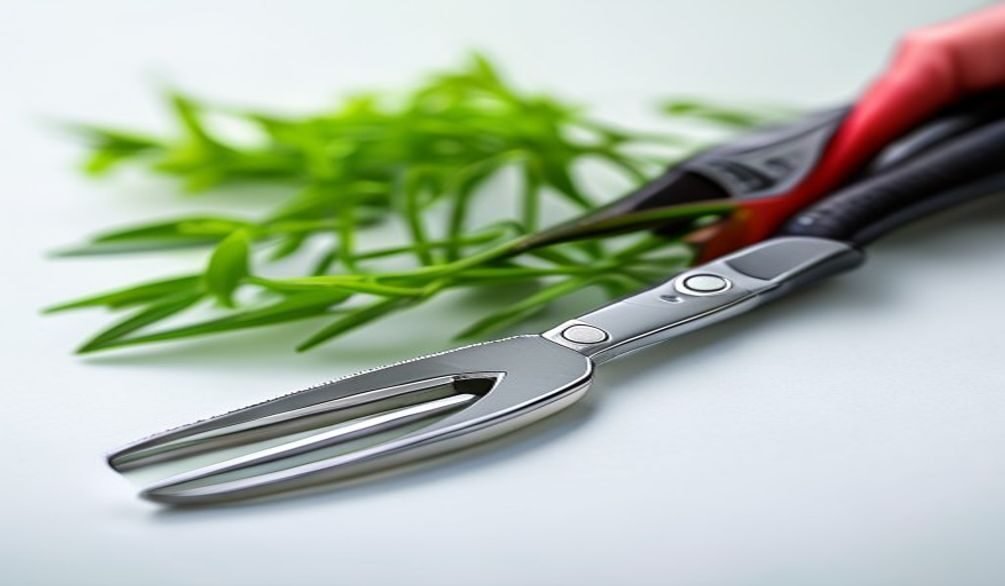
- Using sharp bypass pruners, like the Corona 3160BP, is recommended for clean cuts on stems up to 3/4 inch in diameter.
Feeling overwhelmed by overgrown plants or unsure how to help them thrive? Learning basic pruning techniques is the secret to a healthier, more vibrant garden. In my 10 years of experience, mastering these foundational skills can transform your plants, leading to better blooms, stronger structures, and increased disease resistance.
Quick Answer: Basic pruning involves strategically removing plant parts to improve health, control size, encourage growth or flowering, and maintain appearance. Key steps include identifying purpose, using sharp tools, making proper cuts, and understanding timing.
What is the basic rule of pruning?
The most fundamental rule of basic pruning is to never remove more than 30% of a plant’s total mass at one time. Horticulturist Sydney Fiene from Vego Garden emphasizes this guideline, noting that adhering to it helps maintain the plant’s overall health and prevents undue stress. Over-pruning can shock a plant, making it vulnerable to pests and diseases, and hinder its recovery.
What most people miss is that this 30% rule isn’t just about aesthetics; it’s about the plant’s energy reserves. Every leaf contributes to photosynthesis, so excessive removal can severely deplete the plant’s ability to produce food. This is particularly true for young or stressed plants. When I’m teaching basic pruning techniques, I always tell people to step back and look at the whole plant before making a cut, visualizing what 30% actually looks like. It sounds simple. It’s not always. For instance, the Piedmont Master Gardeners suggest renewal pruning for older, overgrown shrubs by cutting them back to 6-12 inches above the ground in early spring, which can seem drastic but is done over time.
What are the 3 main cuts for pruning?
When practicing basic pruning techniques, gardeners primarily use three types of cuts: thinning cuts, heading cuts, and reduction cuts. Understanding these distinct approaches is key to achieving specific pruning goals, whether it’s encouraging new growth or managing plant size.
* **Thinning Cuts:** These involve removing an entire branch back to its point of origin (a main stem, another branch, or the ground). They are used to reduce density, improve air circulation, and allow more light penetration into the plant’s interior. This is a crucial aspect of basic pruning techniques for disease prevention, as poor air flow can encourage fungal issues.
* **Heading Cuts:** A heading cut shortens a branch or stem by removing only a portion of it, typically to a bud or a side branch. This type of cut stimulates new growth from the bud below the cut, resulting in a bushier, denser plant. It’s often used to control plant height or shape, and is a common technique for shrub pruning guide purposes.
* **Reduction Cuts:** Similar to heading cuts but more specific, reduction cuts shorten a branch back to a lateral branch that is at least one-third the diameter of the branch being removed. This helps maintain the natural shape of the plant while reducing its overall size and redirecting growth. It’s a more advanced form of heading cut, but still falls under basic pruning techniques for trees and larger shrubs.
In practice, I find that many beginners focus solely on heading cuts because they seem simpler. But thinning cuts are often more beneficial for the long-term health and natural form of the plant. They allow for targeted removal without creating the “stubby” look that poor heading cuts can cause.
What are the 7 essential steps for basic pruning techniques?
Mastering basic pruning techniques involves a systematic approach that ensures plant health and promotes vigorous growth. Following these seven steps will guide you through the process effectively.
Step 1: identify pruning goals
Before making any cuts, clearly define what you want to achieve. Are you aiming to remove dead wood, improve air circulation, control size, encourage flowering, or shape the plant? Different goals require different basic pruning techniques. For instance, pruning for disease prevention might involve more thinning cuts, while shaping a hedge would use more heading cuts.
Step 2: gather proper tools
Having the right tools is non-negotiable for effective basic pruning techniques. Sharp, clean pruning shears (hand pruners), loppers, and sometimes a pruning saw are essential. Mike’s Backyard Nursery recommends Corona 3160BP bypass pruners for general use, noting their ability to make clean cuts on stems up to 3/4 inch in diameter. Clean tools prevent the spread of disease – a key part of plant health pruning.
Step 3: make proper cuts
The angle and location of your cuts matter significantly. For thinning cuts, cut flush to the main stem or branch collar, avoiding stubs. For heading cuts, cut about 1/4 inch above an outward-facing bud, at a slight angle. This allows water to run off and prevents disease entry. This is where the “art and science” of pruning, as described by the University of Georgia (2026), truly comes into play.
Step 4: remove dead wood
Always prioritize removing dead, diseased, or damaged branches. These not only look unsightly but can also harbor pests and diseases that threaten the rest of the plant. Removing them immediately is a core component of basic pruning techniques and crucial for overall plant health.
Step 5: thin for air circulation
Once dead wood is gone, focus on thinning out congested areas. Remove crossing branches or those growing inward to improve light penetration and air flow. Sydney Fiene emphasizes that “it really does help the overall health of the plant…you’re improving the air circulation.” This reduces humidity around the leaves, which is vital for preventing fungal issues. This is a prime example of how to prune plants correctly for disease prevention.
Step 6: shape for growth
After addressing health concerns, you can begin to shape the plant according to your desired form or to encourage specific growth patterns. This might involve shortening branches to promote bushiness or guiding growth in a particular direction. Consider the natural habit of the plant; don’t try to force a square peg into a round hole, as the Piedmont Master Gardeners observed with poorly-shaped forsythia hedges.
Step 7: clean up after pruning
Always clean up all pruned debris from around the base of the plant. Leftover cuttings can harbor pests and diseases, undermining all your hard work. This final step is often overlooked but is an important part of maintaining garden hygiene and preventing future problems.
When is the best time for basic pruning techniques?
The best time for basic pruning techniques largely depends on the specific plant species and your pruning goals. Generally, the dormant season (late winter to early spring) is ideal for most deciduous trees and shrubs because the lack of leaves makes it easier to see the plant’s structure and cuts cause less stress. However, as gardening expert Alan Titchmarsh notes, “there are many plants that need pruning in summer.”
For plants that flower on new wood (e.g., roses, hydrangeas that bloom in summer), prune them in late winter or early spring before new growth begins. If a plant flowers on old wood (e.g., lilacs, forsythia, hydrangeas that bloom in spring), prune immediately after they finish flowering to avoid cutting off next year’s blooms. Fruiting trees often benefit from winter pruning to encourage fruit production and maintain an open canopy. Knowing when to prune plants is just as important as knowing how.
What are common mistakes to avoid in basic pruning?
Even with a good understanding of basic pruning techniques, several common mistakes can hinder plant health and appearance. Avoiding these pitfalls will ensure your efforts are beneficial rather than detrimental.
Here’s a quick look at mistakes I’ve often seen:
* **Over-pruning:** Removing too much plant material at once is arguably the biggest mistake. As mentioned, horticulturist Sydney Fiene advises against cutting more than 30% of the plant at a time. Over-pruning stresses the plant, making it susceptible to disease and inhibiting vigorous regrowth.
* **Leaving Stubs:** When making a thinning cut, cutting too far from the main stem or branch collar leaves a “stub” that can’t heal properly. These stubs are entry points for pests and diseases, and they look unsightly. Always cut flush to the collar, which is the slightly swollen area at the base of the branch.
* **Using Dull or Dirty Tools:** Dull tools crush stems instead of making clean cuts, damaging plant tissue and creating jagged wounds that heal slowly. Dirty tools can transfer diseases from one plant to another. Always sharpen and sanitize your tools – a simple wipe with rubbing alcohol is usually enough – between plants, especially when dealing with diseased branches.
* **Ignoring Plant-Specific Needs:** Not all plants are pruned the same way or at the same time. Pruning a spring-flowering shrub in late winter, for example, will remove all its flower buds. Always research the specific requirements of your plant before beginning any basic pruning techniques. This is a key insight here; generic advice can sometimes do more harm than good.
* **Topping Trees:** Indiscriminate topping, where the main leaders of a tree are cut back drastically, creates weak, upright growth and disfigures the tree. The Piedmont Master Gardeners highlight this as an example of poor pruning by landscape professionals, citing issues like topping white pines. This practice severely damages the tree’s health and structural integrity.
What most people miss is that a plant’s recovery from a mistake takes time – sometimes years. So, being patient and precise with your basic pruning techniques upfront saves a lot of trouble later.
What tools do you need for basic pruning techniques?
Having the correct, well-maintained tools is fundamental to executing basic pruning techniques effectively and safely. The right equipment ensures clean cuts, which are crucial for plant health and quick healing.
Here are the essential tools for most garden pruning tasks:
* **Hand Pruners (Bypass Shears):** These are your go-to for small branches and stems up to 3/4 inch in diameter. Bypass pruners, like those from Corona or Felco, have two blades that slide past each other, making clean, scissor-like cuts. This is what you’ll use for most of your detailed basic pruning techniques.
* **Loppers:** For branches thicker than what hand pruners can handle – typically up to 1.5 to 2 inches in diameter – loppers provide extra leverage with their long handles. They are indispensable for reaching into denser shrubs or for larger tree pruning basics.
* **Pruning Saw:** For any branches larger than 1.5-2 inches, a pruning saw is necessary. These saws have coarse teeth designed to cut through live wood efficiently. Options range from curved blade saws to folding saws, all making quick work of larger limbs when applying basic pruning techniques to mature plants.
* **Gloves:** Protect your hands from thorns, sap, and blisters. Good quality gardening gloves are a must-have for any pruning job.
* **Sanitizing Solution:** A simple solution of 70% rubbing alcohol or a 10% bleach solution (1 part bleach to 9 parts water) is essential for cleaning your tools. This prevents the spread of diseases, especially when moving between different plants or if you suspect a plant is infected.
| Tool Type | Typical Use | Maximum Branch Diameter |
|---|---|---|
| Hand Pruners (Bypass) | Small stems, flowers, delicate cuts | Up to 3/4 inch |
| Loppers | Medium branches, dense shrubs | 1.5 to 2 inches |
| Pruning Saw | Large branches, tree limbs | Over 2 inches |
Worth knowing: Always choose quality tools. While cheaper options exist, a good pair of Felco or Corona pruners will last for years with proper care and make your basic pruning techniques much easier and more effective.
How do basic pruning techniques improve plant health?
Basic pruning techniques are incredibly beneficial for improving overall plant health by addressing a range of physiological and structural needs. When done correctly, pruning strengthens plants, makes them more resilient, and enhances their natural vigor.
One key benefit is disease and pest prevention. By removing dead, diseased, or damaged branches, you eliminate potential entry points and breeding grounds for pathogens and insects. Sydney Fiene highlights that pruning “improving the air circulation” within the plant canopy, which reduces humidity and helps prevent fungal diseases like powdery mildew, a common issue for many plants.
Another aspect is redirecting energy. Plants have a finite amount of energy to distribute. By removing unproductive growth, weak branches, or excessive foliage, you direct the plant’s resources towards stronger stems, healthier leaves, and more abundant flowers or fruit. This is particularly evident in fruit trees, where proper basic pruning techniques can significantly increase yield and fruit quality.
Pruning also improves structural integrity. Removing crossing or rubbing branches prevents wounds that can become infection sites. It also helps create a strong framework, especially for young trees, making them less susceptible to storm damage. The University of Georgia (2026) emphasizes that pruning is “one of the most important cultural practices for maintaining woody plants,” noting its role in maintaining ornamental trees and shrubs.
Finally, basic pruning techniques can rejuvenate older plants. Renewal pruning, as discussed by the Piedmont Master Gardeners, can bring overgrown, leggy shrubs back to life, encouraging a flush of new, vigorous growth from the base. This is a brilliant way to extend the life and beauty of your mature plants. If you’re looking for more ways to encourage strong growth, you might find our article on fixing leggy seedlings helpful.
Frequently asked questions
What are the 4 main pruning techniques?
The four main pruning techniques are thinning, heading, reduction, and renewal pruning. Thinning removes entire branches to improve air circulation, while heading shortens branches to encourage bushiness. Reduction cuts selectively shorten branches to a lateral branch, and renewal pruning involves cutting back old, overgrown plants to stimulate new growth, as practiced by the Piedmont Master Gardeners.
What are the 7 steps of pruning?
The 7 essential steps of pruning include identifying your goals, gathering proper tools, making correct cuts, removing dead wood, thinning for air circulation, shaping for growth, and cleaning up afterwards. Following these steps ensures a systematic approach to basic pruning techniques, leading to healthier plants and better results.
What is the basic rule of pruning?
The basic rule of pruning is to avoid removing more than 30% of a plant’s total mass at any single time. This guideline, supported by horticulturist Sydney Fiene, prevents stressing the plant and allows it to recover effectively. Over-pruning can deplete a plant’s energy reserves and make it vulnerable to pests and diseases, impacting its long-term health.
What are the benefits of proper pruning?
Proper pruning offers numerous benefits, including improved plant health, increased air circulation, enhanced flowering and fruiting, better structural integrity, and reduced risk of pests and diseases. For example, 47.6% of gardeners spent more time gardening in 2025, often focusing on care practices like pruning to achieve these positive outcomes. It’s a key practice for maintaining vibrant and productive gardens.
How do you prune a plant that is too tall?
To prune a plant that is too tall, use heading cuts to shorten the main stems back to a strong outward-facing bud or a healthy side branch. For significantly overgrown plants, reduction cuts can be used to maintain a more natural shape while decreasing overall height. Remember to follow the 30% rule to avoid over-stressing the plant, ensuring it remains healthy and vigorous.
Mastering basic pruning techniques is a journey that pays dividends in the health and beauty of your garden. By consistently applying these 7 essential steps – from identifying your goals and using the right tools to making proper cuts and understanding timing – you’ll empower your plants to thrive. Remember, pruning isn’t just about cutting; it’s about thoughtful cultivation that encourages robust growth and prevents issues before they start. So, grab your sharp pruners, step into your garden, and confidently apply these basic pruning techniques to create a more vibrant outdoor space. Your plants will thank you!







