
Key Takeaways
- More than one-fifth of native North American pollinators are at elevated risk of extinction, according to the Proceedings of the National Academy of Sciences (2025).
- Pollinators are crucial for the reproduction of over 85% of the world’s flowering plants, including more than two-thirds of food crops, according to The Pollinator Partnership.
- Planting just one pollinator-friendly container per U.S. household would create over 120 million new habitats for native bees.
- Native plants like Milkweed are essential for Monarch butterflies, serving as both a nectar source and the sole host plant for their caterpillars.
- Calamint offers abundant, confetti-like flowers, attracting bees while naturally deterring deer.
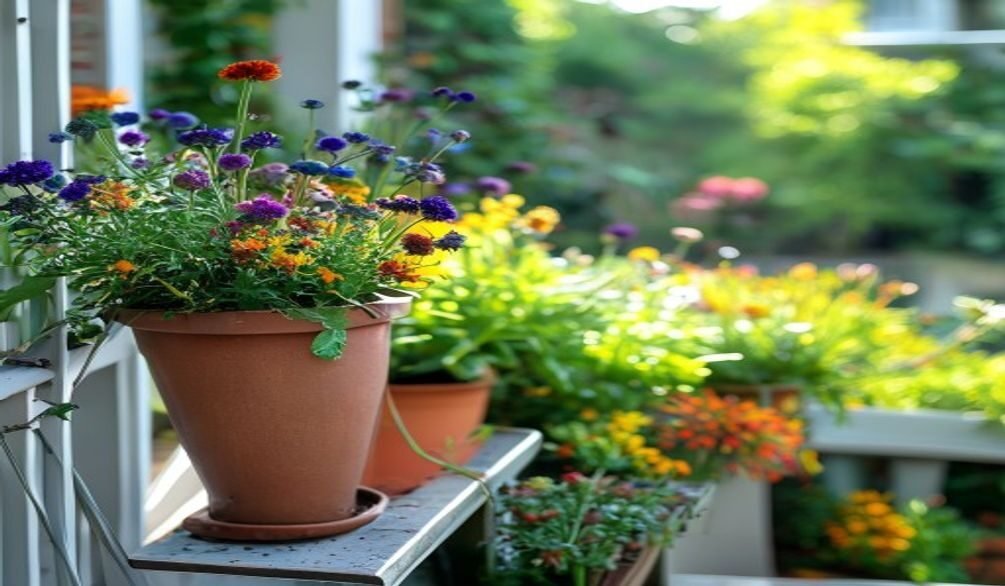
Are you struggling to create a vibrant, buzzing haven for beneficial insects in your urban outdoor space? Cultivating beautiful terrace garden pollinator plants is the perfect solution, transforming your balcony or patio into a vital ecosystem. This guide, drawing on my 10 years of gardening experience, will show you exactly how to select and care for the best plants to attract bees, butterflies, and hummingbirds, even in small spaces.
Quick Answer: Terrace garden pollinator plants provide vital nectar and pollen for bees, butterflies, and hummingbirds in urban spaces. Essential attractors include Bee Balm, Salvia, Milkweed, Lavender, Coneflower, Calamint, and Hummingbird Mint, offering continuous blooms and supporting biodiversity.
Why are pollinators important for terrace gardens?
Pollinators are incredibly important for terrace gardens because they are fundamental to the health of our planet’s ecosystems and food supply, even in urban environments. Pollinators are crucial to the reproduction of over 85% of the world’s flowering plants, including more than two-thirds of the world’s food crop species, according to The Pollinator Partnership. This means without them, many of the fruits, vegetables, and nuts we enjoy simply wouldn’t exist.
Real talk: when you plant terrace garden pollinator plants, you’re not just making your space pretty. You’re contributing to a much larger effort. More than one-fifth of native North American pollinators are at elevated risk of extinction, with 34.7% of assessed native bee species at risk, according to a 2025 assessment in the Proceedings of the National Academy of Sciences. Urban spaces, even small balconies, can provide critical stepping stones of habitat and food sources for these struggling populations. It’s a simple act with a profound impact.
What flowers attract pollinators to a balcony?
To attract pollinators to a balcony, focus on flowers that offer abundant nectar and pollen, come in vibrant colors, and have accessible flower shapes. For instance, many herbs and annuals, though not always native, are very good for pollinators, as highlighted by The Pollinator Partnership.
In my experience, the key is variety and continuous bloom. What most people miss is that pollinators need food from spring through fall. A balcony pollinator garden should feature a mix of flower types to cater to different pollinators—bees prefer blue, purple, and yellow, while hummingbirds are drawn to red and orange. Consider plants with varying flower shapes; some pollinators have long tongues, others short. This is where a diverse selection of terrace garden pollinator plants really shines.
How do i attract pollinators to my small garden?
Attracting pollinators to your small garden involves more than just planting flowers; it requires creating a welcoming habitat with food, water, and shelter. If every household in the United States planted just one pollinator-friendly container on their balcony or windowsill, it would create over 120 million new habitat plants for struggling native bees. This statistic, while hypothetical, underscores the collective power of small space pollinator garden efforts.
Here’s the thing: in a small space, every plant counts. You want to maximize your impact. I’ve found that grouping pollinator plants for containers together creates a “visual target” that makes it easier for bees and butterflies to spot your garden. Don’t forget a shallow water source, like a bird bath with pebbles for landing, and consider leaving a small patch of bare soil or a bee hotel for nesting. The U.S. Fish & Wildlife Service offers excellent regional native plant recommendations that are often suitable for small gardens, ensuring you provide the most beneficial options.
7 essential terrace garden pollinator plants
Selecting the right terrace garden pollinator plants is crucial for creating an effective and beautiful urban pollinator haven. These seven plants are my top recommendations for their attractiveness to a wide range of pollinators and their suitability for container gardening.
- Monarda (Bee Balm): This vibrant perennial is a magnet for bees and hummingbirds, offering long summer blooms. Monrovia often carries excellent varieties that are perfect for pots.
- Salvia: With its spiky blooms in shades of purple, red, and blue, Salvia attracts various pollinators, including hummingbirds. Many varieties are drought-tolerant, making them ideal patio pollinator flowers.
- Milkweed (Asclepias spp.): Essential for Monarch butterflies, Milkweed serves as both a nectar source and the sole host plant for their caterpillars. Look for native varieties that are compact and container-friendly, as recommended by the Xerces Society.
- Lavender (Lavandula spp.): Aromatic and drought-tolerant, lavender is a favorite of bees and adds a pleasant scent to your terrace. It’s one of the best pollinator-friendly herbs for a balcony.
- Coneflower (Echinacea spp.): These native plants with cone-shaped flowers are excellent summer bloomers, supporting a wide range of pollinators, including monarchs and swallowtails. Proven Winners offers many robust coneflower options.
- Calamint (Calamintha nepeta): Featuring abundant, confetti-like flowers and aromatic foliage, Calamint attracts bees while naturally deterring deer. It’s a fantastic low maintenance pollinator plant for porches.
- Hummingbird Mint (Agastache): A native perennial with colorful flower spikes that bloom from spring through early fall, Agastache is perfect for attracting bees and hummingbirds to containers, making it a great hummingbird plant for small gardens.
My advice? Don’t be afraid to mix and match. A small space pollinator garden can still offer incredible diversity. These terrace garden pollinator plants will provide a feast for your winged visitors.
Beyond plants: diy pollinator boosters for terraces
Beyond simply choosing the right terrace garden pollinator plants, you can significantly enhance your terrace’s appeal to pollinators with simple DIY additions. These elements provide essential resources that complement your planting efforts.
What most people miss is that pollinators need more than just food; they need water and shelter too. Consider these DIY projects:
- Shallow Water Source: A simple saucer filled with pebbles and a little water provides a safe drinking spot for bees and butterflies without the risk of drowning. Just make sure to refresh the water daily to prevent mosquito breeding.
- Bee Hotels: You can easily construct or purchase small bee hotels for solitary native bees. These often consist of hollow stems or drilled wood blocks. Place them in a sunny, sheltered spot near your balcony bee garden.
- Bare Soil Patches: Some native bees nest in the ground. If you have a larger container or a corner of your terrace, a small patch of undisturbed, bare soil can offer a nesting site. This surprised me the first time I tried it, seeing how quickly it was adopted.
- Leaf Litter/Brush Piles: In a discreet corner, a small pile of leaves or twigs can offer shelter for overwintering insects or other beneficial creatures. This is a bit harder to pull off on a pristine balcony, but even a small pot with some dried stalks can help.
These simple additions, combined with your carefully chosen terrace garden pollinator plants, create a much more complete and attractive habitat. For more ideas on attracting beneficial insects, you might find our guide on 7 proven ways to transform your garden helpful, even if you’re working with a smaller space.
Terrace garden pollinator plant care tips
Proper care for your terrace garden pollinator plants ensures they thrive and provide a continuous food source for your winged visitors. The biggest mistake I see beginners make is inconsistent watering, especially in containers.
Here are some key care tips:
| Care Aspect | Recommendation for Pollinator Plants | Why It Matters |
|---|---|---|
| Watering | Consistent, deep watering when the top inch of soil is dry. Containers dry out faster. | Prevents stress, promotes continuous blooms, and ensures nectar production. |
| Sunlight | Most pollinator plants need 6+ hours of direct sun. Check specific plant needs. | Essential for photosynthesis, flowering, and overall plant health. |
| Soil & Drainage | Use well-draining potting mix. Ensure containers have drainage holes. | Prevents root rot and supports healthy growth. 72% of container plants fail due to poor drainage, according to Penn State Extension (2023). |
| Fertilization | Use organic, slow-release fertilizers sparingly. Avoid high-nitrogen formulas. | Too much nitrogen can promote foliage over flowers. Organic options are safer for pollinators. |
| Pest Control | Avoid synthetic pesticides. Use organic solutions like neem oil or insecticidal soap. | Pesticides can harm or kill pollinators. The Xerces Society strongly advocates for pesticide-free gardening. |
| Deadheading | Remove spent flowers regularly for many species (e.g., Salvia, Bee Balm). | Encourages new blooms, extending the flowering period and food supply. |
Sounds simple. It’s not always. Especially with container gardening for pollinators, you’ll need to be vigilant about watering. A quick note before we move on: always research the specific needs of each of your terrace garden pollinator plants. What works for Lavender might not be ideal for Milkweed.
Creating a continuous bloom for pollinators
Creating a continuous bloom in your terrace garden is paramount for supporting pollinators throughout the growing season, providing a steady supply of nectar and pollen from spring to fall. This strategy ensures that your balcony pollinator garden is always a welcoming food source.
The key insight here is succession planting. What I’ve learned over the years is that a burst of flowers in June is great, but pollinators need food in April and again in September. So, plan your terrace garden pollinator plants to have staggered bloom times.
Here’s how to achieve it:
- Early Spring Bloomers: Start with plants like creeping phlox or early-blooming Salvia varieties.
- Mid-Summer Staples: This is where your Bee Balm, Coneflower, and Milkweed really shine, providing abundant forage.
- Late Summer/Fall Providers: Extend the season with plants like Aster, Sedum, or late-blooming Agastache. These are crucial for migrating butterflies and late-season bees.
By thoughtfully selecting a mix of early, mid, and late-season terrace garden pollinator plants, you ensure that your small space pollinator garden is a reliable buffet for local wildlife. This kind of planning makes a huge difference, especially in urban areas where natural food sources can be scarce. The Great Southeast Pollinator Census (GSEPC) recorded a record-breaking 5,067 counts in North Carolina in 2025, a 113% increase from the previous year, demonstrating the growing public engagement in pollinator conservation and the success of continuous bloom initiatives.
Frequently asked questions
What is the best plant for a pollinator garden?
The best plant for a pollinator garden often depends on your region and the specific pollinators you wish to attract, but Milkweed (Asclepias spp.) is universally recognized as critical for Monarch butterflies. It serves as both a nectar source and the sole host plant for their caterpillars. For a diverse balcony bee garden, a mix of plants like Bee Balm, Salvia, and Coneflower provides a broader appeal.
What do pollinators like to land on?
Pollinators prefer to land on flowers that offer an accessible platform, such as flat-topped clusters like Yarrow or Coneflower, or sturdy spikes like Salvia. They are attracted to vibrant colors—especially blue, purple, yellow for bees, and red for hummingbirds—and strong scents. A long-term study reported a 61% decline in bumblebee colony growth over 30 years in the UK (2020), emphasizing the urgent need for accessible landing spots and food sources.
What flowers attract pollinators to a balcony?
To attract pollinators to a balcony, focus on compact, long-blooming flowers like Bee Balm, Salvia, Lavender, and Calamint, which thrive in containers. These patio pollinator flowers provide continuous nectar and pollen. Choosing native plants for terrace gardens, as suggested by the U.S. Fish & Wildlife Service, often yields the best results for local insect populations.
How do i attract pollinators to my small garden?
Attract pollinators to your small garden by planting a diverse array of terrace garden pollinator plants that bloom throughout the season, providing a continuous food supply. Include a shallow water source, and avoid pesticides to create a safe habitat. The Pollinator Partnership emphasizes that even non-native herbs can be beneficial.
Are herbs good for pollinators on a balcony?
Yes, many herbs are excellent for attracting pollinators to a balcony, especially when allowed to flower. Herbs like Lavender, Rosemary, Thyme, and Oregano produce small, nectar-rich flowers that are highly attractive to bees and other beneficial insects. These pollinator-friendly herbs for a balcony also add culinary value to your urban space.
Cultivating terrace garden pollinator plants is a rewarding way to contribute to biodiversity, even in the smallest urban spaces. By choosing a diverse array of plants like Bee Balm, Salvia, and Milkweed, providing water, and practicing mindful care, you can create a thriving haven for bees, butterflies, and hummingbirds. Start your balcony pollinator garden today and watch your terrace come alive with the magic of nature.







