Key Takeaways
- Global peach and nectarine production reached 24.9 million metric tons in 2024, according to industry reports.
- A mature peach or nectarine tree can yield 120 to 150 pounds of fruit, according to The Ohio State University Extension.
- Nectarine acreage has nearly tripled since 2013/14, reflecting growing consumer demand.
- Proper soil preparation is the first step for successful fruit tree growth, according to William Lord, UNH Extension Fruit Specialist.
- Low-chill peach and nectarine cultivars thrive in warmer climates, such as those developed by the University of Florida’s Stone Fruit Breeding Program.
Are you struggling to get those juicy, homegrown peaches and nectarines you’ve been dreaming of? Successfully growing peaches and nectarines at home can feel like a challenge, but with the right steps, you can enjoy bountiful harvests right from your garden. In my 10 years of experience as an expert gardener, I’ve learned the key strategies that make all the difference, and I’m here to share them so you can avoid common pitfalls and achieve success.
Quick Answer: Growing peaches and nectarines requires a sunny, well-drained site, proper planting, consistent watering, annual fertilization, and crucial pruning and thinning. These steps ensure healthy trees and abundant, quality fruit.
What is the best way to plant a peach tree?
The best way to plant a peach tree involves careful site selection, proper soil preparation, and meticulous planting techniques to ensure a strong start. Proper soil preparation is an important first step, according to William Lord, UNH Extension Fruit Specialist, and Amy Ouellette, Extension Educator, Agricultural Resources. You want a site that receives at least six to eight hours of direct sunlight daily and has well-drained soil.
Here’s the thing: many people overlook soil testing, but it’s really important. Before you even think about putting a tree in the ground, get a soil test done through your local extension office. This tells you exactly what your soil needs to support healthy fruit tree growth. Peaches and nectarines prefer a soil pH between 6.0 and 6.5.
When you’re ready to plant, dig a hole that is twice as wide as the root ball and just as deep. This gives the roots plenty of loose soil to spread into. For growing peaches and nectarines, I always recommend gently spreading the roots out in the hole. My observation is that this helps them establish faster.
* Choose the right variety: Select a cultivar suitable for your climate’s chilling hours. For instance, the University of Florida’s Stone Fruit Breeding Program has developed low-chill varieties like ‘UFSun’ and ‘UFQueen’ for warmer regions.
* Prepare the soil: Amend heavy clay or sandy soils with organic matter to improve drainage and fertility.
* Planting depth: Plant the tree so the graft union is about 2-3 inches above the soil line.
* Water immediately: After planting, water thoroughly to settle the soil around the roots.
How long does it take to grow a peach tree?
A peach tree typically begins to produce fruit within two to four years after planting, with full production usually achieved by its fifth year. This timeline can vary slightly depending on the variety and initial care. For example, ‘Reachables’ branded peach trees are specifically bred to bear fruit sooner than standard trees, according to their product descriptions.
What most people miss is that patience is key when you’re growing peaches and nectarines. You might see a few fruits in the second year, but don’t expect a heavy crop. The tree is still putting its energy into establishing a strong root system and framework. I’ve seen many gardeners get discouraged too early, but consistent care pays off.
Once mature, a single peach or nectarine tree can be incredibly productive. A mature tree can produce an average of 3 bushels, or 120 to 150 pounds, of fruit, according to The Ohio State University Extension. That’s a lot of delicious fruit for your efforts in growing peaches and nectarines!
Do you need two peach trees to produce fruit?
No, most peach and nectarine varieties are self-pollinating, meaning a single tree can produce fruit without another tree nearby. This is great news for home gardeners with limited space! However, having a second, different variety can sometimes lead to even better fruit set and larger yields.
While a single tree will produce, I’ve observed that cross-pollination can sometimes enhance fruit quality. It’s not a requirement for growing peaches and nectarines, but it can be a nice bonus. For instance, some varieties, while self-fertile, might benefit from a pollinator partner if you’re aiming for maximum yield.
What month do you plant peach trees for successful growing?
The best time for planting peach trees for successful growing is typically in late winter or early spring, after the danger of severe frost has passed but before new growth begins. This allows the tree’s roots to establish themselves in the cool, moist soil before the stress of summer heat. In warmer climates, some gardeners plant in the fall, but spring is generally safer.
The short answer: aim for February or March in many temperate zones. This timing is a sweet spot because the tree is dormant, reducing transplant shock. But be honest, sometimes life gets in the way. If you have to plant a little later, just be sure to provide extra water and care during its first summer. This is where most guides stop – we won’t.
Here’s a quick comparison of planting times:
| Season | Advantages | Considerations for Growing Peaches and Nectarines |
|---|---|---|
| Late Winter/Early Spring | Ideal for root establishment; less transplant shock. | Must plant before buds break; monitor for late frosts. |
| Fall | Good for root growth before winter dormancy (warmer climates). | Not suitable for regions with harsh winters; risk of winter injury. |
Essential care for growing peaches and nectarines
Essential care for growing peaches and nectarines involves consistent watering, balanced fertilization, and, critically, proper pruning and thinning. These practices are non-negotiable for healthy trees and abundant, quality fruit. Mark Anderson of Anderson’s Seed & Garden (2023) notes that many gardeners seek the amazing flavor of peach and nectarine but are unaware of the work requirements to successfully grow them.
Watering for healthy growth
Consistent watering is crucial, especially during dry spells and when fruits are developing. Young trees need water more frequently to help their roots spread. I usually recommend about an inch of water per week, either from rainfall or irrigation. But in practice, you’ll need to check the soil moisture regularly — stick your finger in about two inches deep. If it feels dry, it’s time to water.
Fertilization for optimal yields
Fertilize your peach and nectarine trees annually in early spring before new growth begins. Use a balanced fertilizer or one slightly higher in nitrogen for younger trees. Once they start bearing fruit, switch to a fertilizer with a higher potassium content to support fruit development. Basic plant nutrition tips suggest that a soil test can guide your exact fertilizer needs.
Pruning peach and nectarine trees
Pruning is perhaps the most important — and often intimidating — aspect of growing peaches and nectarines. It’s done primarily in late winter, while the tree is dormant. The goal is to create an open vase shape, which allows for good air circulation and sunlight penetration, both important for fruit quality and disease prevention. Remove dead, diseased, or crossing branches.
* Open vase system: Select 3-5 main scaffold branches angled outwards.
* Remove suckers and water sprouts: These are unproductive growths that steal energy.
* Maintain height: Keep the tree at a manageable height for easy harvesting and care.
Thinning peaches
Thinning is a process many beginners skip, and it’s a big mistake. After the natural fruit drop in late spring, you’ll likely have too many small fruits. Thinning involves removing excess fruit to allow the remaining ones to grow larger and sweeter. Aim for fruits to be spaced about 6-8 inches apart on the branch. This surprised me the first time I tried it – it feels counter-intuitive to remove fruit, but the results are undeniable. Phil Miller, a Michigan fruit grower, even invented the “CINCH” blossom thinning tool to speed up this process, showing how important it is.
Pest and disease management for peach and nectarine trees
Effective pest and disease management is fundamental for successfully growing peaches and nectarines, protecting your harvest from common threats like peach leaf curl, brown rot, and various insect pests. Nectarines are nothing more than fuzzless peaches, and their culture, including pest and disease management, is the same as peaches, according to Clemson Home & Garden Information Center. Vigilance and timely intervention are key.
* Common Diseases:
* Peach Leaf Curl: Causes distorted, reddish leaves. Treat with a dormant spray in late fall or early spring.
* Brown Rot: Fungal disease affecting blossoms and fruit. Requires preventative fungicide sprays, especially in wet conditions.
* Bacterial Spot: Causes spots on leaves, twigs, and fruit. The University of Arkansas has developed cultivars with good bacterial spot resistance.
* Common Pests:
* Plum Curculio: Small weevils that lay eggs in developing fruit, causing wormy peaches.
* Peach Tree Borer: Larvae tunnel into the trunk, often near the soil line.
* Aphids: Small insects that suck sap from new growth.
Real talk: prevention is always easier than cure. Regular scouting for signs of trouble is far more effective than waiting until your trees are heavily infested or infected. For instance, treating rust fungus on plants is a similar proactive approach. Consider using organic companion planting to attract beneficial insects that prey on pests. Rutgers University is also a great resource, releasing new disease-resistant varieties like the ‘Felicia’ and ‘Evelynn’ peaches.
Harvesting your peaches and nectarines
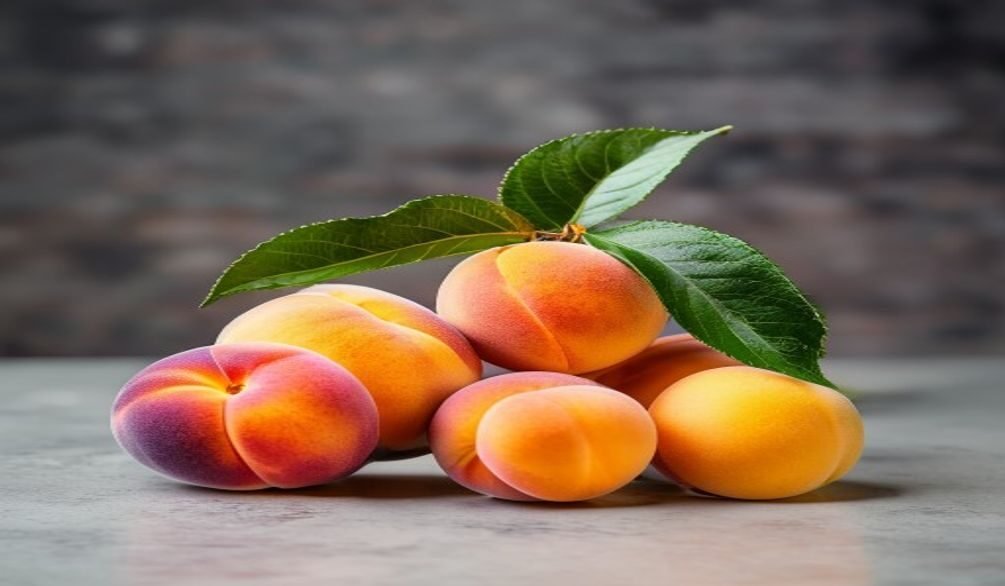
Harvesting your peaches and nectarines at the right time is crucial for enjoying their peak flavor and juiciness. Unlike some fruits, peaches and nectarines do not continue to ripen significantly after being picked, so timing is everything. You’ll know they’re ready when they develop a full, rich color, are slightly soft to the touch, and easily detach from the branch with a gentle twist.
Don’t rely solely on color, though; that’s a common mistake. Some varieties might still have green patches when ripe. The smell is a good indicator too — a ripe peach or nectarine will have a sweet, characteristic aroma. Gently cup the fruit in your hand and lift it; if it comes off easily, it’s ready. If you have to pull hard, it needs more time on the tree.
* Color: Look for a deep, even color, with the background color changing from green to yellow or creamy white.
* Firmness: Gently squeeze the fruit. It should give slightly, but not be mushy.
* Ease of detachment: The fruit should separate from the branch with a slight twist.
Storage tips
Once harvested, ripe peaches and nectarines are best eaten fresh. If you have an abundance, they can be stored at room temperature for a few days or refrigerated for up to a week. For longer storage, consider canning, freezing, or drying them. Worth knowing: Refrigeration can sometimes diminish their flavor and texture, so only refrigerate truly ripe fruit you won’t eat immediately.
Frequently asked questions
What is the most successful way to grow peaches?
The most successful way to grow peaches is by ensuring excellent site selection with full sun and well-drained soil, followed by consistent care including pruning, thinning, and pest management. China accounts for 63.7% of global peach and nectarine production, highlighting the importance of optimal growing conditions. A well-cared-for tree yields the best results.
How long does it take for a peach tree to bear fruit?
A peach tree typically begins to bear fruit within two to four years after planting, with significant harvests usually starting in its fifth year. This period allows the tree to establish a strong root system and develop a robust structure. Patience during these initial years is rewarded with increasingly abundant crops.
Do peach trees need full sun?
Yes, peach trees absolutely need full sun, requiring at least six to eight hours of direct sunlight per day for optimal growth and fruit production. Insufficient sunlight can lead to reduced fruit quality and quantity, and can also make the tree more susceptible to diseases. Choose the sunniest spot in your garden for growing peaches and nectarines.
What is the hardest part about growing peaches?
The hardest part about growing peaches is often the ongoing maintenance, particularly consistent pruning and thinning, as well as vigilant pest and disease management. Turkey’s peach and nectarine production is projected to decrease by 48% due to frost conditions, showing how external factors can impact yields. These tasks require regular attention and can be labor-intensive, but they are crucial for a successful harvest.
How many years do peach trees live?
Peach trees generally live for about 10 to 20 years, depending on the variety, growing conditions, and the level of care they receive throughout their lifespan. Proper care, including consistent pruning, fertilization, and disease prevention, can help extend a peach tree’s productive life.
Growing peaches and nectarines can be incredibly rewarding, offering you fresh, delicious fruit right from your backyard. By following these essential steps—from careful planting and consistent watering to vigilant pest control and timely harvesting—you’re setting yourself up for success. Don’t be afraid to get your hands dirty and learn as you go; the effort you put into growing peaches and nectarines will be repaid many times over with sweet, juicy harvests. Start your journey today and experience the joy of homegrown fruit!