
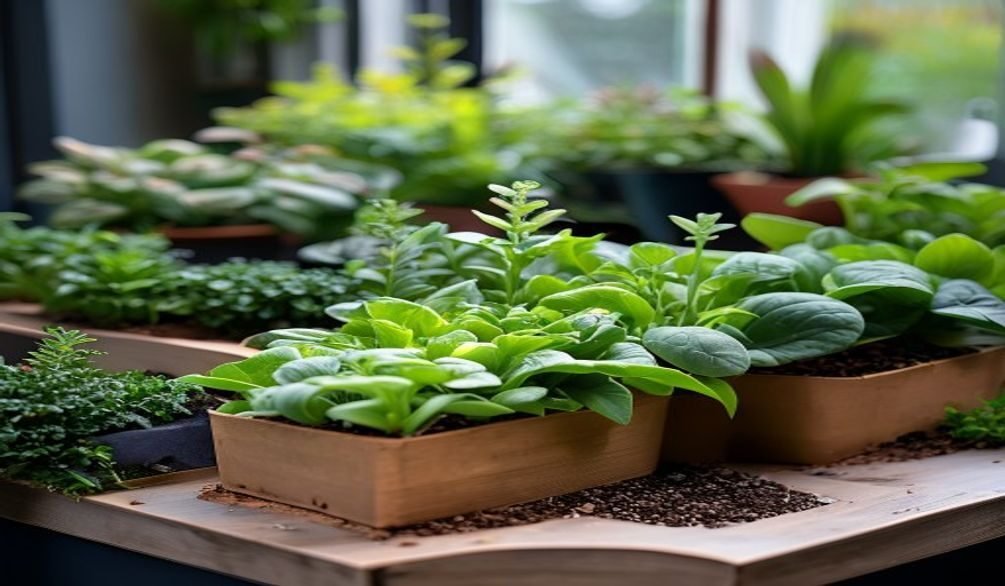
Key Takeaways
- U.S. sales of certified organic products reached $76.6 billion in 2025, according to the Organic Trade Association (2025).
- Urban agriculture has experienced 340% growth since 2020, with 23% of urban households now engaging in food production.
- Self-watering planters can cut watering frequency by 50% or more, according to EarthBox.
- 71% of Americans reported plans to grow a food garden in 2025, with urban gardeners at a 72% participation rate, according to a recent projection (2025).
- The global urban farming market is projected to reach $9.2 billion in 2026, states Kevin Bruce of Seeds In A Cup® (2026).
Are you struggling to grow fresh, healthy produce because you lack a big yard? Mastering **organic container gardening small spaces** is absolutely possible, even if your growing area is limited to a balcony or a tiny patio, and this guide will show you how to cultivate a thriving harvest using natural, sustainable methods. We’ll cover everything from choosing the right plants and soil to effective pest control, ensuring your small space becomes a productive organic oasis.
Quick Answer: Organic container gardening in small spaces involves growing plants in pots using organic methods, healthy soil, and natural pest control to maximize yield in limited areas like balconies or patios, ensuring a sustainable and productive harvest.
What are the easiest organic vegetables to grow in containers?
The easiest organic vegetables to grow in containers are typically those with compact growth habits and shallow root systems, making them ideal for successful **organic container gardening small spaces**. Urban agriculture has experienced 340% growth since 2020, with 23% of urban households now engaging in food production, demonstrating a clear trend towards growing food in limited areas. In my 10 years of experience, I’ve found that beginners often achieve great success with leafy greens and herbs.
Here’s the thing: many people think you need a huge garden to grow your own food, but that’s just not true. For a thriving small space organic garden, focus on varieties that don’t sprawl too much.
* **Leafy Greens:** Lettuce, spinach, kale, and Swiss chard are fantastic choices. They grow quickly, tolerate partial shade, and can be harvested repeatedly. Look for “cut-and-come-again” varieties for continuous yields.
* **Herbs:** Basil, parsley, cilantro, mint, and chives thrive in pots. They require minimal space and can be placed near your kitchen for easy access. This is where most guides stop—we won’t.
* **Radishes:** These fast-growing root vegetables mature in as little as three weeks and don’t need deep containers.
* **Bush Beans:** Unlike pole beans, bush varieties are self-supporting and well-suited for containers.
* **Compact Tomatoes:** Look for determinate or “patio” varieties like ‘Tiny Tim’ or ‘Celebrity’. These plants are bred to stay small but still produce plenty of fruit.
* **Peppers:** Bell peppers and chili peppers can be very productive in containers, especially if given plenty of sunlight.
Choosing the right varieties is a key step towards successful organic container gardening small spaces.
What is the best soil mix for organic container gardening?
The best soil mix for organic container gardening is a well-draining, nutrient-rich blend that provides aeration and retains moisture without becoming waterlogged, which is crucial for healthy root development in any **organic container gardening small spaces** project. U.S. sales of certified organic products reached $76.6 billion in 2025, according to the Organic Trade Association (2025), reflecting a strong demand for organic growing methods, starting with the soil. Don’t just grab any bag of “potting soil” from the store; a good organic potting mix for containers is specially formulated.
A common mistake I’ve seen is using garden soil directly in pots. Garden soil compacts too easily in containers, stifling roots and preventing proper drainage. Instead, aim for a blend that includes:
* **Compost:** This is your gold standard for organic nutrients. It improves soil structure, introduces beneficial microbes, and slowly releases essential elements for plant growth. Aim for about 30-40% of your mix.
* **Sphagnum Peat Moss or Coco Coir:** These ingredients help retain moisture and provide aeration. Coco coir is a more sustainable option.
* **Perlite or Vermiculite:** These lightweight materials enhance drainage and prevent compaction, ensuring roots get enough oxygen.
* **Organic Fertilizers:** Incorporate slow-release organic amendments like worm castings, bone meal, or kelp meal at planting time. This gives your plants a gentle, continuous nutrient supply.
Table: Organic Potting Mix Components
| Component | Purpose | Approximate % of Mix |
|---|---|---|
| Compost (well-rotted) | Nutrient supply, soil structure, microbial life | 30-40% |
| Sphagnum Peat Moss / Coco Coir | Moisture retention, aeration | 30-40% |
| Perlite / Vermiculite | Drainage, aeration, prevents compaction | 20-30% |
| Organic Amendments (e.g., worm castings) | Slow-release nutrients | 5-10% |
Real talk: Getting the soil right is probably the most important step for organic container gardening small spaces. Your plants can’t thrive without it.
How often should i water my organic container garden?
The frequency with which you should water your organic container garden depends on several factors, including the plant type, container size, material, and ambient weather conditions. The short answer: you need to check your plants daily, especially when practicing organic container gardening small spaces. Self-watering planters, like those from EarthBox, can cut watering frequency by 50% or more, proving that consistent moisture is key.
In practice, smaller containers dry out faster than larger ones. Terracotta pots, while great for aeration, also wick moisture away more quickly than plastic or glazed ceramic. Here’s a quick note before we move on: don’t just water on a schedule. Your finger is your best tool.
* The Finger Test: Stick your finger about an inch or two into the soil. If it feels dry at that depth, it’s time to water. If it still feels moist, wait.
* Water Thoroughly: When you do water, do it until you see water draining from the bottom of the pot. This ensures the entire root ball is moistened.
* Morning Watering: Water in the morning to allow plants to absorb moisture before the heat of the day and for foliage to dry, which helps prevent fungal diseases.
* Consider Self-Watering Planters: For busy gardeners or those with very small spaces, self-watering planters (SIPs) are a game-changer. They provide a consistent water supply to the roots, reducing evaporation and making your organic container gardening small spaces much easier.
I’ve seen many people overwater, which can be just as detrimental as underwatering. Root rot is a silent killer!
What kind of containers are best for organic gardening?
The best containers for organic gardening are those that offer adequate drainage, are appropriately sized for the plant’s mature root system, and are made from non-toxic materials, all of which are critical considerations for successful **organic container gardening small spaces**. When choosing containers for your small space organic garden, durability and functionality are just as important as aesthetics. Many urban gardeners are repurposing items like old pallets for vertical gardens, according to gardening enthusiasts.
What most people miss is that the container material directly impacts watering frequency and soil temperature.
* **Unglazed Terracotta/Ceramic:** These classic pots offer excellent aeration, allowing roots to breathe. However, they dry out quickly, so they require more frequent watering.
* Plastic Pots: Lightweight and inexpensive, plastic pots retain moisture well, reducing watering needs. Just ensure they are food-grade if you’re concerned about chemicals leaching into the soil.
* **Fabric Grow Bags:** My personal favorite for organic container gardening small spaces. These breathable bags promote air-pruning of roots, preventing circling and encouraging a healthier root system. They are also foldable for easy storage.
* **Galvanized Metal Stock Tanks:** These provide a modern, farmhouse look and are great for larger plants or multiple smaller ones. They drain well if holes are added.
* **Recycled Rubber Planters:** An eco-friendly alternative, these are durable and retain moisture.
* **DIY Options:** Hypertufa troughs allow you to craft custom-sized, lightweight containers. Over-the-door shoe organizers can even be repurposed as hanging pocket gardens for herbs or annuals, demonstrating ingenuity in urban organic gardening tips.
Always ensure your chosen container has drainage holes. Without them, your plants will suffer from waterlogged roots.
How do i keep pests out of my organic container garden naturally?
Keeping pests out of your organic container garden naturally involves a combination of preventative measures, beneficial insects, and homemade organic solutions, which are essential for maintaining a healthy **organic container gardening small spaces** environment without harmful chemicals. A record two-thirds of American home gardeners are projected to expand their plots in 2026, many of whom are seeking natural pest control container garden strategies. Let me be honest with you: organic pest control requires vigilance and patience, but it’s incredibly rewarding.
The method most people reach for first is spraying, but in my experience, prevention and observation work faster and are more sustainable.
* **Inspect Regularly:** Daily checks for early signs of pests can prevent small problems from becoming infestations. Look under leaves and along stems.
* Companion Planting: Certain plants naturally deter pests. Marigolds, for instance, are known to repel nematodes and other insects. Basil can deter flies and mosquitoes.
* **Beneficial Insects:** Encourage ladybugs, lacewings, and parasitic wasps into your garden. They are natural predators of common pests like aphids. You can buy them or plant flowers that attract them.
* Hand-Picking: For larger pests like tomato hornworms, simply pick them off and drop them into a bucket of soapy water.
* Organic Sprays: If an infestation gets out of hand, use organic solutions like neem oil spray (effective against a wide range of pests and fungi) or insecticidal soap. Always follow label directions.
* Physical Barriers: Use row covers for young plants to protect them from flying insects. For organic container gardening small spaces, this might mean simple netting over individual pots.
This surprised me the first time I tried it: a strong blast of water from a hose can dislodge aphids and spider mites effectively. It sounds simple, but it’s not always enough for a heavy infestation.
Maximizing yield in organic container gardens
Maximizing yield in organic container gardens, especially within **organic container gardening small spaces**, requires strategic plant selection, consistent care, and clever space utilization to ensure a bountiful harvest from limited square footage. The global urban farming market is projected to reach $9.2 billion in 2026, states Kevin Bruce of Seeds In A Cup® (2026), highlighting the growing importance of efficient food production in urban settings. It’s not just about growing; it’s about growing smart.
One common mistake gardeners make is overcrowding their containers. While it’s tempting to plant many things, giving each plant adequate space and resources will ultimately lead to a higher yield.
* Choose Compact Varieties: Opt for dwarf, patio, or bush varieties of vegetables that are bred for container life. This is fundamental for successful organic container gardening small spaces.
* Succession Planting: For fast-growing crops like lettuce, radishes, or spinach, plant small batches every 2-3 weeks. This ensures a continuous harvest rather than a single large one.
* Vertical Gardening: Utilize vertical space with trellises, cages, or hanging planters for vining plants like cucumbers, pole beans, or cherry tomatoes. This is a game-changer for urban organic gardening tips.
* Proper Fertilization: Even with good organic potting mix for containers, plants in pots will deplete nutrients over time. Supplement with organic liquid fertilizers or compost tea every few weeks. Basic plant nutrition tips are key here.
* Pruning and Training: For plants like tomatoes, judicious pruning can direct the plant’s energy into fruit production rather than excessive foliage.
Worth knowing: Urban gardens can reduce household carbon footprints by 12-18% annually, making your efforts in organic container gardening small spaces not just productive but also environmentally friendly.
Choosing the right plants for small space organic gardening
Choosing the right plants for small space organic gardening is paramount to success, focusing on varieties that thrive in containers, offer good yields, and align with your available light and space, making your **organic container gardening small spaces** efforts truly pay off. 71% of Americans reported plans to grow a food garden in 2025, with urban gardeners at a 72% participation rate in planned food gardening for 2025, nearly matching rural participation, indicating a widespread desire for home-grown produce. The key insight here is to think vertically and compactly.
When I started my own garden, I learned quickly that not every plant is suited for a pot. Here’s a quick guide to some of the best plants for organic container gardening small spaces:
* **Tomatoes:** Look for “patio” or “bush” varieties such as ‘Celebrity’ or ‘Roma’.
* **Peppers:** Bell peppers and chili peppers like ‘Jalapeno’ or ‘Sweet Banana’ do exceptionally well.
* **Eggplant:** Compact varieties like ‘Patio Baby’ are perfect.
* **Leafy Greens:** Lettuce, spinach, kale, and Swiss chard are continuous harvest champions.
* **Herbs:** Basil, parsley, mint, chives, and oregano are must-haves for any balcony organic gardening setup.
* **Bush Beans:** Avoid pole beans unless you have a sturdy trellis. Bush varieties are self-supporting.
* **Radishes:** Quick and easy, they require shallow pots.
* **Carrots:** Choose shorter, stump-rooted varieties like ‘Danvers Half Long’ or ‘Paris Market’ for deeper containers.
* **Strawberries:** Alpine or ever-bearing varieties are excellent in hanging baskets or dedicated strawberry pots.
This is where most guides stop – we won’t. Consider the mature size of the plant, not just the seedling. A small seedling can become a huge plant, quickly outgrowing its container and sabotaging your organic container gardening small spaces goals.
Frequently asked questions
What are the easiest organic vegetables to grow in containers?
The easiest organic vegetables to grow in containers include leafy greens like lettuce and spinach, herbs such as basil and parsley, and compact varieties of radishes and bush beans. Urban agriculture has experienced 340% growth since 2020, with 23% of urban households now engaging in food production, demonstrating the viability of growing these in limited spaces. These plants offer quick harvests and are forgiving for beginners learning organic container gardening small spaces.
What is the best soil mix for organic container gardening?
The best soil mix for organic container gardening is a blend of high-quality organic potting mix, compost, and amendments like perlite or vermiculite for drainage and aeration. U.S. sales of certified organic products reached $76.6 billion in 2025, according to the Organic Trade Association (2025), underscoring the importance of using certified organic components. This ensures your plants receive the nutrients and structure needed for healthy growth in organic container gardening small spaces.
How often should i water my organic container garden?
You should water your organic container garden when the top inch or two of soil feels dry to the touch, which often means daily, especially in hot weather or for smaller pots. Self-watering planters can cut watering frequency by 50% or more, according to EarthBox. Consistent moisture is vital, but avoid overwatering to prevent root rot in your organic container gardening small spaces.
What kind of containers are best for organic gardening?
Containers best for organic gardening include breathable fabric grow bags, unglazed terracotta pots for aeration, or food-grade plastic pots that retain moisture, all with adequate drainage holes. Many urban gardeners repurpose items like old pallets for vertical gardens, showcasing the versatility of container choices. Selecting the right container is a key aspect of successful organic container gardening small spaces.
How do i keep pests out of my organic container garden naturally?
You can keep pests out of your organic container garden naturally through regular inspection, companion planting with pest-deterring herbs and flowers, and encouraging beneficial insects like ladybugs. A record two-thirds of American home gardeners are projected to expand their plots in 2026, many of whom are seeking natural pest control container garden solutions. For larger infestations, organic sprays like neem oil can be used safely in your organic container gardening small spaces.
Achieving a productive harvest through organic container gardening small spaces is entirely within reach, even if you’re working with a tiny balcony or a compact patio. By following these essential tips—from selecting the right compact plant varieties and crafting the perfect organic potting mix for containers, to mastering watering techniques and employing natural pest control—you can cultivate a thriving and sustainable garden. So, roll up your sleeves, pick out your favorite container, and start your journey toward fresh, organic produce right at home. Your small space organic garden is waiting!







