
Key Takeaways
- Urban gardeners show a 72% participation rate in raised beds and container gardens for planned food gardening, according to the Garden Trends Report (2025).
- Raised beds can improve water use efficiency by 73%, with crop yields increasing by up to 30% in some regions due to better water management, according to research.
- Nearly 60% of American households were interested in homegrown organic vegetables in 2023, citing raised beds as a top method for pesticide-free cultivation.
- The global raised garden beds market was valued at USD 0.52 billion in 2026 and is projected to reach USD 0.72 billion by 2035, growing at a CAGR of 3.63%.
- A soil blend of 60-70% shredded topsoil and 30-40% organic matter is recommended for optimal raised bed performance, according to Natorps.
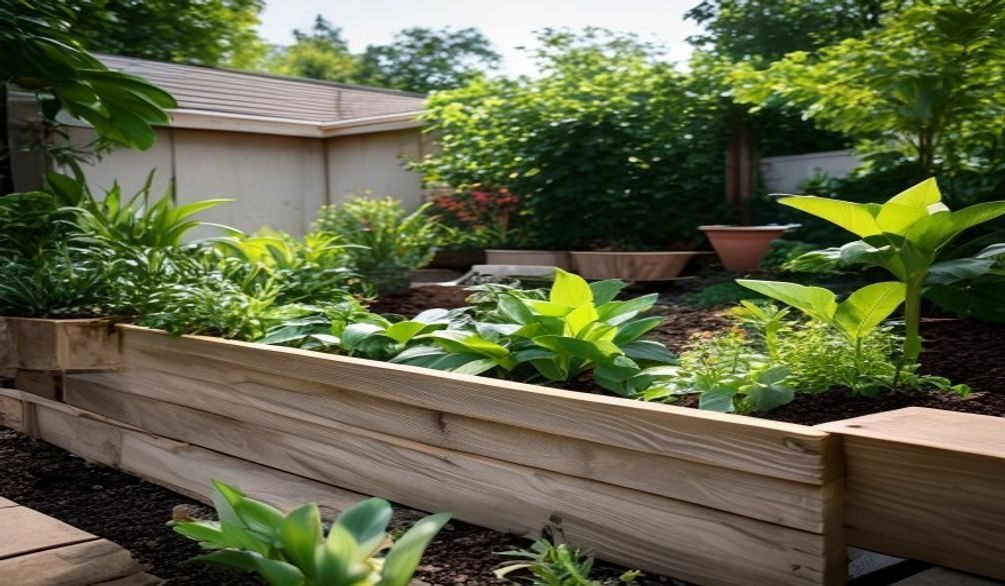
When you want to build raised beds for vegetables, getting started can feel overwhelming, but it’s a game-changer for your garden. This guide will walk you through 7 easy steps to build raised beds for vegetables, transforming your growing space and ensuring a bountiful harvest. As an expert gardener with over a decade of experience, I’ve seen firsthand how effectively raised beds solve common gardening challenges, from poor soil to drainage issues.
Quick Answer: Building raised beds involves selecting a sunny, level site, choosing materials like untreated wood or metal, constructing a frame (10-24 inches is common), and filling it with a rich soil blend of topsoil and compost for optimal vegetable growth.
What are the easiest raised garden beds to build?
The easiest raised garden beds to build are typically simple rectangular frames made from readily available materials like untreated lumber or pre-fabricated kits. For instance, Apartment Therapy showcased a DIY raised garden bed constructed in under two hours for less than $200, using concrete planter wall blocks and 2×6 cedar wood without power tools. This approach simplifies the construction process significantly, making it accessible even for novice gardeners who want to build raised beds for vegetables.
When you want to build raised beds for vegetables quickly and efficiently, consider modular systems. Vego Garden, for example, offers modular metal raised garden bed kits that are designed for easy assembly, featuring food-safe, anti-rust materials. These kits often snap or bolt together without complex cuts or specialized tools, which is a huge time-saver. Personally, I’ve found that starting with a basic 4×8 foot rectangular design is ideal for beginners because it provides ample growing space without being too challenging to construct. You can also find inexpensive raised garden bed plans online from retailers like The Home Depot, which often recommend untreated 2×6 lumber and basic screws.
* **Simple Wood Frames:** Using untreated cedar or pine boards and corner brackets.
* **Concrete Blocks:** Stacking concrete or cinder blocks to form walls, which requires no cutting or fasteners.
* **Metal Kits:** Pre-cut, pre-drilled metal panels that bolt together, like those from Vego Garden.
* **Woven Wattle Beds:** A more rustic option, braiding flexible branches, though this can be more labor-intensive.
The key is to pick materials that are easy to work with and require minimal specialized tools. What most people miss is that the “easiest” often means the least amount of cutting and measuring.
What is the best way to build a raised garden bed?
The best way to build a raised garden bed involves a systematic approach that prioritizes site selection, material choice, and proper soil preparation to ensure long-term success. Raised beds can improve water use efficiency by 73%, according to research, highlighting the importance of thoughtful construction. To build raised beds for vegetables effectively, you need a clear plan.
Joe Lamp’l, a long-time raised bed gardener, emphasizes the benefits of raised beds for controlling soil health and drainage, often overcoming challenging native soil conditions. From my own experience, the most common mistake people make is rushing the site preparation. Taking the time to level the ground and clear any weeds will pay dividends later. Here’s a step-by-step process that I recommend to build raised beds for vegetables:
Step 1: choose your site and design
Begin by selecting a location that receives at least 6-8 hours of direct sunlight daily, as Natorps recommends for successful raised bed gardening. Consider the size and shape of your raised bed; a common and manageable dimension is 4 feet wide, allowing you to reach the center from either side. Layout your chosen dimensions with stakes and string to visualize the space. This is where most guides stop—we won’t. Think about accessibility; will you need pathways around the bed?
Step 2: gather materials and tools
To build raised beds for vegetables, you’ll need materials like untreated lumber (cedar, redwood, or Douglas fir are good choices), screws (exterior grade, 2.5-3 inches), and corner braces. For tools, gather a measuring tape, pencil, saw (circular or hand saw), drill, and a level. Gardener’s Supply Company offers cedar raised garden beds, noting cedar’s rot-resistant properties.
Step 3: cut lumber to size
Measure and cut your lumber according to your design. For a 4×8 foot bed, you’ll need two 8-foot boards and two 4-foot boards. Ensure your cuts are straight for a strong, stable frame. This sounds simple. It’s not always. Double-check your measurements before cutting; a small error here can lead to a wobbly bed.
Step 4: assemble the frame
Position the cut boards to form a rectangle on your prepared site. Use your drill to attach the boards at the corners with screws. Pre-drilling pilot holes can prevent the wood from splitting, especially with harder woods. Make sure the corners are square using a carpenter’s square or by measuring diagonals.
Step 5: add corner braces
For added stability, especially if you build raised beds for vegetables that are taller, attach metal or wood corner braces to the inside corners of the frame. This prevents bowing once the bed is filled with soil. This extra step, often overlooked, significantly extends the life of your raised bed.
Step 6: prepare the bed base
Once the frame is assembled, prepare the ground inside. You can lay down a layer of cardboard to suppress weeds and decompose over time, or simply clear the area of any existing vegetation. Some gardeners choose to add a layer of hardware cloth to deter burrowing pests.
Step 7: fill with soil mixture
Now for the exciting part—filling your raised bed! A high-quality soil mix is crucial for healthy vegetables. Natorps suggests a blend of 60-70% shredded topsoil and 30-40% organic matter, such as compost. You can also use a specialized raised bed mix, like those offered by Miracle-Gro, to build raised beds for vegetables that thrive.
Choosing the right materials for your raised bed
When you build raised beds for vegetables, selecting the right materials is paramount for both longevity and plant health, often dictating how much maintenance your garden will require. Cedar is a popular choice for raised beds due to its natural resistance to rot and insects, as highlighted by Gardener’s Supply Company, which combines cedar with powder-coated aluminum corners for strength.
What most people miss is that while some materials are inexpensive upfront, they may require more frequent replacement or treatment. Here’s a look at common materials to help you build raised beds for vegetables:
* **Untreated Wood:**
* **Cedar or Redwood:** Excellent choices for durability and natural rot resistance, lasting 10-20 years. They are more expensive but require no chemical treatment.
* **Douglas Fir or Pine:** More affordable, but less rot-resistant. These will generally last 3-7 years unless treated with a food-safe sealant. The Home Depot recommends untreated 2×6 lumber for an inexpensive 4×8 raised planter.
* **Metal:**
* **Galvanized Steel:** Durable, long-lasting (20+ years), and often comes in modular kits. Vego Garden offers self-watering garden beds made from coated steel (zinc, magnesium, aluminum) for durability. These are great if you want to build raised beds for vegetables with a modern look.
* **Recycled Plastic/Composite:**
* Made from recycled materials, these are extremely durable, rot-proof, and low maintenance. They can be more expensive initially but offer excellent longevity.
* **Stone/Concrete Blocks:**
* Very durable and long-lasting, providing excellent thermal mass to regulate soil temperature. They are heavy and can be more labor-intensive to install.
**Material Comparison Table:**
| Material Type | Pros | Cons | Estimated Lifespan |
| :——————- | :—————————————- | :—————————————– | :—————– |
| Untreated Cedar/Redwood | Rot-resistant, natural, aesthetically pleasing | More expensive than pine | 10-20 years |
| Untreated Pine/Fir | Inexpensive, easy to work with | Less rot-resistant, shorter lifespan | 3-7 years |
| Galvanized Steel | Very durable, long-lasting, sleek | Can heat up in direct sun, higher cost | 20+ years |
| Recycled Plastic | Extremely durable, no rot, low maintenance | Higher upfront cost, less natural look | 20+ years |
| Concrete Blocks | Highly durable, good thermal mass | Heavy, difficult to move, industrial look | 50+ years |
When you build raised beds for vegetables, think about what fits your budget and long-term vision. My personal preference is cedar; it strikes a great balance between cost and durability, and it looks beautiful in the garden.
How deep should a raised garden bed be for vegetables?
The ideal depth for a raised garden bed for vegetables generally ranges from 10 to 24 inches, providing sufficient space for root development and optimal drainage. Gardenary notes that even shallow beds of 6 inches can be productive, though 18-24 inches is preferred for better drainage and root growth. This is a key consideration when you plan to build raised beds for vegetables.
Real talk: while 6 inches can work for some shallow-rooted crops, it often means more frequent watering and less room for error. For most common garden vegetables, aim for at least 10-12 inches. If you want to build raised beds for vegetables like carrots, potatoes, or tomatoes, which have deeper root systems, 18-24 inches is truly ideal. This depth allows roots to penetrate deeply, accessing more nutrients and moisture, and provides excellent drainage, which is crucial for preventing root rot. Plus, taller beds reduce bending, making gardening more comfortable.
Do you need a bottom in a raised garden bed?
No, you typically do not need a solid bottom in a raised garden bed, as leaving the bottom open allows plant roots to access native soil and provides natural drainage. This design choice is fundamental when you build raised beds for vegetables, promoting healthier root systems and reducing waterlogging.
The main reasons to skip a solid bottom are to encourage deep root growth and to allow for better drainage. When you build raised beds for vegetables without a bottom, roots can grow deeper into the earth, accessing a wider range of nutrients and moisture, especially during dry spells. However, there are exceptions. If you’re building a raised bed on concrete, a patio, or a rooftop, then a solid bottom is necessary to contain the soil. In such cases, ensure adequate drainage holes are drilled into the bottom to prevent water from pooling. Also, if you’re dealing with severe burrowing pest issues like gophers, adding hardware cloth to the bottom is a smart move, but still allows for root penetration.
What do you put on the bottom of a raised garden bed?
On the bottom of a raised garden bed, you should primarily place materials that will suppress weeds, deter pests, and slowly decompose to enrich the soil, such as cardboard or hardware cloth. This preparatory layer is important when you build raised beds for vegetables, as it creates a healthy foundation for your plants.
From my experience, a common mistake is filling the bottom with bulky, undecomposed organic matter like logs or branches, expecting it to turn into soil quickly. While this can work over a very long time (think years), fresh wood can tie up nitrogen in the soil, potentially starving your plants. Here’s what I recommend when you build raised beds for vegetables:
* **Cardboard:** Lay down a layer of plain, unprinted cardboard (remove any tape or labels) to smother existing weeds and prevent new ones from sprouting. It will decompose over time, adding organic matter.
* **Hardware Cloth:** If you have issues with burrowing pests like gophers or voles, staple a layer of 1/4-inch or 1/2-inch hardware cloth to the inside bottom edges of your raised bed frame. This creates a barrier without impeding drainage.
* **Newspaper:** Similar to cardboard, several layers of newspaper can also serve as a weed barrier.
* **Leaves/Straw:** A thin layer of decomposed leaves or straw can be added on top of the cardboard for additional organic matter, but avoid large, undecomposed pieces.
The goal is to create a weed-free foundation that allows for good drainage and eventually contributes to the overall soil health as you build raised beds for vegetables.
Filling and preparing your new raised garden bed
Filling and preparing your new raised garden bed involves creating a nutrient-rich and well-draining soil environment that is essential for robust vegetable growth. Natorps advises using a soil blend of 60-70% shredded topsoil and 30-40% organic matter for optimal results. This step is critical to ensure success when you build raised beds for vegetables.
Don’t just dump in any old dirt; the quality of your soil is the single most important factor for success in a raised bed. A proper soil mix will provide aeration, drainage, and nutrients that native garden soil often lacks. Consider mixing your own or purchasing a high-quality raised bed mix. Brands like Miracle-Gro offer specialized soil blends designed for raised beds.
Here’s a breakdown of how to fill your raised bed effectively:
1. **Bottom Layer (Optional for Drainage):** If you’re concerned about drainage or want to add some bulk without using valuable topsoil, a 2-4 inch layer of coarse material like small branches (already somewhat decomposed), wood chips, or gravel can be placed at the very bottom, on top of your weed barrier. But be cautious; too much undecomposed wood can deplete nitrogen.
2. **Middle Layer (The Bulk):** Fill most of the bed with a blend of good quality topsoil and compost. A 50/50 mix is a great starting point, or follow Natorps’ recommendation of 60-70% topsoil and 30-40% compost. This provides structure and immediate nutrients.
3. **Top Layer (Finishing Touch):** The top 4-6 inches should be a richer mix, perhaps 70% compost and 30% topsoil, or a specialized raised bed potting mix. This is where your seedlings and seeds will be planted, and they need readily available nutrients.
4. **Add Amendments:** Incorporate organic amendments like worm castings, bone meal, or a balanced organic fertilizer. This helps to build a living soil ecosystem.
5. **Water Thoroughly:** Once filled, water the entire bed thoroughly. This helps the soil settle and activates the organic matter. You might notice the soil level drops a bit, so be prepared to add a little more.
Remember, the goal when you build raised beds for vegetables is to create an environment where plants can thrive, and that starts with exceptional soil. This is where you really invest in your future harvests.
Frequently asked questions
What wood is best for raised garden beds?
Untreated cedar or redwood are generally considered the best woods for raised garden beds due to their natural resistance to rot and insects, offering a lifespan of 10-20 years. Gardener’s Supply Company notes cedar’s rot-resistant properties, making it a durable choice. While more expensive, these woods avoid the need for chemical treatments that could leach into your soil.
How do you build an inexpensive raised garden bed?
To build an inexpensive raised garden bed, opt for untreated pine or fir lumber, or use readily available materials like concrete blocks or recycled pallets. The Home Depot provides guides for building a 4×8 raised planter using inexpensive untreated 2×6 lumber. Focusing on simple rectangular designs and minimizing hardware can also cut costs significantly.
What size raised garden bed is best for beginners?
A 4×8 foot raised garden bed is often considered ideal for beginners, as it provides ample growing space without being overwhelming to manage. This size allows you to comfortably reach the center from either side, minimizing strain. Starting with a manageable size helps you gain experience before expanding your garden.
How many bags of soil do i need for a 4×8 raised bed?
For a 4×8 foot raised bed that is 12 inches deep, you will need approximately 32 cubic feet of soil, which translates to about 24-25 bags of 1.5 cubic foot soil. A general rule is that 1 cubic yard (27 cubic feet) will fill a 3x3x3 foot space. Always buy a little extra, as soil settles.
Can you put a raised bed directly on grass?
Yes, you can put a raised bed directly on grass, but it’s crucial to first lay down a weed barrier like cardboard to suppress the existing grass and prevent it from growing into your new garden bed. This method is effective in smothering weeds and allows the cardboard to decompose, adding organic matter to the soil.
Building raised beds for vegetables is one of the most rewarding projects a gardener can undertake, offering unparalleled control over soil quality, drainage, and pest management. By following these 7 easy steps, you can confidently build raised beds for vegetables that will serve your garden for years to come. Remember, the global raised garden beds market is projected to reach USD 0.72 billion by 2035, highlighting the growing popularity and proven benefits of this gardening method. So, gather your materials, plan your design, and get ready to enjoy the incredible satisfaction of growing your own food in a thriving raised bed garden. What are you waiting for? Start building your dream vegetable garden today!







