
Key Takeaways
- The global vertical farming market was valued at USD 8.52 billion in 2025, according to Mordor Intelligence (2026).
- Hydroponics can reduce water usage by up to 90% compared to traditional farming, according to industry data (2023).
- Leafy greens constitute 46–52% of vertical farming market revenue, according to Dr. James Altland (2023).
- Building-based vertical farms are projected to hold 55.63% of the market share by 2026, according to Mordor Intelligence (2026).
- A single Garden Tower 2 can grow up to 50 plants in just four square feet, according to the Garden Tower Project (2023).
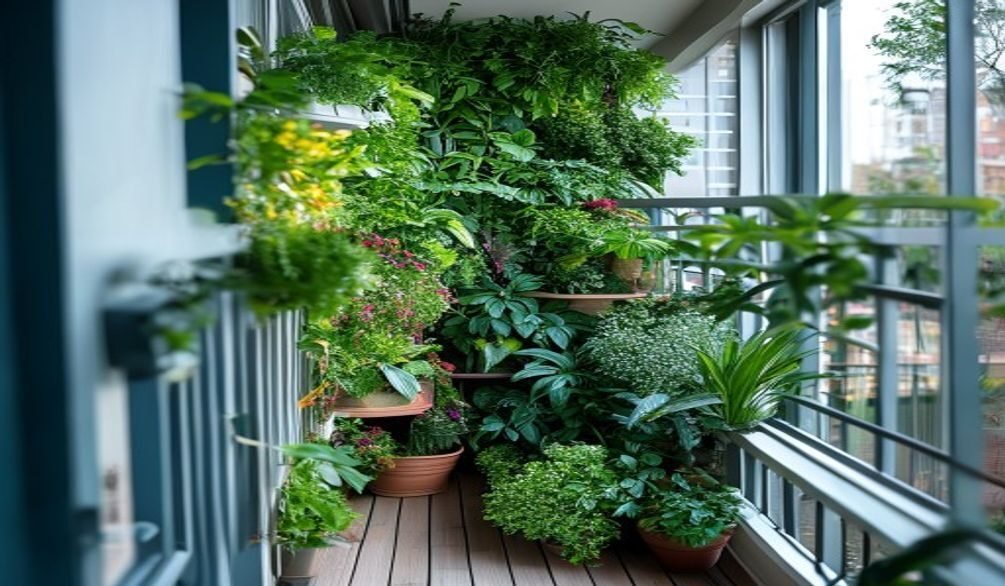
Feeling cramped on your balcony but still dreaming of fresh herbs and vegetables? Many urban gardeners face the challenge of limited space, but smart **balcony vertical garden ideas** can turn even the smallest area into a thriving green oasis. This article will show you seven clever space-saving solutions to maximize your growing potential and bring your gardening dreams to life.
Quick Answer: A balcony vertical garden maximizes growing space by cultivating plants upwards, perfect for urban areas. Solutions include tiered planters, wall-mounted pockets, and hydroponic towers, allowing efficient growth of herbs, greens, and strawberries with minimal water.
What is a balcony vertical garden and why is it beneficial?
A balcony vertical garden involves growing plants in upward-stacked layers or on a vertical surface, effectively using air space instead of precious floor space. This method is incredibly beneficial for urban dwellers, allowing them to cultivate fresh produce even with minimal outdoor area. The global vertical farming market was valued at USD 8.52 billion in 2025, according to Mordor Intelligence (2026), highlighting the growing interest in vertical cultivation methods.
Why should you consider **balcony vertical garden ideas**?
* Space Maximization: Vertical gardening allows you to grow significantly more plants in a small footprint. Dr. James Altland, a research horticulturalist, notes that “10 to 20 times the yield can be obtained per acre in vertical farming compared to open-field crops” for some varieties (2023).
* Accessibility: Tending to plants at various heights can be easier on your back and knees.
* Aesthetics: A lush vertical garden transforms a plain balcony into a beautiful, living wall.
* Resource Efficiency: Many vertical systems, especially hydroponic ones, use less water. Hydroponics can save up to 90% water usage and requires 80% to 95% less area compared to traditional farming, according to industry data (2023).
* Pest Reduction: Elevating plants can sometimes deter ground-dwelling pests.
What most people miss is how much **balcony vertical garden ideas** can truly impact not just your food supply, but your overall well-being. There’s a real joy in stepping out onto your balcony and plucking fresh herbs you’ve grown yourself.
How do you set up a vertical garden on a balcony?
Setting up a vertical garden on your balcony starts with assessing your space and sunlight, then choosing the right structure. Most people skip this crucial first step, thinking any setup will work—but understanding your balcony’s unique conditions is key to successful **balcony vertical garden ideas**.
Here’s a breakdown of the process:
1. Evaluate Sunlight: Observe how much direct sunlight your balcony receives throughout the day. Most vegetables and herbs need at least 6 hours of direct sun. South-facing balconies usually offer the most light, while north-facing ones might be better for shade-loving plants.
2. Assess Weight Capacity: Vertical garden systems, especially when filled with soil and watered plants, can be heavy. Ensure your balcony can support the weight.
3. Choose Your System: Based on your space and sun, select a vertical garden type. Options range from simple tiered planters to complex hydroponic systems. We’ll explore specific **balcony vertical garden ideas** in more detail below.
4. Select Plants: Choose plants suitable for vertical growing and your balcony’s light conditions. Leafy greens are a popular choice, commanding roughly 46–52% of vertical farming market revenue, according to Dr. James Altland (2023).
5. Install and Plant: Follow the manufacturer’s instructions for your chosen system. For soil-based systems, use a high-quality, lightweight potting mix. You might find our guide on vertical garden soil mix helpful here.
6. Watering System: Plan for efficient watering. Drip irrigation or self-watering systems are excellent **balcony vertical garden ideas** for busy gardeners.
In my 10 years of experience, the biggest mistake people make is not considering wind. Balconies can be surprisingly windy, leading to rapid drying out of plants. So, choose a system that offers some wind protection or plants that tolerate breezy conditions.
What are the best plants for a balcony vertical garden?
The best plants for a balcony vertical garden are typically those with shallow root systems, compact growth habits, and a high yield in limited space. What most people miss is that while many plants *can* grow vertically, selecting the right ones ensures higher success and less maintenance for your **balcony vertical garden ideas**.
Consider these categories for your vertical setup:
* Leafy Greens: Lettuce, spinach, kale, Swiss chard, and arugula thrive in vertical systems. Dr. James Altland states, “Currently, lettuce and other leafy greens are the most popular crops for vertical farming” (2023). They grow quickly and are perfect for continuous harvesting.
* Herbs: Basil, mint, chives, parsley, cilantro, and oregano are excellent choices. They require minimal space and provide fresh flavor for your cooking. A dedicated balcony herb garden vertical setup is a fantastic idea.
* Strawberries: These berries are ideal for vertical gardens, especially tiered planters or hanging pockets, as their fruit dangles freely. Berries are the fastest-growing crop segment in vertical farming, with over 16% CAGR, according to Mordor Intelligence (2026).
* Small Vegetables: Radishes, cherry tomatoes (bush varieties), bush beans, and small peppers can also do well. Look for dwarf or determinate varieties.
* Flowers: Nasturtiums (edible!), petunias, impatiens, and pansies add beauty and can attract pollinators.
When planning your **balcony vertical garden ideas**, think about what you actually like to eat. There’s no point growing a huge vertical crop of something you’ll never use!
7 smart space-saving solutions for your balcony vertical garden
Transforming your balcony into a productive garden requires clever use of vertical space, and there are numerous innovative systems available to help you achieve this. Here are seven smart **balcony vertical garden ideas** that cater to different needs and budgets.
1. Tiered Planters: These freestanding units feature multiple levels of planting containers, stacking upwards to maximize growing area. They are relatively inexpensive and easy to set up, making them a popular choice for beginner **balcony vertical garden ideas**.
* Pros: Portable, good drainage, suitable for various plant types.
* Cons: Can be heavy when filled, lower levels might get less light.
* Best For: Herbs, leafy greens, strawberries.
* Example: The Sagano Vertical Gardening System is a modular unit occupying only 2×2 feet of floor space (2023).
2. Wall-Mounted Pocket Planters: Fabric or plastic pockets are attached to a frame or directly to a wall, creating a soft, flexible growing surface. This is one of the most visually appealing **balcony vertical garden ideas**.
* Pros: Excellent for maximizing wall space, lightweight, good aesthetic appeal.
* Cons: Can dry out quickly, fabric pockets may require more frequent watering, some may lack structural support.
* Best For: Herbs, small annual flowers, shallow-rooted greens.
3. Stackable Planters: Individual pots designed to interlock and stack on top of each other, forming a tower. These are often used for strawberries or herbs.
* Pros: Flexible configuration, easy to expand or reconfigure.
* Cons: Lower pots can be shaded, can become unstable if too tall.
* Best For: Strawberries, small herbs, succulents.
4. Hydroponic Towers: These advanced systems circulate nutrient-rich water through vertical columns, growing plants without soil. They are highly efficient in water and space. The Lettuce Grow Farmstand, for example, uses 95% less water than soil-based gardening (2023). This is one of the most efficient **balcony vertical garden ideas** for yield.
* Pros: Rapid growth, significant water savings, minimal pest issues, clean.
* Cons: Higher initial cost, requires specific nutrients and power, more technical knowledge.
* Best For: Leafy greens, herbs, some small fruiting plants like strawberries.
* Example: Verti-Gro offers self-watering vertical gardens and hydroponic supplies (2023).
5. Pallet Gardens: Repurposed wooden pallets can be stood upright and used as planters by filling the gaps with soil. This DIY vertical garden balcony solution is budget-friendly.
* Pros: Inexpensive, sustainable, rustic aesthetic.
* Cons: Can be heavy, wood may degrade over time, potential for splinters or treated wood chemicals.
* Best For: Herbs, small flowers, shallow-rooted vegetables.
6. Trellises and Arbors: While not strictly “vertical planters,” trellises encourage climbing plants like cucumbers, pole beans, and certain tomato varieties to grow upwards. This is a classic solution for vertical vegetable garden balcony setups.
* Pros: Natural and attractive, supports heavy fruiting plants, good airflow.
* Cons: Requires specific climbing plant varieties, can take up more horizontal space at the base.
* Best For: Cucumbers, pole beans, peas, vining squash.
7. Garden Tower 2: This unique system combines vertical planting with a central composting tube, creating a self-fertilizing ecosystem. It’s an all-in-one solution for your **balcony vertical garden ideas**.
* Pros: Integrates composting, grows up to 50 plants in four square feet, 360-degree rotation.
* Cons: Higher initial cost, requires consistent composting input.
* Best For: Diverse range of vegetables, herbs, and flowers; ideal for organic gardeners.
* Example: The Garden Tower 2 is designed to grow up to 50 plants in just four square feet, turning kitchen scraps into compost (2023).
When considering these **balcony vertical garden ideas**, remember that “best” often depends on your specific needs and commitment level. A simple tiered planter might be perfect for a beginner, while a hydroponic tower offers maximum yield for an experienced gardener.
Disadvantages and common issues of balcony vertical farming
While **balcony vertical garden ideas** offer immense benefits, they also come with specific challenges that need to be addressed for successful cultivation. It sounds simple to just stack plants, but in practice, it’s not always.
Here are some common disadvantages and issues:
* Rapid Drying Out: Vertical systems, especially those with smaller soil volumes or exposed surfaces, can dry out much faster than traditional garden beds. This is particularly true for balconies exposed to wind. Most people skip this consideration, leading to dehydrated plants.
* Uneven Sunlight Exposure: Plants on lower tiers or those facing away from the sun might receive insufficient light. This can lead to stunted growth or reduced yields. Rotating your system or choosing shade-tolerant plants for lower levels can help.
* Watering Challenges: Ensuring even watering across all levels without runoff can be tricky. Manual watering can be time-consuming, and automated systems add complexity and cost.
* Weight and Structural Integrity: Soil-filled planters can become very heavy, posing a structural risk to balconies if not properly considered. Always check your balcony’s weight limit.
* Pest and Disease Management: While elevated, plants can still be susceptible to pests. In a confined balcony space, a pest infestation can spread quickly. Regular inspection is key.
* Initial Cost: Advanced systems like hydroponic towers or large tiered planters can have a significant upfront cost. However, many DIY vertical garden balcony solutions can mitigate this.
* Limited Crop Variety: Not all plants are suitable for vertical growing. Large root vegetables or sprawling plants may struggle.
Real talk: I’ve seen many enthusiastic gardeners start with ambitious **balcony vertical garden ideas** only to get discouraged by constant watering or uneven plant growth. The key insight here is to start small, learn your system, and then expand.
Integrating composting into your balcony vertical garden
Integrating composting directly into your balcony vertical garden is a brilliant way to create a self-sustaining system, enriching your soil and reducing waste. What most people miss is that composting doesn’t require a huge backyard pile; it can be done on a small scale, even on a balcony, and directly feed your plants.
One of the best **balcony vertical garden ideas** for composting is using a system like the Garden Tower 2. This innovative product features a central vermicomposting column where you add kitchen scraps. Worms break down the organic matter, and the nutrient-rich leachate (worm tea) then feeds the plants in the surrounding growing pockets. This surprised me the first time I tried it—the plants truly flourished.
Other ways to integrate composting:
* Worm Bin (Vermicomposting): A small, enclosed worm bin can be kept on your balcony. The “worm castings” (compost) can then be mixed into your vertical garden’s soil. This is an excellent organic container gardening tip for small spaces.
* Bokashi Composting: This anaerobic fermentation method breaks down food scraps quickly and can be done in a sealed bucket. The fermented material can then be buried directly into your vertical planters, although it needs a few weeks to fully break down.
* Compost Tea: Even if you have a traditional compost pile elsewhere, you can brew compost tea from finished compost and use it as a liquid fertilizer for your vertical garden.
Integrating composting into your **balcony vertical garden ideas** not only provides free, organic fertilizer but also significantly reduces your household waste, creating a more sustainable urban gardening practice.
Cost considerations for different vertical garden setups
Understanding the cost implications is crucial when planning your **balcony vertical garden ideas**, as prices can vary dramatically based on the system’s complexity and materials. The short answer is that you can spend anywhere from almost nothing to several hundred dollars, depending on your approach.
Here’s a comparison of common vertical garden setups:
| Vertical Garden Type | Initial Cost (Estimate) | Pros | Cons |
|---|---|---|---|
| DIY Pallet Garden | $0 – $50 | Very low cost, sustainable | Durability, potential for treated wood |
| Wall-Mounted Pockets | $30 – $100 | Space-efficient, lightweight | Dries out quickly, less soil volume |
| Tiered Planters/Stackables | $50 – $200 | Easy setup, good for beginners | Can be heavy, lower light for bottom tiers |
| Garden Tower 2 | $300 – $400 | Integrated composting, high yield | Higher initial investment |
| Hydroponic Tower (e.g., Lettuce Grow) | $400 – $800+ | High efficiency, rapid growth, water savings | Highest initial cost, technical knowledge needed |
Worth knowing: Beyond the initial purchase of the system itself, factor in costs for soil (if applicable), seeds or seedlings, and potentially a watering system or nutrients for hydroponics. While DIY vertical garden balcony solutions are budget-friendly, they might require more time and effort. Conversely, pre-made systems offer convenience but at a higher price point. For instance, the global vertical farming market in North America alone was valued at USD 3.52 billion in 2025, according to Mordor Intelligence (2026), reflecting significant investment in these types of systems. But for home gardeners, there are solutions for every wallet.
Frequently asked questions
What is vertical farming for beginners?
Vertical farming for beginners involves growing plants in vertically stacked layers, often indoors or on balconies, to maximize space. It’s an accessible way to garden in urban environments, allowing you to grow herbs and leafy greens even with limited room.
How do you set up a vertical garden on a balcony?
To set up a vertical garden on a balcony, first assess sunlight and weight capacity, then choose a system like tiered planters or wall-mounted pockets. Select suitable plants, install your chosen structure, and plan for efficient watering.
What are the disadvantages of vertical farming?
Disadvantages of vertical farming include higher initial costs, potential for rapid drying out, and challenges with even light distribution across all plant levels. These systems also require careful attention to watering and nutrient management.
What are the best plants for a vertical garden?
The best plants for a vertical garden are typically those with shallow roots and compact growth, such as leafy greens, herbs, and strawberries. Leafy greens constitute roughly 46–52% of vertical farming market revenue, according to Dr. James Altland (2023).
What are some good space-saving garden solutions?
Good space-saving garden solutions include vertical planters, hanging baskets, container gardening with stackable pots, and using trellises for climbing plants. These methods maximize growing area in small spaces like balconies and patios.
Exploring various **balcony vertical garden ideas** can truly transform your small outdoor space into a productive and beautiful oasis. From simple DIY pallet gardens to advanced hydroponic towers, there’s a solution for every gardener and every budget. By carefully considering your balcony’s conditions and choosing the right system, you can enjoy fresh, homegrown produce, enhance your living environment, and embrace the future of urban gardening. Start small, learn from your plants, and soon your balcony will be thriving with green life.







