Key Takeaways
- Self-watering planters can maintain soil moisture for up to two weeks, reducing the need for frequent manual watering.
- Drought-tolerant plants like snake plants and ZZ plants can survive longer periods without water, according to Andrew Parwol, founder of Garden Centre Shopping.
- Automatic plant waterer prices typically range from under ₹1200 for simple globes to around ₹4000 for advanced smart irrigation systems.
- Placing plants on a humidity tray filled with pebbles and water can significantly increase ambient moisture, as suggested by Barrie of Swansons Nursery.
- Olla spikes, when tested outdoors in summer, demonstrated the ability to keep plants watered for approximately 11 days.
When you’re planning a trip, the big question for many Indian balcony gardeners is often how to keep indoor plants alive on vacation, especially during the scorching pre-monsoon heat or the unpredictable monsoon season. You’ve worked hard to nurture your pudina, tulsi, or those vibrant marigolds, and leaving them to wilt feels like a betrayal. This article will walk you through practical, Gaurav-approved methods to ensure your green companions thrive even when you’re away.
Quick Answer: To keep indoor plants alive on vacation, thoroughly water them before leaving, move them to shadier spots, and consider self-watering solutions like wicking systems, watering globes, or self-watering pots, especially for trips longer than a few days.
How long can indoor plants go without water?
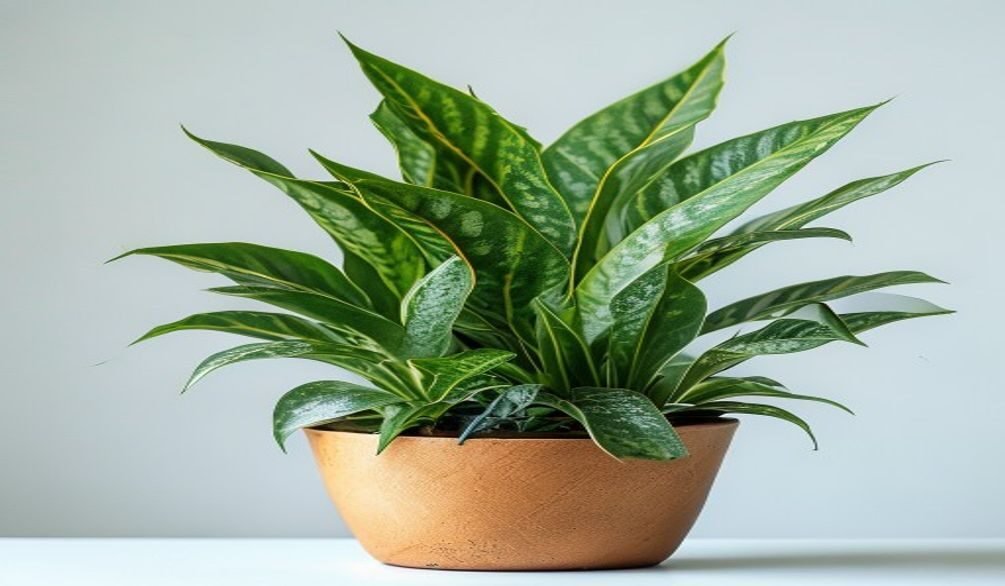
The duration indoor plants can survive without water varies significantly based on the plant type, pot material, and environmental conditions. Some plants, like the popular snake plant (Sansevieria) or ZZ plant (Zamioculcas zamiifolia), are naturally more drought-tolerant and can easily survive for several weeks, according to Andrew Parwol, founder of Garden Centre Shopping. Others, especially those in smaller terracotta pots or exposed to direct Mumbai summer sun, might struggle after just a few days.
Here’s the thing: a small herb like pudina in a tiny plastic pot on a Delhi balcony in May (40°C+) might only last a day or two without water. But that same pudina in a larger terracotta pot, moved to a shadier spot, could stretch it to 3-4 days. It’s all about context. The type of pot matters too; my neighbour grew tomatoes in a black plastic pot on her Mumbai terrace and got nothing two summers in a row. When she switched to a terracotta pot with the same soil mix, she got her first harvest in 8 weeks. Black plastic heats up to a scorching 55°C in direct sun, silently cooking the roots.
Factors affecting water retention:
- Plant Species: Succulents and cacti can go much longer than thirsty foliage plants like ferns.
- Pot Material: Terracotta pots are breathable and dry out faster than plastic pots.
- Pot Size: Smaller pots hold less soil and, therefore, less moisture.
- Temperature and Humidity: Hot, dry conditions (like Indian summer heat) accelerate water evaporation. High humidity (like monsoon season) slows it down.
- Light Exposure: Plants in brighter, sunnier spots transpire more quickly, using up water faster.
What to do with plants when going on holiday?
When planning your holiday, the first step for your plants is a good soak and a strategic relocation. Giving them a thorough watering just before you leave is non-negotiable, and then moving them to a cooler, shadier spot will significantly reduce their water needs. Barrie, an expert at Swansons Nursery, suggests “watering everything really well before you leave and placing your pots on a humidity tray (a shallow tray filled with pebbles and water).”
You’ll find that simple adjustments make a huge difference in how to keep indoor plants alive on vacation. Moving your hanging baskets, which dry out notoriously fast, to a covered porch in the shade can protect them from sun and wind, as recommended by Katy, Perennial Plant Buyer at Swansons Nursery. Leslie, COO at Swansons Nursery, takes this a step further by setting her hanging baskets in a saucer filled with water, allowing them to soak up moisture from below for several days.
Essential steps for vacation plant care:
- Thorough Watering: Water all your plants deeply until water drains from the bottom. Do this a few hours before you leave, allowing excess water to drain.
- Relocate to Shade: Move plants away from direct sunlight and windows. A bathroom or a north-facing room can be ideal, as reduced light means less water loss.
- Group Plants: Clustering plants together creates a microclimate with higher humidity, slowing down evaporation for everyone.
- Humidity Trays: Place pots on trays filled with pebbles and a little water, ensuring the pot bottoms aren’t sitting directly in the water to prevent root rot. This boosts ambient humidity.
- Remove Flowers and Buds: Pinch off any flowers or buds, as they require significant energy and water to maintain.
- Skip Fertilizer: Kaitlin Mitchell, founder of Rutabaga Tools, advises skipping plant nutrients before a vacation, as “the nutrients will support growth and require energy,” and “avoiding fertilizer will help them grow slower.”
How do you keep plants watered for 2 weeks?
To successfully keep plants watered for two weeks, especially during the Indian summer, you’ll want to implement some reliable self-watering methods beyond just a good initial soak. Self-watering planters are a fantastic option, as they can keep moisture steady for up to two weeks.
In my experience, simply relying on a deep watering for two weeks in a hot climate like Pune or Chennai is risky. You might have heard that just moving plants to the shade is enough for a week or two. In practice, for two weeks, especially if it’s hot, that’s often not enough — the soil will dry out, particularly in smaller pots. What actually works better is combining shade with a passive watering system.
Effective methods for two-week absences:
- Wicking Systems: This DIY plant watering method involves placing a large water reservoir (like a bucket) higher than your plants and running cotton wicks (like old t-shirt strips) from the water into the soil of each pot. The water slowly wicks up to the plant roots. Drip Depot offers an Automated Vacation Plant Watering Kit that uses 1/4″ poly tubing for easy setup, a more sophisticated version of this concept.
- Self-Watering Globes/Spikes: These decorative glass or terracotta globes are filled with water and inverted into the soil, slowly releasing moisture as the soil dries. Brands like Tomorotec offer clear glass self-watering spikes, which are hand-blown and allow you to see the water level. You can find these for around ₹200-₹500 for a set of two or three at local nurseries or online on Ugaoo.
- Bathtub/Sink Method: If you have a few plants, you can place them in a few inches of water in a bathtub or sink lined with a towel to prevent scratching. The plants will absorb water through their drainage holes. Just make sure the water level is below the top of the soil to avoid waterlogging.
- Self-Watering Pots: These planters have a built-in reservoir at the bottom that the plant draws water from as needed. They are excellent for consistent moisture and can last up to two weeks or even longer depending on the reservoir size and plant. Back to the Roots offers a Self-Watering Terra-Cotta Olla Pot, which is a great example of this.
How can i water my plants while on vacation for a month?
Watering your plants for a full month on vacation requires more robust and automated solutions than shorter trips. You’ll need systems that can hold a larger water supply and deliver it consistently over an extended period. This is where automatic plant waterer systems really shine.
For a month-long trip, you can’t just cross your fingers; you need a strategy for how to keep indoor plants alive on vacation that’s foolproof. I once lost a container plant during the monsoon because I assumed the rain was enough. My balcony roof blocked all the rain, and the soil was bone dry while the ground around it was soaked. It taught me that container plants on covered balconies still need watering, even in monsoon, and for a month away, you need a system, not an assumption.
Long-term watering solutions:
- Automatic Drip Irrigation Systems: These systems are designed for longer durations and can be programmed to water plants on a schedule. Brands like Kollea, LetPot, and Sainlogic offer smart watering systems that can automate plant care, often monitoring soil moisture. Some even come with large water tanks, like the Spider Farmer automatic drip irrigation system with an 8-outlet drip emitter and a 13-gallon water tank, perfect for a month away. These range from ₹2500 to ₹8000 depending on features.
- Watering Crystals (Hydrogel): Adding water-storing crystals to your potting mix can significantly extend the time between waterings. These hydrogel crystals absorb many times their weight in water and slowly release it back into the soil. Miracle Gro Water Storing Crystals have been cited as effective. Mix them into the soil before planting or gently work them into the top layer of existing pots.
- Professional Plant Sitter: Honestly, for a month, if you have a particularly valuable collection or delicate plants, hiring a friend or a professional plant sitter is the most reliable option. They can physically check the soil and adjust watering as needed.
For those interested in long-term solutions for larger setups, exploring options like hydroponic plant support might even give you ideas for automated nutrient delivery if you’re feeling adventurous after your trip!
What are the best self-watering systems for vacation?
The best self-watering systems for vacation depend on your budget, the duration of your trip, and the number of plants you have. From simple, inexpensive globes to more advanced automated setups, there’s a solution for every gardener looking for how to keep indoor plants alive on vacation.
Automatic plant waterer prices can vary widely, ranging from under ₹1200 for simple glass bulbs to around ₹4000 for more sophisticated smart irrigation systems. Most automatic watering systems are designed to water plants for one to two weeks or longer, depending on the system type.
| System Type | Pros | Cons | Ideal For | Cost Estimate (INR) |
|---|---|---|---|---|
| Wicking System (DIY) | Very low cost, customizable, effective for multiple plants. | Requires setup, can be messy, water flow can be inconsistent if not set up well. | Budget-conscious gardeners, 1-2 weeks. | ₹50-₹200 (for rope/wick) |
| Self-Watering Globes/Spikes | Easy to use, decorative, good for individual plants. | Limited water capacity, not ideal for very large plants or long trips. | Short trips (up to 1 week), small to medium plants. | ₹200-₹500 (per 2-3 pieces) |
| Self-Watering Planters | Integrated reservoir, consistent watering, neat appearance. | Requires repotting, can be expensive for many plants. | Any duration, ideal for plants needing consistent moisture. | ₹300-₹1500 (per pot) |
| Olla Pots | Natural clay releases water slowly, encourages deep root growth. | Fragile, limited capacity, best for larger pots. | 1-2 weeks, drought-tolerant houseplants, larger plants. | ₹400-₹1000 (per pot) |
| Automatic Drip Systems | Programmable, large water capacity, suitable for many plants. | Higher initial cost, requires power source, some setup complexity. | Long trips (2 weeks to a month+), multiple plants, precision watering. | ₹2500-₹8000+ |
How to prepare indoor plants before vacation?
Preparing your indoor plants before you leave for vacation is crucial for their survival, regardless of the watering method you choose. This isn’t just about watering; it’s about minimizing stress and maximizing their ability to conserve moisture. Mark Thompson, co-owner of Shoppe and a garden expert, suggests that for three or four days, “just by moving them out of the full sun, you could potentially keep them from getting wilted.”
You’ll quickly find that a little pre-trip effort goes a long way in how to keep indoor plants alive on vacation. For example, my standard practice before leaving my Mumbai balcony for even a week is to move all my small container plants, like my lal mirch, into the shadiest corner, away from the afternoon sun. I’ve seen too many plants crisp up on a sunny balcony in just a few days.
Pre-vacation plant care checklist:
- Prune Dead or Dying Foliage: Remove any yellowing leaves or spent flowers. This reduces the plant’s energy expenditure and water needs.
- Deep Watering: Give all your plants a thorough drink a few hours before you depart.
- Relocate to Cooler, Shadier Spots: Move plants away from windows, direct sunlight, and heat sources. Grouping them together also helps create a humid microclimate.
- Consider Potting Material: If you have plants in very small terracotta pots, consider repotting them into slightly larger plastic pots or placing the terracotta pot inside a larger decorative pot to slow evaporation.
- Add Mulch: A layer of mulch (like cocopeat or wood chips) on top of the soil can significantly reduce water evaporation.
- Avoid Fertilizing: As Kaitlin Mitchell advises, skip the fertilizer. You want to slow down growth, not encourage it.
- Pest Check: Inspect your plants for any signs of pests. Treat any infestations before you leave, as stressed plants are more susceptible.
One contrarian point I always make: you might have heard to water on a fixed schedule. In practice, that’s one of the worst habits an Indian balcony gardener can have — soil dries at completely different rates in summer versus monsoon, morning versus afternoon sun, terracotta versus plastic pots. Always check the soil with your finger, never follow a calendar. This hands-on approach is key to understanding your plants’ true needs.
How to revive plants after vacation?
Even with the best preparation, sometimes plants come back looking a little worse for wear after your vacation. Don’t panic; most plants are surprisingly resilient and can be revived with the right care. The key is to address their immediate needs without overdoing it.
You’ll likely be wondering how to keep indoor plants alive on vacation, but the return is just as important! When you get back, your plants might be thirsty, but don’t drown them. A common mistake is to overwater a stressed plant, which can lead to root rot.
Steps for post-vacation plant revival:
- Assess the Damage: First, check each plant. Are leaves yellow, crispy, or wilted? Are there any signs of pests?
- Gradual Watering: Give thirsty plants a good, deep drink, but don’t let them sit in standing water. If the soil is extremely dry and hard, let the pot sit in a tray of water for 30 minutes to an hour so it can absorb water from the bottom up.
- Remove Dead Foliage: Prune away any completely dead or crispy leaves and stems. This helps the plant focus its energy on new growth.
- Return to Optimal Light: Slowly move plants back to their preferred light conditions. Avoid immediately placing a stressed plant in full, direct sun.
- Boost Humidity: If your plants look shriveled, mist them gently or place them near a humidifier for a few days.
- Hold Off on Fertilizer: Wait a week or two before fertilizing. Let the plant recover from the stress first.
- Monitor for Pests: Stressed plants are more vulnerable to pests. Keep an eye out for any new infestations.
Frequently asked questions
How long can indoor plants survive without light?
Indoor plants can survive without light for a few days to a week, but prolonged darkness will lead to etiolation (stretching for light) and eventual decline. While light is vital for photosynthesis, plants can tolerate short periods of darkness, according to horticultural principles. For vacations, reducing light is a strategy to slow growth and water usage, not eliminate it entirely.
Can i leave my plants outside while on vacation?
Leaving your plants outside on vacation depends entirely on your local climate and the plant species; it’s often riskier than keeping them indoors. Paul, a tree and shrub expert at Swansons Nursery, recommends “using soaker hoses and/or drip irrigation to deeply soak your plants as close to your departure as possible” for outdoor plants, and adding “a few inches of mulch to the top of the soil” to conserve moisture. For delicate indoor plants, outdoor conditions like direct sun, strong winds, or heavy monsoon rains can be detrimental.
Are self-watering globes effective for vacation plant care?
Yes, self-watering globes are effective for vacation plant care, especially for trips lasting up to a week or two, by slowly releasing water into the soil. These globes are widely available, with examples like the Tomorotec Clear Glass Self-Watering Spikes, which are hand-blown and allow for adjustable water flow. They are a convenient and aesthetically pleasing solution for individual pots.
How often should i water my plants before vacation?
You should water your plants thoroughly and deeply just once, a few hours before you leave for vacation, to ensure the soil is fully saturated. Overwatering immediately before departure can lead to root rot if the plants sit in soggy soil for days. This initial deep watering, combined with other preparatory steps, is key to how to keep indoor plants alive on vacation.
What are drought-tolerant houseplants that need less vacation care?
Drought-tolerant houseplants that require less vacation care include snake plants, ZZ plants, Pothos, and succulents like Aloe vera. Andrew Parwol, founder of Garden Centre Shopping, states that “some plants, like snake plants and ZZ plants, are naturally more tolerant of drought and can survive a longer period without attention.” These are excellent choices if you travel frequently or struggle with consistent watering.
Making sure your green friends are happy while you’re away doesn’t have to be a headache. By understanding how to keep indoor plants alive on vacation through smart preparation and the right self-watering solutions, you can enjoy your time off without worrying about coming home to a plant graveyard. Whether it’s a simple wicking system or a smart automatic plant waterer, there’s a solution that fits your needs and budget, letting you return to a thriving indoor garden.