Key Takeaways
- Flower gardening was the most popular gardening activity in 2023, according to RubyHome (2025).
- Over 31,000 acres of flowers were grown in the open in the U.S. in 2022, a 33% increase from 2017, reports the USDA, Economic Research Service (2024).
- Professional landscaping can boost property resale values by 10-20%, according to Raleigh Realty (2025).
- 55% of U.S. households, or 71.5 million, have a garden, states RubyHome (2025).
- Native plants should make up at least 70% of a landscape to benefit pollinators, advises Mary Phillips of the National Wildlife Federation.
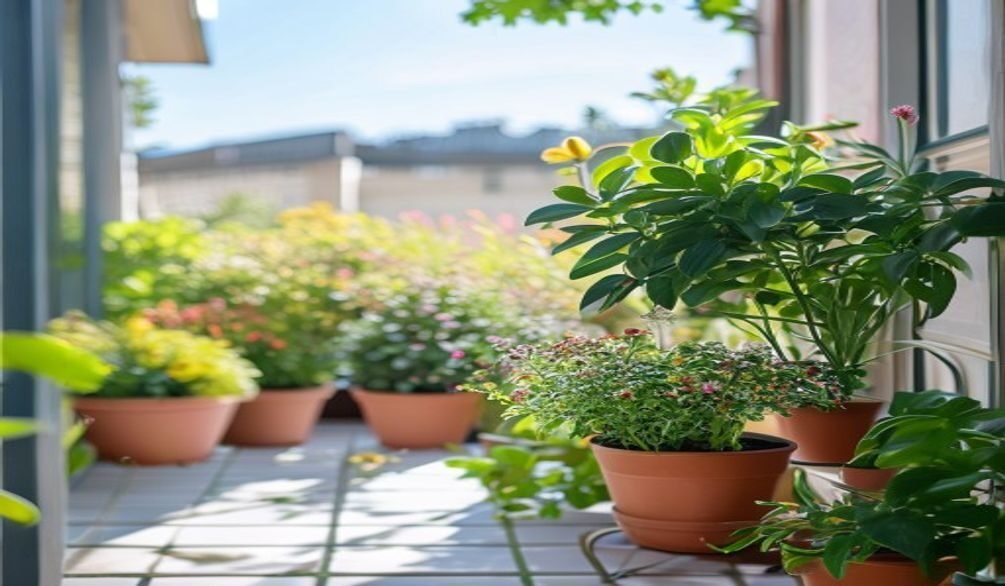
Ever felt that sting when your gorgeous marigolds wilt too soon or your vibrant petunias just don’t bloom like they should, especially after all that effort under the Indian sun? You’re not alone. Many of us urban gardeners in places like Pune or Bangalore face similar challenges, which is why understanding common flower gardening mistakes to avoid is crucial for a thriving balcony or terrace garden.
Quick Answer: To avoid common flower gardening mistakes, prioritize proper planning, select plants suited to your climate and soil, ensure correct watering and spacing, and perform regular maintenance like mulching and deadheading. Addressing these areas will lead to more successful blooms.
What are common flower-growing mistakes?
Common flower-growing mistakes often involve overlooking fundamental plant needs, from choosing the wrong variety to improper care, leading to disappointing results. In 2023, flower gardening was the most popular activity among U.S. households, according to RubyHome (2025), which means a lot of people are out there trying their hand and sometimes struggling.
It’s easy to get excited and just start planting. But I’ve seen countless gardeners in Delhi and Mumbai struggle with plants that simply aren’t suited for their intense summer heat or monsoon humidity. The biggest flower gardening mistakes to avoid often boil down to a lack of planning and understanding your specific environment.
- Ignoring light requirements: Planting sun-loving hibiscus in a shady corner, or shade-preferring impatiens in full, scorching afternoon sun.
- Poor soil preparation: Just using any old soil from your backyard can be a recipe for disaster.
- Incorrect watering: Both too much and too little water can quickly kill your flowers.
- Overcrowding plants: Giving your plants too little space restricts air circulation and nutrient uptake.
- Neglecting maintenance: Skipping deadheading or forgetting to mulch can severely impact bloom production and plant health.
What is the most common mistake of first-time gardeners?
The most common mistake of first-time gardeners is often overwatering, which can quickly lead to root rot and plant death. Andrew Bunting, Vice President of Horticulture at the Pennsylvania Horticultural Society, highlights that people often give their flowers “too much water,” a kindness that unfortunately harms them.
I can tell you, I made this mistake countless times when I first started my balcony garden in Chennai. You see your plants looking a bit droopy and your immediate thought is, “Oh, they must be thirsty!” So you water them again. But often, droopy leaves can also be a sign of too much water, as the roots are suffocating. It’s a classic example of flower gardening mistakes to avoid if you want your blooms to survive.
Another big one? Not checking the roots when you buy plants. University of California Master Gardener Denà Brummer advises everyone to “check the roots” because root-bound plants from the nursery can struggle to establish themselves. You’ll often find this with cheap plants at local nurseries; they’ve been sitting in tiny pots for too long. Always gently pull the plant out of its nursery pot to inspect the roots before buying.
How can i make my flower garden more successful?
You can make your flower garden more successful by prioritizing thoughtful plant selection, preparing your soil properly, establishing a consistent watering schedule, and committing to regular, simple maintenance tasks. Professional landscaping and well-maintained gardens can actually boost property resale values by 10-20%, according to Raleigh Realty (2025), showing just how much impact a healthy garden has.
Success isn’t about having a green thumb as much as it is about avoiding the basic flower gardening mistakes to avoid. It’s about being observant and responsive to your plants’ needs. For instance, in my own experience, I lost my entire coriander crop in May when I sowed it directly in a south-facing balcony pot during peak summer. The soil hit 45°C by afternoon, frying the seedlings within four days. The fix was simple: I moved the next attempt to a spot that got morning sun only with afternoon shade, and I got a full harvest.
Here are some key steps for success:
- Plan your layout: Consider sun exposure, mature plant size, and color schemes.
- Test your soil: Know your soil’s pH and nutrient levels to amend it correctly.
- Water wisely: Feel the soil moisture before watering, and water deeply less often.
- Feed your plants: Use organic compost or a balanced fertilizer appropriate for flowering plants.
- Deadhead regularly: Remove spent blooms to encourage more flowers.
Are you choosing the right plants and location?
Choosing the right plants and location is arguably the most critical step in preventing common flower gardening mistakes to avoid, as a plant’s success largely depends on matching its needs to your garden’s conditions. This often means looking beyond just beauty and considering the practicalities of your specific Indian climate.
Everyone tells beginners to start with “easy plants”—but easy is relative to your specific balcony conditions. A north-facing balcony in Bangalore and a south-facing terrace in Delhi need completely different starter plants. Location matters more than any generic “difficulty rating.” For instance, a gorgeous Gerbera daisy (barberton daisy) might thrive in Bangalore’s mild climate but would struggle immensely in Delhi’s scorching summer unless given significant afternoon shade.
Consider these factors:
- Sunlight: How many hours of direct sun does your spot get? Is it morning sun, afternoon sun, or dappled shade? For example, Bougainvillea loves full sun, while Money Plant (Pothos) prefers indirect light.
- Climate zone: Are you in a humid coastal city like Mumbai, or a drier, hotter inland area like Nagpur? This affects everything from watering frequency to pest susceptibility.
- Mature size: Don’t just look at the plant in its nursery pot. Will it eventually outgrow your space, or overshadow smaller plants?
- Native plants: Mary Phillips, head of Native Plant Habitat Strategy at the National Wildlife Federation, emphasizes that “Native plants are the foundation of pollinator habitat because they have evolved alongside local wildlife over thousands of years.” She recommends striving for landscapes that are “at least 70% native plants” for the greatest benefit. For Indian gardeners, this means looking at local varieties of Hibiscus, Mogra (Jasmine), or even some types of Marigolds that are well-adapted.
What should i avoid in garden soil?
When preparing your garden soil, you should avoid heavy, compacted clay, overly sandy soil that drains too quickly, and soil lacking organic matter, as these conditions hinder root development and nutrient uptake. Neglecting soil preparation is one of the biggest flower gardening mistakes to avoid.
Good soil is the foundation for healthy flowers, yet many beginners just grab whatever soil is cheapest or most convenient. Here’s what you definitely want to steer clear of:
- Pure red soil (murrum): Common in many parts of India, this soil type is often very dense and drains poorly when used alone, suffocating roots.
- Soil from construction sites: This can be compacted, sterile, and full of debris or chemicals.
- Soil with too much sand: While some sand aids drainage, too much means water and nutrients just wash right through, leaving your plants thirsty and hungry.
- Soil with insufficient organic matter: Flowers need nutrients, and organic matter (like compost or well-rotted cow dung manure) improves soil structure, water retention, and provides a slow release of food.
Instead, aim for a well-draining, nutrient-rich potting mix. For my balcony garden, I usually mix equal parts good quality garden soil, coco peat (I prefer Cocogreen brand), and vermicompost or well-rotted cow dung manure. This blend gives good drainage, retains moisture, and provides essential nutrients. It’s available at local nurseries for around ₹80–150 per bag, depending on the quality.
Are you watering your flowers correctly?
Watering your flowers correctly means providing the right amount of water at the right frequency, tailored to the plant’s needs, weather conditions, and soil type, preventing both underwatering and overwatering. Over 31,000 acres of flowers were grown in the open in the U.S. in 2022, a 33% increase from 2017, according to the USDA, Economic Research Service (2024), highlighting the massive scale of flower cultivation where proper watering is critical.
This is probably the trickiest part of gardening, especially with India’s varied climate. One day it’s scorching, the next it’s humid pre-monsoon. You’ll find that improper watering is one of the most common flower gardening mistakes to avoid.
Here’s a simple guide to correct watering:
| Season/Condition | Watering Frequency (General) | Key Observation |
|---|---|---|
| Indian Summer (40°C+) | Once or twice daily | Soil dries out very quickly; check by mid-morning. |
| Monsoon (June-September) | Once every 2-3 days, or as needed | Rainfall often provides enough; check soil before watering. |
| Winter (North India) | Once every 3-5 days | Cooler temps mean less evaporation; be careful not to overwater. |
| Container Plants | More frequently than in-ground | Pots dry faster; lift small pots to feel weight. |
Always stick your finger about an inch or two into the soil. If it feels dry, it’s time to water. If it’s still damp, wait. And when you do water, make sure it drains out the bottom of the pot. This ensures the roots get a deep drink and flushes out any salt buildup.
How important is garden maintenance?
Garden maintenance is incredibly important for the continuous health, vigor, and bloom production of your flowers, transforming a struggling patch into a vibrant display. Neglecting simple tasks can quickly turn your efforts into a list of flower gardening mistakes to avoid.
Think of it like this: you wouldn’t just build a house and never clean it, right? Your garden needs ongoing care too. Regular maintenance prevents many common gardening problems before they become major issues. This includes tasks like weeding, mulching, and deadheading.
The power of mulching
Mulching flower beds is a game-changer, especially in India’s hot climate. A 2-3 inch layer of organic mulch (like wood chips, dried leaves, or even coco peat) around your plants helps in several ways:
- Retains soil moisture: Reduces evaporation, meaning you water less often. This is huge during the pre-monsoon heat.
- Suppresses weeds: Blocks sunlight, making it harder for weeds to sprout and compete with your flowers for nutrients. If you want to beat weeds in your flower garden, mulch is a fast way to win.
- Regulates soil temperature: Keeps roots cooler in summer and warmer in winter.
- Adds nutrients: Organic mulches break down over time, enriching the soil.
Why deadheading matters
Deadheading flowers importance cannot be overstated. When a flower fades, the plant puts energy into forming seeds. By snipping off these spent blooms (deadheading), you trick the plant into producing more flowers instead of seeds. This extends your blooming season significantly for plants like marigolds, petunias, and roses. Grab a good pair of pruning shears, like those from Felco or ARS Pruners, and make clean cuts.
How to prevent overcrowding in your flower beds?
To prevent overcrowding in your flower beds, always consider the mature size of your plants and provide adequate spacing during planting, which ensures proper air circulation, sunlight exposure, and nutrient access for each individual flower. Overcrowding is another common one of those flower gardening mistakes to avoid that can lead to disease and stunted growth.
Lindsey, a gardening expert, rightly notes that “crowding plants is another mistake I made. When flowers are too close together, some might not get enough sun or nutrients. Air circulation between them will also be bad, which can lead to mold or mildew.” I’ve seen this happen with my own eyes on many a terrace garden in Bangalore where enthusiasm overtakes practical spacing. You want a lush look, but a dense jungle isn’t always healthy.
Here’s a simple plant spacing guide:
- Read plant tags: These usually tell you the recommended spacing and mature width. Don’t eyeball it; actually measure.
- Consider air circulation: Good airflow helps prevent fungal diseases, which are particularly prevalent during India’s monsoon season.
- Nutrient competition: Too many plants in a small area means they’re all fighting for the same limited food and water. This is especially true in containers.
- Sunlight access: Taller, bushier plants can easily shade out smaller ones if planted too closely, depriving them of the light they need to bloom.
When I first started growing tomatoes in a “15-liter grow bag” I bought online, I quickly learned a hard lesson. It only held 9 liters when filled properly because the sides were too thin to stand upright. The inadequate root volume meant a wasted season of tomatoes. Now, I only buy grow bags from physical nurseries like Bhavani Nursery where I can check the material thickness and actual capacity. This applies to flowers too: ensure your containers are big enough and your in-ground plants have room to breathe.
Frequently asked questions
What is the most common mistake of first-time gardeners?
The most common mistake of first-time gardeners is often overwatering, which suffocates roots and causes droopy leaves that can be mistaken for thirst. Andrew Bunting of the Pennsylvania Horticultural Society points out that giving too much water is a common, yet detrimental, “kindness.” Always check soil moisture with your finger before watering again.
How can i make my flower garden more successful?
To make your flower garden more successful, focus on proper planning, selecting climate-appropriate plants, and consistent care. Well-maintained gardens can boost property values by 10-20%, according to Raleigh Realty (2025), underscoring the benefits of a thriving garden. Regular deadheading and mulching are simple steps that yield big results.
What should i avoid in garden soil?
You should avoid heavy clay, overly sandy soil, and soil lacking organic matter in your garden. These conditions inhibit root growth and nutrient absorption, making it one of the key flower gardening mistakes to avoid. Aim for a balanced mix with plenty of compost or vermicompost for optimal health.
What are common flower-growing mistakes?
Common flower-growing mistakes include improper plant selection for your climate, poor soil preparation, incorrect watering, overcrowding, and neglecting regular maintenance. Flower gardening was the most popular activity in 2023, with 55% of U.S. households participating, according to RubyHome (2025), highlighting the widespread nature of these challenges. Addressing these issues can significantly improve your blooms.
How important is garden maintenance?
Garden maintenance is crucial for the vitality and continuous blooming of your flowers, ensuring they remain healthy and productive. Tasks like weeding, mulching, and deadheading prevent common problems and promote new growth. Neglecting these can quickly lead to a host of issues, making maintenance a key area for avoiding flower gardening mistakes.
By understanding and actively working to prevent these common flower gardening mistakes to avoid, you’re setting yourself up for a much more rewarding experience. It’s not about having a magic touch, but about learning from others’ experiences — and your own!— and applying smart practices. So go ahead, grab your trowel, and transform your balcony or terrace into that vibrant, blooming paradise you’ve always dreamed of. Happy gardening!