Key Takeaways
- Gardening time and spending in 2025 reached the highest rates since 2022, according to Axiom (2026).
- 49.5% of gardeners spent more money in 2025, marking an 11.5% increase from 2024, according to Axiom (2026).
- A record 63.6% of gardeners planned to expand their gardens in 2026, according to Axiom (2026).
- Flower gardening was the most popular gardening activity in 2023, according to the National Garden Bureau (2023).
- Preparing soil correctly can prevent up to 72% of plant failures, according to Penn State Extension (2023).
Most Indian balcony gardeners get a bit disheartened when their first attempts at a vibrant flower display fizzle out under the harsh summer sun or drown during the monsoon, but getting started with flower gardening for beginners doesn’t have to be a frustrating guessing game. It’s totally possible to create a stunning, thriving flower garden even in small urban spaces like balconies and terraces, and we’re here to give you some expert tips that actually work for Indian conditions. We’ll walk you through the essential steps, from soil prep to long-term planning, so your first flower garden flourishes beautifully.
Quick Answer: To begin flower gardening, select a sunny location with well-draining soil, amend it with compost, choose appropriate plants for your climate, and practice consistent watering, weeding, and deadheading for vibrant blooms.
Why is soil preparation crucial for flower gardening success?
Soil preparation is absolutely crucial for flower gardening success because it provides the foundational environment your plants need to thrive, ensuring proper drainage, aeration, and nutrient availability. In fact, preparing the soil correctly can prevent up to 72% of plant failures, according to Penn State Extension (2023). It’s not just about dumping some soil in a pot; it’s about building a home for your roots.
Think of it this way: healthy roots mean healthy flowers. If your soil is too compact, roots can’t breathe or spread, leading to stunted growth. If it drains too quickly, nutrients wash away. My personal experience taught me this lesson the hard way. I lost my entire dhania crop in May 2022 after sowing directly in a pot on my south-facing balcony. The soil hit 45°C by afternoon, and the seedlings fried within four days. The fix was simple: better soil with more organic matter, and moving the pot to morning sun only with afternoon shade. The next attempt yielded a full harvest.
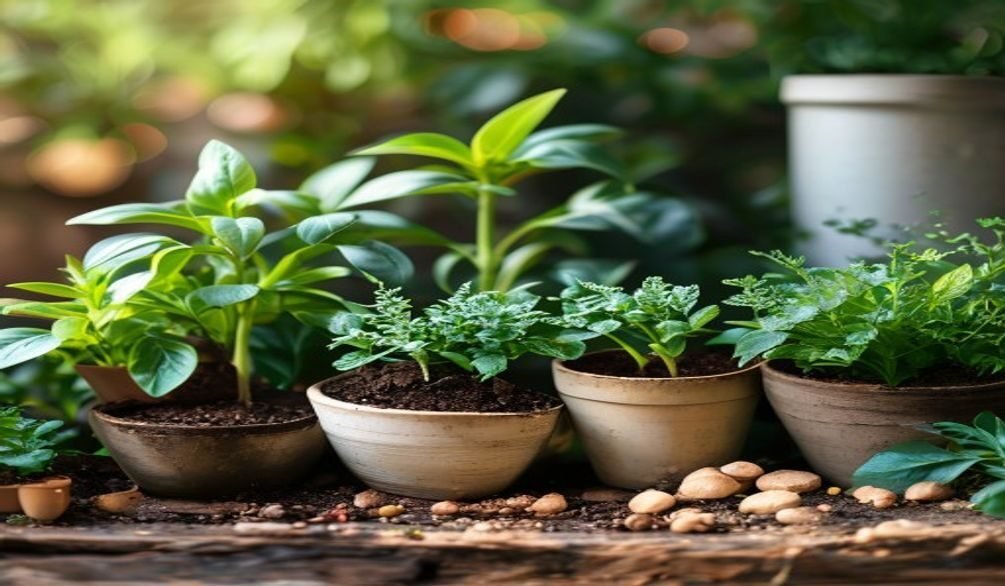
For ideal soil, you want a mix that retains moisture but still drains well. Here’s a simple recipe for a great potting mix, perfect for flower gardening for beginners:
* Garden Soil: 40% (if you have access to good quality garden soil)
* Compost/Vermicompost: 30% (this is your nutrient powerhouse)
* Cocopeat: 20% (helps retain moisture and keeps the mix light)
* Perlite/River Sand: 10% (improves drainage and aeration)
You can find all these components at local nurseries or online on sites like Ugaoo or Nurserylive. Adding a handful of neem cake powder can also help deter soil-borne pests. Jenny Rose Carey, a horticulture expert, consistently advises that preparing the soil is one of the most crucial steps for growing flowers, and I couldn’t agree more.
How do you choose the right flowers for your climate and space?
Choosing the right flowers for your specific climate and available space is the key to a flourishing garden, ensuring your plants naturally thrive without constant intervention. You might have heard beginners should start with “easy plants,” but honestly, “easy” is relative to your specific balcony conditions. A north-facing balcony in Bangalore needs completely different starter plants than a south-facing terrace in Delhi. Location matters more than a generic difficulty rating.
Consider your sun exposure first. Most flowering plants need at least 6-8 hours of direct sunlight daily to produce abundant blooms. If your balcony gets less, opt for shade-tolerant flowers. Then, factor in your local climate:
* Indian Summer Heat (40°C+): Marigolds (Genda), Zinnia, Portulaca (Moss Rose) are incredibly resilient.
* Monsoon (June-September): Balsam, Cosmos, and Vinca can handle the humidity and intermittent rain, but ensure good drainage to prevent root rot.
* North Indian Winters: Petunias, Pansies, Calendula, and Dahlias thrive in cooler temperatures.
When it comes to space, container gardening is a fantastic option for flower gardening for beginners in urban settings. Compact varieties like Dwarf Marigolds or Salvia ‘Vista Red’ work wonderfully in pots. For a vibrant display, consider a mix of annuals (flowers for one season) and perennials (flowers that return year after year).
| Flower Type | Best for Indian Climate | Space Suitability |
|---|---|---|
| Marigold (Genda) | Summer, Monsoon | Pots, Beds |
| Zinnia | Summer, Monsoon | Pots, Beds |
| Petunia | Winter (North), Mild (South) | Hanging Baskets, Pots |
| Portulaca | Hot Summer | Pots, Ground Cover |
| Balsam | Monsoon, Mild Summer | Pots, Beds |
What are the dos and don'ts of watering and fertilizing?
Watering and fertilizing correctly are vital for healthy flower growth, but doing too much or too little can quickly harm your plants. Overwatering is a super common mistake, especially during the monsoon, and it can quickly lead to root rot. You’re not alone in finding this hard! The trick is to feel the soil: stick your finger about an inch or two deep. If it feels dry, it’s time to water. If it’s still damp, wait. Jenny Rose Carey emphasizes the importance of monitoring plants daily without “mollycoddling” them, and this really applies to watering.
Here are some dos and don’ts for watering and fertilizing your beginner flower garden:
* Do water deeply and less frequently. This encourages roots to grow deeper, making plants more resilient. Water until you see it drain from the bottom of the pot.
* Don’t water on a fixed schedule. Your plants’ water needs change based on weather, pot size, and plant type. Water every 2 days in summer, but maybe only once in 5 days during the monsoon in Mumbai’s humidity.
* Do fertilize regularly but moderately. Flowering plants are heavy feeders, especially during their blooming period. Use a balanced liquid fertilizer (like NPK 19-19-19) every 2-3 weeks, or a slow-release granular fertilizer every 2-3 months. Dilute liquid fertilizers to half strength for young plants.
* Don’t over-fertilize. Too much fertilizer can burn roots and lead to lush green foliage but no flowers. Yellowing or browning leaf tips are often a sign of over-fertilization. P. Allen Smith, a garden expert, lists fertilizing as one of the five key strategies for summer flower garden maintenance.
* Do use organic options. For flower gardening for beginners, diluted cow dung manure liquid or compost tea are excellent, gentle, and budget-friendly choices.
How and when do you deadhead flowers for continuous blooms?
Deadheading flowers is the simple act of removing spent or faded blooms, which redirects the plant’s energy from seed production back into creating more flowers, ensuring a continuous and vibrant display. Most people feel exactly this way: “Why would I cut off a perfectly good flower, even if it’s dying?” But trust me, it’s a game-changer. Monty Don, the BBC Gardeners’ World presenter, recommends regularly picking sweet pea flowers to extend their flowering season, noting that removing seed pods diverts energy from bloom production.
Here’s how to do it effectively:
1. Identify spent blooms: Look for flowers that are wilting, browning, or have lost their vibrant color.
2. Locate the next bud or leaf node: Find the point on the stem where a new leaf or flower bud is emerging, or where the stem branches off.
3. Snip above it: Use clean, sharp shears or your fingers to pinch off the faded flower just above that new growth point. This encourages the plant to put energy into the new growth rather than forming seeds.
Deadheading is particularly important for annuals like Marigolds, Petunias, and Zinnias, as it significantly extends their flowering season. For perennials, it can encourage a second flush of blooms. For example, if you deadhead your Rose plants regularly, they’ll keep producing more buds throughout the season. Jenny Rose Carey also emphasizes understanding when to deadhead for continued blooms, making it a crucial skill for flower gardening for beginners.
What are some budget-friendly ways to start a flower garden?
Starting a flower garden doesn’t have to break the bank; there are plenty of smart ways to keep costs down while still achieving beautiful results. Many beginners might be looking for ways to start a flower garden without a significant initial investment, and it’s totally doable. This is especially true when you’re just dipping your toes into flower gardening for beginners.
Here are some wallet-friendly tips:
* Start from Seeds: Buying seed packets is vastly cheaper than buying established plants. A packet of Marigold seeds might cost ₹20-₹50 and give you dozens of plants, whereas one small plant could be ₹40-₹80. Just make sure you’re buying garden seeds from a reputable seed shop or online store, not cooking seeds from a kirana store. A friend once tried growing methi from kirana store seeds, and the germination rate was a dismal 15%. Switched to Sarpan or Indo-American seeds, and got over 80% germination. Cooking seeds and garden seeds are not the same thing!
* Propagate from Cuttings: Many flowering plants like Roses, Hibiscus, and Bougainvillea can be easily grown from stem cuttings. Ask a friend or neighbor for a few cuttings – it’s free!
* DIY Compost: Instead of buying bags of compost, start your own compost pile or bin using kitchen scraps and garden waste. This provides rich, free soil amendment.
* Recycle Containers: Don’t rush to buy fancy pots. Old plastic bottles, buckets, or even broken plastic furniture can be repurposed into planters. Just ensure they have drainage holes!
* Seed Swaps: Connect with local gardening groups or online communities for seed swaps. You can exchange seeds you have for varieties you want to try, expanding your garden for free.
How can beginners plan for a multi-year flower garden?
Planning for a multi-year flower garden involves selecting a mix of annuals and perennials, understanding their life cycles, and strategically planting to ensure continuous blooms and growth over several seasons. Most articles focus on the initial setup, but thinking long-term right from the start can save you effort and money later on. A record 63.6% of respondents in a 2025 study stated they will plant more and expand their gardens in 2026, according to Axiom (2026), showing a clear trend towards long-term gardening.
Here’s how to approach multi-year planning for flower gardening for beginners:
* Embrace Perennials: Integrate perennial flowers into your design. These plants, like Roses, Lilies, or some varieties of Hibiscus, return year after year, saving you the hassle of replanting. While they might cost more upfront (₹80-₹200 per plant at local nurseries), their longevity makes them cost-effective over time.
* Self-Seeding Annuals: Some annuals, like Cosmos or Marigolds, are prolific self-seeders. If you let a few flowers go to seed at the end of the season, they’ll drop seeds that might sprout next year, giving you “free” new plants.
* Divide and Conquer: Many perennial plants, such as Peace Lilies or some types of ornamental grasses, can be divided every few years. This means you can turn one plant into two or three, expanding your garden without buying new stock.
* Succession Planting: For annuals, plan to plant batches of seeds every few weeks during the growing season. This ensures that as one set of plants finishes blooming, another is just starting, providing continuous color.
What common mistakes should beginner flower gardeners avoid?
Beginner flower gardeners often make a few common mistakes that can lead to disappointment, but by being aware of them, you can easily sidestep these pitfalls for a more successful garden. You’re not alone if you’ve done some of these; we’ve all been there! Thomas Jefferson, despite his many accomplishments, considered himself a “young gardener” even at 68, showing that gardening is a lifelong learning process.
Here are some key mistakes to avoid:
* Ignoring Sunlight Requirements: This is a big one. Planting sun-loving flowers in a shady spot, or vice-versa, is a recipe for failure. Always check the plant tag for light needs. I’ve seen countless instances where people place sun-loving petunias in a perpetually shaded corner of a Pune balcony, wondering why they never bloom.
* Overwatering or Underwatering: We talked about this, but it’s worth repeating. Consistency is key. Don’t drown your plants, but don’t let them dry out completely either.
* Poor Soil Drainage: If your pots don’t have drainage holes, or your soil mix is too heavy, water will sit and rot the roots. This is a quick way to kill any plant, no matter how easy it’s supposed to be for flower gardening for beginners.
* Planting Too Closely: Flowers need space to grow, both above and below ground. Overcrowding leads to competition for nutrients, light, and air, making plants weaker and more susceptible to diseases. Give them room to breathe!
* Not Deadheading: Skipping deadheading means your plants put energy into making seeds instead of more flowers. It’s like telling a factory to stop making its main product and switch to packaging.
Frequently asked questions
What are some tips for digging up and re-establishing plants in my garden?
To dig up and re-establish plants, first prepare the new planting site with well-draining, nutrient-rich soil. Dig a wide hole, then carefully loosen the plant from its current location, preserving as much of the root ball as possible. Replant immediately at the same depth, water thoroughly, and provide temporary shade to reduce transplant shock, as plants can lose up to 50% of their root system during transplanting, according to the University of California Agriculture and Natural Resources (2023).
How and when do i transplant seedlings?
Transplant seedlings when they have developed at least two sets of “true” leaves and are robust enough to handle the move, typically 3-6 weeks after germination. Gently loosen the soil around the seedling with a spoon or small trowel, lift it by its leaves (never the stem), and place it into its new, pre-prepared pot or garden bed. Always water them well immediately after transplanting to help settle the soil and reduce stress.
How do i save and store flower seeds?
To save flower seeds, allow the flowers to fully mature and dry on the plant, then collect the seed heads on a dry, non-humid day. Remove any chaff or debris, ensure the seeds are completely dry to prevent mold, and store them in airtight containers or paper envelopes in a cool, dark, and dry place. Properly stored seeds can remain viable for 1-5 years depending on the species, according to Purdue Extension (2023).
What are the dos and don’ts of deadheading flowers?
Do deadhead regularly to encourage more blooms, snipping just above a new leaf or bud for optimal regrowth. Don’t remove healthy foliage unnecessarily, as leaves are essential for photosynthesis, and avoid deadheading if you want the plant to produce seeds for next season. Deadheading is a key strategy for continuous blooms, according to garden expert P. Allen Smith.
What are some easy flowers to grow for beginners?
Some easy flowers for beginners in India include Marigolds (Genda), Zinnia, Portulaca (Moss Rose), and Cosmos, especially for summer and monsoon planting. These varieties are resilient, require minimal fuss, and offer vibrant blooms, making them perfect for your first flower garden. They are widely available at local nurseries for ₹40-₹80 per plant or as seed packets for ₹20-₹50.
So, there you have it – eight expert tips to get you started on your journey with flower gardening for beginners. Remember, every gardener, even the experts, started somewhere and made mistakes. The key is to learn from them, observe your plants, and enjoy the process. Don’t be afraid to experiment, especially with budget-friendly options, and you’ll soon find your balcony or terrace bursting with color. Happy gardening!