Key Takeaways
- One in every three bites of food humans eat depends on pollinating bees.
- Approximately 75% of the world’s food crops rely on pollinators for survival, according to various ecological studies.
- Bees are dying at a rate of 30% per year due to factors like habitat loss, according to environmental reports.
- Borage is consistently cited for its continuous flowering and exceptionally nectar-rich flowers, easily accessible to beneficial insects.
- Dill, Fennel, and Parsley serve as crucial host plants for swallowtail butterfly species.
Most Indian balcony gardeners want vibrant, healthy plants, but attracting beneficial insects like bees and butterflies can feel like another chore. Finding the best herbs for pollinators isn’t just about pretty flowers; it’s about creating a thriving mini-ecosystem right on your terrace or balcony. We’ll explore seven proven herb varieties that will turn your space into a buzzing, fluttering haven.
Quick Answer: The best herbs for pollinators include Borage, Lavender, Chives, Dill, Basil, Fennel, and Parsley. These varieties offer abundant nectar, pollen, and serve as host plants, attracting a diverse range of bees, butterflies, and other beneficial insects to your garden.
What herbs are good for pollinators?
The best herbs for pollinators are those that provide abundant nectar and pollen, or act as host plants for butterfly larvae. Borage, Lavender, Chives, Dill, Basil, Fennel, and Parsley are consistently top choices for creating a vibrant pollinator garden, according to UF/IFAS Gardening Solutions. These herbs don’t just look good; they’re packed with what beneficial insects need.
When you’re aiming to attract bees and butterflies, you’re essentially setting up a buffet for them. Think about what they eat: nectar for energy and pollen for protein. Some herbs go a step further and become nurseries for caterpillars, which is amazing. In my 10 years of growing on Indian balconies, I’ve seen these specific herbs make a huge difference in the number of bees and butterflies visiting, especially in my Pune terrace garden.
Here are seven of the absolute best herbs for pollinators:
- Borage (Borago officinalis): This herb is a pollinator powerhouse. Its continuous flowering and nectar-rich blue flowers are irresistible, especially to bees. Borage produces more nectar than most other plants, and it replenishes quickly, making it a constant food source.
- Lavender (Lavandula spp.): A classic for a reason. Lavender’s vibrant purple blooms are a well-known pollinator magnet, particularly for bees. It thrives in sunny spots, perfect for many Indian balconies.
- Chives (Allium schoenoprasum): Often overlooked, chives are an “absolute bee magnet,” according to many gardeners. Their bright, puffball flowers are attractive to both pollinators and us!
- Dill (Anethum graveolens): Beyond its culinary uses, dill is a fantastic host plant for swallowtail butterfly species. Let some go to flower, and you’ll see tiny caterpillars munching away.
- Basil (Ocimum basilicum): Especially varieties like African Blue Basil, with its clusters of small, vibrant purple flowers, basil blooms all season, attracting a steady stream of pollinators. Don’t prune all your basil flowers if you want to help the bees!
- Fennel (Foeniculum vulgare): Just like dill, fennel is a crucial host plant for swallowtail butterflies. Its feathery foliage also adds a lovely texture to your pollinator garden herbs.
- Parsley (Petroselinum crispum): Another culinary staple that doubles as a host plant for swallowtail butterflies. Letting parsley flower means you’re providing a home and food for future butterflies.
Why plant herbs for pollinators?
Planting best herbs for pollinators is incredibly important because pollinators are essential for our food supply and ecosystem health. One in every three bites of food humans eat is dependent on pollinating bees, highlighting their critical role. Without them, our plates would look very different.
Think about it: approximately 75% of the world’s food crops and 90% of wild plants rely on pollinators for survival, according to ecological studies. That’s a huge number! Bees, in particular, are currently dying at a rate of 30% per year due to factors like colony collapse disorder, reduced food sources, and habitat loss. By planting pollinator garden herbs, you’re not just beautifying your space; you’re actively contributing to a solution.
Beyond the big picture, having these beneficial insects buzzing around your garden has immediate perks. They help pollinate your other fruiting plants, like tomatoes or bhindi, leading to better yields. Plus, watching butterflies flutter by brings a unique sense of peace and connection to nature, even in a busy city like Mumbai. It’s a win-win, really.
Do culinary herbs attract pollinators?
Yes, many culinary herbs are excellent at attracting pollinators, especially when allowed to flower. Melissa Strauss, a beekeeper and pollinator enthusiast, emphasizes that “Many of the herbs we grow and love for their culinary use are also excellent food sources for pollinators and other beneficial insects.” This means you can enjoy fresh ingredients while supporting local wildlife.
It’s a common misconception that you have to choose between harvesting your herbs and helping pollinators. The truth is, you can do both! For instance, if you’re growing basil, you can harvest the leaves regularly for your cooking, but let a few plants go to seed and flower. Those flowers will become a magnet for bees. The same goes for dhania (coriander), dill, and chives.
In my experience, the trick is knowing which parts of the plant you need and planning your harvest. If you want seeds from coriander, let it flower. If you want leaves, pinch off flower buds sometimes, but always leave some for the bees. It’s about finding that balance. Most people skip this step, thinking flowering means the plant is done, but for pollinators, it’s just getting started.
Do bees like herb flowers?
Bees absolutely adore herb flowers, especially those that offer easily accessible nectar and pollen. UF/IFAS Gardening Solutions notes that “Many of our favorite herbs make excellent nectar sources if they are allowed to flower.” This makes herbs a fantastic choice for supporting bee populations.
Think about the structure of some herb flowers—like the tiny florets of borage or basil, or the open umbels of dill and fennel. These designs are perfect for bees of all sizes, from tiny native bees to larger honeybees. They can easily land, access the nectar, and collect pollen. Plus, many herbs have a long blooming season, providing a continuous food source for these busy insects.
I’ve personally seen my tulsi plant become a buzzing hub when it flowers during the post-monsoon season. It’s incredible how many different types of bees it attracts. Even a small pot of chives with its purple blooms can bring a surprising amount of activity to a Delhi balcony, proving you don’t need a huge garden to make a difference. These are truly some of the best herbs for pollinators.
How to grow pollinator-friendly herbs?
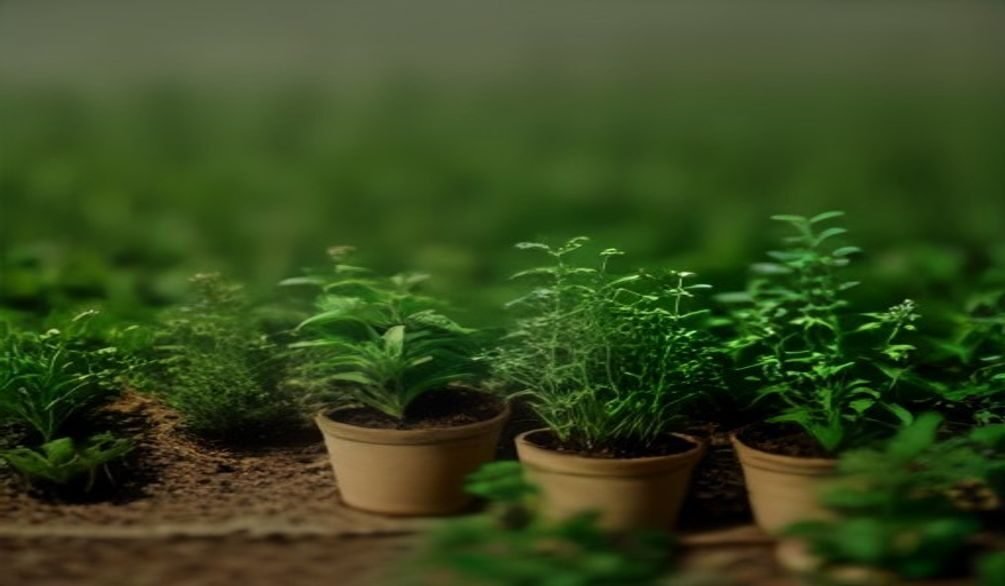
Growing best herbs for pollinators involves providing suitable growing conditions, allowing plants to flower, and avoiding chemical pesticides. Start by choosing healthy plants from your local nursery, perhaps from Bhavani Nursery in Pune, ensuring they’re suited to your specific climate and sunlight conditions.
Here’s how to cultivate a thriving pollinator herb garden:
- Sunlight is Key: Most herbs, including the best flowering herbs for bees, need at least 6 hours of direct sunlight daily. A south-facing balcony in Bangalore or a sunny terrace in Chennai would be ideal.
- Well-Draining Soil: Herbs hate soggy feet. Use a good quality potting mix that drains well. I usually mix cocopeat, compost, and a bit of sand. For container gardening herbs, good drainage is vital. I once lost a container plant during monsoon because I assumed rain was enough, but my balcony roof blocked it all. The soil was bone dry! Don’t make my mistake; check container soil even during rains.
- Water Wisely: Water deeply when the top inch of soil feels dry. In Indian summer heat (40°C+), this might be daily, but in monsoon, it could be every few days.
- Let Them Flower: This is crucial for attracting pollinators with herbs. Don’t snip off every flower bud. Allow some plants to go to seed, especially dill, fennel, and basil.
- Avoid Pesticides: Chemical pesticides harm pollinators. Opt for organic pest control methods like neem oil or insecticidal soap if needed. Many herbs, like lavender, are naturally resistant to nuisance insects anyway, requiring fewer pesticides, Melissa Strauss notes.
- Choose Native Varieties: While not always possible for culinary herbs, prioritizing native plants alongside your herbs can significantly boost local pollinator populations.
Beyond the top 7: other great herbs for beneficial insects
While the top seven are excellent, several other herbs also make fantastic additions to your pollinator-friendly garden, expanding the diversity of beneficial insects you attract. These varieties can fill in gaps or offer unique benefits.
You might have heard that “easy plants” are best for beginners. In practice, I’ve found that “easy” is relative to your specific balcony conditions. A north-facing balcony in Bangalore and a south-facing terrace in Delhi need completely different starter plants. Location matters more than a generic difficulty rating. So, consider these based on your space and climate!
Here are some more herbs that attract bees and other beneficial insects:
| Herb Name | Pollinator Benefit | Growing Tip for Pollinators |
|---|---|---|
| Thyme (Thymus vulgaris) | Tiny flowers attract small bees and hoverflies. | Let it spread and flower freely; it’s a low-growing ground cover. |
| Oregano (Origanum vulgare) | Small, often purple or white flowers are highly attractive to bees. | Allow it to bloom; the flowers are a magnet. |
| Rosemary (Rosmarinus officinalis) | Its small blue flowers, especially in early spring, are a vital early nectar source. | Prune after flowering to maintain shape, but always leave some blooms. |
| Mint (Pudina – Mentha spp.) | Small flowers, though less showy, are still visited by bees. | Grow in containers to prevent aggressive spreading; let some flower. |
| Cilantro (Dhania – Coriandrum sativum) | When it bolts, the lacy white flowers attract various beneficial insects. | Allow some plants to go to seed for both pollinators and coriander seeds. |
These herbs for butterflies and bees truly round out a diverse pollinator garden. The more variety you offer, the wider array of insects you’ll attract. It’s all about creating a continuous bloom cycle, ensuring there’s always something for them to feed on.
Regional considerations for pollinator herb gardens
Regional considerations are paramount when planning your pollinator herb garden, as climate, local legislation, and priorities significantly impact demand for pollinator plants. For instance, plant trends are highly regional, with demand varying based on local factors, according to industry observations. This means what thrives in Mumbai’s humidity might struggle in Delhi’s dry heat.
When selecting the best herbs for pollinators, always think about your local conditions. For instance, lavender loves full sun but needs good air circulation to prevent fungal issues in humid climates like coastal Karnataka or Kerala. Conversely, in the intense summer heat of Rajasthan or Uttar Pradesh, some herbs might benefit from afternoon shade to prevent scorching. My friend in Delhi struggles to keep many herbs alive through the summer unless they get some afternoon relief.
Also, consider local insect populations. While the general advice for herbs that attract bees holds true, certain regions might have specific native pollinators that prefer particular flower shapes or colors. Checking with local gardening groups or university extension programs (like UF/IFAS for general guidance) can provide invaluable insights. You can also find region-specific planting calendars on sites like Ugaoo or Nurserylive, which often suggest appropriate timings for growing pollinator-friendly plants in India.
Frequently asked questions
What is the best plant to attract pollinators?
The best single plant to attract pollinators is subjective, but Borage is consistently cited as an excellent herb due to its continuous, nectar-rich flowers easily accessible to beneficial insects. It produces more nectar than most other plants, replenishing quickly. For a broader impact, a diverse mix of nectar-rich herbs and flowers is most effective.
What is the best herb for bees?
Lavender is widely considered one of the best herbs for bees due to its vibrant, fragrant purple flowers that are highly attractive to a wide range of bee species. Melissa Strauss, a beekeeper, notes that herbs like lavender rank among the top contenders for their long blooming season. African Blue Basil is also an exceptional choice for continuous bee activity.
Do all herbs attract bees?
Not all herbs attract bees equally, but many do, especially when allowed to flower. Herbs with small, open flowers like Borage, Chives, Dill, and Basil are particularly effective at attracting various bee species. However, herbs primarily grown for their leaves, like pudina or dhania, need to be allowed to flower to provide significant pollinator benefits.
What herbs are good for butterflies?
Dill, Fennel, and Parsley are excellent herbs for butterflies, particularly because they serve as crucial host plants for swallowtail butterfly species. This means butterflies lay their eggs on these plants, and the caterpillars feed on the foliage. Beyond host plants, nectar-rich herbs like Lavender and Borage also provide food for adult butterflies.
Which herbs are easy to grow for pollinators?
Chives, Basil, and Borage are among the easiest herbs to grow for pollinators, making them great choices for beginners. These herbs are generally low-maintenance, adapt well to container gardening, and readily produce flowers that attract bees and other beneficial insects. They’re widely available at local nurseries for ₹80–150 per plant.
Creating a garden with the best herbs for pollinators is one of the most rewarding things you can do for your urban space and for the environment. It doesn’t take a massive plot of land; even a few pots of Borage, Lavender, or Chives on your balcony can make a huge difference. By choosing these proven varieties, allowing them to flower, and avoiding harsh chemicals, you’ll soon see your garden buzzing with life. So go ahead, let those basil plants flower and watch the magic happen – your local bees and butterflies will thank you!