Key Takeaways
- Overwatering causes root rot and is the “number one killer” of indoor plants, according to gardening experts (2024).
- Wilted herbs can be salvaged with simple rehydration methods like an ice bath, as noted by Tasting Table (2026).
- Herbs thrive in soil with a slightly acidic to neutral pH, ideally between 6 and 7 (2026).
- Drip irrigation systems use half the water of sprinklers for potted plants and gardens, according to industry data (2024).
- Coco Coir improves water retention and aeration in potting mixes, benefiting indoor herbs (2024).
Most Mumbai balcony gardeners often see their pudina or dhania plants suddenly droop during the pre-monsoon heat, making them wonder how to revitalize wilting herb plants. It’s a common struggle, but don’t worry, even basic signs of wilting don’t mean your herbs are completely unusable. You’re definitely not alone in finding this hard, and honestly, most people feel exactly this way when their green friends start looking sad.
Quick Answer: To revitalize wilting herbs, identify the cause, then adjust watering, light, and humidity. For quick rehydration, an ice bath can perk up cut herbs. Prune dead parts and ensure proper soil drainage and nutrients.
Why are my potted herbs wilting? common causes
Potted herbs typically wilt due to imbalances in watering, light, or nutrient availability, often mimicking other plant stresses. Overwatering is cited as the “number one killer” of indoor plants, causing roots to sit in water and lose oxygen, leading to root rot, according to gardening experts (2024). It’s a tricky one because, as Nature Hills Nursery states, the symptoms of overwatering and underwatering look nearly identical – wilting, yellowing leaves, and brown tips (2026). The real giveaway is the soil: if it’s soggy but your plant looks stressed, you’re probably overwatering.
On the flip side, underwatering is equally problematic. A common sign is when leaves appear droopy or shriveled, and the soil is bone-dry, pulling away from the pot, according to plant care guides (2026). I’ve seen countless beginners in Pune’s dry climate struggle with this, thinking they’re doing enough, but the soil just isn’t holding moisture. Other culprits can be insufficient light, sudden temperature changes, or even pests, but watering issues are usually the first thing to check when you need to revitalize wilting herb plants.
Can you save wilted herbs? the quick fixes
Yes, you can absolutely save wilted herbs, especially if the wilting is due to dehydration; a simple rehydration method can often bring them back. According to Tasting Table, “basic signs of wilting don’t mean they’re completely unusable” and often “all you need is a simple glass of water to do so” (2026). This is great news for anyone staring at sad-looking dhania after a trip to the sabziwala.
For herbs that have just been harvested or are mildly droopy, a quick water bath can work wonders. This is especially true for leafy herbs like pudina, dhania, and basil. You’ll be surprised how quickly they perk up. The goal here is to get water back into their cells to help them stand tall again, which is a crucial first step to revitalize wilting herb plants. My experience tells me that while seeds for pudina are slow and patchy, fresh cuttings root in water in days – so don’t give up on those droopy stems!
How do you perk up wilted herbs with an ice bath?
You can perk up wilted herbs with an ice bath by submerging them in cold water for a short period, which rapidly rehydrates their cells. Many sources, including The Clever Carrot and Tasting Table, detail the effectiveness of this method for herbs like parsley, cilantro, mint, and basil, suggesting 15-30 minutes for revival (2026). This technique is incredibly effective for cut herbs you’ve just bought from the market or harvested from your garden that have lost their crispness.
Step 1: diagnose the cause of wilting
Before you do anything, take a moment to look at your herb. Is the soil bone dry? Is it soggy? Are there any visible pests? Understanding the problem is the first step to figuring out how to revitalize wilting herb plants.
Step 2: adjust watering schedule
If the soil is dry, give it a good, thorough watering until water drains from the bottom. If it’s soggy, hold off on watering and check for drainage issues. You might even need to gently aerate the soil.
Step 3: provide adequate light
Move your herb to a spot with appropriate light. Most herbs love bright, indirect light for 6-8 hours a day. Too much direct Indian summer sun can scorch them, while too little makes them leggy and weak.
Step 4: prune damaged foliage
Snip off any yellow, brown, or crispy leaves. This helps the plant focus its energy on new, healthy growth instead of trying to save dying parts. Use clean, sharp shears for this.
Step 5: give an ice bath (if applicable)
For cut herbs, or even potted herbs that are severely dehydrated but still have green stems, an ice bath can be a quick fix. Fill a bowl with cold water and a few ice cubes, then submerge the herb stems (or the whole plant if it’s small) for 15-30 minutes. You’ll often see them firm up dramatically. Chef Marcus Samuelsson suggests that while ice can firm up an herb, if it’s too wilted, it’s often better to blend and use it in a pesto or sauce, though he notes they don’t necessarily lose their “zesty flavor” (2025).
Step 6: check soil ph and nutrients
Herbs generally prefer soil with a slightly acidic to neutral pH, ideally between 6 and 7 (2026). You can get a simple soil testing kit from a local nursery. If nutrients are low, a diluted liquid fertilizer can give them a boost.
Step 7: consider repotting or amending soil
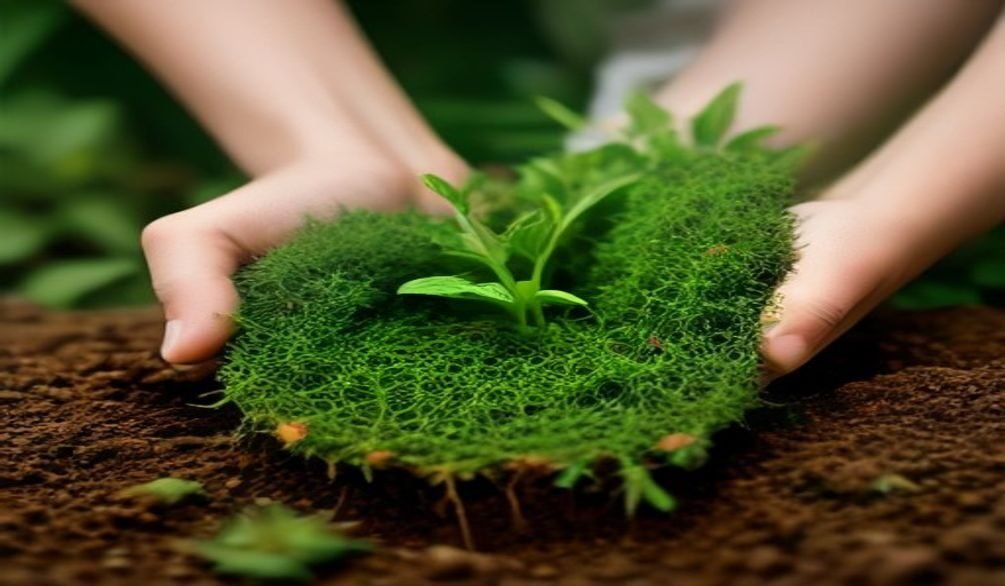
If the soil is compacted, smells foul, or the plant is root-bound, repotting into fresh, well-draining soil is essential. Adding Coco Coir can significantly improve aeration and water retention. I tested cocopeat from three different brands in 2023—COCO COIR, Royal, and a local loose brand from the nursery. The loose brand had salt residue that burned my seedling roots. Washed it 4 times before it was safe to use. Branded cocopeat costs ₹80–120 more per block but saves a ruined batch. This is a critical step to truly revitalize wilting herb plants for the long haul.
Step 8: implement preventative care
Once your herb is revived, set up a consistent watering schedule, ensure proper light, and consider using a moisture meter. This preventative approach will keep your herbs happy and healthy.
How do you revive a dying herb plant? long-term solutions
To revive a dying herb plant, you need to address the underlying issues that caused its decline, focusing on sustainable changes to its environment and care routine. Often, this means a combination of improved watering practices, optimal light exposure, and better soil health to truly revitalize wilting herb plants. Most people give up on gardening after one failed crop and blame themselves — but in my experience, 80% of first failures are caused by wrong pot size, wrong season, or wrong soil mix, not wrong technique. Get those three right and almost any plant becomes easy to grow.
For instance, if your tulsi plant is struggling in a tiny pot during the Delhi summer, no amount of quick fixes will help without a larger pot and some afternoon shade. You might have heard that constantly adding fertilizer will fix nutrient deficiencies. In practice, over-fertilizing can burn roots and worsen the problem — a balanced, slow-release organic compost or worm castings are often safer and more effective for long-term health.
Watering wisdom: preventing under and overwatering
Preventing under and overwatering is crucial for herb health, requiring a keen understanding of your plant’s needs and the soil’s moisture levels. Overwatering is often tricky to diagnose because its symptoms, like wilting and yellowing leaves, look nearly identical to underwatering, as Nature Hills Nursery points out (2026). The key is feeling the soil; if it’s still wet or soggy when the plant looks stressed, you’re likely overwatering.
For me, a common mistake I’ve seen in Bangalore’s mild climate is inconsistent watering. Gardeners water well one day, then forget for a week. Herbs like pudina and methi need consistent moisture, especially in containers. A good rule of thumb is to stick your finger about an inch into the soil; if it feels dry, it’s time to water. And always ensure your pots have drainage holes – waterlogged roots are a death sentence. To avoid the constant guessing game, consider a moisture meter; they’re available at nurseries for ₹200–₹500 and are a game-changer when you want to revitalize wilting herb plants or prevent them from wilting in the first place.
Optimizing light and soil for healthy herbs
Optimizing light and soil conditions is fundamental for healthy herbs, as these factors directly influence their growth, nutrient uptake, and overall vigor. Herbs generally thrive in at least 6-8 hours of bright, indirect sunlight daily, and prefer soil with a slightly acidic to neutral pH, ideally between 6 and 7 (2026). In my 10 years of experience with Indian balcony gardens, I’ve noticed that while herbs like tulsi love the morning sun, they often need protection from the harsh afternoon sun in cities like Chennai, especially when temperatures soar above 40°C.
When it comes to soil, drainage is paramount. A good potting mix for herbs should be light and airy, preventing water from pooling around the roots. I always recommend a mix of garden soil, compost, and a good quality coco coir. Coco Coir is an excellent addition to potting mixes for improving water retention and aeration, which is incredibly beneficial for indoor herbs (2024). It’s a key ingredient to help revitalize wilting herb plants by providing the right environment for root recovery and growth.
| Factor | Optimal Condition for Herbs | Common Problem & Solution |
|---|---|---|
| Light | 6-8 hours bright, indirect sun | Too little light: leggy, pale growth. Solution: Move to brighter spot or use grow lights. |
| Soil pH | Slightly acidic to neutral (6-7) | Wrong pH: nutrient lockout. Solution: Test soil, amend with compost or lime/sulfur. |
| Drainage | Well-draining, never soggy | Poor drainage: root rot. Solution: Repot with fresh mix, ensure drainage holes. |
| Nutrients | Moderate, balanced supply | Deficiency: yellowing, stunted growth. Solution: Use diluted organic liquid fertilizer. |
When to prune and repot for revival
Pruning and repotting are essential tools for revival, used strategically to remove damaged parts and provide a fresh start for struggling herbs. Pruning off dead or severely wilted foliage redirects the plant’s energy towards healing and new growth, which is vital to revitalize wilting herb plants. Repotting, on the other hand, offers a chance to refresh depleted soil, improve drainage, and give roots more space.
I find that many gardeners are hesitant to prune, especially if the plant looks sparse, but it’s often the best thing you can do. Don’t be afraid to snip away yellowed leaves or woody stems that aren’t producing. For example, if your basil plant looks leggy and is starting to flower, pinching off the flower buds and pruning back some stems will encourage bushier growth. As for repotting, if your herb is root-bound (roots circling the pot) or the soil has become compacted and doesn’t drain well, it’s definitely time for a new home. Choose a pot that’s only slightly larger, about 1-2 inches wider, to avoid overwatering issues.
Advanced care: products and systems for thriving herbs
Advanced care products and systems can significantly enhance your ability to revitalize wilting herb plants and maintain their long-term health, especially in challenging urban environments. One such product is Wilt-Pruf, an anti-transparent plant protector that forms a clear, flexible film on foliage to reduce moisture loss (2024). This can be a lifesaver for new transplants or during periods of intense heat and drought, helping plants retain precious water.
For consistent moisture, especially for those busy urban gardeners, drip irrigation systems are fantastic. Proven Winners offers a WaterWise Drip Irrigation System that customers praise for being “straightforward and easy to set up,” making it effective for watering small yards and pots (2024). Drip irrigation systems can water potted plants, trees, herbs, and gardens with half the amount of water sprinklers use, according to irrigation specialists (2024). This not only conserves water but also ensures that your herbs get a steady, measured supply of moisture, preventing the common pitfalls of under or overwatering. These tools can truly help you revitalize wilting herb plants and keep them thriving.
Frequently asked questions
How do you revive a dying herb plant?
To revive a dying herb plant, first identify the cause, which is usually related to watering, light, or soil issues. Adjust these conditions, prune dead foliage, and consider repotting into fresh, well-draining soil. Overwatering is the “number one killer” of indoor plants, according to gardening experts (2024). A systematic approach to care can often bring them back.
How do you perk up wilted herbs?
You can perk up wilted herbs by rehydrating them, often through an ice bath for cut herbs or by thoroughly watering potted plants if the soil is dry. Tasting Table suggests that a simple glass of water can salvage wilted herbs (2026). Ensure good drainage and provide consistent moisture without overdoing it.
Why are my potted herbs wilting?
Potted herbs commonly wilt due to incorrect watering (both under and over), insufficient light, or poor soil conditions. Nature Hills Nursery notes that overwatering symptoms, including wilting, look very similar to underwatering, but the key is checking if the soil is still wet (2026). Address these environmental factors to prevent wilting.
Can i save wilted herbs?
Yes, you can save most wilted herbs, especially if the wilting is a result of dehydration or minor stress. Tasting Table confirms that wilted herbs can and should be salvaged with simple rehydration techniques (2026). Prompt action to correct the underlying issue significantly increases their chances of recovery.
How do you rehydrate herbs quickly?
To rehydrate herbs quickly, submerge the stems or the entire herb in a bowl of cold water or an ice bath for 15-30 minutes. This method rapidly helps the plant absorb water and regain turgidity. This technique is particularly effective for cut herbs like dhania or pudina that have gone limp.
Seeing your herbs wilt can be disheartening, but it’s rarely a lost cause. By understanding the common culprits—usually watering, light, or soil—and applying these proven methods, you can effectively revitalize wilting herb plants. Remember, gardening is a learning journey, and even experienced hands like mine still face challenges, especially with India’s diverse climates. Don’t give up on your green friends; a little care and attention can bring them back to life, ready to add flavour to your next meal. So go ahead, check that soil, give them some water, and watch them thrive!