What Are Alocasia Plants?
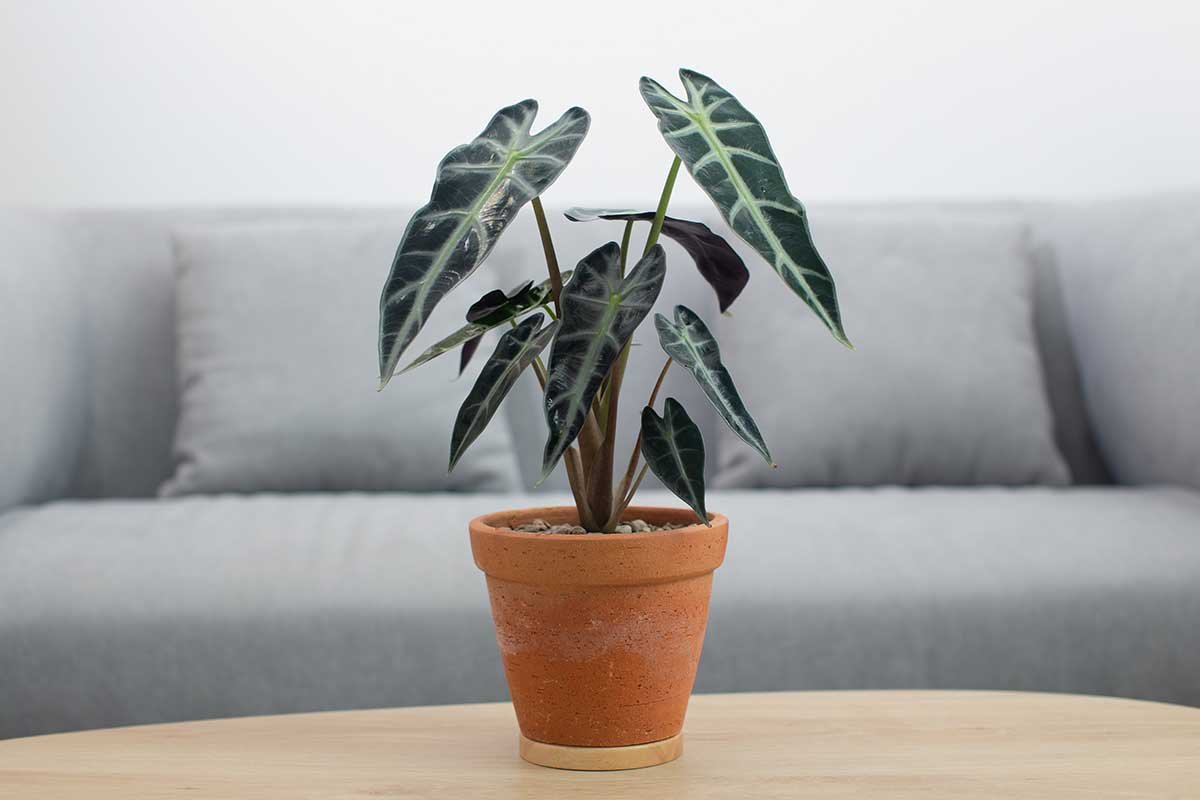
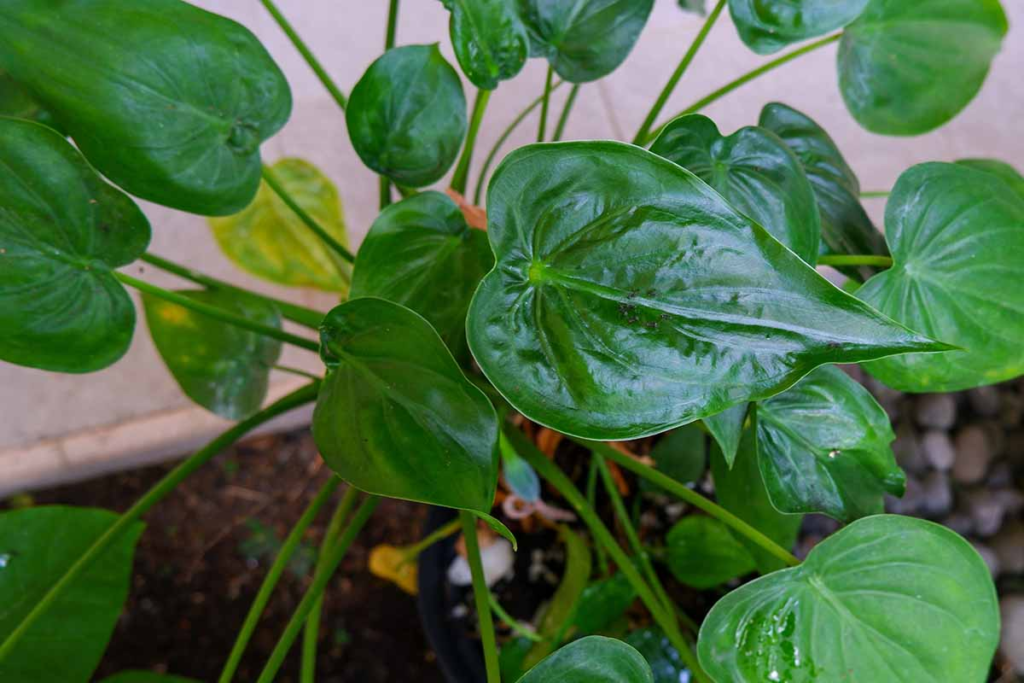
Alocasia plants, commonly called elephant ears, African mask plants, or kris plants, are stunning tropical houseplants known for their dramatic, oversized leaves. Native to Southeast Asia, southern China, and eastern Australia, these plants feature bold foliage with striking patterns, deep veins, and eye-catching colors ranging from deep green to purple-black.
The genus includes 97 species, though most available for home growing are compact “jewel” varieties that reach 1-4 feet tall indoors.
Important Safety Note: All parts of alocasia plants are toxic to humans, cats, dogs, and horses. The sap can also irritate skin, so wear gloves when handling and keep away from children and pets.
Basic Requirements
Before bringing an alocasia home, make sure you can provide:
- Temperature: 60°F or higher (they suffer below 50°F)
- Light: Bright, indirect light for at least 4 hours daily
- Humidity: At least 50% humidity
- Watering: Consistently moist (not soggy) soil
- Space: Good air circulation, at least 6 inches from walls and other plants
Getting Started
Choosing a Healthy Plant
When buying, look for:
- Healthy-colored leaves without discoloration
- No foul smell from drainage holes
- Minimal brown or dried leaves (a few old leaves dropping is normal)
Avoid plants with slimy brown roots or excessive dead foliage.
Potting Your Plant
What You’ll Need:
- Container with drainage holes (2 inches wider than root ball)
- Fast-draining indoor potting mix
- Saucer to catch excess water
Steps:
- Fill container one-third with potting mix
- Position plant so crown sits about 1 inch above soil surface
- Fill around plant, leaving 1 inch from rim
- Water gently and place in bright, indirect light
Daily Care
Watering
Water when the top of the soil feels dry to the touch. The soil should stay lightly moist but never waterlogged. Reduce watering in fall and winter when plants go dormant.
Light
Place where they’ll get bright light without direct sun. Direct sunlight can scorch the leaves. Consider grow lights if natural light is insufficient.
Humidity
Maintain 50% humidity or higher using:
- Regular misting
- Pebble trays with water under pots
- Electric humidifiers
- Grouping plants together
Temperature
Keep them warm year-round. Move indoor immediately when temperatures drop below 60°F if you’ve placed them outside for summer.
Ongoing Maintenance
Feeding
Use a balanced houseplant fertilizer during the growing season according to package directions.
Cleaning
Remove dead or dying leaves as they appear. Wipe dust from leaves occasionally with a damp cloth.
Repotting
Alocasia likes snug pots. Only repot every 2-3 years or when roots grow from drainage holes. Move up just one pot size (1-2 inches wider).
Seasonal Transitions
If moving plants outdoors for summer, gradually acclimate them over several days. Bring them back inside before temperatures drop below 60°F.
Growing New Plants
The easiest way to propagate alocasia is by division:
- Remove plant from pot during spring growth
- Gently separate offshoots that have 2+ leaves and their own roots
- For tangled roots, use a clean knife to cut offshoots away
- Pot each division immediately in fresh soil
Leaf or stem cuttings won’t work for these plants.
Popular Varieties
Black Velvet (A. reginula)
- Velvety dark green-black leaves with purple undersides
- Grows 1-2 feet tall
- Perfect for small spaces
Kris Plant (A. sanderiana)
- Arrow-shaped leaves with white veins
- Deep green glossy foliage
- Reaches 2-4 feet indoors
Polly (A. x amazonica)
- Compact hybrid, about 1 foot tall
- Dark green leaves with prominent white veins
- Great for offices or small rooms
Zebrina (A. zebrina)
- Green and rust-striped stems resembling zebra stripes
- Arrow-shaped leaves
- Grows 3-4 feet indoors
Troubleshooting
Common Problems
Drooping Leaves: Too much direct sun or underwatering
Brown Leaf Tips: Low humidity or inconsistent watering
Yellowing Leaves: Overwatering or poor drainage
Leaf Drop: Temperature too cold or normal aging
Pests
Check occasionally for spider mites, scale, or mealybugs, especially if plants spend time outdoors. Treat infestations before bringing plants inside.
Diseases
Most issues come from overwatering or poor air circulation:
- Powdery mildew: White dusty coating on leaves (treat with neem oil)
- Root rot: Foul-smelling, slimy roots (usually fatal; prevent with proper drainage)
Design Ideas
Alocasia plants work beautifully as:
- Focal points in bright corners
- Statement plants in bathrooms or kitchens with good light
- Anchors for tropical plant collections
- Companions to smaller flowering plants like African violets
Their vertical growth habit and dramatic leaves add instant tropical style to any room.
Final Tips
- Start with one plant to learn its needs before expanding your collection
- Keep a consistent care routine—these plants appreciate regularity
- Don’t be discouraged by the occasional dropped leaf—it’s normal
- The extra effort for humidity and consistent moisture is worth the stunning results
With proper care, alocasia plants will reward you with bold, beautiful foliage that brings a touch of the tropics into your home year-round.