You can grow the world’s most expensive mango — the Miyazaki Mango (or Taiyo no Tamago, meaning “Egg of the Sun”) — at home by replicating its tropical conditions: consistent warmth (24–32°C), high humidity, filtered sunlight, and rich, well-draining soil. With proper pruning, fertilization, and patience (about 5 years to fruit), you can cultivate this rare Japanese delicacy right in your backyard or greenhouse.
- 🥭 The world’s priciest mango is the Miyazaki Mango from Japan.
- 🌱 Requires tropical heat, humidity, and greenhouse-level care.
- 💧 Keep soil moist but not soggy — overwatering kills roots fast.
- ☀️ Needs 10–12 hours of filtered sunlight daily.
- 💰 Grown right, each fruit can weigh 350g+ and fetch $200–$300 apiece.
What Makes the Miyazaki Mango So Expensive?
It’s not just hype — it’s craftsmanship.
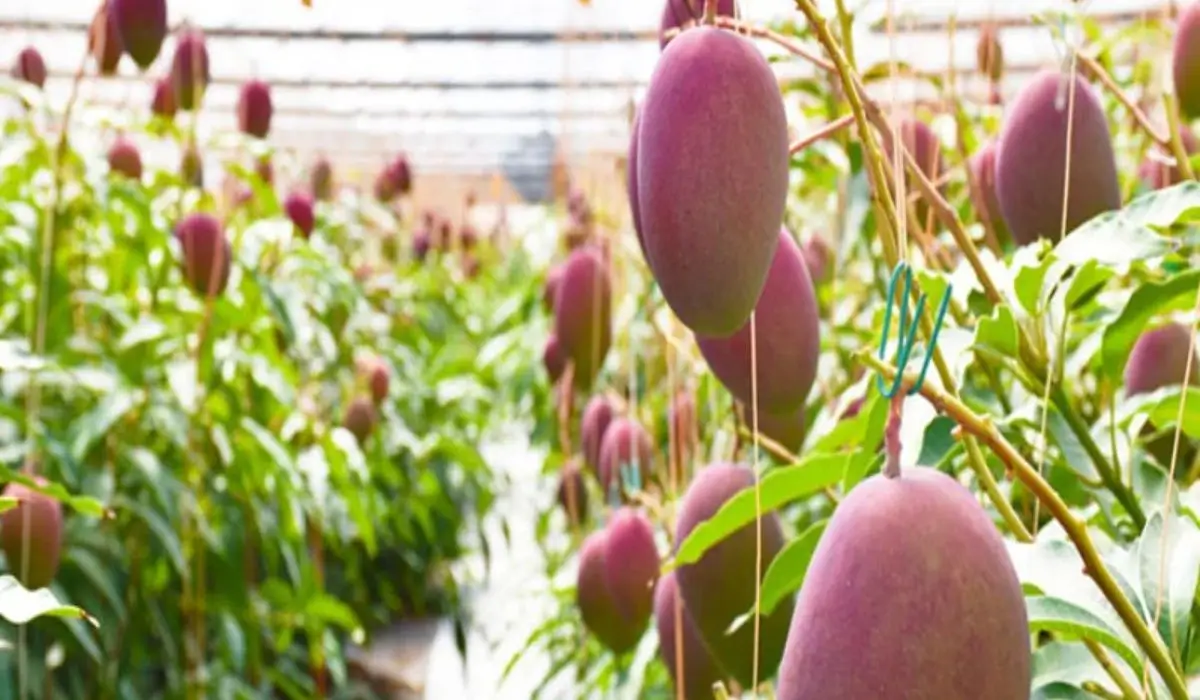
Miyazaki mangoes are grown in controlled greenhouses in southern Japan where every fruit is hand-wrapped in netting to ensure perfect sunlight exposure. Each mango is judged for sugar content (15%+), color uniformity, and weight before earning the “Egg of the Sun” label. The meticulous cultivation and limited quantity make them luxury fruits often gifted at auctions.
Can You Really Grow It at Home?
Yes — but it’s not for the impatient gardener.
While native to Miyazaki Prefecture’s warm, humid climate, you can replicate similar conditions at home in tropical regions (like Florida, Hawaii, or South India) or with a controlled indoor greenhouse setup.
If you’ve successfully grown regular mangoes, this is the PhD level version — slower, fussier, but incredibly rewarding.
Step-by-Step Guide: Growing the Miyazaki Mango at Home

| Step | What to Do | Why It Matters |
|---|---|---|
| 1. Get a Grafted Sapling | Buy from a reputable nursery or import legally certified Miyazaki graft. | Ensures true-to-type genetics (seedlings often revert). |
| 2. Soil Setup | Use loamy soil with pH 5.5–7. Add organic compost + perlite for drainage. | Prevents root rot and promotes aeration. |
| 3. Sunlight & Temp | 10–12 hrs of filtered sunlight; keep 24–32°C. | Mimics Japan’s warm climate. |
| 4. Watering | Water 2–3x weekly in summer; reduce in winter. | Root-sensitive — hates standing water. |
| 5. Feeding | Apply NPK 8:3:9 fertilizer every 30 days. Add magnesium + zinc twice a year. | Supports fruit sweetness and color. |
| 6. Pruning | Cut excess leaves for airflow; train 3–4 main branches. | Encourages larger, higher-grade fruit. |
| 7. Flowering & Fruit Care | Wrap young fruits in mesh bags once they appear. | Prevents pests and sunburn; improves shape. |

A Home Grower’s Success
A grower in Kerala, India, imported two grafted Miyazaki saplings and kept them in a humidity-controlled greenhouse. By year three, both trees produced a handful of vibrant red-orange mangoes — each weighing 400 grams and measuring 17% sugar. Local chefs paid over ₹20,000 ($240) per fruit for their restaurant menus.
That’s not just gardening — that’s a side business.
Common Mistakes to Avoid
| Mistake | Why It’s a Problem | Fix |
|---|---|---|
| Overwatering | Causes root rot fast | Let top 2 inches of soil dry before watering |
| Poor sunlight | Dulls fruit color and sweetness | Use reflective mulch or LED grow lights |
| Using seed-grown plants | Seedlings rarely match parent quality | Always buy grafted saplings |
| Ignoring pruning | Leads to dense canopy, poor airflow | Trim lightly after every fruiting cycle |
How Long Until It Bears Fruit?
Expect your first blooms around 3–5 years, depending on climate and care. Grafted plants are faster (sometimes 2–3 years).
Patience pays — the fruit’s intense sweetness (about 15–17° Brix) and glowing red skin are worth the wait.
Can You Grow It Indoors?

Absolutely, but it takes planning.
Use a large pot (minimum 30–40 liters) with drainage holes, place it near a south-facing window or under grow lights, and maintain humidity with a small ultrasonic humidifier. Indoor fruiting is rare, but with enough warmth and light, you can achieve it.
How to Boost Sweetness Naturally
- Add banana peel compost (rich in potassium).
- Mist leaves during dry months.
- Use organic seaweed extract monthly.
- After flowering, reduce nitrogen — this pushes sugar formation instead of leaf growth.
People Also Ask
1. Why are Miyazaki mangoes red?
Because they’re grown in high sunlight with net bags that evenly distribute light — this activates anthocyanin pigments, turning the fruit bright red.
2. Can you grow them from seed?
Technically yes, but it won’t produce true Miyazaki mangoes. Always use a graft from a certified mother plant.
3. How much is one Miyazaki mango worth?
At Japan’s spring auctions, premium pairs have sold for $3,000+ USD. Regular retail-grade fruit fetch $100–$300.
4. Can they grow in the U.S. ?
Yes, in USDA zones 10–11 (Florida, Hawaii, Southern California) or greenhouses with stable humidity.
5. How many mangoes does one tree produce?
Around 40–60 fruits annually once mature, depending on pruning and pollination quality.