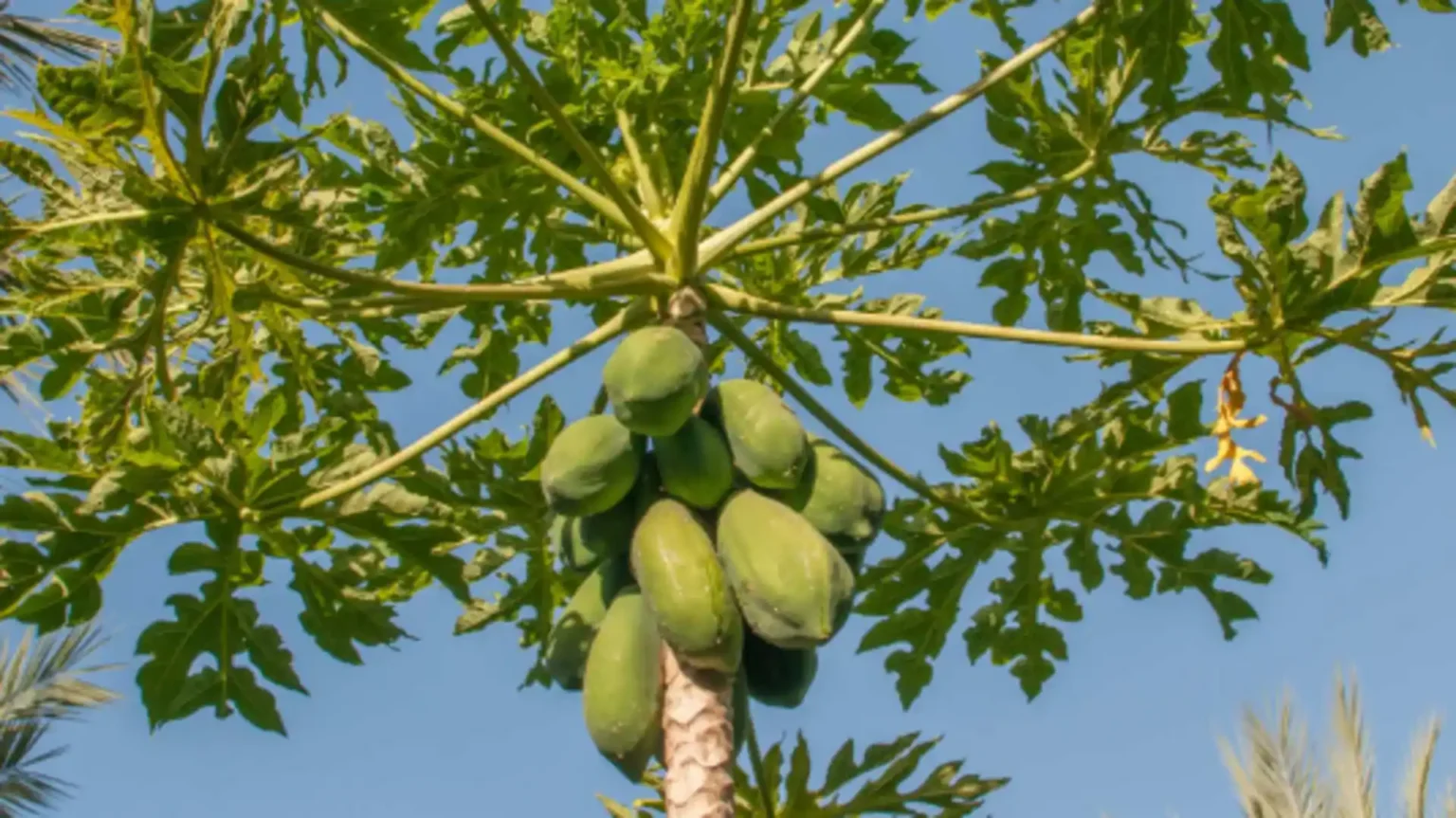
Papaya (Carica papaya) is one of the fastest-growing and most rewarding fruit plants you can grow at home. Its sweet, juicy fruits are not only delicious but also packed with vitamin C, vitamin A, fiber, and the powerful digestive enzyme papain. In this ultimate guide, you will learn step-by-step how to grow papaya tree for maximum fruit yield, sweetness, and plant health.
Whether you have a small backyard, terrace garden, or farm plot, growing papaya is easy, affordable, and highly profitable when done correctly. With the right techniques, a papaya tree can start fruiting within 6 to 9 months and continue producing for years.
🍈 Why Papaya Is Perfect for Home Gardens
Papaya is a favorite among Indian gardeners because it grows quickly and gives continuous harvest.
✅ Fruits within 6–12 months
✅ Grows well in pots and open soil
✅ Produces fruit year-round in warm climates
✅ Highly nutritious
✅ Low maintenance
✅ Excellent income option for farmers
🌱 Step 1: Choosing the Right Papaya Seeds
High yield always starts with good quality seeds.
✅ How to Select Seeds:
- Choose seeds from fully ripe, sweet fruits
- Select disease-free, healthy papayas
- Prefer hermaphrodite or hybrid varieties for better fruiting
- Avoid shriveled, damaged, or unripe seeds
✅ Seed Preparation:
- Scoop out the seeds from ripe fruit
- Wash thoroughly to remove the sticky coating
- Dry in shade for 1–2 days
- Optional: Soak in water for 24 hours for faster germination
🌱 Step 2: Sowing the Seeds
You can sow papaya seeds directly in the ground or start them in pots for better control.
✅ Pot Method (Recommended)
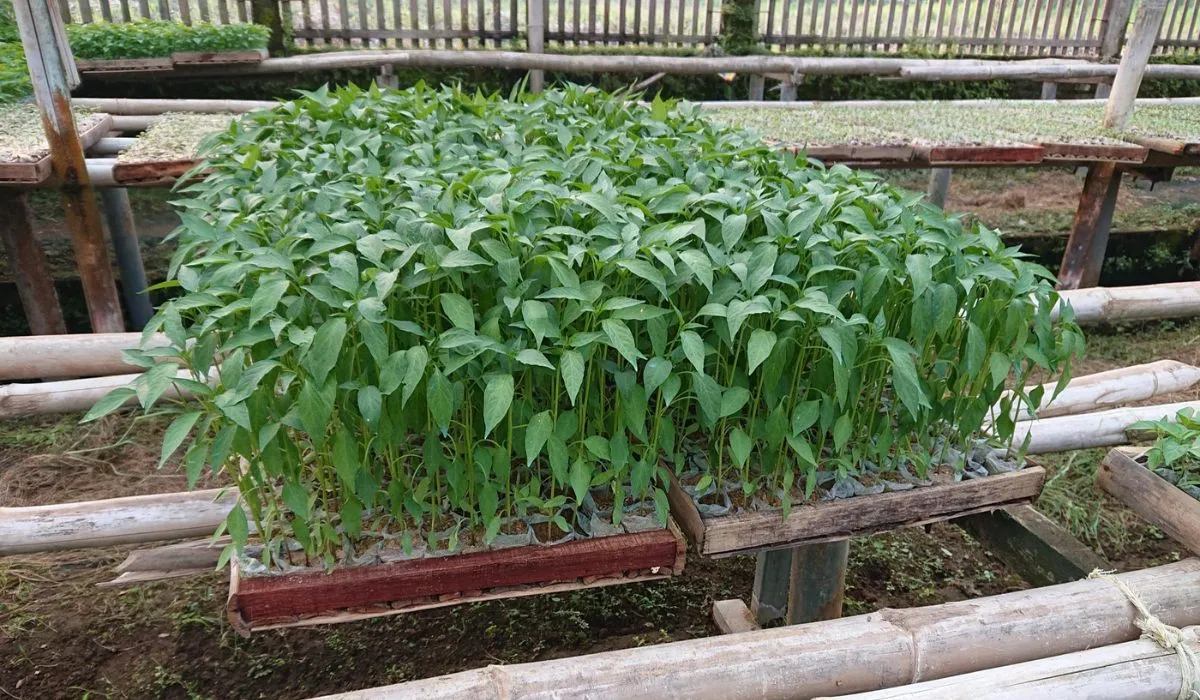
- Use small pots or grow bags
- Soil mix: Garden soil + compost + sand
- Sow 2–3 seeds per pot
- Cover lightly with soil
- Keep the soil moist and place in warm shade
⏳ Germination Time: 15–21 days
Once seedlings grow 6–8 inches tall, transplant the strongest one.
🌱 Step 3: Transplanting the Seedlings
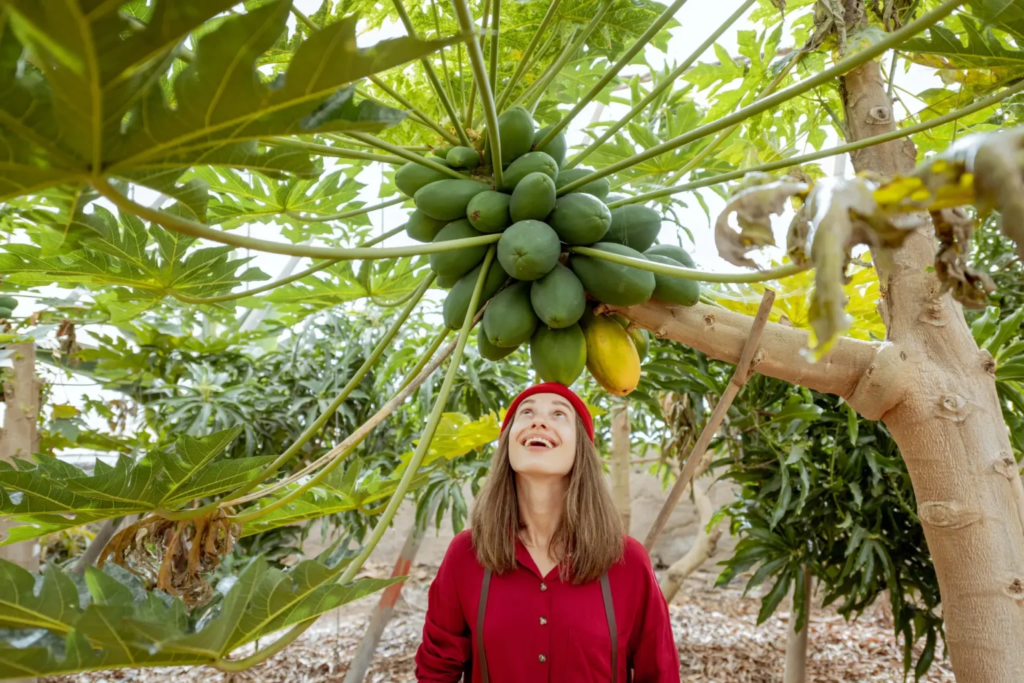
Transplant when seedlings have 4–6 strong leaves.
✅ Dig a pit 12–18 inches deep
✅ Mix soil with compost or cow dung
✅ Carefully place the seedling
✅ Press soil gently around roots
✅ Water immediately
✅ Add mulch to retain moisture
📏 Spacing:
Keep 6–8 feet distance between plants for good airflow and sunlight.
🌞 Step 4: Sunlight & Climate Requirements
Papaya trees love warm sunshine.
✅ Full sunlight for 6–8 hours daily
✅ Ideal temperature: 20–30°C
✅ Frost-free climate is best
✅ Protect plants from strong cold winds
Good sunlight directly increases flowering and fruit sweetness.
💧 Step 5: Proper Watering for Maximum Yield
Papaya roots are shallow and need consistent moisture.
✅ Water 2–3 times per week
✅ Avoid standing water
✅ Good drainage is very important
✅ Mulching helps retain moisture
✅ Increase watering during summer and fruiting
⚠ Overwatering causes root rot and plant death.
🌱 Step 6: Best Fertilizer for Papaya Trees
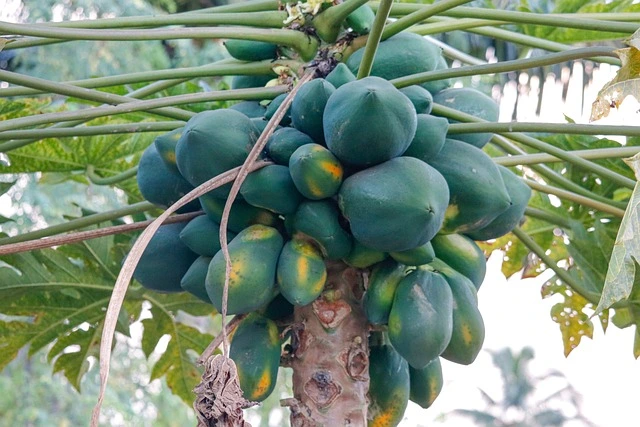
Papaya is a heavy feeder and needs regular nutrition.
Young Plants (0–6 months):
- Cow dung, compost, or vermicompost every 30–40 days
✅ For Fruiting Plants:
- Balanced NPK fertilizer (10:10:10 or 12:12:12)
- Increase potassium during flowering for larger fruits
✅ Spray micronutrients (magnesium, zinc, calcium) monthly for healthy growth
🌿 Step 7: Pruning & Plant Management
Though papaya doesn’t need heavy pruning, light maintenance improves yield.
✅ Remove yellow and dry leaves
✅ Improve air circulation
✅ Remove weak branches
✅ Support the plant with stakes in windy areas
✅ Pinch early flowers in first 3 months for stronger trunk
🌼 Step 8: Pollination for Better Fruit Set
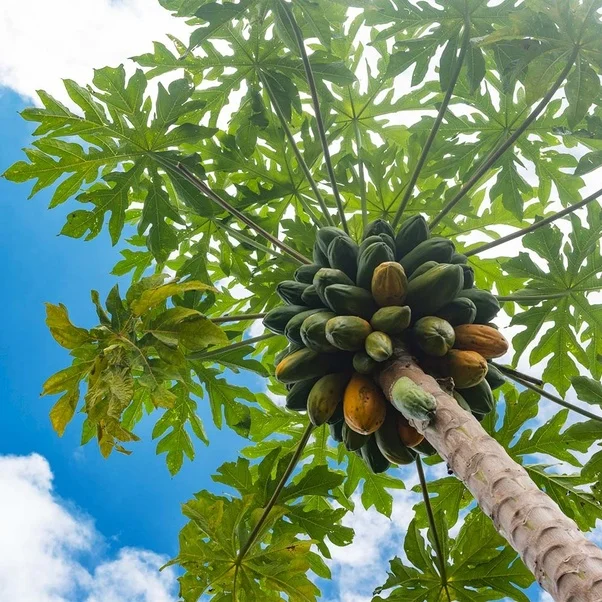
Papaya plants can be:
- Male
- Female
- Hermaphrodite (self-pollinating)
✅ Hermaphrodite plants are best for home gardens
✅ If using separate plants:
- Keep 1 male plant for every 8–10 female plants
Good pollination ensures proper fruit shape and size.
🐛 Step 9: Pest & Disease Control
Common problems include:
✅ Aphids, mealybugs, whiteflies – Spray neem oil weekly
✅ Fungal leaf spots – Remove infected leaves
✅ Root rot – Improve drainage and avoid excess watering
💡 Always observe plants regularly for early control.
🍈 Step 10: Harvesting Papaya Fruits
Papayas are ready within 6–12 months after planting.
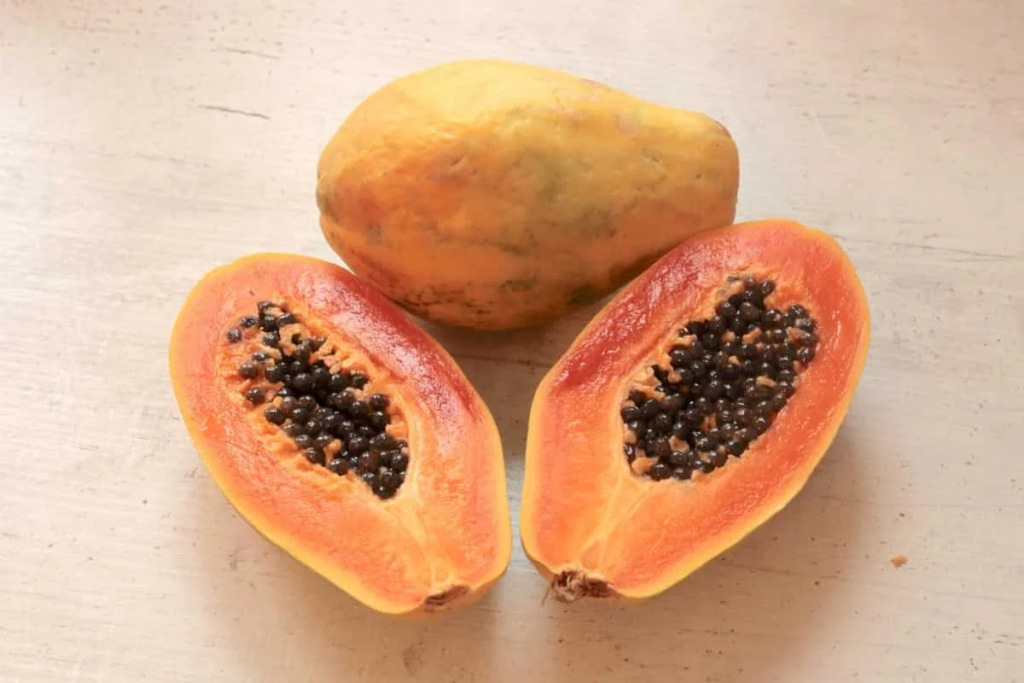
✅ Harvest when fruit turns slightly yellow
✅ Fruit should feel mildly soft
✅ Harvest regularly to encourage continuous fruiting
✅ Do not allow over-ripening on the tree
🌟 Expert Tips for Higher Papaya Yield
✅ Always grow hermaphrodite plants
✅ Use organic compost along with chemical fertilizers
✅ Maintain steady watering
✅ Remove weak plants early
✅ Keep soil loose and weed-free
✅ Apply neem oil spray every 10–15 days
✅ Protect from strong winds
✅ Do not overcrowd plants
✅ Benefits of This Method
✔ Faster growth
✔ Early fruiting
✔ More fruits per tree
✔ Bigger and sweeter papayas
✔ Disease-resistant plants
✔ Year-round production
✔ Ideal for terrace gardening & farming
🌟 Final Words
Growing a papaya tree that produces abundant, sweet, and juicy fruits is easy when you follow the right method. From choosing quality seeds to proper sunlight, watering, fertilizing, and pest control—every step plays an important role in maximizing fruit production.
With a little care and consistency, your papaya tree can reward you with fresh, nutritious fruits all year long and even become a small income source if grown in larger numbers.
Start today—and enjoy the sweetness of homegrown papayas! 🍈🌿