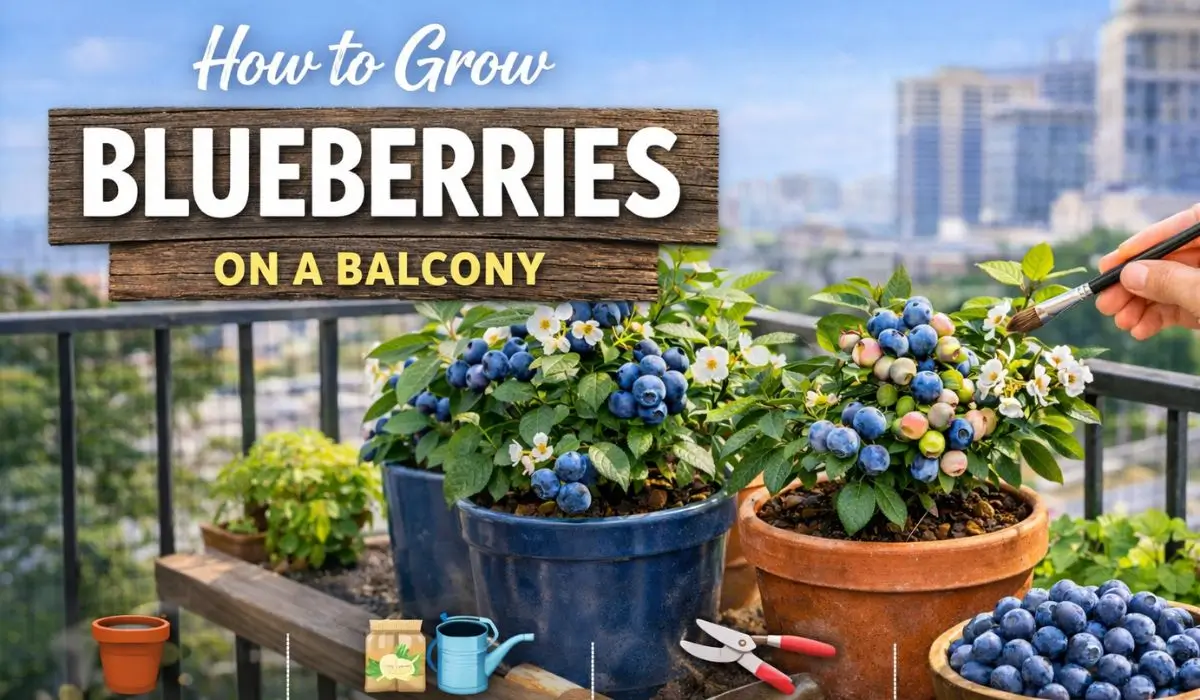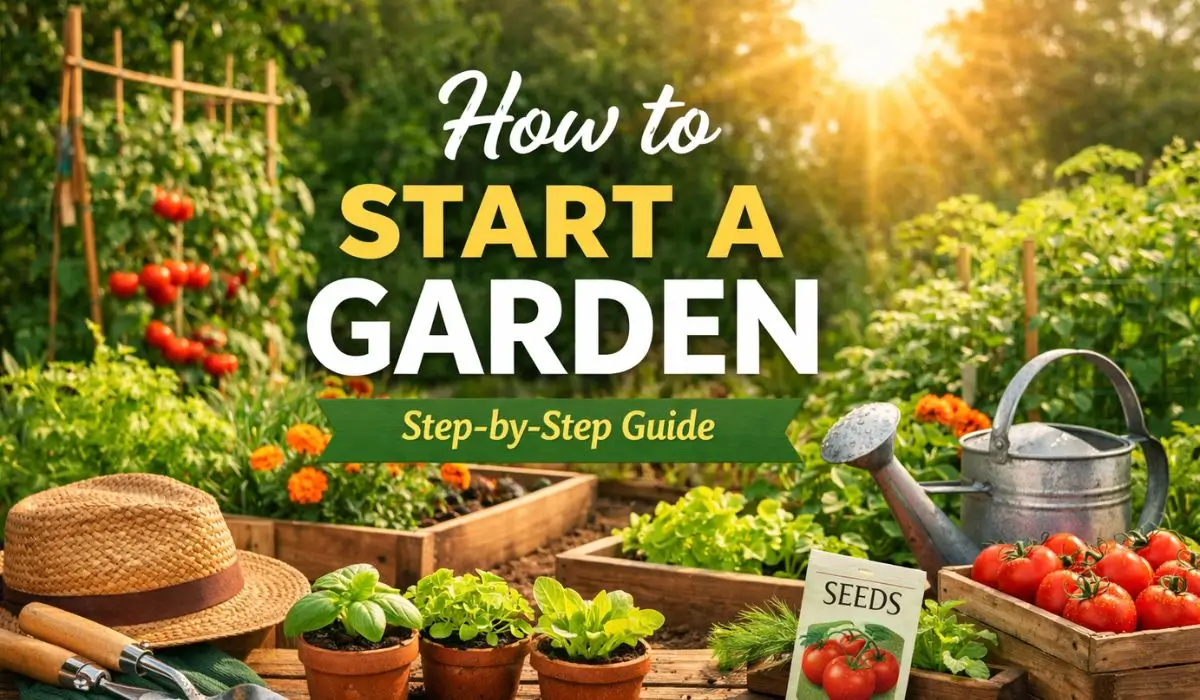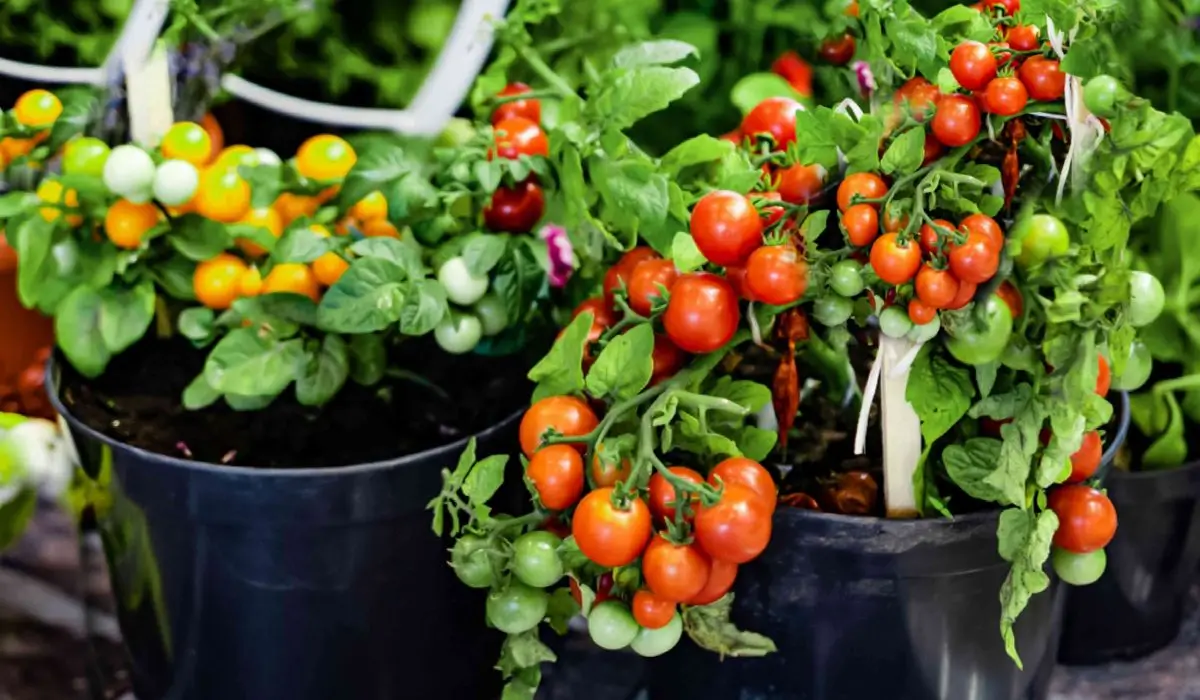
Yes — you absolutely can grow tomatoes on a balcony. Focus on five things: sunlight, container size, soil quality, consistent watering, and smart pruning/pollination. Nail those, and even a small railing garden can outproduce a backyard patch.
Why Balcony Tomatoes Are Totally Worth It
Apartment gardening often feels limiting — but tomatoes don’t care where they grow as long as their basic needs are met. With a few large containers and smart management, you can harvest baskets of bright red fruit right outside your sliding door.
I’ve seen beginners harvest 20–30 pounds per season from three plants on a balcony no bigger than a yoga mat. The secret? Treat your balcony like its own mini-ecosystem — sun, airflow, and water patterns matter just as much as the plant itself.
Here 5 factors for Grow Tomatoes on a Balcony
1. Sunlight — The Non-Negotiable Factor
Tomatoes need 6 to 8 hours of direct sun every day to produce a strong harvest. Without it, you get leggy stems and few fruits.
How to Maximize Light on Your Balcony
- South or West-Facing Balconies: Ideal for Texas and southern U.S. climates.
- Use Reflective Surfaces: Light-colored walls or foil panels bounce sunlight back onto leaves.
- Rotate Pots: Quarter-turn every few days for even growth.
- Supplement in Shade: A small LED grow light (2–3 hours daily) keeps plants productive on north-facing balconies.
A Dallas couple grew ‘Tiny Tim’ tomatoes on a north-facing balcony by adding a clip-on grow light set to a 6-hour timer — they picked ripe fruit in mid-July while neighbors’ plants stalled in shade.
2. Containers & Soil — The Root of Everything
Use containers holding at least 5 gallons per plant and 12 inches deep or more, filled with premium potting mix rich in organic matter.
Choosing the Right Container
| Type | Pros | Cons |
|---|---|---|
| Plastic buckets (5 gal.) | Cheap & lightweight | Retains heat in full sun |
| Fabric grow bags | Excellent drainage & root airflow | Dries out faster |
| Glazed ceramic pots | Beautiful & stable | Heavy and less portable |
Drainage Tip: Drill holes if your container lacks them — tomatoes hate “wet feet.” Add a layer of coarse perlite or gravel at the bottom.
Mixing the Perfect Balcony Soil
- 60% high-quality potting mix
- 20% compost (organic or homemade)
- 20% perlite or coconut coir for aeration
- Add 1 cup bone meal + 1 cup worm castings per 5 gallons
This mix balances moisture retention and drainage — crucial for balcony conditions where pots can bake in afternoon heat.
Slip light-colored planters inside a larger decorative outer pot to reduce heat stress on roots.
3. Watering & Feeding — Balance Is Everything
Keep soil evenly moist — not wet. Water deeply until it drains from the bottom and let the top inch dry before watering again.
Smart Watering Habits
- Morning Watering: Prevents mold and evaporation loss.
- Finger Test: If the top inch feels dry, it’s time.
- Mulch: Add straw or coconut coir to keep roots cool.
- Self-Watering Planters: Ideal for hot balconies or travel days.
Feeding Schedule for Top Harvests
| Growth Stage | Fertilizer Type | Frequency |
|---|---|---|
| Seedling → 12 in tall | Balanced 10-10-10 organic | Every 2 weeks |
| Flowering stage | High phosphorus (5-10-5) | Weekly |
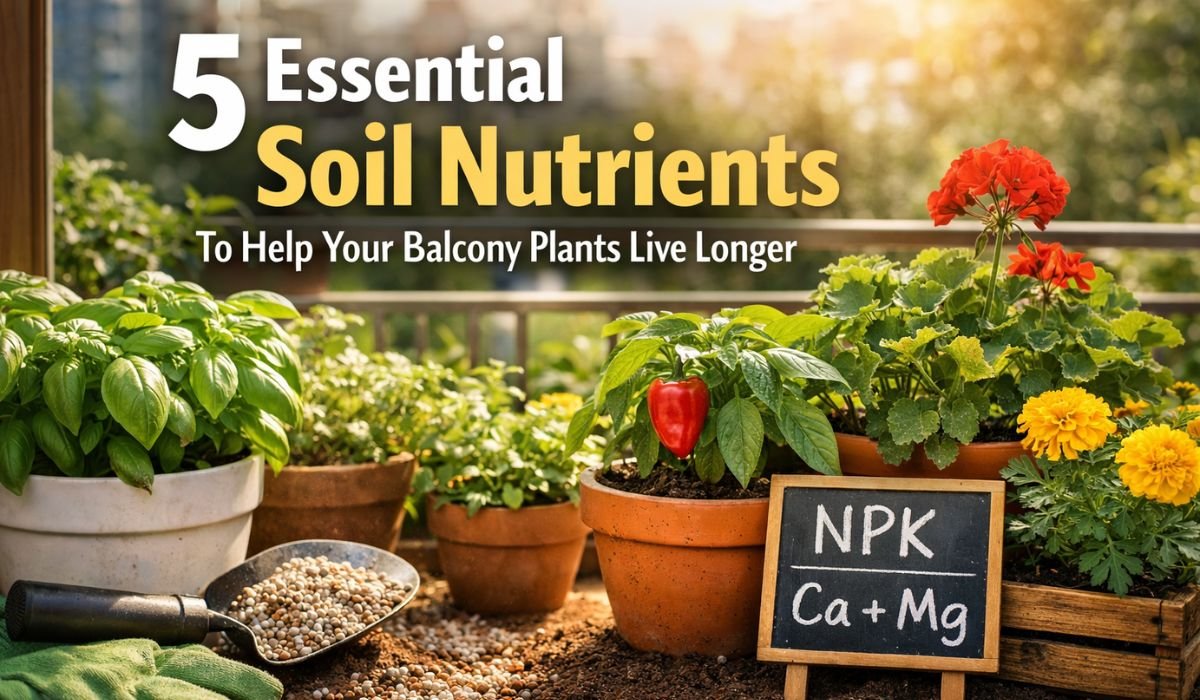
| Fruiting stage | Potassium-rich (3-4-6 or tomato-specific) | Every 10 days |
Too much nitrogen creates lush leaves but few fruits — aim for balanced nutrition.
A Houston gardener over-fed with fish emulsion; plants shot up 3 ft but barely fruited. After switching to a low-nitrogen organic tomato feed, harvest tripled within three weeks.
4. Pruning & Pollination — Secret to Heavy Yields
Prune suckers and lower leaves for better airflow, and manually pollinate flowers on balcony plants where bees are scarce.
How to Prune Like a Pro
- Identify “suckers” — new shoots between the main stem and leaf branch.
- Pinch them off once they reach 2–3 inches.
- Remove bottom leaves touching soil to avoid fungus.
- Use clean shears to cut any crowded growth above fruit clusters.
Keep 2–3 main stems for balanced growth — not one (tends to snap) and not five (tangles).
Pollination on a Windless Balcony
- Shake Stems: Tap the main stem daily around midday to release pollen.
- Electric Toothbrush Hack: Vibrate behind flowers for 5–10 seconds.
- Invite Pollinators: Grow marigolds or basil nearby.
A balcony grower in Austin used a battery toothbrush for pollination — her yield increased by 40% compared to hand shaking alone.
5. Varieties That Thrive in Small Spaces
Choose compact or “determinate” tomato varieties bred for containers. They grow shorter, bushier, and produce fruit within 70–80 days.
Best Balcony Varieties by Type
| Type | Variety Name | Days to Harvest | Flavor Notes |
|---|---|---|---|
| Cherry | ‘Tiny Tim’, ‘Tumbling Tom Red’, ‘Balcony Charm’ | 55–65 | Sweet & juicy |
| Patio | ‘Better Bush’, ‘Patio Princess’, ‘Husky Cherry Red’ | 65–75 | Mild & versatile |
| Roma | ‘Bush Early Girl’, ‘Window Box Roma’ | 65–70 | Meaty & low acid |
| Heirloom | ‘New Big Dwarf’, ‘Stupice’ | 70–80 | Classic tomato taste |
If you plant two varieties with different harvest windows, you’ll get a steady supply from June through October.
Bonus Factor: Airflow & Microclimate Management
Balconies tend to trap heat and block wind — both can stress plants. You can control this microclimate with small adjustments:
- Air Gaps: Space containers 6–8 inches apart for air circulation.
- Shade Cloth: On 100 °F+ days, use a 30% shade cloth from noon to 4 p.m.
- Wind Barriers: If gusts knock plants over, install a clear plastic panel instead of solid screens so air still flows.
During a Houston heat wave, a gardener used bamboo screens to reduce sun intensity — her soil temperature dropped from 105 °F to 87 °F and the plants recovered within days.
Harvesting & Maintenance Checklist
| Task | When to Do It | Why It Matters |
|---|---|---|
| Water deeply | Daily in summer | Prevents cracking & blossom end rot |
| Fertilize | Every 10–14 days | Replenishes nutrients in containers |
| Prune suckers | Weekly | Boosts airflow and fruit size |
| Check for pests | Twice weekly | Early catch saves plants |
| Rotate pots | Weekly | Even light exposure |
| Harvest ripe fruit | As color deepens | Encourages new fruit set |
Troubleshooting Common Balcony Tomato Problems
Yellow Leaves
Cause: Over-watering or nutrient imbalance.
Fix: Let soil dry slightly; add compost tea or seaweed extract.
Blossom End Rot
Cause: Calcium deficiency from uneven watering.
Fix: Add crushed eggshells or calcium supplement; keep watering consistent.
Leaf Curl or Sun Scald
Cause: Excessive heat or intense sun.
Fix: Provide afternoon shade; mulch to cool roots.
No Fruit Despite Flowers
Cause: Poor pollination or high temperatures (> 95 °F).
Fix: Hand-pollinate and water early morning to reduce heat stress.
Real-Life Example: Balcony Bounty in Houston
A first-time gardener in Midtown Houston set up three 15-inch planters on a third-floor balcony. She used a compost blend, a drip irrigation timer, and planted ‘Husky Cherry Red’ and ‘Patio Princess.’ By late June she was harvesting half a pound of tomatoes every other day — enough for fresh salads and neighbors asking for tips.
“It’s less about space and more about consistency. Once you understand your balcony’s sun and heat pattern, the plants do the rest.”
Key Takeaways for First-Time Balcony Growers
- Space smartly: One plant per 5-gal container is plenty.
- Stay consistent: Routine beats luck — light, water, feeding.
- Observe: Every balcony has its own microclimate; learn its rhythm.
- Start small: Two plants are enough to build confidence and habit.
- Share your harvest: Posting photos or trading fruit builds community and joy.
Your Next Step
Snap a photo of your balcony tomatoes and tag your local gardening group — or share on social with #BalconyTomatoChallenge. You’ll be surprised how many others are learning right along with you.
People Also Ask
How do you pollinate tomatoes without bees?
Gently shake stems or use an electric toothbrush behind flowers.
How many hours of sun do balcony tomatoes need?
They need 6–8 hours of direct sun daily; south-facing balconies work best.
What size container is best for tomatoes on a balcony?
At least 5 gallons (12 in deep) per plant with drainage holes for root health.
How often should I water balcony tomatoes?
Water deeply every 1–2 days in summer and use mulch to retain moisture.
Which tomato varieties grow best in containers?
Compact types like ‘Tiny Tim,’ ‘Patio Princess,’ and ‘Husky Cherry Red.’
FAQ
Q1: Can I grow tomatoes on a balcony without direct sunlight?
Yes, but you’ll need a supplemental LED grow light for at least 6 hours daily.
Q2: Do balcony tomatoes need pollinators?
Not necessarily — manual pollination works fine using a toothbrush or by tapping stems.
Q3: What is the best fertilizer for container tomatoes?
A balanced organic 10-10-10 early on, then a phosphorus-rich 5-10-5 for flowers and potassium boost while fruiting.
Q4: How long does it take to harvest tomatoes in containers?
Most balcony-friendly varieties ripen in 60–80 days from transplant.
Q5: Can I reuse the same soil next year?
Yes, if you add fresh compost and rotate with herbs like basil to restore nutrients.
USDA Plant Hardiness Zones Map
Texas A&M AgriLife Extension Tomato Growing Guide
University of California Agriculture and Natural Resources Container Tomato Care Tips