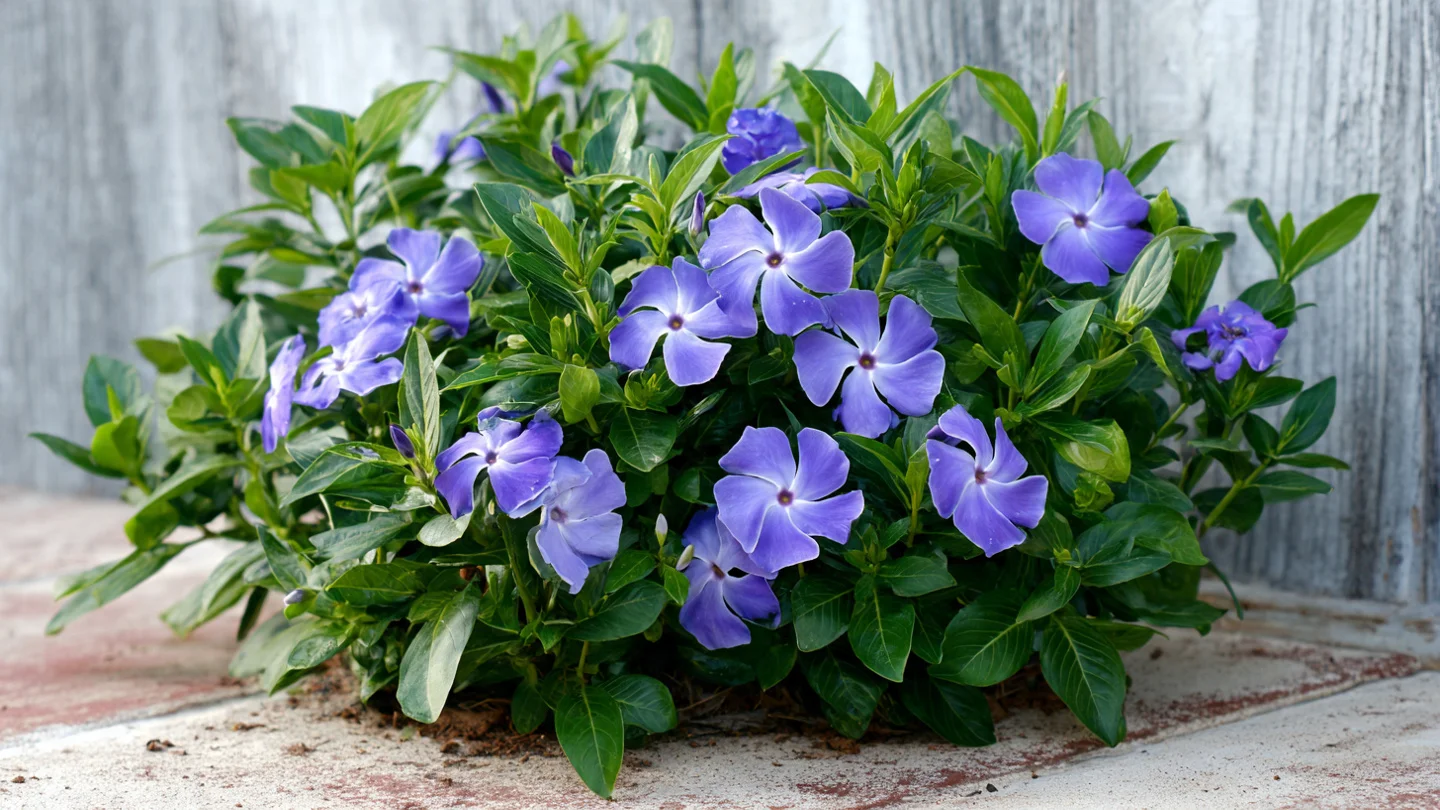
Growing vinca Plant, scientifically known as Catharanthus roseus, is one of the easiest ways to maintain bright, colorful garden beds during the hottest months of the year. When many flowering plants struggle with heat stress, vinca continues to bloom reliably, making it a favorite for summer landscapes.
With its glossy foliage and long-lasting flowers, vinca is exceptionally well suited for high temperatures and sunny conditions. This in-depth guide walks you through everything you need to know to grow healthy vinca plants in peak summer heat, from soil preparation and planting to maintenance, pest control, and seasonal care.
1. Getting to Know Vinca
Vinca Plant is a flowering perennial that is often grown as an annual in many regions. Native to Madagascar, it has adapted to hot, dry environments, which explains its impressive tolerance to summer heat and drought conditions.
Its star-shaped flowers appear in shades of pink, white, lavender, and rose, offering continuous color throughout the warm season. Vinca works well in garden borders, hanging baskets, containers, and as ground cover.
1.1 Common Types of Vinca
There are two widely grown vinca types, each suited to different landscape uses:
Vinca Minor
This variety spreads easily and is commonly used as ground cover. It features smaller flowers and thrives in shaded to partially sunny areas.
Vinca Major
Known for its larger leaves and more dramatic blooms, this type is ideal for ornamental beds, pots, and edging. It is especially popular in summer gardens.
Both varieties handle warm weather well, but Vinca Major is often preferred for decorative planting due to its bold appearance.
2. Preparing the Soil for Success
2.1 Ideal Soil Conditions
Vinca performs best in loose, well-draining soil with a pH range between 6.0 and 7.0. While it is not overly demanding, enriching the soil slightly with compost can help improve root development and flowering during the growing season.
Avoid overly rich soil, as this can promote excess foliage at the expense of blooms.
2.2 Importance of Drainage
Drainage is critical when growing vinca, particularly in hot weather. Waterlogged soil can quickly lead to root rot.
To improve drainage:
- Amend dense clay soil with sand or perlite
- Use raised beds if natural drainage is poor
- Always select containers with drainage holes
3. Planting Vinca Correctly
3.1 Best Time to Plant
Vinca plant should be planted outdoors only after the danger of frost has passed. In warm climates, planting may begin earlier, but young plants should be protected from sudden cold snaps.
Soil temperature should be warm and stable before transplanting.
3.2 Proper Spacing
Space vinca plants 12 to 18 inches apart. This spacing allows air to circulate freely, which is especially important during humid summer weather. Proper spacing also reduces the risk of fungal disease.
3.3 Watering After Planting
Water newly planted vincas thoroughly to help them establish strong roots. Once settled, switch to deep but infrequent watering. During periods of extreme heat, you may need to water more often, but always allow the soil to drain between sessions.
4. Caring for Vinca in Hot Weather
4.1 Smart Watering Practices
Water vinca early in the morning or later in the evening to minimize evaporation. Depending on heat levels and soil conditions, watering once or twice per week is usually sufficient for established plants.
Overwatering should be avoided, as vinca prefers slightly dry conditions between watering cycles.
4.2 Fertilizing for Continuous Blooms
Feed vinca plant with a balanced, slow-release fertilizer every four to six weeks during active growth. Fertilizers with higher phosphorus levels help promote strong flowering.
Excess nitrogen should be avoided, as it encourages leaf growth rather than blooms.
4.3 Using Mulch Effectively
Applying a light layer of organic mulch helps retain moisture, reduce soil temperature, and suppress weeds. Keep mulch a few inches away from plant stems to prevent moisture buildup and rot.
5. Managing Pests and Diseases
5.1 Common Garden Pests
Although vinca is fairly pest resistant, occasional issues may arise:
Aphids
These insects target new growth and can be removed with water sprays or insecticidal soap.
Spider Mites
Often appearing in hot, dry conditions, spider mites can be controlled by maintaining adequate moisture and proper plant spacing.
5.2 Preventing Disease Problems
Common vinca diseases are usually related to excess moisture:
- Root rot occurs in poorly drained soil
- Powdery mildew thrives in humid, crowded conditions
Good airflow, correct watering, and well-draining soil are the best preventive measures.
6. Pruning and Deadheading
While vinca is low maintenance, light pruning can improve appearance and flowering.
Deadheading
Removing spent blooms encourages new flower production and keeps plants tidy.
Pruning
If plants become tall or leggy, trimming back stems promotes fuller, bushier growth. Early-season pruning yields the best results.
7. Growing Vinca in Containers
Vinca adapts well to container gardening and is an excellent choice for patios and balconies.
7.1 Selecting Containers
Choose pots with good drainage and enough space for mature growth. Breathable materials like terracotta help regulate soil temperature in hot weather.
7.2 Container Care Tips
Container-grown vinca dries out faster than garden plants. Monitor soil moisture closely and fertilize regularly, as nutrients wash out more quickly in pots.
8. Companion Plants for Vinca
Vinca pairs beautifully with other heat-loving plants.
8.1 Recommended Companions
- Petunias for bold color combinations
- Marigolds for pest deterrence
- Salvia for vertical contrast and pollinator attraction
These plants share similar sunlight and watering needs, making garden maintenance easier.
9. Seasonal Care Checklist
Spring
- Prepare soil and plant after frost
- Apply slow-release fertilizer
Summer
- Maintain consistent watering
- Mulch to conserve moisture
- Remove spent blooms regularly
Fall
- Treat vinca as annuals or bring containers indoors in colder regions
Frequently Asked Questions
How often should vinca be watered during peak summer heat?
Deep watering once or twice a week is usually enough, depending on weather and soil conditions.
Can vinca tolerate extreme temperatures?
Yes, vinca plant thrives in high heat when planted in full sun with proper drainage.
How do I prevent pest problems?
Inspect plants regularly, maintain airflow, and use insecticidal soap if necessary.
Do container vincas need special fertilizer care?
Yes, containers require more frequent feeding since nutrients leach out faster.
What causes vinca to become leggy?
Insufficient pruning or excessive nitrogen can cause leggy growth. Light trimming encourages compact plants.
Can vinca grow in partial shade?
It can tolerate partial shade, but flowering is best in full sun.
Is vinca safe around pets?
No, vinca is toxic if ingested and should be kept away from pets.
Conclusion
Vinca is a standout performer in high summer temperatures, offering long-lasting color with minimal effort. By providing well-draining soil, proper sunlight, mindful watering, and occasional feeding, gardeners can enjoy vibrant blooms throughout the hottest months of the year.
With the guidance in this article, you are fully equipped to grow strong, healthy vinca plants that brighten your garden season after season.