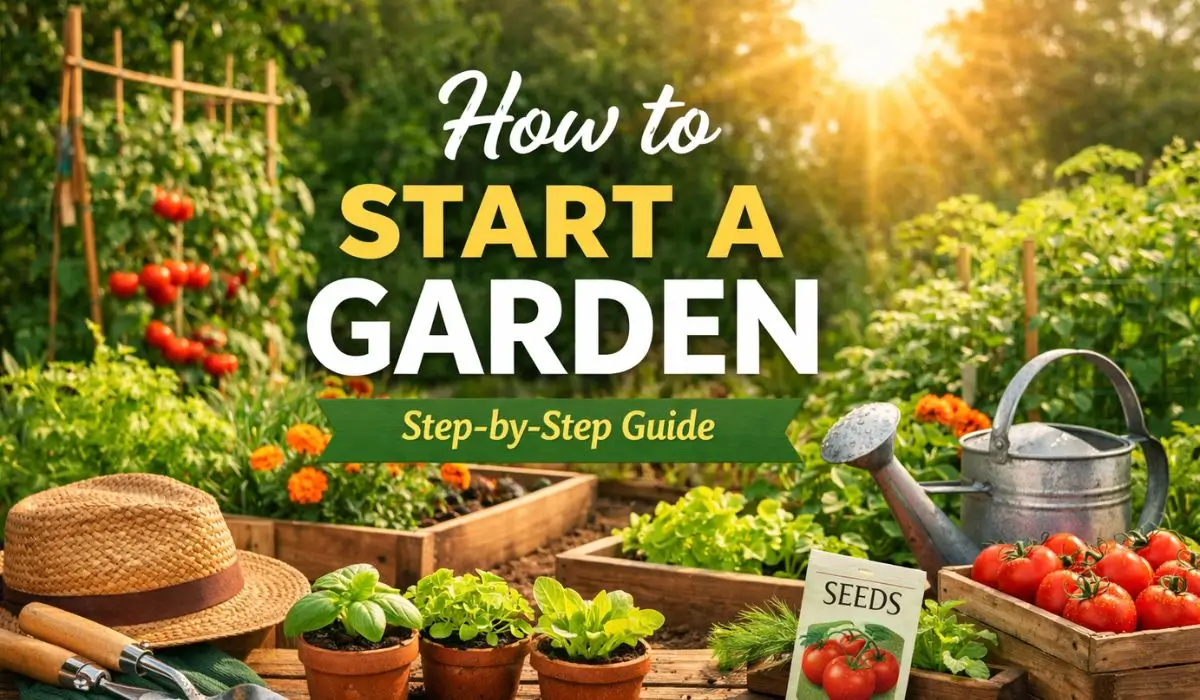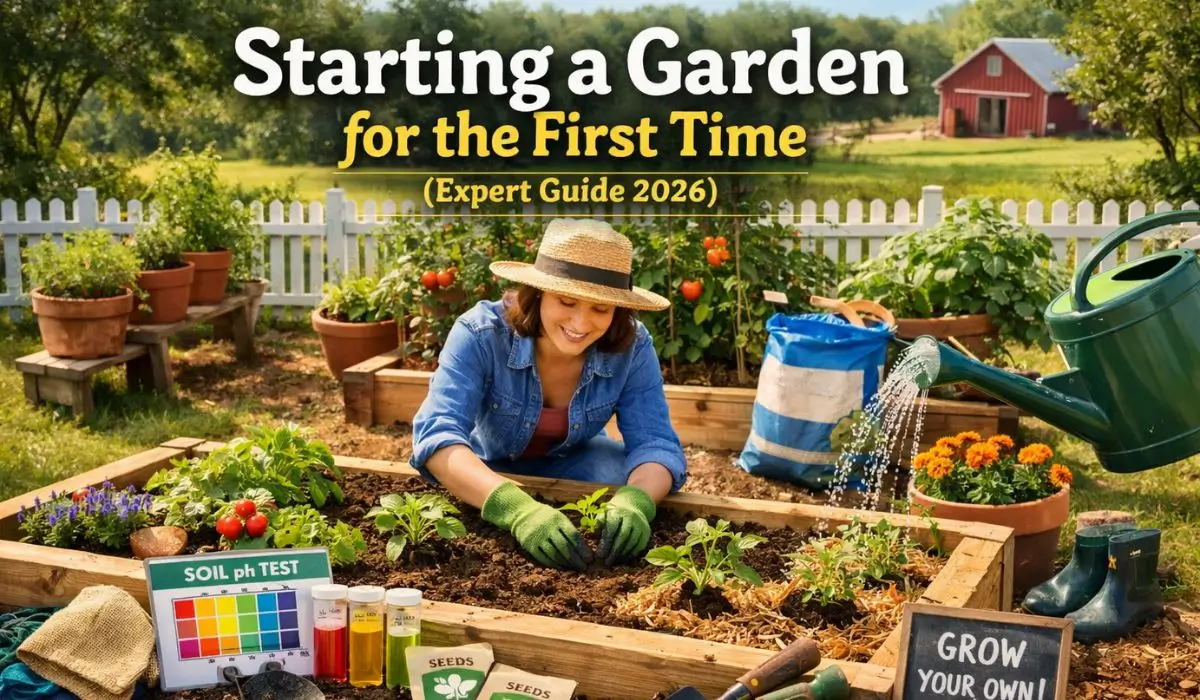
Quick Answer: To start your first garden successfully, begin by assessing sunlight, testing your soil, choosing the right plants for your climate, and starting small with easy-to-grow vegetables or herbs. Prepare nutrient-rich soil, water consistently, and maintain your garden weekly to keep it thriving.
Your Beginner Garden Blueprint
- Start small: 4×4 ft raised bed or 4–6 containers.
- Test your soil: Ideal pH between 6–7 for most vegetables.
- Sunlight matters: 6–8 hours daily for edible plants.
- Water smart: Deep watering 2–3 times weekly beats daily misting.
- Go organic: Compost and neem-based pest control keep it healthy.
Why Gardening Is the Healthiest Decision You’ll Make This Year
There’s something grounding about growing your own food — literally. Whether you’re in Texas, Tamil Nadu, or anywhere in between, gardening connects you to the rhythm of nature. You’ll learn patience, self-reliance, and how small daily habits create lasting change. Plus, few things compare to the satisfaction of picking your first tomato or handful of coriander leaves you grew yourself.
Let’s walk through everything you need to know — from soil and sunlight to planting schedules and pest control — so you can start your first garden the right way.
Step 1: Choose the Right Location
Direct answer: Your garden’s success depends on three things — sunlight, water access, and drainage.
Pick a spot that gets at least 6 hours of sunlight a day. In the U.S., that often means facing south or southwest; in India, it’s generally east-facing for cooler morning light. Avoid low-lying areas where water collects — soggy roots are a beginner’s biggest mistake.
If you live in an apartment, start with a balcony or terrace garden using 12–14-inch deep containers. Herbs like basil, mint, and coriander thrive even with partial sunlight.
Step 2: Know Your Soil (and How to Improve It)
Healthy soil is the heart of your garden. Poor soil can kill even the best plants.
- Test your soil pH: Most plants prefer between 6.0 and 7.0. You can use a simple pH test kit or send a sample to your local agricultural extension office (U.S.) or Krishi Vigyan Kendra (India).
- Improve texture: If it’s too sandy, add compost or coco peat. If it’s clay-heavy, mix in coarse sand and organic matter.
- Add nutrients: A mix of compost, cow manure, or kitchen waste compost works wonders.
| Soil Type | Texture | What to Add |
|---|---|---|
| Sandy | Drains too fast | Compost, coco peat |
| Clay | Holds too much water | Coarse sand, perlite |
| Loam | Ideal | Maintain with compost |
In Texas, soil often leans alkaline; adding compost or peat moss balances pH. In South India, where soil can be red or laterite, adding organic matter improves moisture retention.
Step 3: Choose the Right Plants for Your Climate
Starting with easy plants builds confidence. Choose what grows naturally in your region.
USA — Easy Starters:
- Lettuce, kale, spinach (cool weather)
- Tomatoes, peppers, cucumbers (warm season)
- Basil, parsley, cilantro (herbs)
India — Easy Starters:
- Tomatoes, brinjal (eggplant), okra, chilies
- Coriander, mint, spinach
- Marigold (repels pests + adds color)
Check the planting calendar for your region. In the U.S., use USDA Hardiness Zones; in India, align with pre-monsoon or winter cycles.
Step 4: Decide Between Ground, Raised Beds, or Containers
Each method has its own perks.
| Type | Best For | Advantages |
|---|---|---|
| Ground Garden | Spacious yards | Natural ecosystem, deeper roots |
| Raised Beds | Suburban/urban homes | Better drainage, easier maintenance |
| Container Garden | Balconies, rooftops | Portable, pest control, flexible |
A 4×4 ft raised bed is perfect for beginners — large enough to grow 5–6 vegetables but small enough to manage easily.
Step 5: Gather Your Essential Tools
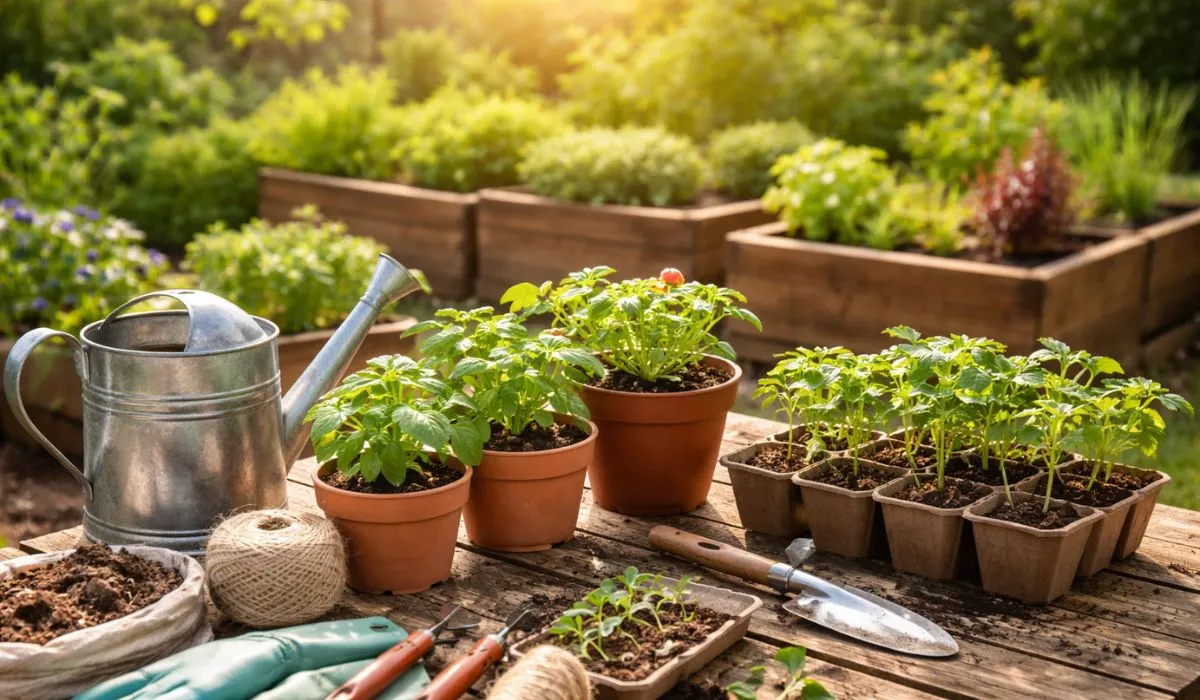
You don’t need everything the pros use — just these basics:
- Garden trowel and hand fork
- Watering can or hose with adjustable nozzle
- Gloves and pruning shears
- Compost bin or bucket
- Stakes or trellis (for tomatoes, beans)
Invest in quality, not quantity. Stainless steel tools last longer and resist rust, especially in humid climates like coastal India.
Step 6: Water the Right Way
Direct answer: Water deeply and less frequently to encourage strong roots.
Beginners often overwater — roots drown, plants rot, and enthusiasm fades fast. Instead, water early morning or late evening to reduce evaporation. Stick your finger two inches deep in soil — if it’s dry, it’s time to water.
Quick Watering Rules:
- Summer: 2–3 deep waterings per week
- Rainy season: Skip if the soil feels moist
- Container plants: May need daily check-ins
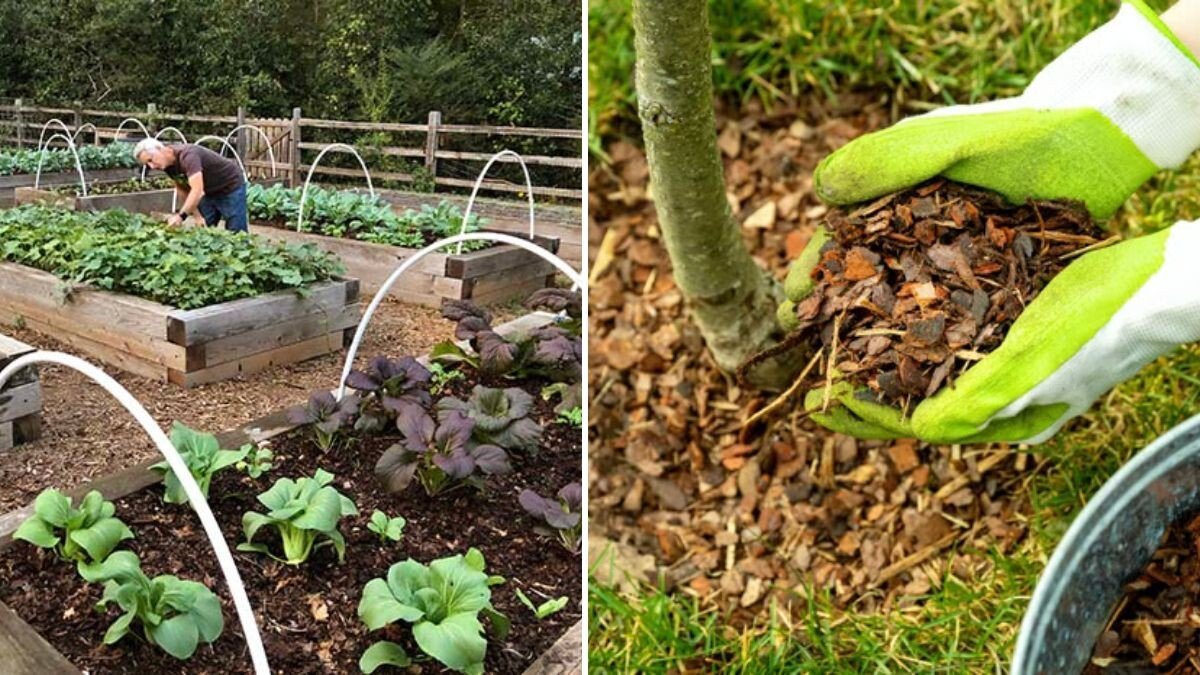
Mulch (dry leaves, straw, or coco husk) locks in moisture and reduces weeds.
Step 7: Feed Your Plants Naturally
Chemical fertilizers work fast but harm long-term soil health. Go organic.
Best Natural Fertilizers:
- Compost or vermicompost (rich in nutrients)
- Cow dung or goat manure (India)
- Fish emulsion or seaweed extract (USA)
- Homemade banana peel tea (potassium boost)
Feeding Schedule: Once every 15–20 days for vegetables, monthly for herbs.
Step 8: Protect Your Garden from Pests
Pests are inevitable — but manageable. The trick is prevention.
Organic Pest Control Checklist:
| Problem | Organic Solution |
|---|---|
| Aphids | Neem oil spray (5ml per liter of water) |
| Caterpillars | Handpick early morning |
| Fungal spots | Baking soda + water mix (1 tsp/liter) |
| Ants | Sprinkle turmeric or cinnamon near base |
Companion planting — like basil near tomatoes or marigolds near beans — deters many pests naturally.
Step 9: Create a Simple Maintenance Routine
Gardening is a rhythm, not a sprint. A little care daily beats weekend marathons.
Weekly Checklist:
- Check for pests under leaves
- Water deeply 2–3 times
- Add compost every 2 weeks
- Prune yellow leaves
- Harvest frequently to encourage growth
Set aside 15 minutes each morning — your plants (and mind) will thank you.
Step 10: Think Sustainability — Compost, Reuse, and Save Seeds
What makes a good garden great is its sustainability.
- Compost kitchen waste: Vegetable peels, eggshells, coffee grounds — they all become soil gold.
- Collect rainwater: A simple barrel setup saves water bills and helps the planet.
- Save seeds: Let one tomato or chili over-ripen; dry and store seeds for next season.
These small habits make your garden self-sufficient — and deeply rewarding.
Gardening by Seasons
U.S. Overview
| Season | Ideal Crops |
|---|---|
| Spring | Lettuce, beans, peas |
| Summer | Tomatoes, peppers, cucumbers |
| Fall | Broccoli, carrots, kale |
| Winter (South) | Garlic, onions, spinach |
India Overview
| Season | Ideal Crops |
|---|---|
| Summer (Mar–Jun) | Okra, brinjal, gourds |
| Monsoon (Jul–Sep) | Spinach, chilies, beans |
| Winter (Oct–Feb) | Tomatoes, cabbage, carrots |
Always observe your microclimate. Even within the same city, balcony exposure or rainfall patterns can shift what thrives.
Common Beginner Mistakes to Avoid
| Mistake | Fix |
|---|---|
| Overwatering | Check soil moisture first |
| Planting too close | Leave space for airflow |
| Ignoring sunlight | Relocate pots seasonally |
| Skipping compost | Add every 2 weeks |
| Using pesticides too early | Start with organic remedies |
Remember, plants are forgiving teachers — they’ll often bounce back with care and patience.
How a Small Balcony Became a Mini-Farm
Last year, a reader from Mumbai started with just two pots of mint and spinach. Within three months, her 5×8 ft balcony turned into a thriving edible jungle — cherry tomatoes climbing up railings, coriander sprouting weekly, and butterflies visiting every morning. She followed one rule: add compost every Sunday and observe daily. That consistency mattered more than expensive soil or equipment.
Final Takeaway — Start Small, Stay Curious, and Let Nature Teach You
Your first garden doesn’t have to be perfect — it just has to start. Every wilted leaf or pest problem teaches you more than any book. The key? Observe, adapt, and enjoy the process.
Gardening isn’t just about growing plants — it’s about growing yourself.
FAQs
1. What’s the easiest vegetable to grow for beginners?
Lettuce, spinach, and basil are ideal starters — they sprout fast and don’t need much space.
2. How often should I water my garden?
Usually 2–3 times a week, depending on temperature and soil type. Always water deeply rather than frequently.
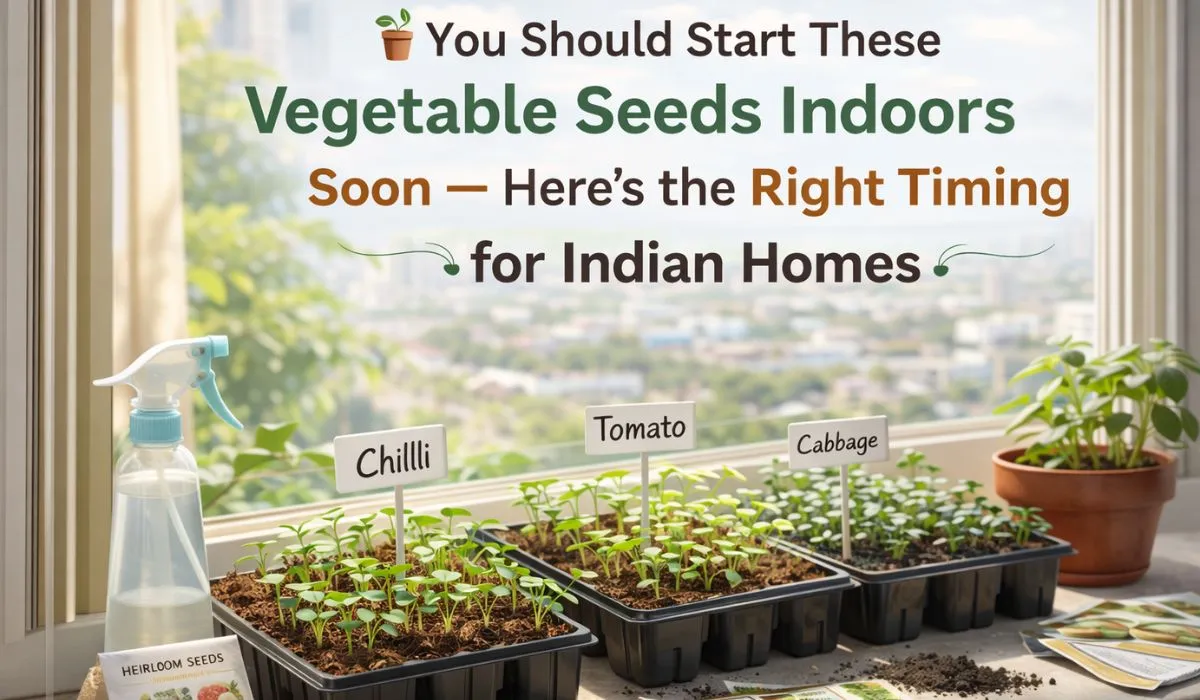
3. Can I grow vegetables indoors?
Yes! Herbs like mint, parsley, and microgreens do great near sunny windows or under grow lights.
4. What’s the best compost mix for beginners?
Equal parts kitchen waste (greens) and dry matter (browns) — like leaves or shredded paper — create perfect compost.
5. How do I prevent pests naturally?
Use neem oil, companion planting, and regular inspection. Avoid overwatering — pests love damp environments.