An upside down tomato planter lets urban gardeners grow tomatoes hanging from a container instead of in soil beds — saving space, boosting airflow, and keeping pests off your plants. With just a bucket, quality potting mix, and sunlight, you can build one in under an hour.
Why It’s 2026 Smart Garden Essential
- 🪴 Grow more in small spaces (balconies, patios, rooftops)
- 🚫 Zero soil pests or ground rot
- 💧 Less watering waste with gravity-fed drainage
- 🍅 Higher fruit yield per plant in controlled environments
- 🔧 Easy DIY — needs only a bucket, drill, and support hook
The Rise of Upside-Down Gardening
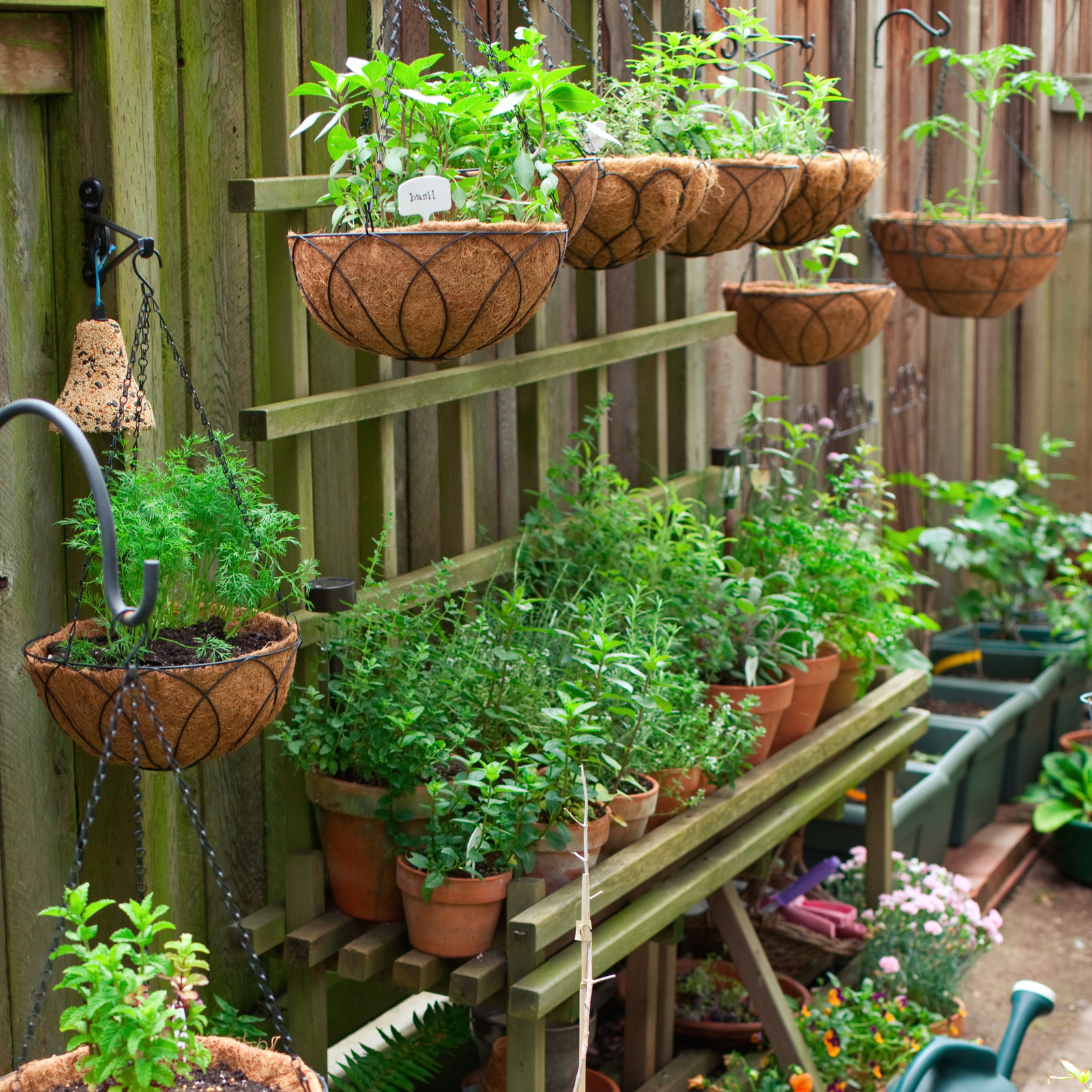
Urban gardeners in 2026 are rethinking vertical space. With more people gardening from apartments or condos, the upside-down tomato planter has become a go-to trend — part innovation, part necessity.
It solves two chronic problems: limited square footage and soil-borne pests like nematodes or root maggots. By flipping gravity on its head, literally, this method gives tomato roots oxygen-rich drainage and protects fruit from slug damage.
How to Build an Upside-Down Tomato Planter (DIY)
You can make one using a recycled 5-gallon bucket, a few holes, and sturdy support. Here’s the process:
| Step | Materials & Tips |
|---|---|
| 1. Choose the Container | A 5-gallon bucket or large hanging planter with drainage holes works best. Plastic or metal is fine — ensure it’s durable. |
| 2. Drill the Bottom Hole | Drill a 2–3 inch hole in the base. This is where the tomato seedling will hang. |
| 3. Add Liner & Soil | Use a coffee filter or mesh to prevent soil loss. Fill halfway with lightweight potting mix enriched with compost. |
| 4. Insert the Tomato Seedling | Gently feed the plant through the hole, root side inside. Handle the stem carefully. |
| 5. Top Up the Soil | Add more mix to stabilize the plant. Leave 2 inches of space at the top for watering. |
| 6. Hang Securely | Use a strong metal hook or balcony bracket. Tomatoes get heavy when fruiting. |
| 7. Water & Feed | Water slowly until it drips from the bottom. Add a diluted organic fertilizer every two weeks. |
Why It Works: The Science Behind the Design
Gravity assists both drainage and nutrient delivery. Instead of roots fighting compacted soil, they grow freely downward. Meanwhile, air circulation prevents fungal diseases.
The planter’s position keeps fruit off the ground — no mulch, no rot, and virtually no pest access.
Best Tomato Varieties for Upside-Down Planters
| Type | Why It Performs Well |
|---|---|
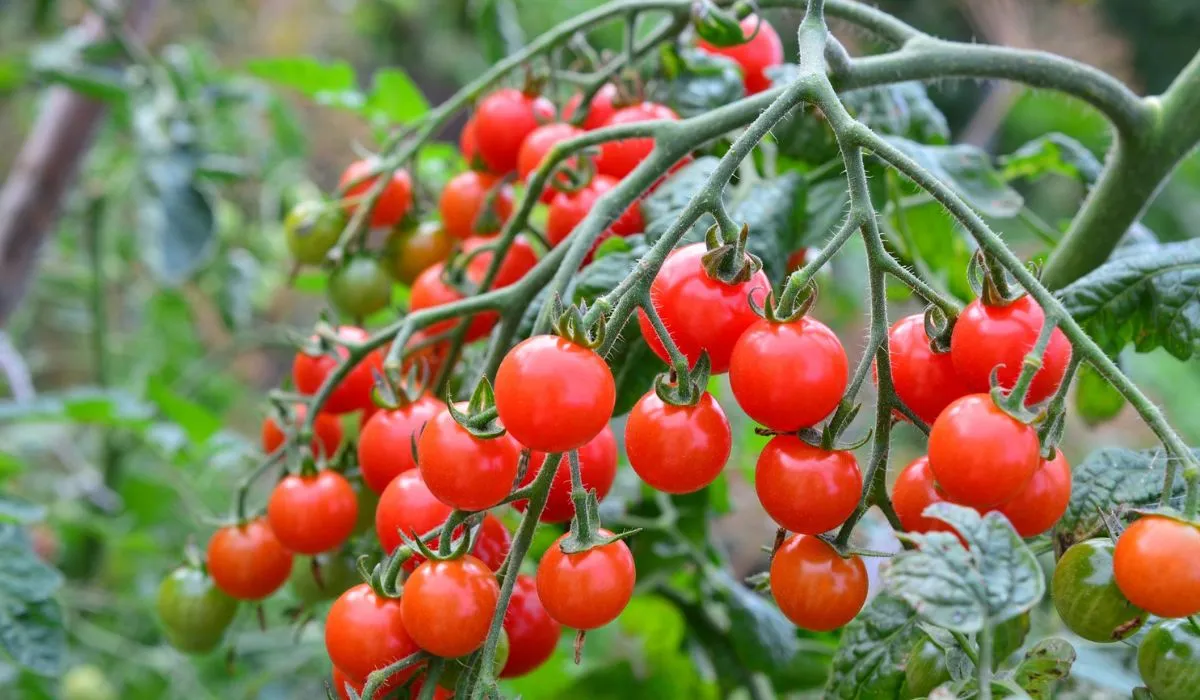
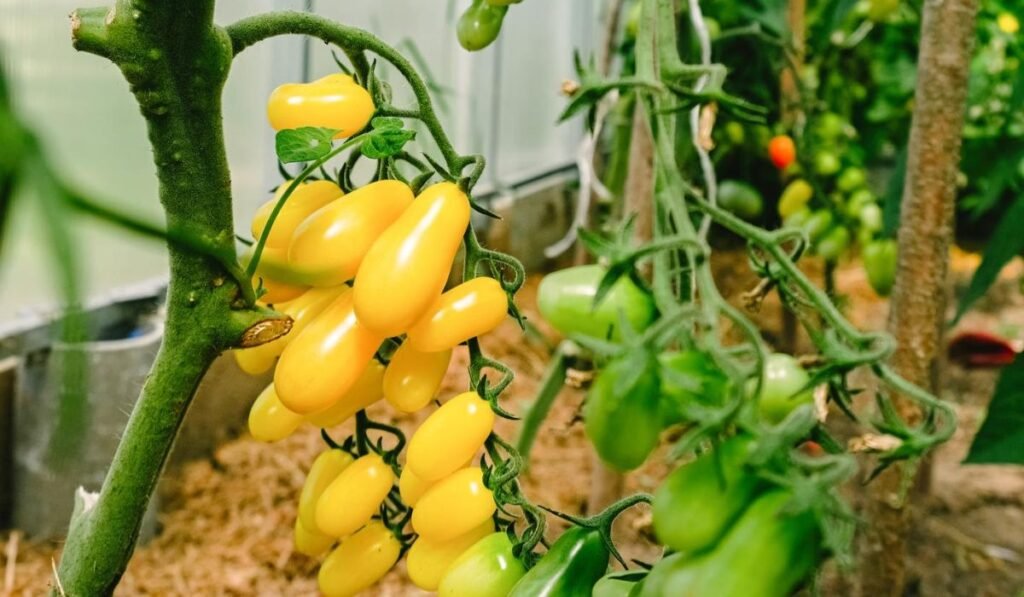
| Cherry Tomatoes (Sweet 100, Sun Gold) | Lightweight fruit, continuous yield. |
| Roma / Plum Tomatoes | Compact vines, ideal for hanging systems. |
| Grape Tomatoes | Thrive in warm, vertical air flow. |
| Patio Hybrid Varieties | Shorter stems, designed for container growth. |
Common Mistakes (and How to Avoid Them)
- Using Garden Soil — Too dense; always use potting mix.
- Neglecting Watering — Hanging planters dry faster. Water consistently.
- Overloading Weight — Use a secure beam or bracket to avoid falls.
- Ignoring Sunlight — Tomatoes need 6–8 hours of direct light daily.
Add a drip-line or self-watering insert to maintain even moisture.
Eco-Friendly Upgrades for 2026 Gardeners
- Swap plastic buckets for biodegradable hemp or bamboo planters
- Use compost-based soil boosters to reduce synthetic fertilizer use
- Pair your planter with solar irrigation timers for precision watering
- Integrate sensors like Xiaomi Mi Flora to monitor soil humidity and temperature
These modern touches turn a humble tomato project into a smart micro-garden system.
Real-World Example
In Austin, a small urban farm called Skyline Greens retrofitted 30 upside-down planters along a rooftop fence. The result?
“We cut pest issues to zero and tripled cherry tomato yield per square foot,” the owner shared.
That’s not just efficiency — it’s sustainable urban agriculture in motion.
FAQs
1. How often should I water an upside-down tomato plant?
Usually every 1–2 days in hot months. The exposed root zone loses moisture faster, so check daily.
2. Can I use the same setup for peppers or herbs?
Yes, compact peppers and basil varieties do well too — just ensure they’re lightweight.
3. Do I need to prune upside-down tomatoes?
Absolutely. Snip side shoots (suckers) weekly to focus energy on fruit production.
4. How long will the planter last?
With good care, a plastic or bamboo bucket can last 3–5 seasons.