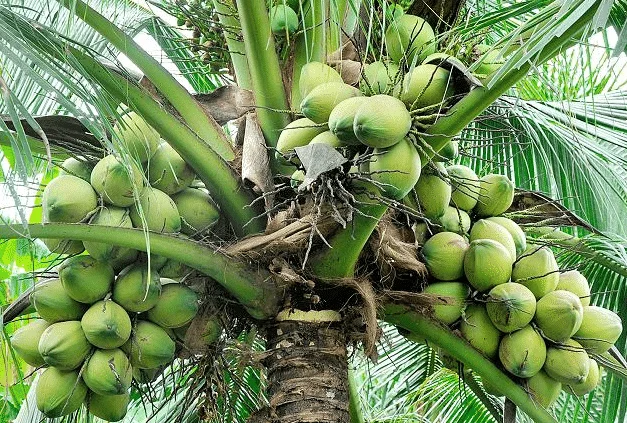
Coconut is called the “Kalpavriksha” in India because every part of the tree is useful—from fruit and oil to leaves and timber. Coconut trees are a backbone of farming in coastal and tropical regions of India. But one major problem many gardeners and farmers face is slow growth and late fruiting.
In this complete guide, you will learn step-by-step How to Grow Coconut Tree Faster, strong roots, high yield, and long life—perfect for both home gardeners and coconut farmers.
The good news is—by using a revolutionary planting and care technique, you can grow coconut trees faster, stronger, and healthier, and start getting nuts earlier than traditional methods.
Why Coconut Trees Are Important for Indian Gardeners
Coconut trees are highly valuable because they offer:
- Continuous income for 30–60 years
- High market demand
- Multiple uses (water, oil, copra, coir, timber)
- Low maintenance after establishment
- Perfect for tropical Indian climate
- Can be grown in farms, backyards, and borders
With the right method, one healthy coconut tree can produce 80–150 coconuts per year.
How to Grow Coconut Tree Faster?
The new method focuses on:
- Scientific pit preparation
- Deep organic nutrition
- Bio-microbial soil treatment
- Proper spacing and sunlight
- Controlled irrigation
- Early-stage plant training
- This method helps the plant:
- Build strong roots early
- Grow faster in the first 2–3 years
- Become disease-resistant
- Start fruiting earlier (4–5 years instead of 7–8)
- Produce heavier and healthier coconuts
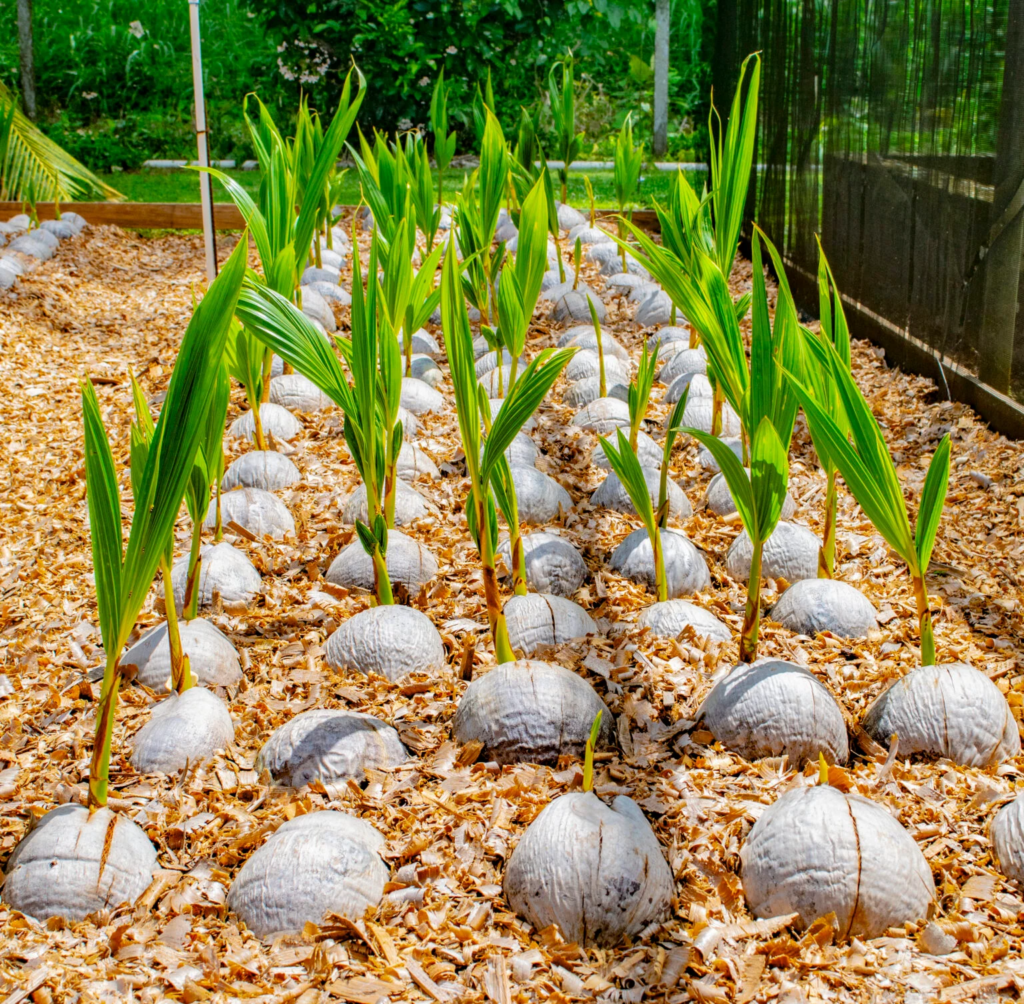
Step 1: Selecting the Best Coconut Seedling
A healthy plant guarantees faster growth.
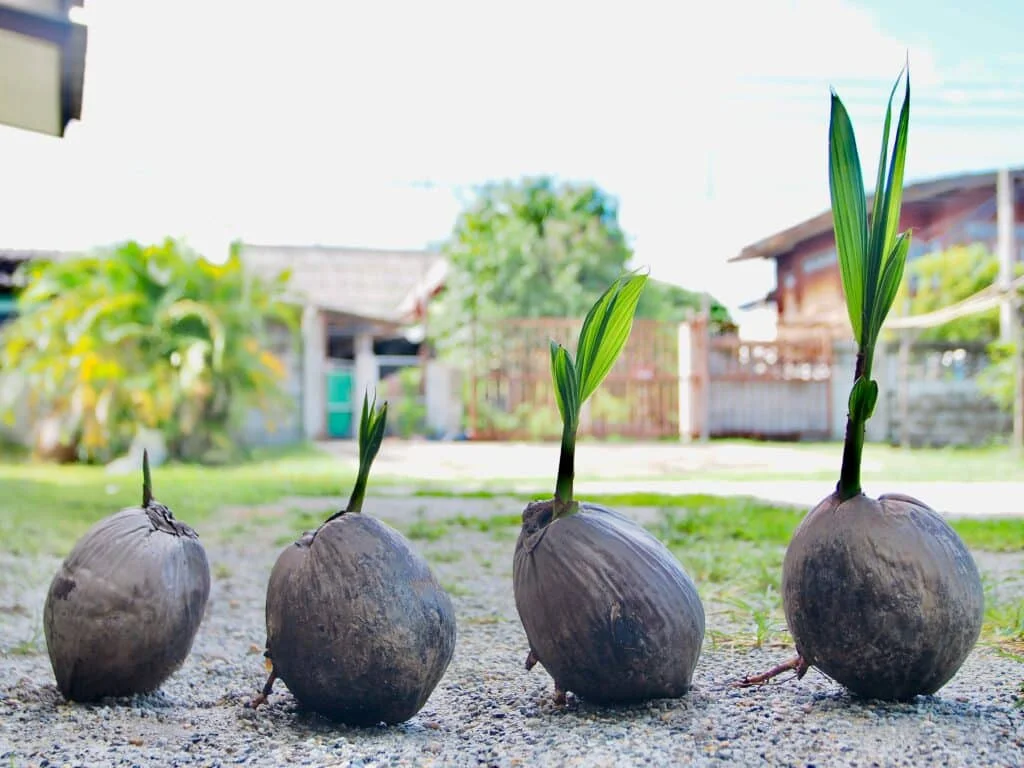
- Choose 10–12 month old nursery seedlings
- Leaves should be deep green
- Thick stem and healthy root system
- No fungal spots or insect damage
- Prefer early-bearing hybrid varieties
Avoid weak, pale, or root-bound plants.
Step 2: Revolutionary Pit Preparation Technique
Traditional pits are too shallow. This new method uses deep nutrition layering.
Ideal Pit Size:
3 ft × 3 ft × 3 ft
Powerful Soil Mix (Per Pit):
- Topsoil – 40%
- Well-rotted cow dung or compost – 30%
- River sand – 10%
- Neem cake – 2 kg
- Rock phosphate – 500 g
- Wood ash – 1 kg
- Trichoderma + PSB (bio-fertilizer) – as per recommendation
Mix everything thoroughly before filling.
This pit acts like a nutrient power bank for the first 3 years.
Step 3: Correct Planting Method
- Plant at the same depth as nursery level
- Do not bend roots
- Crown should stay above soil level
- Press soil lightly
- Water immediately
- Apply dry mulch around the pit
Spacing:
- 25 ft × 25 ft for tall varieties
- 20 ft × 20 ft for hybrids
Step 4: Smart Watering System for Rapid Growth
- First year: Water every 3–4 days
- Second year: Once a week
- After establishment: Once in 10–15 days
Best method: Drip irrigation with organic liquid fertilizer once every 15 days.
Never allow water to stagnate—coconut roots rot easily.
Step 5: Revolutionary Organic Feeding Schedule
This is the biggest game changer for fast growth.
Every 45 Days (Per Tree):
- Vermicompost – 5 kg
- Neem cake – 500 g
- Bone meal – 500 g
- Panchagavya or jeevamrut – soil drenching
After 18 Months:
Add NPK fertilizer (1:1:1 ratio) twice a year for faster flowering.
Step 6: Early Plant Training for Strong Trunk
- Remove unwanted side shoots
- Keep the base clean
- Do not allow weeds near the trunk
- Add soil mound after 6 months for trunk support
- Protect young plants from goats and cattle
This builds a thick trunk and strong crown, which increases nut load later.
Step 7: Pest & Disease Protection (Natural Method)
Common coconut pests:
- Rhinoceros beetle
- Red palm weevil
- Mites and leaf-eating caterpillars
- Use neem oil spray every 15 days
- Apply neem cake in soil every 3 months
- Keep decaying organic matter away
- Set pheromone traps if growing commercially
This keeps the tree chemical-free and export-quality.
Step 8: When Will the Tree Start Bearing?
With this revolutionary method:
- Hybrid varieties: 3.5 to 4.5 years
- Tall varieties: 5 to 6 years
- Traditional method: 7–8 years
This means 2–3 years earlier income!
Step 9: How to Get Maximum Coconut Yield
To achieve 100+ coconuts per tree per year, ensure:
- Full sunlight
- Balanced nutrition
- No water stress
- Regular pest control
- Good air circulation
- Soil remains loose
- No deep ploughing near roots
Major Benefits of This New Coconut Growing Technique
- Faster growth
- Stronger root system
- Early flowering
- Higher nut yield
- Bigger coconuts
- Disease resistance
- Less fertilizer waste
- Long productive life
- Ideal for organic farming
- Perfect for Indian conditions
Final Conclusion
If you truly want to grow coconut trees faster, healthier, and more productive, you must move beyond old traditional methods. This revolutionary coconut growing technique focuses on building powerful roots, feeding the plant scientifically, and maintaining perfect soil and water balance.
Whether you are a home gardener, village farmer, terrace grower, or commercial plantation owner, this method can dramatically increase your coconut yield, tree health, and long-term profits.
Start using this modern technique today—and transform your coconut garden into a high-yield green gold plantation!