Key Takeaways
- Meyer Lemon trees are highly recommended for beginners due to their adaptable nature and frequent fruit production.
- Citrus trees require 6 to 8 hours of direct sunlight daily for optimal growth and fruiting, according to Four Winds Growers (2025).
- The ideal soil pH for citrus trees is around 6.0, as stated by Bachman’s Minneapolis.
- Mature citrus trees can use approximately 60 inches of water annually, ranging from 17 to 135 gallons per day depending on size and season, according to the University of Arizona Cooperative Extension (2024).
- Fertilize citrus trees twice a year, in February/March and September/October, using a citrus-specific formula, advises the Institute of Food and Agricultural Sciences (2025).
When you’re dreaming of fresh nimbu pani or a homemade orange marmalade right from your balcony, successfully growing citrus fruits home can feel like a big step for any Indian gardener. Most of us in cities like Mumbai or Delhi struggle with limited space and intense weather, making the idea of a thriving citrus tree seem daunting. But trust me, with the right tips, you can absolutely enjoy your own harvest.
Quick Answer: Successfully growing citrus at home requires ample sunlight (6-8 hours daily), deep but infrequent watering, well-draining acidic soil, regular fertilization with a citrus-specific formula, and timely pruning.
What is the best citrus tree to grow for beginners?
For beginners embarking on growing citrus fruits home, Meyer Lemon trees are often the top recommendation because they’re quite forgiving and produce fruit readily. These trees are known for their fragrant blossoms and sweeter-than-average lemons, making them a delightful addition to any container garden. They’re also everbearing, meaning you can harvest fruit multiple times a year – a real treat!
You might have heard that “easy plants” are the way to start, but in practice, “easy” is really relative to your specific balcony or terrace conditions. A north-facing balcony in Bangalore and a south-facing terrace in Delhi need completely different starter plants. Location matters far more than just a plant’s general difficulty rating. For instance, while a Meyer Lemon is generally hardy, it still needs that good sunlight you’d find on a south-facing spot. Bearss Lime (Persian Lime) is another excellent choice for home gardeners, offering tart fruit and adapting well to container growing. When I started my own journey, I found that even a “beginner-friendly” plant needs its specific environmental needs met, especially when you’re growing citrus fruits home in varied Indian climates.
How much sun do citrus trees need?
Citrus trees, whether in the ground or in pots, absolutely crave sunlight and generally require 6 to 8 hours of direct sun daily to thrive and produce fruit. More sun is always beneficial, especially in cooler climates or during their fruiting cycles, according to Four Winds Growers (2025). Think about it: these plants are native to sunny regions, so replicating that environment is key for successful growing citrus fruits home.
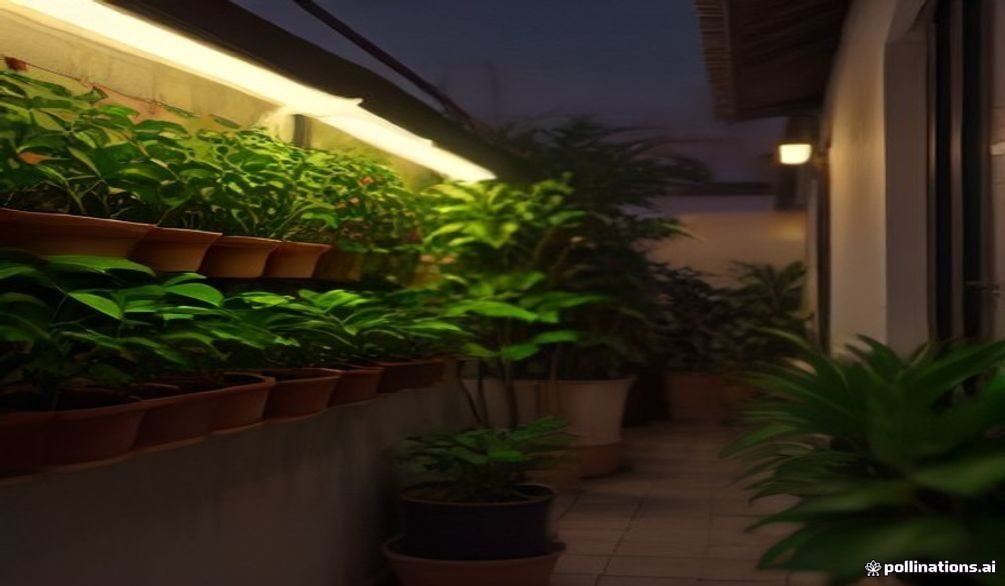
If you’re in a city like Pune with mild winters, you might get away with slightly less sun in the cooler months, but during the pre-monsoon and summer heat, they’ll soak up every ray they can get. My experience has shown that even partial shade can significantly reduce fruit production. If your balcony doesn’t get enough direct light, you might need to consider grow lights, especially for indoor citrus trees during short winter days. You’ll notice the difference in leaf color and fruit development when they’re getting their fill of sunshine.
What is the best soil mix for citrus trees in pots?
The best soil mix for citrus trees in pots is a well-draining, slightly acidic blend that provides good aeration and retains some moisture without becoming waterlogged. The ideal pH for citrus tree soil is around 6.0, as noted by Bachman’s Minneapolis. This slightly acidic environment helps the roots absorb nutrients efficiently.
When I’m mixing soil for growing citrus fruits home, I usually combine a good quality potting mix with perlite or coarse sand for drainage, and a bit of coco peat for moisture retention. A common mistake I’ve seen is using heavy garden soil straight from the ground, which compacts easily in pots and can suffocate roots. Brands like FoxFarm Ocean Forest Potting Soil are recognized for their quality, but you can also make your own. Here’s a simple recipe I use:
- 1 part high-quality potting mix: Look for one that’s peat-based or coco peat-based.
- 1 part perlite or coarse sand: This is crucial for drainage and preventing root rot.
- 1/2 part compost or well-rotted cow dung: For slow-release nutrients.
- A handful of neem cake: Helps with pest deterrence and adds nutrients.
This mix ensures your potted citrus has the perfect foundation for healthy growth, which is paramount when you’re focusing on container citrus growing.
How much water do citrus trees need?
Citrus trees need deep, infrequent watering, focusing on saturating the root ball thoroughly rather than frequent, shallow sips. Mature citrus trees can use approximately 60 inches of water per year, which translates to a wide range from 17 gallons per day in winter to 135 gallons per day in summer, depending on their size, according to the University of Arizona Cooperative Extension (2024). Allen Tate, an ISA-Certified Arborist, emphasizes this, stating, “Like any tree, citrus trees should be watered deeply, not often. Focus on duration of each watering, not frequency” (Homes and Gardens, 2024).
The amount of water your citrus tree needs will vary significantly based on factors like its age, size, the species (grapefruit and lemon trees use about 20% more water than oranges, for example, according to the University of Arizona (2024)), climate, and soil type, as Fern Berg from Tree Vitalize points out (Homes and Gardens, 2024). In my 10 years of experience, a big learning curve for me was during monsoon. I used to skip watering my container plants, assuming the rain was enough. But one July, I lost a beautiful lime plant because the balcony roof blocked all the rain – the soil was bone dry while the ground below was soaked. So, even in monsoon, check the soil moisture for your balcony plants! Always stick your finger about 2 inches into the soil; if it feels dry, it’s time to water. For a plant in a 12-inch pot, I’ll typically give it 2-3 liters of water until I see it drain from the bottom.
When should you fertilize citrus trees?
You should fertilize citrus trees twice a year with a slow-release or controlled-release citrus-specific formula to ensure they receive consistent nutrition. The Institute of Food and Agricultural Sciences (UF/IFAS) recommends applying fertilizer specifically in February/March, just before bloom, and again around September/October, after the rainy season and during peak fruit set (2025). This timing ensures the nutrients are available when the tree needs them most for flowering and fruit development.
Proper nutrition is incredibly important for the overall health of your plant, especially when you’re nurturing them for growing citrus fruits home. Don’t just grab any fertilizer; make sure it’s labeled for citrus and follow the instructions on the bag, as UF/IFAS advises (2025). For organic gardeners, products like Down to Earth Citrus Mix 6-3-3 are excellent granular options, providing a balanced blend of nitrogen, phosphorus, and potassium, along with other beneficial ingredients like feather meal and kelp meal (Grow Organic, 2026). For indoor citrus trees, Espoma Citrus-tone is a good choice, applied at one teaspoon per every 4 inches of pot diameter every 60 days from late winter to fall.
Organic citrus fertilizer options
Choosing the right fertilizer is a game-changer for your citrus tree care.
| Fertilizer Type | Application Timing | Benefits |
|---|---|---|
| Down to Earth Citrus Mix 6-3-3 | Feb/Mar & Sep/Oct | Organic, slow-release, balanced NPK, micronutrients |
| Espoma Citrus-tone | Every 60 days (late winter to fall) | Ideal for indoor citrus, gradual nutrient release |
| Compost/Vermicompost | Top dress every 3-4 months | Improves soil structure, adds microbes, gentle feed |
What month do you prune citrus trees?
The best time to prune citrus trees is in late winter or early spring, just before new growth begins, to remove dead, diseased, or crossing branches and to shape the canopy. Charlotte Weidner of Nature Hills Nursery, in an article updated in February 2026, emphasizes this timing for lemon trees and other citrus types. Pruning during this period minimizes stress on the plant and allows it to direct energy into new, healthy growth.
The University of Arizona Cooperative Extension recommends pruning citrus to “eliminate sprouts, remove weak, crossing or dead branches, or to allow more light in the canopy.” They also strongly advise against pruning citrus from May through mid-October, especially in hot Indian summers, due to the risk of sun damage to exposed limbs and increased susceptibility to disease. I’ve personally seen how harsh the sun can be on freshly cut branches; it’s like a sunburn for your tree! Always use sharp, clean pruning shears – brands like ARS Bypass Pruners are reliable – to make clean cuts, which helps the tree heal faster and prevents disease. This attention to detail is crucial for healthy pruning citrus trees.
How do i protect my citrus tree from pests?
Protecting your citrus tree from pests involves a combination of regular inspection, good cultural practices, and organic pest control methods when necessary. Common pests like aphids, scale, mealybugs, and spider mites can quickly weaken your tree if left unchecked, especially when growing citrus fruits home in humid climates like Mumbai.
Here’s how I keep my citrus healthy:
- Regular Inspection: Every week, check the undersides of leaves, new shoots, and fruit for any signs of pests. Catching them early makes a huge difference.
- Neem Oil Spray: A diluted neem oil solution is my go-to. Spray every 7-10 days, especially during pre-monsoon and post-monsoon when pests are rampant. Mix 5ml of cold-pressed neem oil with 1 liter of water and a few drops of mild soap.
- Manual Removal: For small infestations, a strong jet of water can dislodge aphids, or you can gently wipe mealybugs with a cotton swab dipped in rubbing alcohol.
- Good Airflow: Prune your tree to ensure good air circulation within the canopy. Densely packed leaves create a humid environment that pests love. This is part of general citrus tree care.
- Diatomaceous Earth (DE): For crawling pests, sprinkling organic Diatomaceous Earth around the base of the pot can create a physical barrier.
- Micronized Sulfur Dust: This is a good natural option for fungal issues and some mites.
A failure story I often recall is when a friend neglected to check his indoor lemon tree for a month. By the time he noticed, it was covered in scale insects, and the leaves were yellowing. He had to prune heavily and then systematically treat with neem oil every few days for weeks. The fix was consistent vigilance – he now checks his plants weekly and applies neem oil proactively, which is far easier than battling a full-blown infestation. This proactive approach is key for fruit gardening pest prevention.
Frequently asked questions
What are the signs of an overwatered citrus tree?
An overwatered citrus tree often shows yellowing leaves, especially on older foliage, and leaves that may drop prematurely. The soil will also feel soggy, and in severe cases, the roots can begin to rot. Always check the soil moisture before watering, according to the University of Arizona Cooperative Extension (2024).
Can i grow citrus trees indoors?
Yes, you can absolutely grow citrus trees indoors, provided they receive adequate light (minimum 6-8 hours of direct sun or supplemental grow lights) and proper humidity. Indoor citrus trees, like Meyer Lemons, thrive with consistent care and specific indoor citrus trees fertilizers like Espoma Citrus-tone.
How do i know if my citrus tree needs fertilizer?
Your citrus tree needs fertilizer if you notice yellowing leaves (especially between the veins, indicating an iron or magnesium deficiency), stunted growth, or poor fruit production. The Institute of Food and Agricultural Sciences (2025) recommends a citrus-specific fertilizer applied twice a year.
What are common diseases of citrus trees?
Common diseases of citrus trees include citrus canker, greasy spot, and root rot, often exacerbated by poor drainage or high humidity. Good air circulation, proper watering, and timely application of fungicides (if organic options aren’t sufficient) are crucial for prevention.
How often should i repot my container citrus tree?
You should repot your container citrus tree every 2-3 years, or when it becomes root-bound, to refresh the soil and provide more space for root growth. Signs include roots circling the pot, water running straight through, and slower growth.
Successfully growing citrus fruits home is a rewarding journey, transforming your balcony or terrace into a vibrant mini-orchard. By focusing on consistent sunlight, thoughtful watering, the right soil mix, regular feeding, and timely pruning, you’ll be well on your way to harvesting your own fresh lemons and limes. Don’t be afraid to get your hands dirty and experiment – the joy of plucking your own fruit is truly unmatched. Happy gardening!