
Snake gourd is one of the most fascinating vegetables you can grow in your garden. With its long, twisting shape and fast-growing vine, Snake Gourd is not only visually striking but also highly nutritious and productive. Loved in many Asian kitchens, especially in traditional home gardening, this vegetable is perfect for gardeners who want high yields with minimal effort.
Whether you are a beginner or an experienced grower, this complete guide will help you understand how to grow snake gourd successfully from seed to harvest.
What Is Snake Gourd?
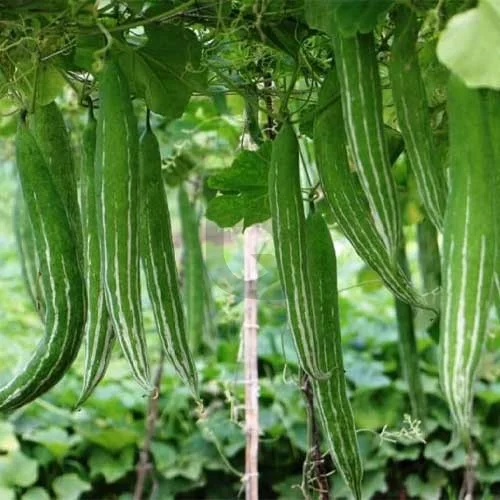
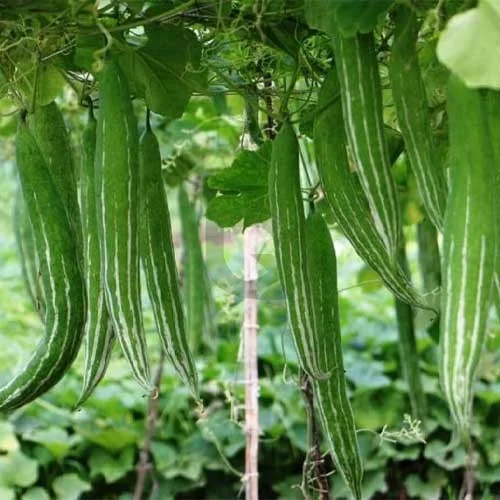
Snake gourd (Trichosanthes cucumerina) is a climbing vegetable plant known for its long, curved fruits that resemble a snake. It belongs to the cucumber family and thrives in warm climates.
Key Features of Snake Gourd
- Grows as a fast-climbing vine
- Produces long, slender, light-green fruits
- Grows well in tropical and subtropical regions
- Excellent for trellises, fences, and vertical gardening
Health Benefits of Snake Gourd
Snake gourd is not just beautiful it’s packed with nutrition too.
- Low in calories
- Rich in fiber for digestion
- Contains Vitamin A, B, and C
- Helps regulate blood sugar
- Boosts immunity
- Supports heart health
This makes snake gourd a perfect vegetable for both health-conscious families and home gardeners.
Best Climate and Soil for Snake Gourd
Climate
- Prefers warm and humid weather
- Grows best in temperatures between 25–35°C
- Requires full sunlight for at least 6–8 hours daily
Soil
- Well-drained, fertile soil
- Slightly sandy or loamy soil works best
- Soil pH between 6.0–7.5
Add compost or cow dung manure before planting for better growth and fruiting.
How to Grow Snake Gourd from Seeds
Step 1: Seed Selection
Choose healthy, mature seeds from a trusted source. Fresh seeds give higher germination rates.
Step 2: Sowing Seeds
- Soak seeds in water overnight to improve germination
- Sow seeds 1–2 inches deep
- Maintain spacing of 2–3 feet between plants
Step 3: Watering
- Water immediately after sowing
- Keep soil moist, not soggy
- Regular watering is essential during flowering and fruiting

Support and Trellis for Snake Gourd
Since snake gourd is a climbing vine, it needs strong support:
- Bamboo trellis
- Rope net
- Garden fences
- Balcony railings
Proper support improves air circulation, reduces disease, and results in straighter fruits.
Fertilizer and Manure for Snake Gourd
Feed your plants regularly for maximum yield:
- Compost every 2–3 weeks
- Vermicompost for steady nutrition
- Liquid organic fertilizers like compost tea
- Avoid excessive chemical fertilizers
A balanced nutrient supply leads to healthier vines and higher fruit production.
Common Pests and Diseases
Some common problems in snake gourd cultivation include:
Pests
- Aphids
- Fruit flies
- Leaf-eating caterpillars
Diseases
- Powdery mildew
- Leaf spot
- Root rot due to overwatering
Organic Control
- Neem oil spray
- Soap water spray
- Remove infected leaves immediately
- Proper spacing and sunlight prevent most diseases

Flowering and Pollination
Snake gourd produces beautiful white flowers. Pollination is essential for fruit formation.
- Bees and insects naturally pollinate
- Hand pollination can be done in small gardens
- Better pollination = higher yield and better-shaped fruits
Harvesting Snake Gourd
- Snake gourd is ready for harvest 60 – 75 days after sowing
- Pick fruits when they are soft, light green, and 12 – 18 inches long
- Do not allow fruits to over-ripen, as they become bitter
- Regular harvesting encourages more fruit production
How to Use Snake Gourd in the Kitchen
Snake gourd is very popular in home cooking:
- Stir-fries
- Curries
- Soups
- Stuffed vegetable dishes
- Traditional Ayurvedic recipes
Its mild taste makes it easy to combine with spices and other vegetables.
Why Every Gardener Should Grow Snake Gourd
- Fast-growing and high-yielding
- Thrives in small spaces with vertical support
- Nutritious and medicinal
- Low maintenance
- Great for home food security
Whether in a backyard, terrace, or balcony, snake gourd is one of the most rewarding vegetables you can grow.
Final Thoughts
Growing Snake Gourd is a beautiful blend of productivity, health, and visual appeal. Its fast growth, climbing habit, and delicious fruits make it a top choice for home gardeners. With proper sunlight, organic feeding, and regular care, your garden can be filled with long, healthy snake gourds in just a few weeks.