
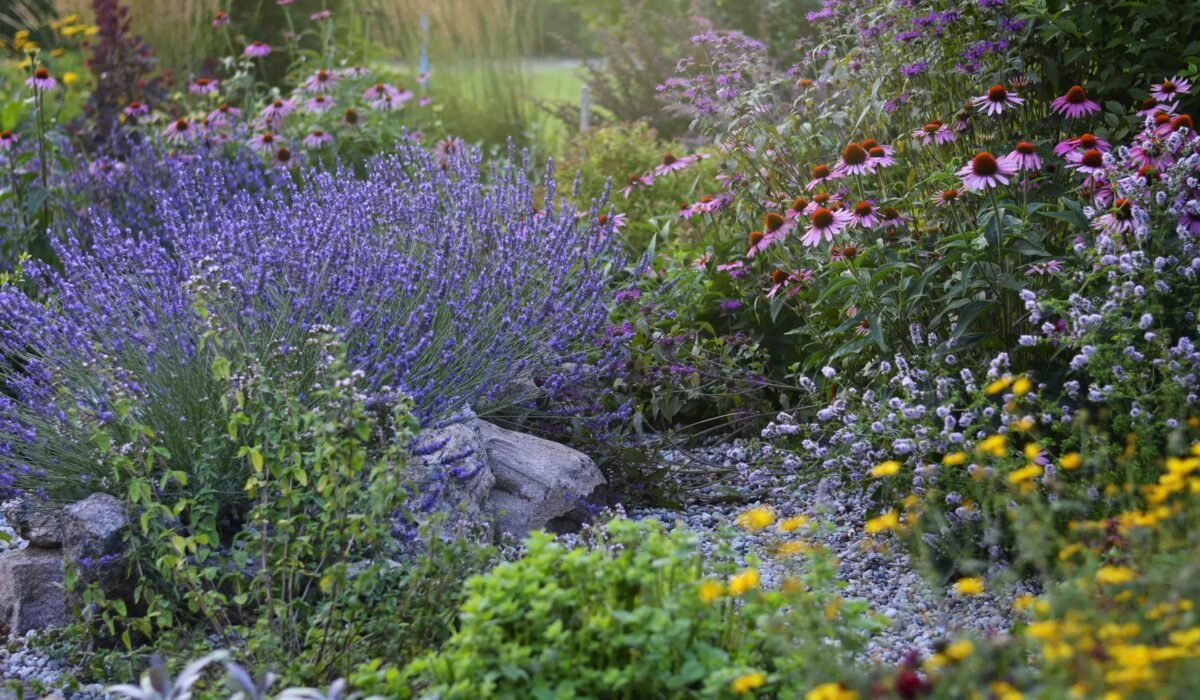
Imagine a garden that never truly sleeps, offering a continuous symphony of color, texture, and life through every season. This dream becomes a vibrant reality when you master the art of cultivating year-round perennial flowers. Unlike annuals that complete their life cycle in a single season, perennials return faithfully, growing stronger and more beautiful with each passing year, transforming your outdoor space into a dynamic, ever-evolving masterpiece.
Perennials are the backbone of sustainable gardening, providing enduring beauty while demanding less effort over time. They establish deep root systems that improve soil health, prevent erosion, and create vital habitats for pollinators and other beneficial wildlife. This comprehensive guide will walk you through selecting, designing, planting, and caring for perennials to ensure your garden bursts with continuous blooms, no matter the month.
Choosing the Right Perennials for Your Garden’s Success
The foundation of a thriving perennial garden begins with informed plant selection. Before you even think about color palettes or bloom times, you must understand your garden’s unique conditions. This critical first step ensures your chosen plants will flourish, saving you time and effort in the long run.
Understanding Your Garden’s Environment
Every plant has specific needs, and matching these to your garden’s conditions is paramount. Consider your hardiness zone, the amount of sunlight your garden receives, and your soil type. These factors will dictate which cold-hardy flowers and other perennials are best suited for your success.
- Hardiness Zone: This geographic indicator, determined by average annual minimum winter temperatures, tells you which plants can survive winter in your region. Knowing your zone is crucial for selecting resilient perennials that will return year after year. You can find your specific zone through resources like USDA Plant Hardiness Zone Map.
- Sunlight Exposure: Observe your garden throughout the day. Does it receive full sun (6+ hours direct sunlight), partial sun/shade (3-6 hours), or full shade (less than 3 hours)? Many popular perennials are sun-lovers, but plenty thrive in shadier spots.
- Soil Type: Healthy soil is the lifeblood of any garden. Most perennials prefer well-draining soil rich in organic matter. Test your soil to understand its pH and composition, then amend it with compost or other organic materials to create an optimal environment.
When selecting your plants, remember that quality is a top driver for purchase decisions, with 43% of gardeners prioritizing it. Independent garden centers are excellent resources, with 81% of perennial purchases made there, offering expert advice tailored to your local climate.
Designing for Non-Stop Year-Round Perennial Blooms
Achieving a garden with continuous interest requires thoughtful planning and design. The goal is to create a vibrant tapestry where different plants take center stage throughout the seasons, ensuring there’s always something beautiful to admire.
Strategic Bloom Sequencing
The secret to year-round perennial flowers lies in selecting varieties with staggered bloom times. By combining early spring, late spring, summer, and fall bloomers, you can ensure a seamless transition of color and form throughout the growing season. Don’t forget plants that offer winter interest through evergreen foliage or attractive seed heads.
Spring Awakening
As winter fades, a flush of early bloomers signals the start of the gardening year. Hellebores (like the award-winning ‘Endless’ variety) offer upward-facing flowers even in late winter, while classic Peonies and various perennial tulips provide a magnificent spring show. Consider species like bleeding hearts (Dicentra spectabilis) and primroses for early pops of color.
Summer Spectacle
Summer is peak bloom time for many favorites, providing a riot of color and attracting pollinators. Daylilies (Hemerocallis), Coneflowers (Echinacea), Phlox, and Black-Eyed Susans (Rudbeckia) are robust choices. Don’t overlook the fragrant spikes of Lavender or the long-lasting blooms of Catmint (Nepeta) and Salvia. Agastache ‘Summerlong’ series is a new, heat- and drought-tolerant option perfect for summer. Purple is a favorite color for 42% of gardeners, so incorporate plenty of purple hues!
Autumn’s Grand Finale
As days shorten, certain perennials step up to extend the season’s beauty. Asters and Chrysanthemums are classic fall stars, but Sedum varieties (like ‘Autumn Joy’ or the 2026 Perennial Plant of the Year, Sedum) provide architectural interest and late-season blooms. Helenium, Monkshood, and Japanese Anemones also contribute vibrant color well into fall, making them excellent choices for fall perennial planting.
Winter Interest & Structure
Even in winter, your garden can offer visual appeal. Evergreen perennials like Hellebores and Coral Bells (Heuchera spp.) provide lasting foliage color and texture. Dried seed heads of plants like Sedum, ornamental grasses (e.g., Switchgrass ‘Northwind’), and Coneflowers can catch snow and frost, adding sculptural elements to the dormant landscape. This thoughtful sustainable garden design ensures beauty even when blooms are scarce.
Top Low-Maintenance Perennials for Busy Gardeners
For gardeners seeking beauty without constant fuss, low-maintenance perennials are a game-changer. These plants are chosen for their resilience, disease resistance, and ability to thrive with minimal intervention, making them ideal for creating a vibrant, yet manageable, garden. Many are also drought-tolerant flowers and pollinator-friendly plants.
A significant 64% of gardeners purchase perennials multiple times per year, often seeking plants that offer lasting value with less work. Here are some top picks:
- Daylilies (Hemerocallis): Incredibly tough and adaptable, daylilies come in a vast array of colors and bloom shapes. They tolerate various soil conditions and are generally pest-free.
- Hostas: Perfect for shade gardens, hostas are beloved for their diverse foliage in shades of green, blue, and gold, often variegated. They require little care once established, though they appreciate consistent moisture.
- Coneflowers (Echinacea): These native beauties are drought-tolerant, attract pollinators, and bloom profusely from summer into fall. They are excellent for naturalized settings and come in various vibrant colors.
- Salvia: With long-lasting flower spikes in shades of blue, purple, pink, and white, salvia is a pollinator magnet. Many varieties are drought-tolerant and deer-resistant.
- Sedum (Stonecrop): Known for their succulent leaves and late-season blooms, sedums are incredibly hardy and tolerate dry, lean soil. They provide excellent fall interest and structure.
- Catmint (Nepeta): A true workhorse, catmint forms mounds of fragrant, grayish-green foliage topped with lavender-blue flowers for months. It’s deer and rabbit resistant, drought-tolerant, and beloved by bees.
- Russian Sage (Perovskia atriplicifolia): This wispy perennial offers silvery foliage and long-lasting spires of lavender-blue flowers. It thrives in hot, dry conditions and adds a delicate texture to the garden.
These selections exemplify the “plant once and enjoy” philosophy, making them perfect for busy gardeners who still desire a stunning landscape.
Planting & Dividing Perennials: Best Practices for Growth
Proper planting and timely division are key to establishing strong, healthy perennials that will provide years of enjoyment. Understanding the best practices ensures your plants get off to a good start and remain vigorous over time.
Optimal Timing for Planting
While perennials can be planted throughout the growing season, spring and fall are generally the most favorable times. Nearly half of gardeners are now buying perennials in September or October, demonstrating the growing popularity of fall planting.
- Spring Planting: After the last frost, spring offers cool temperatures and consistent moisture, allowing roots to establish before the stress of summer heat. This is ideal for most varieties.
- Fall Planting: Planting in early to mid-fall gives perennials enough time to develop a strong root system before the ground freezes. The cooler temperatures and often rainy weather are less stressful than summer heat, and the plants can focus energy on root growth rather than top growth. This is an excellent time for many cold-hardy flowers.
Always prepare your planting site by amending the soil with compost to improve drainage and fertility. Dig a hole twice as wide as the root ball and just as deep, ensuring the crown of the plant is level with the soil surface.
The Art of Dividing Perennials
Many perennials benefit from division every few years. This practice rejuvenates overgrown clumps, improves vigor, and provides you with new plants to expand your garden or share. Signs a perennial needs dividing include reduced flowering, a dead center, or simply becoming too large for its space.
- Timing: Most perennials are best divided in spring or fall when they are not actively flowering. Spring-blooming plants are usually divided in fall, and fall-blooming plants in spring.
- Process: Carefully dig up the entire clump. Using a sharp spade, knife, or even your hands, gently pull or cut the clump into smaller sections, ensuring each section has healthy roots and several shoots.
- Replanting: Replant the divided sections immediately, following the same guidelines as for new plants. Ensure they are well-watered after replanting.
Dividing perennials is a cost-effective way to expand your garden and maintain the health and vitality of your existing plants, contributing to a lush display of year-round perennial flowers.
Essential Care Tips for Thriving Perennial Flowers
While perennials are known for their resilience, providing consistent, thoughtful care will ensure they reach their full potential, offering abundant blooms and strong growth season after season. Basic maintenance practices are crucial for their long-term health.
Watering & Fertilizing
Proper watering is critical, especially during the establishment phase and dry spells. Most perennials prefer consistent moisture but dislike soggy conditions, which can lead to root rot. Deep, infrequent watering encourages deeper root growth, making plants more drought-tolerant. For guidance on water-wise practices, especially for container plants, consult resources like Clemson University Extension.
In terms of fertilizing, less is often more with perennials. If your soil is rich in organic matter, additional fertilizer may not be necessary. If growth is sluggish, a balanced, slow-release granular fertilizer applied in early spring can provide a gentle boost. Avoid over-fertilizing, which can promote lush foliage at the expense of flowers.
Deadheading & Pruning
Deadheading is the removal of spent flowers. This practice prevents the plant from putting energy into seed production, encouraging it to produce more blooms and extending the flowering period. For some plants, like Salvia or Catmint, a “Chelsea chop” (pruning back by a third in early summer) can promote a bushier habit and a second flush of flowers.
Pruning perennials varies by type. Some, like peonies, only need their foliage cut back in the fall. Others, like Russian Sage, benefit from a hard prune in early spring to encourage new growth. Always research the specific needs of your plants to ensure proper pruning techniques.
Mulching & Winter Protection
Applying a 2-3 inch layer of organic mulch around your perennials offers numerous benefits. Mulch conserves soil moisture, suppresses weeds, regulates soil temperature, and slowly adds organic matter as it decomposes. In colder climates, a thicker layer of mulch in late fall can provide extra insulation for tender perennials, protecting their crowns from harsh winter freezes.
By integrating these care tips into your routine, you’ll cultivate robust, healthy perennial flowers that enhance your garden’s beauty year after year.
Sustainable Perennial Gardening: Boosting Biodiversity & Resilience
Modern gardening trends lean heavily towards sustainability, climate resilience, and supporting local ecosystems. Perennial gardening is inherently sustainable, and by adopting a few key practices, you can further enhance your garden’s ecological value, making it a haven for wildlife and a testament to eco-friendly living.
Embracing Pollinator-Friendly Plants
Supporting pollinators like bees, butterflies, and hummingbirds is more important than ever. Perennials are excellent choices for creating pollinator-friendly landscapes because they offer consistent food sources and habitat. The popularity of purple flowers (42% prefer purple) is good news, as many pollinator favorites, like Salvia, Lavender, and Agastache, bloom in this hue.
Integrate a variety of native perennial flowers into your design. Native plants are adapted to your local climate and soil, requiring less water and fewer inputs once established. They also provide the most effective food and shelter for local wildlife. For more ideas on creating a vibrant habitat, explore guides on attracting pollinators with native flower garden designs.
Water-Wise & Climate-Resilient Practices
With increasing concerns about climate change and drought, choosing drought-tolerant flowers and implementing water-wise strategies is crucial. Many perennials, such as Sedum, Coneflowers, Russian Sage, and Yarrow, are naturally resilient to dry conditions. Grouping plants with similar water needs together (hydrozoning) can further optimize water usage.
Consider techniques like rainwater harvesting and incorporating rain gardens to capture and utilize precipitation. The “no-till” gardening approach, which involves layering compost on top of existing soil rather than disturbing it, also promotes healthier soil ecosystems and reduces labor.
Building a Resilient Ecosystem
A diverse perennial garden is a resilient one. By planting a wide array of species, you create a complex ecosystem that is better equipped to resist pests and diseases naturally. This approach fosters biodiversity, making your garden a vibrant hub of life, from beneficial insects to birds. Embracing these sustainable garden design principles makes your garden a beautiful and responsible part of the natural world.
Mastering perennial flowers allows you to cultivate a garden that is not only breathtakingly beautiful but also environmentally responsible. From the first blush of spring to the quiet beauty of winter, your garden can offer continuous interest and a welcoming sanctuary for both humans and wildlife.
Ready to transform your garden into a year-round paradise? Start by assessing your garden’s conditions, then explore the incredible diversity of perennials available. With thoughtful planning and consistent care, you can create a landscape that delights through every season, making your dream of continuous blooms a vibrant reality. Visit your local independent garden center today and begin your journey to a more beautiful and sustainable garden!







